Flintlock Hunting in Pennsylvania Snow
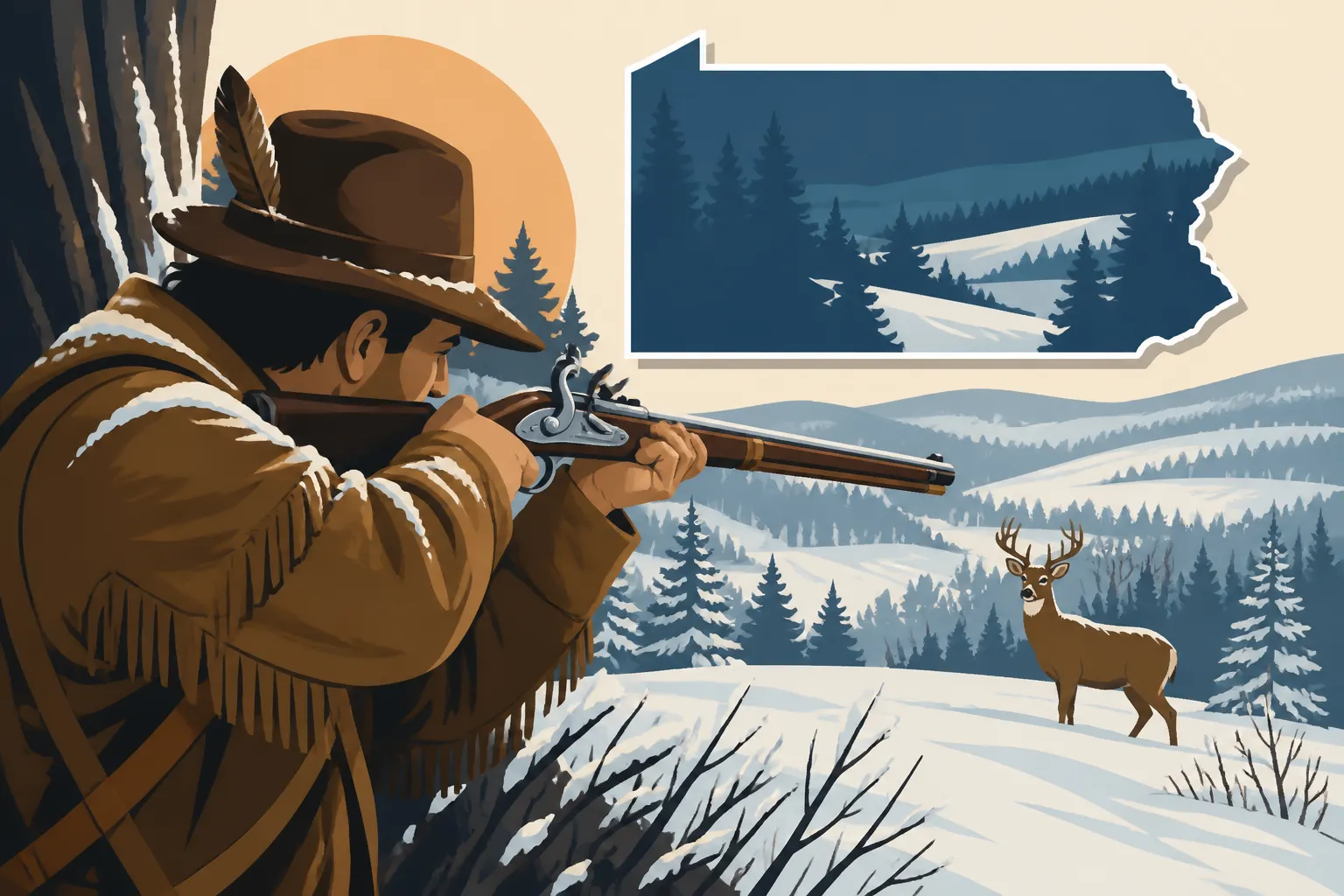
There's nothing quite like the late flintlock season in Pennsylvania. The woods are quiet, the air is crisp, and if you're lucky, a fresh blanket of snow has fallen, transforming the familiar landscape into a pristine, trackable canvas. But let's be real, while it's beautiful, hunting with a flintlock in snowy, cold conditions adds a whole new layer of challenge to an already demanding pursuit. The moisture, the biting temperatures, the need for meticulous preparation – it's enough to make even the most seasoned hunters question their resolve. This guide is all about diving deep into what it takes to not just survive, but truly thrive during Pennsylvania's late flintlock season when the snow is flying.
The Unique Demands of Flintlock Hunting in Winter's Embrace
When you choose to pick up a flintlock during the late season, you're embracing a connection to history, a true test of skill, and a deep appreciation for the hunt. But winter, especially with snow on the ground, amplifies every single variable. It's not just about finding a deer; it's about making sure your antique-style firearm is ready to perform when that moment of truth arrives, despite the elements trying their best to hinder you.
Keeping Your Flintlock Dry and Functioning
The absolute bane of a flintlock hunter's existence in snowy or wet weather is moisture reaching the pan or main charge. Even a tiny bit of dampness can turn a clean ignition into a disappointing fizzle or, worse, a misfire. You might have walked for hours, finally got that deer in your sights, and then click – nothing. It's a soul-crushing experience many of us have faced. The key here is proactive protection. Many hunters swear by a "cow's knee" — a piece of leather or rubber that covers the lock to shed snow and rain. Others use carefully placed electrical tape or even small Ziploc bags, though you need to be lightning-fast to remove them for a shot. The main thing is creating a barrier that won't interfere with the flint's strike. Remember, keeping your pan primer bone-dry is paramount. Some folks even carry a small, sealed container of super-fine primer powder for quick reloading, ensuring it hasn't absorbed any ambient moisture. This attention to detail is why we often talk about the mental game of flintlock hunting; it demands constant vigilance. For more ideas on how to manage this, check out our guide on Keeping a Flintlock Dry in Wet Weather.
The Impact of Cold on Powder and Performance
While black powder isn't as sensitive to cold as some smokeless powders, extreme temperatures can still affect its ignition and burn rate. If your powder has been sitting in a freezing pan for hours, it might ignite a fraction of a second slower, which can impact accuracy at distance. Moreover, the cold can make the metal of your rifle brittle, and it can certainly make working with numb fingers a real pain. Loading a flintlock in freezing conditions, especially after a shot, requires dexterity. You're trying to pour powder, seat a patch and ball, and re-prime, all while your hands might be shaking from cold or excitement. It’s a dance that needs to be practiced, not just in your warm living room, but ideally out in the cold, so you know exactly how challenging it can be. Be mindful of static electricity, too; in very dry, cold air, it's a minor but real concern with black powder.
Navigating Icy and Snow-Covered Terrain
Pennsylvania's varied terrain, from the steep ridges of the Big Woods to the rolling hills of farm country, becomes a whole new beast when covered in snow and ice. Every step needs to be deliberate. A slip could mean a painful fall, a damaged rifle, or at the very least, spooking any deer within a quarter-mile. Traction is king, so footwear becomes incredibly important. You’ll find yourself constantly scanning the ground ahead, looking for hidden rocks, icy patches under drifts, or slick roots. Your progress will naturally be slower, which isn't always a bad thing for a still-hunter, but it means you need to factor in extra time to get to your hunting spots and to move through the woods. Understanding how to read a Pennsylvania Hollow for Deer becomes even more crucial when visibility is limited by snow and fog. The natural contours of the land will hold snow differently, creating drifts and icy patches that dictate your route.
Pre-Hunt Preparations for Snowy Flintlock Success
Success in late-season flintlock hunting, particularly in the snow, starts long before you ever step foot in the woods. It's about a combination of meticulous gear selection, thorough firearm maintenance, and getting your body ready for the physical demands of winter hunting.
Essential Gear for Winter Flintlock Season
Your gear list for a snowy flintlock hunt will look a bit different from early archery season. Beyond the rifle itself, think about what you need to be safe, warm, and effective.
First, a good pair of insulated, waterproof boots with excellent traction is non-negotiable. I'm talking about boots that will keep your feet warm during those long, cold sits and won't let you slip on a snowy slope. Consider bringing along a small backpack with extra layers, especially a dry hat and gloves, a thermos of hot coffee or soup, and high-energy snacks. A high-quality map and compass, or a reliable GPS app on your phone (with a power bank!) are critical, as familiar landmarks can disappear under snow. I personally rely on the GoHunt app on my phone to mark my truck, stand locations, and any fresh sign I find. It's also incredibly useful for reviewing topography and identifying potential bedding areas or travel corridors when planning a hunt in deep snow.
Here's a quick look at some key gear considerations:
| Gear Item | Winter Flintlock Necessity | Rationale |
|---|---|---|
| Waterproof Boots | Insulated, excellent traction (e.g., Vibram Arctic Grip) | Prevents cold feet, reduces slips on ice/snow. |
| Layered Clothing | Base, mid (fleece/wool), outer (waterproof/windproof) | Allows for heat regulation, prevents sweating, protects from elements. |
| Lock Cover | Cow's Knee (leather/rubber), waterproof fabric | Essential for keeping pan and powder dry from falling snow/rain. |
| Primer Holder | Small, waterproof vial or dispenser | Keeps priming powder dry and readily accessible for quick, clean ignitions. |
| Power Bank | High capacity, rugged, cold-resistant | Critical for charging phone/GPS, especially since cold drains batteries faster. |
| High-Energy Snacks | Nuts, jerky, chocolate, energy bars | Provides sustained energy for warmth and physical exertion in cold. |
| Hot Beverage | Thermos of coffee, tea, or soup | Helps maintain core body temperature and provides comfort. |
| Tracking Aid | Bright flagging tape (non-permanent), small blood-trailing light | Assists in tracking deer, especially during low light or if snow starts to fall after the shot. |
| Knife/Saw | Sharp, robust fixed-blade knife; folding saw | For field dressing and clearing shooting lanes if necessary. |
| Fire Starter | Waterproof matches, lighter, ferro rod and tinder | Emergency warmth, especially if a long tracking job leads into night. |
Flintlock Maintenance for Snowy Conditions
Before you even think about hitting the snowy woods, your flintlock needs to be in tip-top shape. This isn't just about cleaning; it's about anticipating the moisture and cold. A thoroughly cleaned barrel and breech plug, free of any rust or fouling, is a given. But pay extra attention to the lock mechanism. Lightly oil all moving parts with a quality, cold-weather-resistant gun oil, but use it sparingly, especially around the pan and touchhole. Too much oil can attract fouling or thicken in extreme cold, slowing the lock's action. The frizzen face should be clean and sharp, and your flint needs to be fresh and properly knapped to throw a strong shower of sparks. Carry spare flints and a small flint knapper. Nothing ruins a hunt faster than a dull flint. Many experienced hunters will even "test fire" their flintlock the day before, just to ensure everything is cycling perfectly in similar weather conditions. This test, especially after a thorough cleaning, can catch any lingering issues before you're out in the field.
Personal Preparedness: Layering and Hydration
Hunting in the snow is physically demanding, and staying comfortable is paramount to staying focused. The key is layering. Start with a moisture-wicking base layer (wool or synthetic) to pull sweat away from your skin. Add insulating mid-layers like fleece or down for warmth, and top it off with a waterproof, windproof outer shell. You want to be able to shed layers when you're moving and add them back when you're sitting still. It’s a constant battle against sweating too much, which leads to chilling, especially during a period of still-hunting after a fresh snow. Don't forget extremities: an insulated hat, neck gaiter, and waterproof gloves or mittens are vital. Even though it's cold, you'll still lose fluids, so bring water. Dehydration can creep up on you in cold weather and diminish your energy and focus. Consider bringing a hydration bladder with an insulated tube to prevent freezing. Learning the intricacies of Cold Weather Sitting Strategy is key to enjoying those long, quiet waits.
Tactics for Tracking and Stalking in Pennsylvania Snow
The snow, while challenging for equipment, offers a profound advantage to the flintlock hunter: it reveals the secrets of the woods. Fresh snow transforms the forest floor into a giant game camera, showing you exactly where the deer have been, what they’re doing, and often, where they're headed.
Reading Snow for Deer Sign and Movement
A fresh snowfall is like nature's newspaper, and the tracks are the headlines. Pay close attention to the size and depth of tracks, which can give you clues about the deer's size and gait. Interrupted tracks or a "bunching" of tracks might indicate a buck pausing to rub or scrape, or an animal that was spooked. Look for clusters of tracks in specific areas; these could be bedding areas. Tracks leading through thickets or along benches can reveal primary travel corridors.
More than just tracks, look for other signs: areas where deer have pawed through the snow to find food, known as "craters," indicate a feeding spot. Rubs on trees will be more visible against the white background, and even small droppings stand out. Freshly nipped browse tips, especially from species like greenbriar, sumac, or maple, tell you exactly what they’re eating. Using the GoHunt app's satellite imagery can help you identify areas with dense cover for bedding or south-facing slopes that might get more sun and offer easier foraging, making your tracking efforts more targeted. When the snow covers everything, deer often concentrate around Late-Season Food Sources for Whitetails like persistent acorns, winter browse, or standing corn if you're in farm country.
Still-Hunting and Stalking in Fresh Snow
This is where the snow truly shines for the flintlock hunter. A fresh, light snow can quiet your footsteps, allowing you to move through the woods with an unprecedented level of stealth. The goal of still-hunting is to move slowly, deliberately, stopping often to scan ahead, listening intently, and letting the woods reveal themselves to you. Think one step, then stop for a minute or two, observing. Use your binoculars to pick apart dense cover.
When you find fresh tracks, you have a decision: follow them directly, or parallel them? Often, paralleling the track, slightly to the side and downwind, allows you to observe the deer's path without putting too much pressure on them. Remember, deer in snow are often on high alert. Take advantage of natural cover, use shadows, and move when the wind gusts or other natural sounds mask your movement. With a flintlock, your range is generally shorter, so closing the distance slowly and carefully is paramount. Imagine yourself as a predator, flowing through the terrain, always aware of the wind and thermals.
Leveraging Wind and Thermals in Winter
Wind is always important in hunting, but in snowy, cold conditions, it takes on even greater significance. The wind carries your scent, and deer rely heavily on their noses. Always try to hunt with the wind in your favor, blowing your scent away from where you expect deer to be. On ridge tops, the wind can be unpredictable, swirling. In hollows and valleys, thermals play a bigger role, especially as the sun rises and falls. In the morning, cold air sinks, pulling your scent downhill. In the afternoon, as the ground warms (even slightly), air rises, carrying your scent uphill.
Understanding these dynamics is critical for planning your approach and knowing where to position yourself. Use mapping tools like GoHunt to analyze terrain and predict how wind and thermals will behave in specific areas. If you're going to attempt a deer drive with a few friends, knowing exactly how the wind will carry scent on a particular ridge is vital for the posted hunters and the drivers alike.
Staying Warm and Safe During a Cold Flintlock Hunt
A late-season hunt in the snow can be an incredibly rewarding experience, but it also carries increased risks. Being prepared for the cold, preventing common winter ailments, and having an emergency plan are essential for a safe and enjoyable hunt.
Clothing Systems for Sub-Freezing Temperatures
Beyond just layering, think about the type of clothing that will perform best in sub-freezing, snowy conditions. Wool is a fantastic choice because it retains much of its insulating properties even when wet, which is a real bonus if you're slogging through deep snow or get caught in a snow squall. Synthetics also perform well, but cotton is absolutely a no-go in freezing weather as it loses all insulating value when damp and takes forever to dry.
Pay attention to how much you're wearing when you're moving versus when you're sitting. When you're actively Still-Hunting Pennsylvania Big Woods, you'll generate a lot of body heat, so it’s easy to overheat and sweat. Once you stop, that sweat will quickly chill you. The best approach is to start a little cold when you're moving, knowing you'll warm up. Carry extra insulating layers in your pack to put on as soon as you settle into a static position. This could include a puffy vest or jacket, and definitely extra gloves and a hat.
Hypothermia and Frostbite Prevention
These are real dangers when hunting in the snow and cold. Hypothermia occurs when your body loses heat faster than it can produce it, causing your core temperature to drop. Symptoms include shivering, confusion, slurred speech, and loss of coordination. Frostbite is the freezing of body tissue, most commonly affecting fingers, toes, ears, and the nose. The best defense is prevention.
Stay dry, stay hydrated, and eat high-energy foods to fuel your internal furnace. Avoid alcohol and caffeine, which can hinder your body's ability to regulate temperature. If you start to feel persistent numbness or tingling in your extremities, or if shivering becomes uncontrollable, it's time to take action: find shelter, get warm, and if necessary, end your hunt. Carry hand warmers and foot warmers, especially for those long sits in a ground blind on Pennsylvania Game Lands. Ensure your boots are not too tight, as restricted circulation can hasten frostbite.
Emergency Preparedness in Remote Snow Country
Hunting in snowy, remote parts of Pennsylvania, like some of the more isolated State Game Lands or State Forests, means you might be a long way from help if something goes wrong. Always tell someone exactly where you're going and when you expect to return. Carry a small first-aid kit, a whistle, a headlamp with extra batteries, and a way to start a fire. Even a simple space blanket can be a lifesaver if you're caught out after dark or have to tend to an injured deer.
If you're hunting with a partner, always establish a plan for what to do if you get separated. Cell service can be spotty, especially in the mountains. Your GoHunt app can track your route, even without service, which is a critical safety feature. Knowing how to use a map and compass is a skill that never goes out of style and can save your life when technology fails. Prepare for the worst, and hope for the best.
Disclaimer
Hunting is an inherently dangerous activity. This guide provides general information and recommendations. Always consult the official Pennsylvania Game Commission regulations and local laws before hunting. Your safety is your responsibility. Ensure you have proper training, permits, and licenses, and always hunt ethically and legally.