Fall Turkey Hunting in Pennsylvania
The crisp air of a Pennsylvania autumn holds a unique promise, but for many hunters, the thought of chasing fall turkeys can feel like a whole different ball game compared to the spring gobbler season. It's easy to get frustrated when you expect birds to respond to calls like they do in May, only to find them tight-lipped and elusive. This comprehensive guide will strip away the mystery of fall turkey hunting in the Keystone State, equipping you with the knowledge and tactics to successfully pursue these wary birds when they’re focused on feeding and flocking, not strutting and breeding.
Understanding Fall Turkey Behavior
Fall turkeys are entirely different animals than their spring counterparts. Gone are the days of territorial gobblers sounding off from the roost, eager to challenge a rival or find a willing hen. In autumn, the focus shifts to survival: finding abundant food, staying safe from predators, and maintaining flock cohesion. Understanding these fundamental shifts is crucial to developing effective hunting strategies.
Flock Dynamics and Seasonal Changes
As summer fades into fall, wild turkeys in Pennsylvania transition from smaller brood groups to larger, more consolidated flocks. These flocks often consist of a dominant hen, her poults from the spring, and sometimes other adult hens and jakes. Gobblers, especially the mature Toms, will typically form bachelor groups that might occasionally mix with hen and poult flocks, but generally, they keep their distance. The size of these fall flocks can be impressive, sometimes numbering 30 or more birds, and their social structure is complex. They rely on these numbers for safety, with many eyes and ears on alert, making them incredibly difficult to sneak up on. Early in the season, young poults are still learning the ropes, making them a bit more vocal and susceptible to being called in, but as the season progresses and they mature, they become much warier.
These flock dynamics directly influence how you should approach them. Breaking up a large flock, for instance, relies on their instinct to regroup, whereas trying to call a lone, wary adult hen in fall is often a futile effort. Their movements are dictated by their collective needs for food and safety, rather than an individual gobbler's desire to breed. Recognizing these nuances helps tremendously; for example, if you encounter a large mixed flock, you might employ a different strategy than if you stumble upon a small group of jakes.
Food Sources and Movement Patterns
Fall turkeys are constantly on the move, diligently searching for prime food sources to fuel them through the upcoming winter. Their diet is incredibly varied, making them adaptable but also challenging to pin down. In Pennsylvania, one of the primary drivers of fall turkey movement is the mast crop, particularly acorns. Oak ridges and benches, especially those with mature red and white oaks, become prime feeding grounds. You'll often find birds diligently scratching through the leaf litter, leaving tell-tale signs of their presence. When the acorn crop is abundant, turkeys might stay in a relatively small area for days or even weeks. However, if the mast crop is scarce, they'll expand their search, moving across larger sections of timber.
Beyond acorns, they'll feed on beech nuts, wild grapes, wild cherries, and various seeds and insects. In agricultural areas, waste grain in cornfields or soybean fields can be a massive draw. Turkeys will often travel significant distances from their roosting areas to reach these calorie-rich food sources. Their daily routine typically involves flying down from the roost at first light, heading directly to a feeding area, spending most of the day foraging, and then returning to a roost tree, often in tall timber overlooking a valley, just before dusk. Understanding these daily movements and identifying current food sources are perhaps the most critical aspects of fall turkey hunting success. Using resources like a detailed map, perhaps from a service like GoHunt, can assist in identifying timber types and potential agricultural fields that might be holding birds.
Scouting for Fall Turkeys
Effective scouting is paramount to fall turkey hunting success, far more so than in spring where gobblers might announce their presence from a mile away. In the fall, turkeys are often silent, making it your job to find them. This means putting boots on the ground, reading the landscape, and interpreting the subtle clues they leave behind.
Pre-Season Reconnaissance
Starting your scouting efforts well before the season opens can provide a significant advantage. This pre-season work allows you to identify reliable food sources, potential roosting areas, and common travel corridors without the pressure of a hunting season. Drive county roads slowly, especially near state game lands or large tracts of private timber. Look for fields that have been cut, particularly corn or soybean fields, as these are magnets for turkeys. Pay attention to oak ridges and note the health of the acorn crop. A good year for acorns means turkeys will be spread out, but a poor year will concentrate them in areas where food is available.
Walking through the woods, look for turkey droppings, shed feathers, and, most importantly, scratchings in the leaf litter. Fresh scratchings indicate recent activity. The size of the droppings and the width of the scratch marks can even give you an idea of the size of the birds and the number of individuals in the flock. Don't be afraid to cover some serious ground; turkeys have large home ranges, and pinpointing their current whereabouts is a dynamic challenge. Utilizing digital mapping tools, even a free one, can help you mark potential locations of sign, food sources, and roost sites, creating a comprehensive picture of the birds' movements. This thorough approach is often the difference between success and frustration when hunting during the Pennsylvania Fall Turkey Seasons by WMU.
Reading Sign and Locating Roosts
Once the season is closer, or even during your hunt, actively reading turkey sign becomes your primary method of locating birds. Fresh scratchings, as mentioned, are a huge clue. But also look for dusting bowls—small depressions where turkeys dust bathe to rid themselves of parasites. These are often found in dry, sandy soil or along old logging roads. Another critical sign is droppings. Fall turkey droppings are typically softer and more elongated than spring gobbler droppings, which are often J-shaped. Observing the quantity and freshness of droppings can tell you a lot about the activity level in an area.
Locating roosts is perhaps the holy grail of fall scouting. Turkeys almost always roost in tall, mature trees, often pines, hemlocks, or large oaks, typically on a ridge overlooking a valley or a thick draw. Look for significant concentrations of droppings, often whitewashed areas, beneath these trees. You might also find feathers. Getting to a roost site before dawn, or watching one at dusk, can provide invaluable information about the flock's size, composition, and general direction of travel. Once you've identified a roost, you have a solid starting point for the next morning's hunt, knowing roughly where the birds will be when they fly down. Remember, turkeys are incredibly sensitive to disturbance around their roosts, so approach with extreme caution and minimize your presence. Understanding Where Pennsylvania Gobblers Roost is key to consistently finding them.
Tactics for Fall Turkey Hunting
Fall turkey hunting isn't about sitting in one spot and hoping a gobbler strolls by. It's a much more active and dynamic pursuit, often requiring you to locate and engage with flocks rather than waiting for individual birds. The goal is to interrupt their natural patterns and capitalize on their instinct to regroup.
The "Break 'Em Up" Method
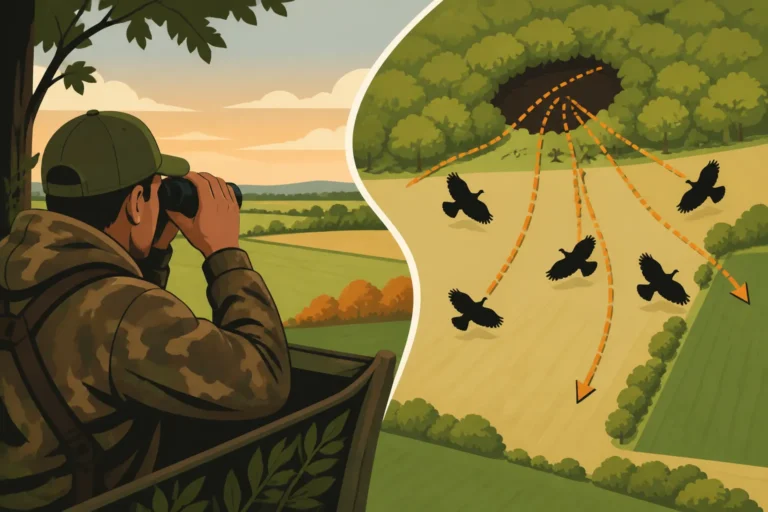
The classic and often most effective fall turkey tactic is the "break 'em up" or "scatter" method. This strategy relies on the strong social bond of fall flocks. When a flock is startled and scattered in all directions, their natural instinct is to try and regroup using vocalizations. The trick is to find a feeding flock or even a flock moving through the woods, then rush them, running and yelling to make them fly and run in as many different directions as possible. It's counter-intuitive to most hunting instincts, but it works. The more scattered they are, the more confused and vocal they become as they try to find each other.
Once the flock is completely scattered and silence returns, find a good ambush point in the area where they were originally busted. This spot should offer good concealment and a clear line of sight, preferably near where you expect them to try to re-congregate. Wait quietly for 15-30 minutes, allowing the birds to settle and begin calling to each other. You'll likely hear lost calls, often the distinctive "kee-kee" run of young birds, or soft yelps from hens. Start with very subtle calls – soft clucks or a couple of gentle yelps, mimicking a lost bird trying to find its way back. The key is patience; sometimes it takes a while for birds to feel safe enough to start regrouping. This method is particularly effective for Fall Turkey Tactics in the Big Woods where turkeys have ample space to scatter.
Still-Hunting and Ambush Techniques
While breaking up a flock is a high-reward strategy, it's not always feasible or the right choice. Sometimes you stumble upon birds that are too wary to scatter effectively, or perhaps you're hunting smaller, more pressured tracts of land. In these situations, still-hunting or employing ambush techniques can be more appropriate. Still-hunting involves moving very slowly and deliberately through the woods, pausing frequently to scan for movement or listen for the soft clucks and purrs of feeding turkeys. Focus on areas with abundant food sources, like oak flats or creek bottoms, or along travel corridors like old logging roads or subtle terrain features.
When still-hunting, use your binoculars constantly. Turkeys blend incredibly well with the fall foliage, and often, the first thing you'll see is a flicker of movement, a black form against the brown leaves, or the shine of a head. If you locate a feeding flock, you might try to get ahead of them and set up an ambush, using subtle calls to draw them into range. Or, if they're moving towards a known roost, you might position yourself along their anticipated route. The beauty of still-hunting is that it allows you to adapt to the birds' unpredictable movements. This is also a fantastic strategy when hunting the Deer Drives on Pennsylvania State Game Lands that sometimes flush turkeys.
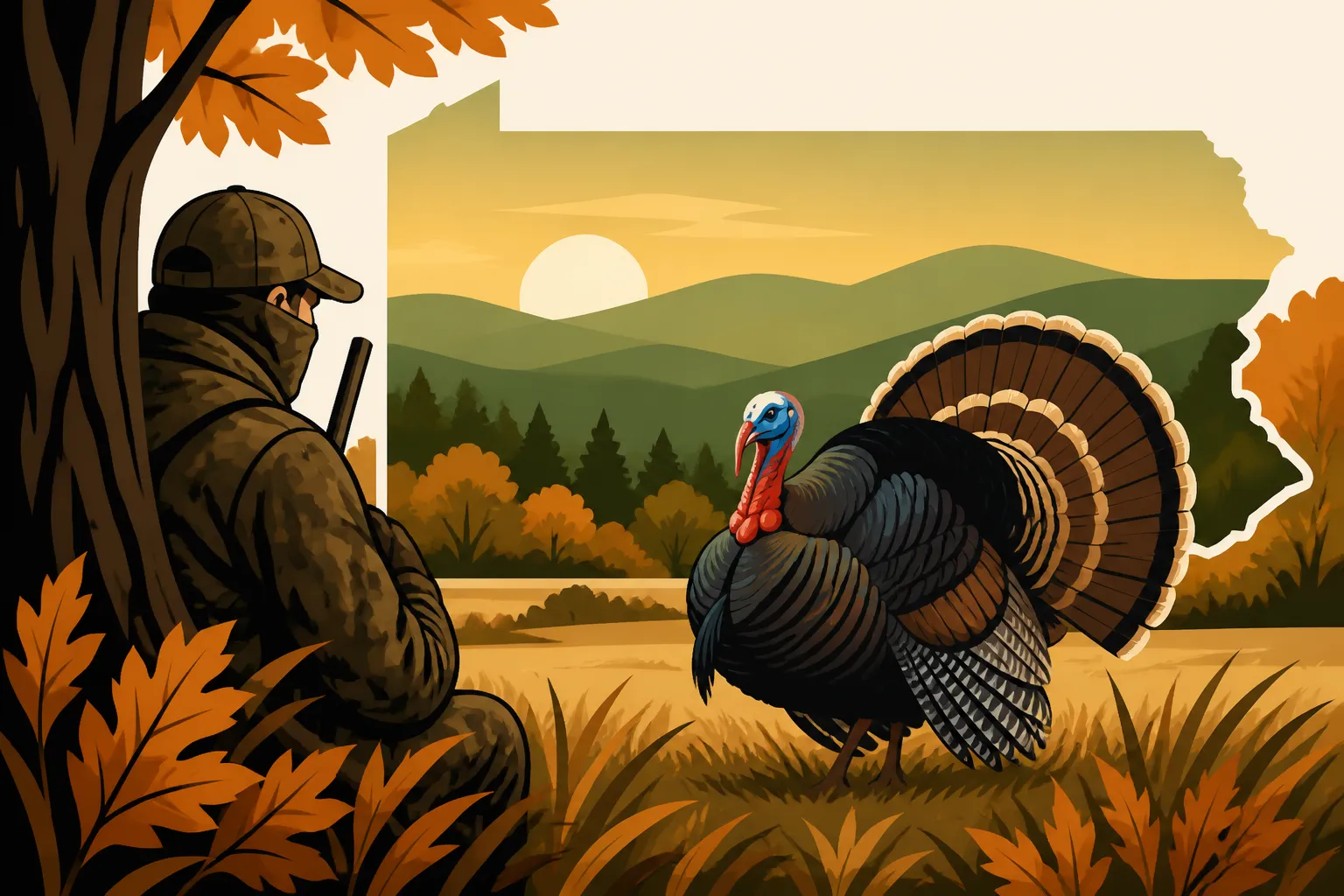
Another ambush scenario involves locating birds at dusk and setting up near their roost the following morning. Position yourself well before first light, giving you time to Setting Up Against a Big Oak or behind a natural blind, offering good concealment. As the birds fly down, they'll often mill around near the roost before heading to a feeding area. A few soft tree yelps as they wake up, followed by some light clucking as they hit the ground, can sometimes draw a curious bird into range. This works best when you've done your homework and found a consistent roost site.
Calling Strategies in the Fall
Fall calling is significantly different from spring calling. You're not trying to entice a lovesick gobbler; instead, you're mimicking lost birds or the reassuring sounds of a flock. The calls are generally softer, more varied, and focused on social regrouping rather than aggressive attraction.
Mimicking Hens and Lost Poults
The most common and effective fall calls are those of hens and young poults trying to locate their flock mates. The "kee-kee" run is probably the quintessential fall turkey call. This is a series of high-pitched, whistled notes, often ending with a few soft yelps. It perfectly mimics a lost young bird, and adult hens, especially those who still have poults, have a strong maternal instinct to respond and gather them. If you’ve successfully scattered a flock, waiting for them to start kee-keeing is your cue to respond with the same call, offering a sense of direction and safety. Start soft and build in volume if needed, but often, soft and pleading is best.
Hen yelps are also important, but again, they should be softer and less aggressive than spring yelps. Think of them as soft "assembly yelps" – a call to gather the flock. Clucks and purrs, the everyday contentment calls of turkeys, are excellent for reassuring birds that might be slowly approaching or to maintain their interest once they are in sight. These soft calls project a sense of security and presence, signaling to scattered birds that "someone is here." This is particularly true if you are trying Calling a Pennsylvania Gobbler Off the Roost in the early morning.
Distress Calls and Aggressive Approaches
While less common than regrouping calls, certain distress calls can sometimes be effective, particularly on jakes or curious adult gobblers who might still be in bachelor groups. A "gobbler yelp," which is a deeper, coarser yelp than a hen's, can sometimes intrigue these groups. However, it's a riskier call, as it can also scare off wary hens and poults if not done correctly or at the right time. Another call, though used sparingly, is the "fly-down cackle." This mimics a bird flying off the roost, which can be a good way to initiate calling sequence early in the morning, or to simulate a bird flying into a feeding area.
It's rare that you'll use overtly aggressive calling in the fall. The spring practice of loud, rapid-fire yelps and cutts designed to challenge a gobbler or pull him away from real hens almost never works in the fall. If anything, it will send a wary fall flock running for cover. The exception might be if you've already scattered a flock and a particular bird is being stubborn about regrouping. In such a case, a slightly more excited series of kee-kees or yelps might be in order, but always listen to the birds and adjust your cadence and volume accordingly. The ultimate goal is to sound like a turkey that wants to get back with its family, not one looking for a fight. For hunters still learning, studying Turkey Tactics for Farm Country Edges or Hunting Turkeys in Pennsylvania Big Woods can offer specific insights into calls that work in different habitats.
Essential Gear for Fall Turkey Hunts
Fall turkey hunting requires a practical gear setup that prioritizes stealth, comfort, and the ability to cover ground effectively. While similar to spring turkey gear in some aspects, there are key differences that cater to the cooler weather and active nature of the hunt.
Shotguns, Loads, and Chokes
For fall turkeys, your trusty 12-gauge or 20-gauge shotgun, ideally with a relatively open choke, will serve you well. Unlike spring, where tight chokes and heavy loads are preferred for head/neck shots on gobblers, fall hunting often involves shooting at body mass as scattered birds come running or fly overhead. A modified or improved cylinder choke is often a good choice, as it provides a broader pattern for moving targets and a bit more forgiveness at closer ranges. If you anticipate shots at longer distances, a full or extra-full choke might be better, but often, fall opportunities are within 30-40 yards.
Load-wise, standard lead shot in sizes 4, 5, or 6 works perfectly. While some hunters swear by tungsten super shot (TSS) for its incredible density and extended range, it's often overkill for fall turkeys unless you specifically plan on very long shots. The key is to pattern your shotgun with your chosen load and choke well before the season. Know your effective range and stick to it. Remember, safety always comes first, and a clean kill is paramount. Pennsylvania's Two-Week Firearms Deer Season often overlaps with late fall turkey, so consider if your shotgun can do double duty for both.
Comfort and Concealment
Given the often cooler temperatures and the need to sit still for extended periods after a scatter, comfort is crucial. Layered clothing is your best friend. Start with a moisture-wicking base layer, add insulating layers like fleece or wool, and top it with a quiet, waterproof outer shell. Blaze orange requirements vary by season and location in Pennsylvania, but generally, when pursuing small game or fall turkeys, wearing at least 250 square inches of fluorescent orange on the head, chest, and back is mandatory. However, when stationary for fall turkey hunting, once you've set up, you can remove or cover the orange, provided you re-don it when moving. Always check the current Pennsylvania Hunter Orange Rules for the specific season you are hunting.
Concealment is also vital. A good camouflage pattern that breaks up your outline against the fall woods is highly effective. A face mask, gloves, and a dark cap will help you disappear into your surroundings. Bring a comfortable, portable cushion or a small, lightweight chair if you plan on sitting after scattering a flock; you might be there for a while. A good pair of waterproof, comfortable hiking boots are indispensable for covering ground silently and staying dry. Don't forget a pair of binoculars for spotting distant movement and identifying birds, especially when Scouting Pennsylvania Public Land Before Season. A durable hunting pack to carry your calls, water, snacks, and any game you harvest is also essential.
Navigating Regulations and Public Land
Hunting in Pennsylvania always comes with its own set of rules and nuances, and fall turkey season is no exception. Understanding these regulations and knowing how to access and utilize public lands effectively will save you a lot of headaches and ensure a safe, legal, and enjoyable hunt.
Season Dates and Bag Limits
Pennsylvania's fall turkey seasons can vary significantly by Wildlife Management Unit (WMU) and often have staggered opening and closing dates, as well as different bag limits. Generally, you need a valid Pennsylvania hunting license and a Special Wild Turkey License to harvest a fall turkey. The bag limit is typically one turkey per hunter per fall season. However, it’s imperative to consult the current Pennsylvania Game Commission Digest for the precise dates and regulations for the specific WMU you plan to hunt. Some WMUs may have a longer season, while others might be closed entirely, depending on turkey population trends and harvest data from the previous year. For example, some WMUs have a late archery-only season for turkey, which has different requirements than the regular firearms season.
It’s not uncommon for changes to be made annually, so don't rely on last year's regulations. The PGC website or the printed digest available at license vendors are your authoritative sources. Remember, the general rule is to be absolutely sure about your WMU boundaries and the season structure within them. This information is critical, especially when planning a trip to a new area. Understanding Pennsylvania Fall Turkey Seasons by WMU is a fundamental requirement for ethical hunting.
Public Land Access and Considerations
Pennsylvania boasts an impressive amount of public land, including vast State Game Lands (SGLs) and State Forests, which are open to fall turkey hunting. These areas provide excellent opportunities, but they also come with specific rules and potential challenges. State Game Lands are managed by the PGC, and while generally accessible, some may have designated refuges or areas closed to hunting. Always check signs at parking areas and consult detailed maps, such as those available through the Pennsylvania Mapping Center or a premium service like GoHunt, to understand boundaries and access points.
When hunting State Forests, run by the Department of Conservation and Natural Resources (DCNR), you'll find different management priorities and road systems. Many forest roads are gated seasonally, so knowing vehicle access is important. Both types of public land can experience hunting pressure, especially on opening days or weekends. To find quieter spots, you often need to be willing to walk further from designated parking areas, delve into rougher terrain, or explore areas that might be less obvious. Consider Run-and-Gun Turkey Tactics on Game Lands for covering more ground and finding less pressured birds. Be mindful of safety zones around occupied buildings (150 yards for shotguns, 250 yards for rifles/handguns) and be respectful of other users, including hikers, birdwatchers, and other hunters. A successful public land hunter is often a courteous and well-prepared one.
| Fall Turkey Call | Description | When to Use It |
|---|---|---|
| Kee-Kee Run | High-pitched, whistling series, often ending in yelps. | After scattering a flock, mimicking lost young birds trying to regroup. |
| Soft Yelp | Series of 3-5 gentle hen yelps. | As an "assembly call" to bring scattered birds back together, or to entice cautious birds closer. |
| Cluck & Purr | Soft, contented clucks and purrs. | Reassuring calls to birds that are approaching, indicating safety and flock presence. |
| Gobbler Yelp | Deeper, coarser yelp than a hen's. | Occasionally, to intrigue bachelor groups of gobblers or jakes. Use sparingly. |
| Fly-Down Cackle | Excited series of clucks and cackles as a bird leaves the roost. | At first light, mimicking a bird flying down from the roost. |
Disclaimer
Hunting is an inherently risky activity. This guide provides general information and recommendations. Always consult the most current Pennsylvania Game Commission regulations and laws before hunting. Your safety, and the safety of others, is your responsibility. Ensure you have proper training, equipment, and experience.