Getting a Bear to a Check Station
You’ve just made the shot, and the adrenaline is still coursing through your veins. The hard part is over, right? Well, not quite. Bringing down a magnificent Pennsylvania black bear is an incredible achievement, but the real work—and the logistical puzzle—begins almost immediately. Getting that bear from the woods to an official Pennsylvania Game Commission (PGC) check station is a crucial, time-sensitive, and often physically demanding next step. This guide will walk you through everything you need to know, from initial field dressing to the final check-in, ensuring a smooth and legal process.
Immediate Steps After a Successful Bear Harvest
The moments immediately following a successful bear harvest are critical. Your actions here will impact meat quality, legal compliance, and the ease of the subsequent transport. Don't rush these steps; take a deep breath and work methodically.
Field Dressing and Initial Tagging
Once your bear is down and you've ensured it's expired, the very first step is to correctly tag it and begin field dressing. This isn't just a suggestion; it's a legal requirement and absolutely essential for preserving the meat. Bears are large animals, and their body heat can quickly spoil the meat, especially during the warmer early archery bear season in October or even a mild November day during firearms season. You need to get those internal organs out promptly to allow the carcass to cool.
Start by placing your general hunting license tag on the bear immediately. Pennsylvania regulations require this tag to be visibly attached to the ear. Make sure it's secure and won't easily tear off during transport. As for field dressing, if you're unfamiliar with the process for a large animal, consider watching some instructional videos beforehand. It involves opening the chest and abdominal cavity, severing the trachea and esophagus, and carefully removing all internal organs. This reduces weight significantly and, more importantly, dissipates heat. For a truly deep dive into similar processes, you might find tips in our guide on Field Dressing a Deer in Cold Weather, as many principles for hygiene and cooling apply. Be mindful of scent; while you're focused on the bear, you're in the woods, and other creatures might be curious. Safety is always paramount, so be aware of your surroundings, especially if you're in an area known for other predators.
Notifying the Pennsylvania Game Commission
After you’ve tagged your bear and begun the field dressing process, your next critical legal obligation is to notify the Pennsylvania Game Commission within a specific timeframe. This isn't something you can put off until you're back home or even after you've transported the bear. For black bears, hunters are required to report their kill to the PGC within 24 hours of harvest. The best way to do this is by calling the regional PGC office responsible for the Wildlife Management Unit (WMU) where you harvested the bear. You can find these numbers on your hunting digest or on the PGC website.
When you call, you'll provide basic information: your name, hunting license number, the WMU, the county, and the township of the harvest, and the time and date of the kill. They'll also ask for a description of the bear – sex, estimated weight, and if it's an adult or cub. This initial notification helps the PGC track harvest numbers in real-time and allows them to anticipate traffic at their various check stations. Missing this step can lead to penalties, so make it a priority. Planning ahead by saving your regional office's number in your phone or having it written down is a smart move. This process is distinct from the final check station visit but is a crucial preliminary step to ensure you're in compliance.
The Logistical Challenge of Bear Transport
Once your bear is field dressed and initially tagged, the true physical test often begins: getting that massive animal out of the woods and to a location where it can be loaded for transport to a check station. Pennsylvania's terrain, from the rugged mountains of the Big Woods to the rolling hills of farm country, presents unique challenges.
Moving a Bear from the Kill Site
Black bears in Pennsylvania can be incredibly heavy, with some reaching well over 500 pounds, though an average adult might be closer to 150-300 pounds. Even a smaller bear is a significant undertaking to move, especially if you're alone and on steep, uneven ground. Strategies vary greatly depending on the terrain and how many people are in your hunting party. If you're hunting in the kind of remote, rugged country described in Hunting Pennsylvania Bear in the Big Woods, dragging might be impossible. A good deer sled or heavy-duty game cart can be invaluable for shorter, flatter distances or trails, but they're often useless on steep hillsides or through dense brush. For instance, many hunters who successfully manage Getting a Deer Out of a Pennsylvania Hollow will tell you that even a deer can be a monumental task, and a bear is exponentially harder.
Another option, especially for very large bears or difficult terrain, is boning out the bear. This involves skinning and quartering the animal right where it fell, removing the meat from the bone. This significantly reduces weight and allows you to pack the meat out in game bags, often using a frame pack. While this is more work in the field, it can be the only practical way to retrieve the meat and hide from deep in the backcountry. Remember, even if boned out, you must still present the head with the attached tag at the check station. The hide, too, should be recovered. Regardless of the method, teamwork is often the key. Hunting with partners makes this phase much more manageable and safer.
Vehicle Preparation and Loading
Before you even head out to hunt, it's wise to consider your vehicle's capabilities for bear transport. A truck bed is ideal, but for smaller SUVs, you might need a tarp or even a small trailer. Once you've wrestled the bear to your vehicle, the challenge shifts to loading it. Ramps, a winch, or simply a lot of brute strength from multiple people will be necessary. Even with a truck, you'll likely need to lift a substantial portion of the bear's weight.
Once loaded, secure the bear properly. You don't want it shifting during transit, especially on winding Pennsylvania roads. Most importantly, keep the bear cool. If you're hunting in warmer conditions, consider bringing ice or dry ice to pack around the carcass for the journey to the check station. Even in cold weather, ensure there’s airflow. You've gone through immense effort to harvest and field dress the animal; don't let it spoil now. Laying tarps down will also make cleanup much easier later. Remember, you'll be driving with a bear in plain sight, so expect some curious glances and waves from fellow hunters!
Navigating the Bear Check Station Process
The check station is where your successful hunt culminates in official data collection and the final, legal tagging of your bear. It's an essential part of wildlife management in Pennsylvania, providing crucial information on the health and population of the state's bear herd.
Locating the Nearest PGC Check Station
Knowing where and when to take your bear is critical. The Pennsylvania Game Commission sets up temporary bear check stations at various locations across the state, primarily in key WMUs, during specific bear seasons. These aren't always permanent PGC offices. During the main firearms season, they are usually open for limited hours on opening day and sometimes the day after. For Archery and Muzzleloader Bear Tactics, check station availability might be more dispersed or require a call to your regional office.
The best way to find current check station locations and their operating hours is to consult the annual Pennsylvania Hunting & Trapping Digest or the PGC website. You can also use mapping tools to pinpoint these locations. Planning ahead, perhaps with a tool like GoHunt, to identify potential check stations along your likely exit routes from your hunting area, is a savvy move. This helps avoid frantic searching when you're tired and eager to get the bear checked. Keep in mind that hours are often strictly adhered to, so arriving close to closing time might mean a long wait or needing to make arrangements for the next day, which can impact meat quality. Understanding the full scope of Pennsylvania Bear Seasons and Licences will guide you on when check stations are most active.
What to Expect at the Check Station
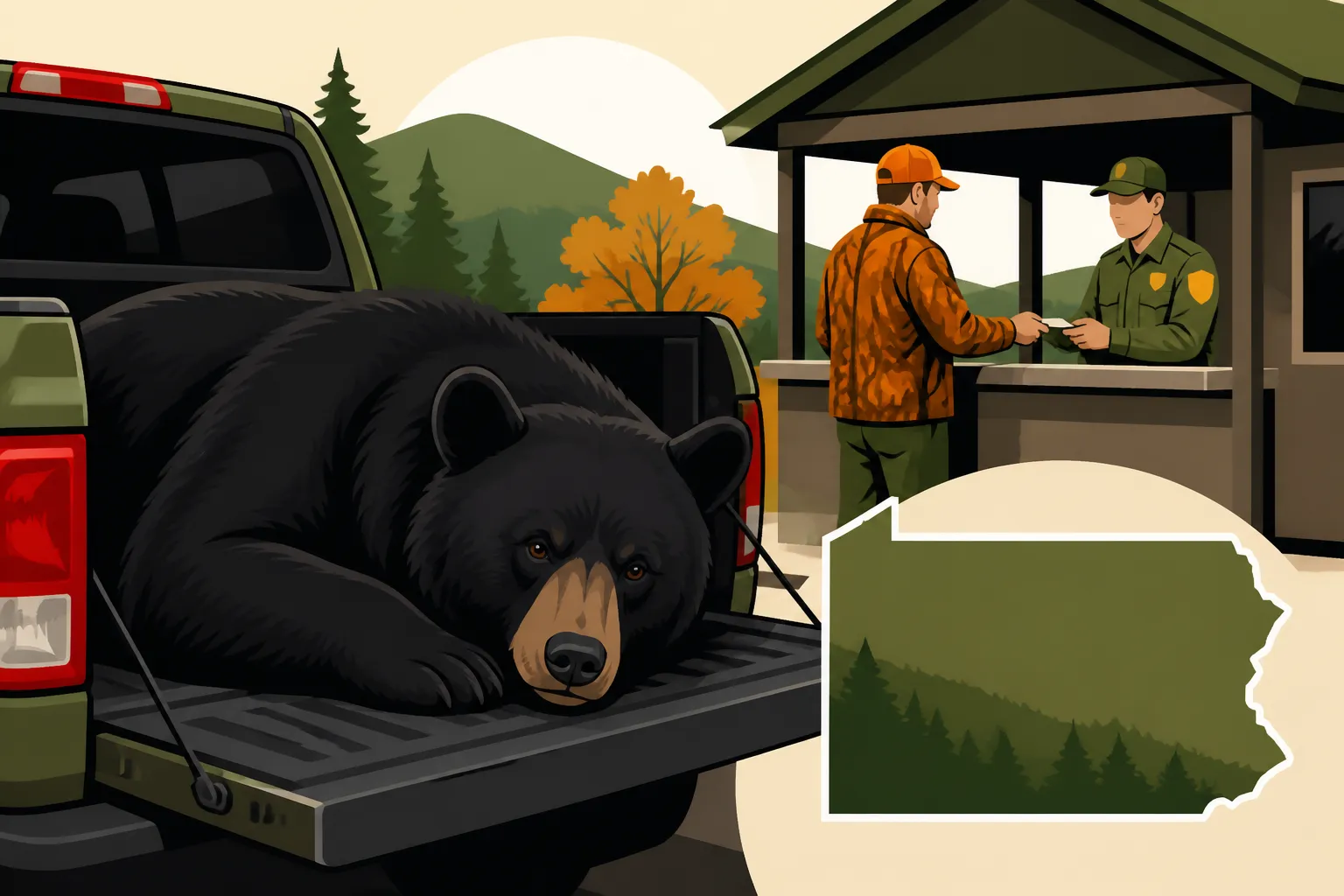
When you pull into a PGC bear check station, you'll usually be greeted by friendly, professional wildlife conservation officers (WCOs) and other PGC staff. They are there to congratulate you, collect vital data, and ensure all regulations have been followed. The process is straightforward but thorough. They will verify your hunting license and bear license and inspect the initial ear tag you placed on the bear.
The PGC staff will then collect various data points. This typically includes:
- Weight: Your bear will be weighed, often using a large scale, to record its live weight. This data is crucial for understanding the overall health and size trends of the bear population.
- Sex: The sex of the bear will be verified.
- Age: Perhaps one of the most interesting aspects for hunters, PGC staff will extract a small premolar tooth from the bear's jaw. This tooth contains rings, similar to tree rings, which can be analyzed later to determine the bear's exact age. This provides invaluable information on the age structure of the bear population and helps inform future hunting regulations, contributing directly to the Pennsylvania Bear Harvest Trends.
- Biological Samples: Depending on current wildlife health monitoring needs, PGC staff may take other biological samples, such as hair, tissue, or fat, for disease monitoring or genetic studies. This is especially important for understanding issues related to Pennsylvania Wildlife Disease Monitoring, such as sarcoptic mange or potential disease outbreaks.
Once all the data and samples are collected, the PGC will issue an official metal tag that you must attach to your bear. This tag serves as the final proof of a legally harvested and checked bear. The entire process might take anywhere from 15 minutes to an hour, depending on the number of hunters ahead of you. It’s a great opportunity to ask questions, share your hunting story, and interact with the dedicated people who manage Pennsylvania's wildlife resources.
Here's a quick look at what to bring and expect:
| Item/Action | Description | Importance |
|---|---|---|
| Hunting License & Bear License | Physical licenses or digital proofs. | Legal requirement for harvest validation. |
| Photo ID | Driver's license or other valid identification. | Verification of hunter identity. |
| Field-Dressed Bear | Carcass with entrails removed, initial ear tag attached. | Essential for data collection (weight, sex, age). |
| Clean Tarps/Bags | To keep your vehicle clean and contain any fluids. | Hygiene and respectful transport. |
| Cooler with Ice (Optional) | If temperatures are warm, to maintain meat quality during transport. | Preserves meat, especially important for early season hunts. |
| Patience & Good Attitude | Expect some waiting, especially on opening day. | Makes the experience better for everyone. |
| Questions for PGC Staff | Feel free to ask about the bear's health, local population, or regulations. | Learn more about wildlife management and your specific bear. |
| Official PGC Tag | Issued at the station to be attached to the bear. | Final legal proof of harvest; do not remove until processing is complete. |
Essential Tips and Regulations for a Smooth Check-In
Navigating the rules and preparing adequately can make a world of difference when it comes to checking in your bear. Pennsylvania has specific regulations designed to ensure compliance and support sound wildlife management.
Understanding Pennsylvania Bear Regulations
Before you even step foot in the woods, it's paramount to be intimately familiar with the Pennsylvania Game Commission's regulations regarding bear hunting. This includes understanding the specific season dates for your chosen WMU, legal shooting hours, and method-specific rules – whether you're using archery equipment as covered in Bowhunting Pennsylvania's October Archery Season, or a firearm during the general season. Critically, know the precise tagging requirements: where on the bear the tag must be attached, and how soon after the harvest you need to apply it. Failure to comply with these rules can result in fines and the loss of your bear.
Regulations also dictate how you can transport the bear. For instance, while you can bone out a bear in the field to ease transport, the head, with the tag still attached, must be presented at the check station. The hide, too, should be preserved if you plan to keep it. Always refer to the most current Pennsylvania Hunting & Trapping Digest or the PGC website for the latest regulations. Ignorance of the law is not an excuse, and staying informed is a fundamental responsibility of every hunter. A good planning tool like GoHunt can help you quickly reference these regulations right from your phone while afield, potentially saving you a headache later.
Preparing for a Successful Check Station Visit
Think of your trip to the check station as the final, formal step of your hunt. Being prepared will make it go smoothly. Ensure you have your hunting license, bear license, and photo identification readily available. The bear itself should be as accessible as possible in your vehicle for the PGC staff to easily inspect, weigh, and take samples. If the bear is completely buried under gear, it will just create more work for everyone.
Have a realistic understanding of the time commitment. During peak periods, especially opening day of the firearms season, check stations can be very busy. You might encounter a line of other successful hunters, so factor in potential wait times. This is another area where planning with a resource like GoHunt can help you scout routes and estimate travel times. Be patient, respect the staff, and enjoy the camaraderie with other hunters. This is a celebratory moment, even if it's a bit of a logistical challenge. It's also an excellent opportunity to learn more about the bear population in your specific area, directly from the experts who monitor the health and dynamics of Pennsylvania's impressive black bear population.
Disclaimer
Please note that hunting regulations, season dates, and check station locations can change annually. Always consult the most current Pennsylvania Hunting & Trapping Digest and the official Pennsylvania Game Commission website for the latest and most accurate information before heading afield. This guide is for informational purposes only and does not supersede official regulations.