Which WMUs Open Archery in September
That familiar itch to get into the woods, to feel the cool morning air on your face and hear the rustle of leaves underfoot, often starts long before the general archery season opens here in Pennsylvania. It's frustrating when you're ready, but the calendar isn't quite cooperating. Thankfully, for some areas, the wait isn't as long! This guide is all about cutting through the confusion and pinpointing exactly which Wildlife Management Units (WMUs) kick off their archery deer season early, letting you chase whitetails in September.
Navigating Pennsylvania's Diverse Deer Archery Seasons
Pennsylvania is a big, beautiful state, and one size doesn't fit all when it comes to managing our deer herd. While many hunters are accustomed to the statewide archery opener in early October, the Pennsylvania Game Commission (PGC) has implemented a staggered approach for certain areas. This isn't just to keep us on our toes; it's a strategic move born from necessity.
The Standard Statewide Opener: A Familiar Routine
For the vast majority of Pennsylvania, the archery season traditionally opens on the first Saturday of October. This timing often coincides with cooler weather, the beginnings of the pre-rut, and the dropping of prime mast crops like acorns, making it a highly anticipated time for many archers. This is where most of us cut our teeth, learning to hunt the changing leaves and crisp mornings. It's a system that has been in place for a long time, and for many, it defines the start of fall hunting. We prepare our bows, hone our shooting skills, and meticulously scout our favorite big woods or farm country spots, all in anticipation of that familiar October date.
Why Some WMUs Break Tradition: Understanding the 'Why'
So, why the deviation? Why do a select few WMUs get to open their archery season a few weeks earlier in September? The answer boils down to localized deer management challenges, primarily in areas with higher human population density and extensive suburban or urban landscapes. These WMUs, often characterized by fragmented habitats, smaller woodlots, and abundant residential areas, face unique issues:
- Deer Overpopulation: In some suburban and urban WMUs, deer populations can become excessively high, leading to increased conflicts with humans, such as deer-vehicle collisions, extensive property damage to landscaping and gardens, and a higher risk of disease transmission. The PGC uses an extended season as one tool to help manage these localized populations more effectively.
- Reduced Hunting Pressure: Traditional hunting methods, like large deer drives or expansive still-hunting, are often not feasible in these more developed areas due to safety zones, property boundaries, and limited access. Archery hunting, with its shorter range and quieter nature, is often the most practical and acceptable method for population control in these environments. An earlier start provides more opportunity and spreads out hunter effort, which can be crucial in areas where access might be difficult to secure or limited.
- Public Safety Concerns: Managing deer numbers in areas close to human habitation is also a matter of public safety. Reducing the deer population helps mitigate the risk of Lyme disease, which is prevalent in Pennsylvania, and lowers the chance of dangerous deer encounters on roads or in residential yards.
Understanding these reasons helps clarify why the PGC makes these distinctions. It's not about giving some hunters an unfair advantage, but rather about implementing targeted strategies for specific local needs. For a deeper dive into the overall regulations, you can read more about Pennsylvania Deer Seasons and WMU Rules.
The Exclusive September Archery Opener WMUs
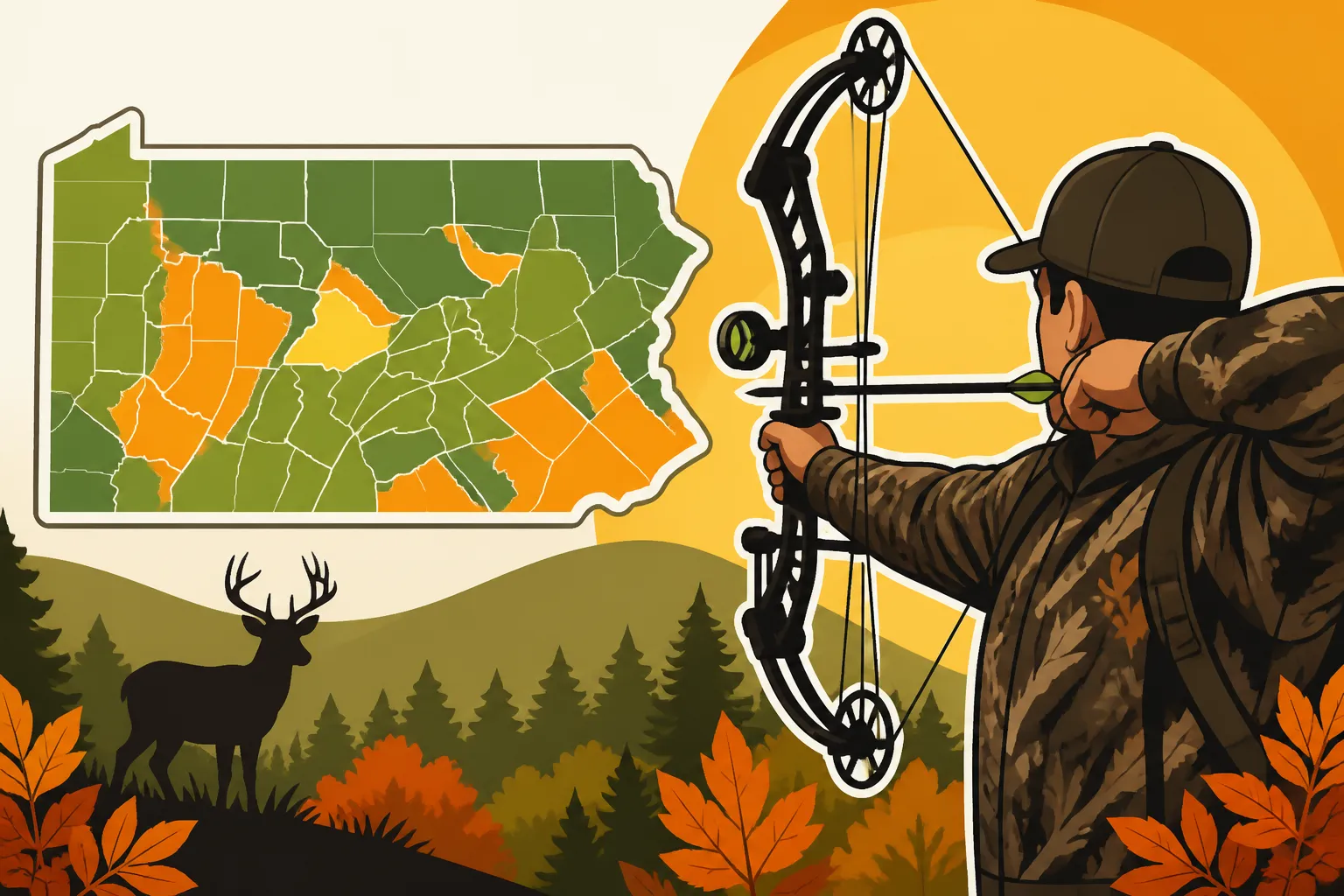
Alright, let's get down to brass tacks. Which WMUs actually get to open their archery season in September? For the current season, three specific Wildlife Management Units offer an earlier archery opener, usually kicking off in the third week of September. These WMUs are concentrated in highly developed or densely populated areas where deer management presents unique challenges and opportunities.
WMU 2B: Urban Challenges and Early Opportunities
WMU 2B encompasses much of the suburban and urban landscape around Pittsburgh. This area, with its rolling hills, numerous small woodlots, and extensive residential development, is a prime example of where deer populations can thrive close to human communities. The early opener here is a direct response to the need for more intensive deer management.
Hunting in WMU 2B means navigating a mosaic of private properties, small patches of public land, and strict safety zones. You're less likely to find vast expanses of uninterrupted forest and more likely to encounter deer moving between residential backyards, industrial parks, and small timber stands. This unique environment demands a different approach than the "big woods" hunting many Pennsylvanians are used to. Hunters often rely on smaller tracts, securing permission from landowners, and focusing on pinch points and travel corridors that deer use to move between bedding and feeding areas, often right under people's noses. The earlier season helps spread out hunting pressure and provides a longer window to address population goals in this complex landscape.
WMU 5C: Suburban Sprawl and Deer Management
Heading east, WMU 5C covers a large portion of southeastern Pennsylvania, including areas around Harrisburg, Reading, and Allentown. This WMU is characterized by significant agricultural lands mixed with rapidly expanding suburban developments. The deer here are accustomed to human presence, often feeding in agricultural fields and bedding in small woodlots or even overgrown residential areas.
The early September opener in WMU 5C is crucial for managing a robust deer population that often causes agricultural damage and poses risks in densely populated areas. Hunters in 5C often find success by focusing on the edges of agricultural fields, small creek bottoms, and thick cover that borders suburban housing developments. Access to private land is often key, and building relationships with landowners can unlock prime hunting opportunities. The longer season provides flexibility for hunters, especially given the typically warmer September weather, allowing for morning or evening hunts when conditions might be more favorable. This management strategy helps alleviate some of the pressure on suburban environments, while offering ample opportunity for hunters.
WMU 5D: The Deep Southeast's Unique Landscape
Further southeast, WMU 5D is Pennsylvania's most urbanized WMU, including much of Philadelphia and its immediate suburbs. This area has very limited traditional hunting grounds, consisting primarily of small, isolated woodlots, parklands (where hunting is sometimes permitted under strict rules), and extremely dense residential and commercial development. Deer in WMU 5D are true urban survivors, masters of navigating concrete jungles and finding sustenance in unexpected places.
The early opener in WMU 5D is perhaps the most critical for deer management. With minimal natural predators and an abundance of landscaped food sources, deer populations can quickly spiral without human intervention. Hunting here is a highly localized and specialized endeavor. It often involves securing permission on small, overlooked parcels, or participating in specific managed hunts in designated areas. The early season is essential for providing enough hunting opportunity to control deer numbers in an environment where traditional hunting is virtually impossible. For those who embrace the challenge, it offers a truly unique hunting experience, often requiring meticulous scouting and careful, precise shots in extremely confined spaces. This is where tools like GoHunt can be invaluable for pinpointing property lines and understanding access, especially on smaller, fragmented parcels of land. If you're considering this kind of hunting, check out our guide on Suburban Deer Hunting in Southeast Pennsylvania for more insights.
The Current Official Dates for These Early WMUs
For the most up-to-date information, it’s always best to check the Pennsylvania Game Commission’s official digest, but typically, for WMUs 2B, 5C, and 5D, the archery deer season opens on the third Saturday of September. The season then continues uninterrupted through the statewide archery season until the second Saturday of November. This provides a significant two-to-three-week head start compared to the rest of the state.
Here’s a quick overview:
| WMU | General Location (Major Cities) | Typical September Opener | Primary Purpose of Early Opener | Challenges for Hunters |
|---|---|---|---|---|
| 2B | Pittsburgh suburbs | 3rd Saturday of September | Population control in suburban areas | Fragmented habitat, private land access, safety zones |
| 5C | Harrisburg, Reading, Allentown suburbs | 3rd Saturday of September | Managing high populations in mixed agricultural/suburban settings | Balancing farm access and suburban pressure |
| 5D | Philadelphia suburbs | 3rd Saturday of September | Intensive management in highly urbanized environments | Very limited access, extreme density, highly localized spots |
Please remember that these dates can sometimes shift slightly from year to year, so always consult the current year's official Pennsylvania Hunting & Trapping Digest or the PGC website before planning your hunt.
Strategic Considerations for Early September Archery
Hunting in early September in Pennsylvania is a different beast than the crisp, rut-fueled days of November. The woods are still thick, the temperatures can be stifling, and deer behavior is largely dictated by food and comfort. Successfully hunting these early WMUs requires a nuanced approach, understanding these unique conditions.
Weather Woes: Battling Heat and Humidity
September in Pennsylvania can be notoriously warm, often feeling more like late summer than early fall. Temperatures can easily soar into the 80s, sometimes even pushing 90 degrees Fahrenheit, especially during midday. Humidity levels can be equally oppressive. This heat presents several challenges:
- Hunter Comfort and Endurance: Sitting for long periods in a treestand or ground blind in hot, humid weather can be physically draining. Dehydration is a real risk. You need to dress in lightweight, breathable layers and carry plenty of water. Planning shorter hunts, focusing on the first few hours of daylight and the last few hours before dark, becomes crucial.
- Deer Movement: Whitetails are incredibly sensitive to heat. Their activity will largely be concentrated during the coolest parts of the day – dawn and dusk. Midday movement will be minimal, as deer seek out thick, shady bedding areas, often near water sources. Hunting during these cooler periods, or even opting for an afternoon hunt once the heat begins to break, will be more productive.
- Meat Care: This is perhaps the biggest concern. A deer taken in warm weather can spoil rapidly if not processed quickly. You need a solid plan for immediate field dressing, rapid cooling, and transport. This might mean having a cooler full of ice in your vehicle, knowing the location of a nearby processor, or being prepared to quarter the animal in the field. Don't underestimate this challenge; it's heartbreaking to lose venison due to poor warm-weather handling.
Deer Behavior: Patterns in the Pre-Rut
In early September, bucks are still largely in their bachelor groups, and the full-blown rut is weeks away. Their primary drivers are food, water, and security. They're trying to put on as much weight as possible before the breeding season depletes their reserves.
- Predictable Patterns: Deer are often on very predictable patterns, moving between consistent bedding areas and primary food sources. This predictability can be a huge advantage for observant hunters. Look for well-used trails leading from thick cover to feeding areas.
- Bachelor Groups: Seeing a group of bucks together is common. This can be exciting, but remember that breaking up these groups and getting a shot at a specific buck can be tricky. They often move as a unit.
- No Rut Action: Forget rattling or grunting for now. Calls are generally ineffective this early in the season, as bucks aren't yet thinking about breeding. Focus instead on stealth, scent control, and intercepting deer on their natural feeding and bedding routines.
Food Sources: Early Season Buffet Options
Early September deer are calorie-loading, and their diet reflects what's available and most nutritious.
- Soft Mast: Blackberries, raspberries, apples, and wild grapes are often ripe and highly attractive. If you can find a patch of these in a secluded area, especially near good bedding cover, you've found a hotspot.
- Agricultural Fields: Standing corn, soybeans, and alfalfa fields are absolute magnets. Deer will feed in these fields, often entering just before dark and staying well into the night. Hunting the edges or entry/exit points of these fields can be very effective. Remember, when hunting a standing cornfield in farm country, safety zones and permission are paramount.
- Limited Hard Mast: While acorns are the holy grail of fall deer food, in early September, only the earliest varieties might be dropping. Don't bank on a widespread acorn crop just yet. However, if you find white oaks dropping, those spots will be prime. After the acorn crop fails later in the season, deer shift their focus, but in September, acorns are just starting.
Scent Control: Your Most Critical Weapon
With warm temperatures, minimal wind, and dense foliage, scent control is paramount. A deer's nose is its primary defense, and in early season, without the distraction of rut-driven behavior, they're even more attuned to it.
- Strict Regimen: A thorough scent-control regimen is non-negotiable. This includes showering with scent-free soap, washing hunting clothes in scent-free detergent, and storing them in airtight bags or containers.
- Field Application: Using scent-eliminating sprays or powders before heading into your stand can also help, though they're not a substitute for a clean base layer.
- Wind Awareness: Always play the wind. Even with the best scent control, a direct breeze carrying your odor to a deer's nose will bust you. Check wind conditions rigorously with a mapping tool like GoHunt before every hunt and plan your approach and stand location accordingly. If the wind isn't right for your chosen spot, move. This is especially true on smaller, more pressured tracts, where Scent Control on Small Pennsylvania Tracts can make or break your hunt.
Public vs. Private Land: Navigating Access
In WMUs 2B, 5C, and 5D, private land often holds the most promise due to the fragmented nature of the habitat and the density of deer. However, public land opportunities do exist.
- Private Land Permission: Securing permission from landowners is often the golden ticket. This involves respectfully knocking on doors, explaining your intentions, and being a good steward of their property. Many landowners, especially in suburban areas, are eager for deer control but are wary of hunters. Building trust is key. Our guide on Knocking on Doors in Pennsylvania Farm Country offers valuable tips.
- Public Land Challenges: While there are State Game Lands and other public tracts, they are often smaller and can receive significant pressure, even in September. Be prepared to walk further, use stealth, and find overlooked pockets of cover. Utilize digital mapping tools, like GoHunt, to identify property boundaries, access points, and potential bedding areas on public lands. Scouting Pennsylvania Public Land Before Season is always a good idea, but especially crucial in these areas.
Essential Preparations for a Successful Early Hunt
With the unique challenges and opportunities of an early September archery opener, your preparations need to be specifically tailored. This isn't just about grabbing your bow; it's about a strategic approach that maximizes your chances of success.
Scouting Early Season Hotspots
Your scouting efforts for September should differ significantly from what you'd do for the rut. Focus intensely on food sources, water, and bedding areas, and how deer travel between them.
- Trail Cameras are Key: Deploy trail cameras on food plots, agricultural field edges, and natural travel corridors that connect bedding areas to feeding grounds. Pay attention to the time stamps on photos – deer movement will be highest in the low-light hours. Look for patterns in their travel routes and timing.
- Focus on Water: With the heat, water sources become critical. Small creeks, seeps, or even puddles in secluded areas can be deer magnets. Look for tracks and sign around these spots.
- Observe Feeding Habits: Early morning and late evening observations from a distance, using good binoculars, can reveal where deer are entering and exiting fields, what they're feeding on, and their general direction of travel.
- Mapping Tools: This is where modern technology really shines. Use a mapping app, like GoHunt, to identify thick cover, potential food sources (like orchards or old farm fields with fruit trees), and access routes that minimize disturbing deer. The ability to mark waypoints for fresh sign, rubs (even early ones), and potential stand locations is invaluable. Reading Aerial Photos for Big Woods Deer can help you identify these features even in less developed sections of these WMUs.
Gear Adjustments for Warm Weather
Forget the heavy insulation you'll need in November. Early September demands a lighter, more breathable setup.
- Lightweight Clothing: Opt for moisture-wicking base layers and lightweight outer garments in camouflage patterns. Avoid cotton, which absorbs sweat and holds odor. Consider clothing with built-in insect repellent, as ticks and mosquitoes are still very active.
- Thermacell/Insect Repellent: Do not underestimate the biting insects. A Thermacell unit can be a lifesaver in a treestand, creating a bug-free zone. Otherwise, use a reliable insect repellent, ensuring it's scent-free if applied to clothing.
- Water and Hydration: Carry more water than you think you'll need. Electrolyte packets can also be beneficial. Consider a hydration pack for easy access to fluids without excessive movement.
- Coolers and Game Bags: As mentioned, a plan for immediate meat care is vital. Have a large cooler pre-packed with ice in your vehicle. Game bags can help protect the meat from flies and dirt during transport from the kill site to your cooler.
- Bow Setups: Ensure your Bow Setups for Pennsylvania Whitetails are tuned and ready. Practice shooting in the clothes you'll be wearing, as lightweight layers can still snag a string if not properly fitted.
Understanding Local Regulations and Antler Restrictions
While the early opener is a key difference, other regulations specific to these WMUs might also apply.
- Antler Restrictions: Pay close attention to the antler restrictions for WMUs 2B, 5C, and 5D. While many WMUs have a 3-points-on-one-side rule, some of these highly developed WMUs might have different or no antler restrictions for bucks due to the intensive management goals. Always verify the current rules in the digest.
- Safety Zones: Hunting in areas with residential properties means being acutely aware of safety zones (150 yards around occupied buildings when using a bow). These zones are critical and often define where you can and cannot safely hunt. Knowing your boundaries precisely, often with the help of a GPS or mapping app, is essential.
- Tagging and Reporting: Familiarize yourself with Pennsylvania's deer tagging requirements and harvest reporting procedures. Even with an early season, the rules for validating your tag and reporting your kill remain the same.
Hunter Safety in More Populated Areas
Hunting closer to human development brings additional safety considerations beyond typical wilderness concerns.
- Backstop Awareness: Always be aware of your backdrop. Ensure that any shot you take has a safe, clear backstop that will stop your arrow and prevent it from traveling into unsafe areas. This is especially crucial in smaller woodlots or near property lines.
- Communication with Landowners: If hunting private land, maintain open communication with the landowner. Let them know when you'll be hunting and where.
- Visibility (Optional Orange): While not typically required for archery hunters (except during specific firearm overlap seasons), wearing some blaze orange when entering or exiting a stand, or when walking through areas with non-hunters, can be a good safety measure, especially in more populated WMUs.
- Awareness of Non-Hunters: You're more likely to encounter dog walkers, hikers, or mountain bikers in these areas. Be respectful, visible if appropriate, and always represent hunters in a positive light.
By carefully considering these aspects, you can significantly increase your chances of a successful and safe early archery hunt in Pennsylvania's unique September opener WMUs.
Disclaimer
Please remember that hunting regulations can change. While this guide provides current and general information, always consult the official Pennsylvania Game Commission's Hunting & Trapping Digest for the most up-to-date and specific regulations for the current hunting season before heading afield. It is every hunter's responsibility to know and follow all applicable laws.