Breaking Up a Fall Turkey Flock
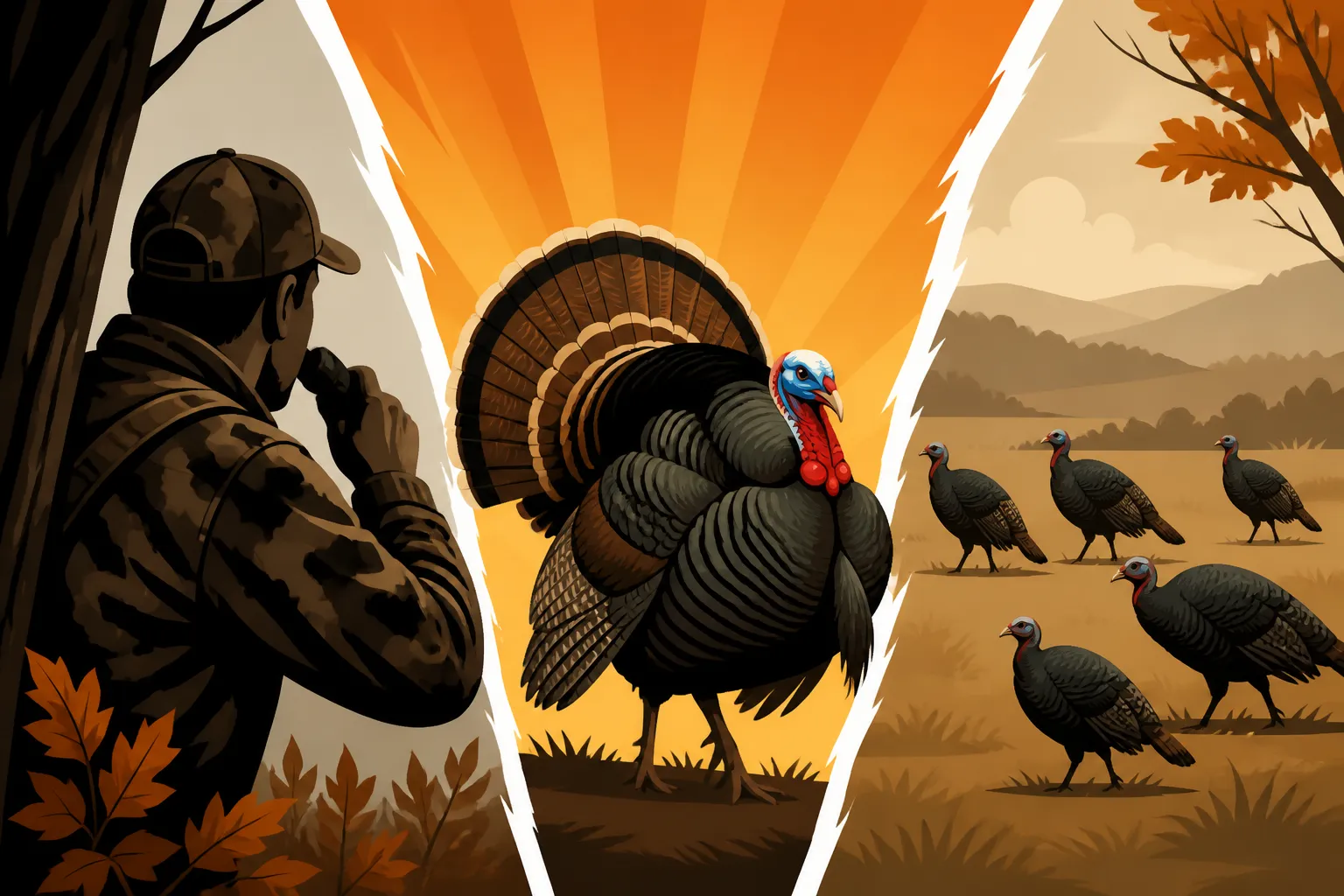
There's nothing quite like the sight of a big, noisy flock of fall turkeys, especially when you've been working hard to find them. But that initial excitement can quickly turn to frustration when you realize how tough it is to get a clean shot at a wary, tightly knit group of birds. They move as one, their many eyes and ears make them incredibly difficult to approach, and they seem to melt into the timber the moment they sense danger. This guide is all about overcoming that challenge, diving deep into the time-honored strategy of breaking up a fall turkey flock and then calling those scattered birds back to your setup for a shot.
Why Breaking Up a Fall Turkey Flock is Your Best Bet
Unlike the spring, when a lovesick gobbler might come charging into a hen call, fall turkeys are all about their social structure. They're usually in larger family groups – hens and their poults, or sometimes bachelor groups of gobblers – and they stick together for safety and foraging efficiency. Trying to call a tight flock into range with a simple yelp usually just makes them warier, or they might just continue on their way, ignoring you completely. They don't need company; they already have it.
The genius of breaking up a fall flock lies in triggering their innate instinct to reassemble. When you intentionally bust them up, especially the young birds, they become disoriented and alone. Suddenly, their natural drive for security and companionship kicks in, and they start looking for their lost flock mates. This is where your calling comes into play, mimicking those lost calls to draw them back in. It’s a completely different game from spring hunting, requiring a more aggressive initial tactic to create the scenario that then allows for effective calling. It turns a seemingly impossible situation into a strategic chess match where you hold the advantage.
Locating and Approaching the Fall Flock
Before you can break up a flock, you have to find them, and in Pennsylvania's vast woodlands or sprawling farm country, that's often half the battle. Fall turkeys aren't as vocal as spring gobblers, but they're still chatty enough if you know what to listen for.
Scouting for Fall Turkey Sign
Start by focusing your scouting efforts on prime fall habitat. Turkeys are constantly looking for food, so concentrate on areas with mast crops like acorns, beechnuts, or even wild grapes. Fields, especially cut corn or soybean fields, are also major attractants for a morning or evening forage. Don't overlook creek bottoms or areas with thick cover for roosting. Look for fresh droppings, scratch marks in the leaves, and dusting bowls. A good mapping application, like GoHunt, can be incredibly useful here, allowing you to pinpoint potential food sources, thick cover, and terrain features that turkeys might use.
During the season, listen for the tell-tale sounds of a flock. Their distinctive "clucks" and "putts" as they feed, the excited "kee-kee" runs of young poults trying to keep up, or even the subtle sounds of scratching leaves can give them away. Sometimes, you'll hear them yelping or clucking from the roost at dawn or dusk. If you're out Fall Turkey Tactics in the Big Woods, pay attention to mature oak stands on ridges, while if you're engaged in Turkey Tactics for Farm Country Edges, focus on the borders of agricultural fields and woodlots.
The Stealthy Approach
Once you've located a flock, the approach is critical. You want to get as close as possible without being detected, aiming to be within 50-75 yards if the terrain allows. Use all available cover – ridges, thickets, ditches, and large trees – to conceal your movement. Move slowly, deliberately, and always pay attention to the wind, as turkeys have an excellent sense of smell, though sight and hearing are their primary defenses. If you're on public land, remember that Hunting Pressure on Pennsylvania Game Lands can make birds extra skittish, so move with even greater caution.
Try to identify the flock's general direction of travel and get ahead of them or position yourself to intersect their path. You're not trying to sneak in for a shot at this stage; you're setting the stage for the scatter. This might mean a long, circuitous route to get into position, so patience is key. Think like a predator, silently stalking your prey.
The Scatter: Executing the Break and Immediate Aftermath
This is the moment of truth, the heart of the fall turkey hunting strategy. The scatter needs to be decisive, aggressive, and well-executed to be effective.
Charging the Flock
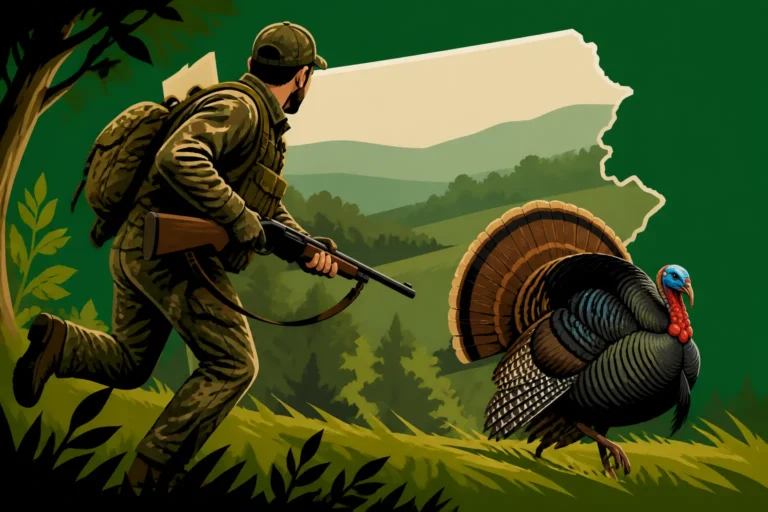
Once you're within range, typically 40-75 yards, and have a clear line of attack, it's time to unleash chaos. Don't be timid. Stand up, run directly at the flock, yelling, waving your arms, and making as much noise as possible. The goal is to send every bird flying or running in a different direction. You want pure pandemonium. The more scattered and disoriented they are, the better your chances of calling them back.
Imagine you've located a flock feeding casually in a mixed oak flat. You've slowly, carefully stalked within 60 yards, using a slight rise in the terrain for cover. You take a deep breath, pick a spot in the middle of the flock, and burst out of cover, shouting "Haaaa! Go! Go! Go!" as you charge. Birds will explode in all directions, some flying low, others running through the underbrush. Watch where as many birds as possible go, noting general directions if you can. This information will be invaluable for your setup.
Immediate Setup After the Break
As soon as the last bird is out of sight, stop, drop, and disappear. This isn't the time to admire your work or catch your breath. You need to quickly find a place to sit, ideally against a large tree that breaks up your silhouette and offers a good field of view, particularly in the direction you expect birds to return from. You want to be hidden but have the ability to raise your shotgun or bow for a shot. For a good example of how to set up, refer to tips on Setting Up Against a Big Oak.
Once you're settled, remain absolutely still and listen. The woods will likely be quiet for a few minutes, save for the thumping of your own heart. But soon, you'll start to hear those frantic, lonely calls. Young birds will often emit a "kee-kee" run – a series of high-pitched whistles – indicating they're lost and trying to locate the flock. Hens will often use a series of soft, anxious clucks or yelps. These are the sounds that tell you the scatter worked, and the birds are ready to be called back. This waiting period requires immense patience; resist the urge to call immediately. Give them a few minutes to feel truly alone and desperate.
Calling Them Back: Reassembling the Dispersed Birds
Now that the flock is scattered and disoriented, your calling skills come into play. This is where you leverage their need for security and companionship.
Understanding Fall Turkey Calls
In the fall, the most effective calls mimic those of a lost bird trying to find its flock.
- Kee-Kee Run: This is often the most productive call, especially for drawing in young-of-the-year poults. It's a series of high-pitched whistles, sometimes followed by a soft yelp or cluck. It sounds exactly like a lost young turkey.
- Lost Yelp: A string of yelps, often a bit more urgent or pleading than typical feeding yelps. This call mimics a lost hen or older poult.
- Assembly Yelp: A series of loud, long-range yelps, designed by a dominant hen to gather her scattered brood. Use this cautiously, as it can sometimes make birds come in too hot and fast, or hang up if they perceive you as too dominant.
- Soft Clucks and Putts: These are reassurance calls, often used as birds get closer. They can also be used subtly to get a distant bird to respond initially.
When deciding which call to use, listen to what the turkeys are doing. If you hear kee-kees, respond with kee-kees. If you hear yelps, answer with yelps. Match their urgency. You might start with softer calls and increase volume and intensity if you're not getting a response. Just like when you're Calling a Pennsylvania Gobbler Off the Roost in the spring, observation and adaptation are key.
Strategic Calling and Setup
After a few minutes of listening to the initial lost calls, slowly begin your calling sequence. Start soft, mimicking a lonely kee-kee run on a mouth call or a slate call. Wait for a response. If a bird answers, try to gauge its direction and distance. If you're getting responses from multiple directions, pick one and focus on it, as trying to call in two birds from opposite directions is a recipe for getting busted.
Position yourself strategically. If possible, set up so approaching birds will have to cross an open area to get to you. Remember, they're looking for other turkeys, so you want to be where they expect to see their flock mates. This is where a detailed mapping application like GoHunt can help you understand the topography and plan your setup. Some hunters even incorporate a single decoy, though often a fall scatter is so effective that decoys aren't strictly necessary for drawing birds in close. If you do use a decoy, consider how Decoy Placement for Pressured Birds might affect the setup.
Vary your calling. Don't call too frequently or too loudly initially. A few soft kee-kees, then silence for several minutes. Let the birds think they are doing the searching. If a bird is coming in, often it's best to go silent when it gets within 100 yards, letting its natural curiosity and desire to flock up bring it the rest of the way. If it hangs up, a very soft cluck or a purr might be all it takes to seal the deal. This is a game of immense patience, sometimes taking 30 minutes to an hour for birds to commit. However, sometimes they come running in within minutes. Understanding When Pennsylvania Gobblers Go Quiet can help you determine if it's time to adjust your strategy or simply wait longer.
Here's a quick reference for common fall turkey calls and their primary uses:
| Call Type | Sound Description | Primary Use | Notes |
|---|---|---|---|
| Kee-Kee Run | High-pitched whistles, often with soft yelps | Mimics lost young poults; highly effective for drawing in juvenile birds | Can be made with a mouth call or a slate call. Start soft. |
| Lost Yelp | Series of urgent, pleading yelps | Mimics a lost hen or older poult; good for adult birds | Can be louder than kee-kees, but vary intensity. |
| Assembly Yelp | Loud, long, consecutive yelps | Dominant hen trying to gather a scattered flock | Use sparingly; can be too aggressive and make birds wary or hang up. |
| Clucks & Putts | Soft, sharp, single notes | Reassurance, contentment, or alarm (putt). | Use soft clucks to finish birds or encourage them closer. Alarm putts mean game over. |
| Purr | Soft, rolling, purring sound | Contentment, close-range reassurance | Excellent for finishing birds the last few yards. |
Strategic Setups and Common Mistakes to Avoid
The art of breaking up a fall turkey flock isn't just about the scatter and the call; it's also about intelligent setup and avoiding common pitfalls.
Positioning for the Scatter
When you're approaching the flock, try to position yourself between the birds and any likely escape routes or preferred travel corridors. For example, if they're feeding in a flat and you know there's a steep ridge behind them that they typically use for escape or roosting, try to get between them and that ridge. This forces them to scatter in directions you might better anticipate or away from their immediate comfort zone, making them more disoriented.
Also, consider the terrain immediately after the scatter. Can you quickly get to a good setup spot? A large diameter tree, a thick brush pile, or a small rise that allows you to break your silhouette and have a good shooting lane. Remember, speed and silence are paramount right after the scatter. Hunters who are too slow to get set up often miss out on the immediate calling opportunities.
Setting Up for the Call
Once the birds are scattered and you've found your spot, focus on creating a comfortable, concealed position that offers good visibility. You don't want to be constantly shifting or craning your neck, as any movement will be easily spotted by sharp-eyed turkeys. Use the natural topography to your advantage. A rise, a thick evergreen, or even a fallen log can provide the concealment you need. Make sure your shotgun or bow is ready, and you can comfortably move it into position without making noise.
Think about the sun's position. Try to have it at your back or to your side, preventing it from silhouetting you or shining directly into your eyes. This is a subtle but important detail that can make a difference, especially during mid-day hunts. If you're finding good success with a Run-and-Gun Turkey Tactics on Game Lands approach, you'll find that quickly assessing and establishing a good, safe setup is a transferable skill here.
Common Mistakes to Avoid
- Calling Too Soon or Too Loudly: After the scatter, give the birds 5-10 minutes of absolute silence to truly feel lost. When you do start calling, begin softly. Over-calling or calling too loudly can alert birds to your presence or make them suspicious. They're looking for their flock, not a loud, aggressive stranger.
- Moving Too Soon: Turkeys have incredible eyesight. Even a slight head turn can be enough to spook an incoming bird. Once you're set up, commit to staying still. Wait for a clear shot, and only move when absolutely necessary.
- Not Giving Them Enough Time: Sometimes it can take an hour or more for a lost bird to commit to your calls. Don't pack up prematurely. If you're getting responses, even faint ones, stick with it. Patience often pays off big time in fall turkey hunting.
- Not Trusting the Scatter: Some hunters are hesitant to charge the flock, worrying they'll scare the birds away permanently. While sometimes a flock might be uncallable, the scatter is the most effective way to create a callable situation. Trust the process.
- Lack of Safety Awareness: When you're running and yelling, be mindful of your surroundings and any other hunters who might be in the area. Always identify your target positively before shooting. Consider wearing some amount of blaze orange (even if not legally required for fall turkeys in your specific zone) when moving, removing it once you're set up for the call, especially on crowded public lands. Always check the current Pennsylvania Fall Turkey Seasons by WMU for specific regulations.
Breaking up a fall turkey flock is a dynamic, exciting, and highly effective way to hunt Pennsylvania's wild turkeys. It requires scouting, stealth, aggressive action, and subtle calling, but the reward of bringing in a lost bird is incredibly satisfying.
Disclaimer
Please consult the latest Pennsylvania Game Commission regulations and local laws before hunting. Hunting is an activity that carries inherent risks, and safety should always be your top priority. Ensure you have proper licensing, hunter education, and permission to hunt on private land. This guide is for informational purposes only.