When Pennsylvania Gobblers Go Quiet
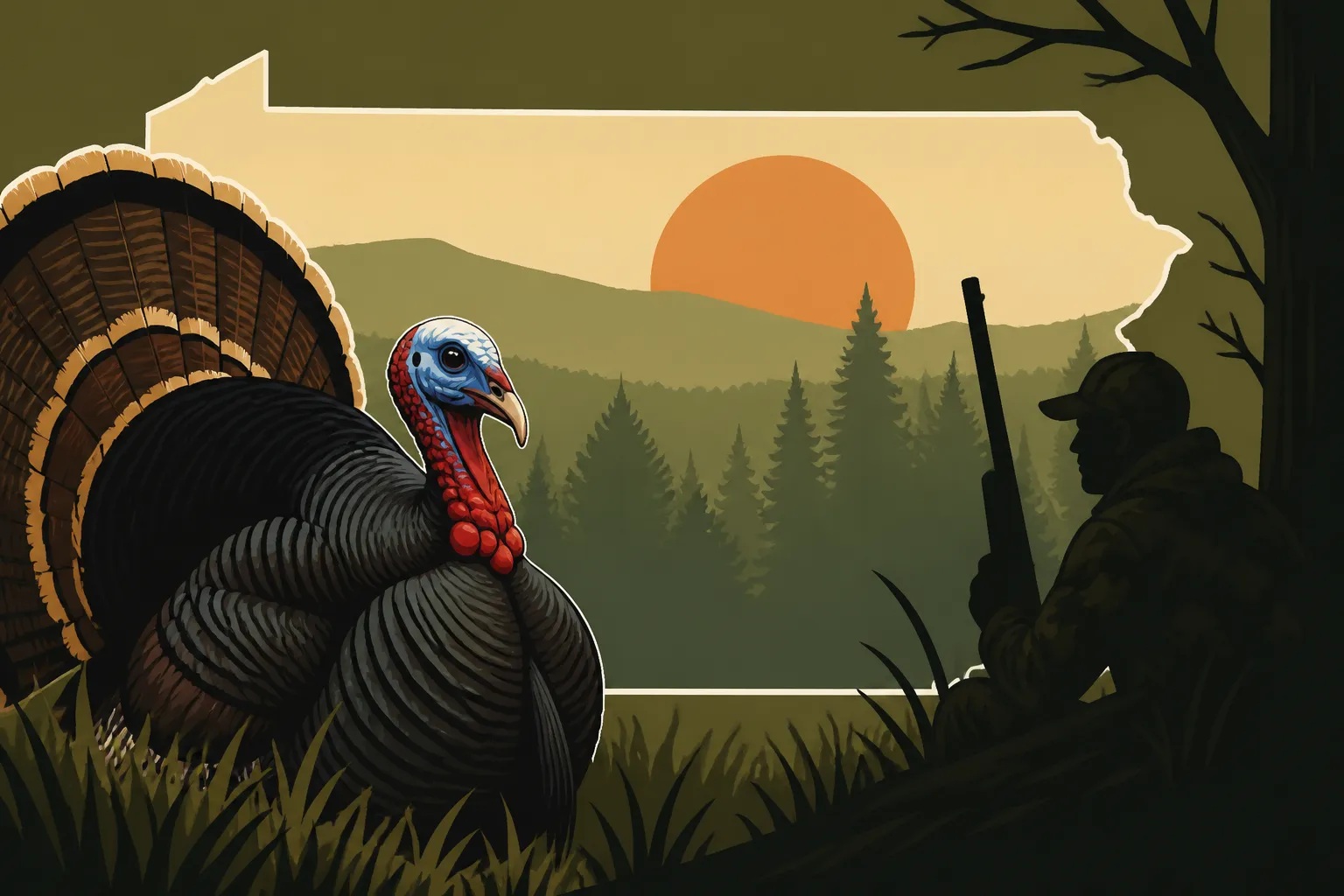
There's nothing quite like the hopeful silence of a pre-dawn Pennsylvania spring woods, waiting for that first booming gobble to break the stillness. But let's be honest, sometimes that gobble just… doesn't come. Or worse, the morning starts hot, full of excited birds, only for them to clam up completely by mid-morning. It's a frustrating, all-too-common scenario that can make you question everything you thought you knew about turkey hunting. This guide will dive deep into why Pennsylvania gobblers go quiet, when you can expect this behavior, and, most importantly, how you can adjust your tactics to put a longbeard in front of your calls, even when the woods seem utterly silent.
Understanding Why Gobblers Go Quiet
It’s easy to feel defeated when the birds suddenly shut down, but understanding the root causes of their silence can actually empower you to adapt. Gobblers aren't just being difficult; their behavior is driven by primal instincts, environmental factors, and, let's face it, our own hunting pressure.
Weather's Impact on Vocalization
Weather is a huge, often underestimated, factor in gobbler vocalization. Think about it:
- Rain and Wind: A drizzle or heavy rain can physically dampen sound, making gobblers less likely to call because their calls won't carry as far. Strong winds are even worse. Not only do they make it hard for sound to travel, but they also make it harder for turkeys to hear predators approaching, so they tend to be more cautious and less vocal. You'll notice birds often stay on the roost longer or move more silently on the ground during blustery days.
- Temperature Swings: Sudden cold snaps, especially after a period of warm weather, can put a damper on activity. Just like us, turkeys feel the chill. Conversely, extremely hot days, particularly later in the season, can make birds lethargic, reducing their urge to gobble as they conserve energy.
- Barometric Pressure: While harder to track, some seasoned hunters swear by barometric pressure changes. A rapidly dropping or rising barometer can sometimes correlate with less vocal activity, suggesting that turkeys, like many wild animals, can sense these atmospheric shifts and adjust their behavior accordingly.
Hunting Pressure and Gobbler Behavior
Pennsylvania has a lot of public hunting land, and with that comes hunting pressure. Birds, especially mature gobblers, aren't stupid. They quickly learn to associate human presence with danger, and a silent approach is a key defense mechanism.
- Educated Birds: If a gobbler has been called to, shot at, or simply bumped off the roost multiple times, he's going to become "call shy" or, more accurately, "hunter shy." He'll often gobble once or twice on the roost, then pitch down silently, hoping to meet up with hens without drawing attention to himself. He knows the jig is up when he hears persistent calling from the same spot day after day.
- Roost Pressure: Early season, prime roosting spots on public land can get hammered. Hunters scout hard to find where birds roost and then converge on those areas at first light. If a gobbler has been repeatedly pressured off a particular roost, he might abandon it or simply cease vocalizing there to avoid detection. This is where tools like GoHunt, with its mapping capabilities, can help you find less pressured pockets of public land or identify alternative roosting cover based on terrain and timber type.
- The Post-Opening Day Slump: The first week of spring gobbler season is often a frenzy of activity. Birds are hot, hunters are eager, and the woods are alive with gobbling. But by the second week, especially after a weekend of heavy pressure, many birds have been harvested, scattered, or simply educated. The remaining gobblers become much warier and less inclined to advertise their presence, leading to those frustratingly silent mornings.
Breeding Cycle Influence
The biological clock of a wild turkey is the primary driver of their vocalization, and it's not a static thing throughout the spring.
- Pre-Peak Excitement: Early in the season, when hens are just starting to come into estrus, gobblers are absolutely fired up. They're establishing dominance, vying for hens, and using their calls to attract mates. This is when you hear those glorious multiple gobbles per minute.
- Peak Breeding Activity: During the peak of breeding, often the first couple of weeks of May in many parts of Pennsylvania, many hens are receptive. Gobblers are busy breeding and often "henned up," meaning they're with a harem of hens. When they have hens physically present, they have less need to gobble to attract more. They might still gobble occasionally to announce their presence or to call in a straggler, but the incessant, aggressive calling usually subsides. This is a critical time when gobblers frequently go quiet mid-morning, as they might pitch down with hens and then just follow them silently.
- Post-Peak Lull: As the season progresses and hens begin to nest, they become less receptive. Gobblers, no longer constantly surrounded by hens, might become "lonely" and start to gobble more again, but it's often more sporadic. Or, if they've been pressured, they might remain quiet, cautiously searching for the few remaining receptive hens. This late-season behavior is where your understanding of Hunting Gobblers After Noon in Pennsylvania becomes crucial.
Understanding the Post-Peak Rut Lull
The "rut lull" for turkeys, or rather, the period after peak breeding when most hens are incubating eggs, is perhaps the most common time when gobblers become noticeably quieter. It's a phase that can test the patience of even the most seasoned hunter.
Shift in Hen Behavior
Hens are the key to a gobbler's world, and when their behavior changes, the gobbler's does too.
- Hens on Nests: Once hens have been bred and begin to lay and then incubate their clutches, they become solitary and silent. They spend most of their time on the nest, only leaving briefly to feed and water. This means gobblers are no longer waking up to a chorus of excited hen yelps and clucks. The motivation to gobble to gather hens simply isn't there in the same intense way.
- Fewer Responding Hens: When a gobbler does let out a challenging gobble, he might not get the immediate, enthusiastic replies from hens that he did earlier in the season. This lack of positive reinforcement can further reduce his inclination to call. If a gobbler perceives his efforts aren't yielding results, he'll switch tactics – typically, he'll start actively seeking hens rather than waiting for them to come to him.
Toms Seeking Hens, Not Calling Them
This is the big shift: instead of advertising their location, gobblers become seekers.
- Silent Roost Departures: Many gobblers will still gobble a few times on the roost at first light, but as soon as they pitch down, they might go completely silent. Their objective isn't to draw hens in from a distance; it's to quietly slip through the woods, hoping to stumble upon a hen that has left her nest, or one of the few later-nesting hens still looking for a mate. This makes Calling a Pennsylvania Gobbler Off the Roost a more delicate art, often requiring you to be very close.
- Covering Ground Silently: You'll find these quiet gobblers might be covering significant ground, often in areas of dense cover or along habitat edges, moving through timber or along field lines where they expect to encounter a hen. They might stop, strut for a bit, then move on. This is where Run-and-Gun Turkey Tactics on Game Lands often pays off, as you need to cover ground to find them. They aren't going to come to you from afar, so you have to go to them.
- Brief Gobbling Periods: Sometimes, a quiet gobbler might let out a single, unexpected gobble mid-morning or mid-day, almost as if testing the waters. He might be standing on a ridge, or at the edge of a field, just putting out an infrequent call to see if anything responds. These sporadic gobbles are your golden ticket – they tell you where he is, but you need to act fast and be ready to move in.
Mid-Morning Silence
The dreaded mid-morning lull is when many hunters throw in the towel. It's a prime example of the post-peak rut quiet period.
- Henned-Up Birds Pitching Down: If a gobbler was on the roost with hens, they will often all pitch down together. Once on the ground, the hens act as decoys, and the gobbler has no reason to gobble. He's got what he wants. They'll feed and meander throughout the morning, and he'll be right there with them. This is why many experienced hunters say, "The hens dictate the action."
- Seeking Shaded Areas: As the sun gets higher and the woods warm up, turkeys, especially gobblers, will often move to shadier, cooler areas, particularly if the weather is warm. This might be dense pine thickets, creek bottoms, or the north side of a ridge. These areas can dampen sound even further, contributing to the silence.
- Taking a Break: Sometimes, turkeys just take a break. They've been active since before dawn, and they'll settle down to preen, dust, or simply rest. This can lead to a period of complete silence that often breaks again in the early afternoon as they resume feeding or seeking.
Tactics for Silent Toms
Just because a gobbler isn't gobbling doesn't mean he's unhuntable. It just means you need to shift your strategy from being an "ambusher of vocal birds" to a "seeker of silent ones."
Becoming a Locator Hunter
When the woods are quiet, your ears become even more critical, but not just for gobblers.
- Listen for Ancillary Sounds: Listen for distant crow calls, hoot owls, or even train whistles. Turkeys often "shock gobble" to these loud, sudden noises, giving away their position. Carry a crow call, owl hooter, or even a hawk scream to try and elicit a shock gobble. This is often your best bet when birds aren't voluntarily sounding off.
- Listen for Turkey Talk: Even if a gobbler isn't gobbling, he might be clucking, yelping, or putting quietly to the hens he's with or searching for. Listen for the subtle sounds of hens yelping or clucking softly, or even the distinct thump-thump-thump of a drumming gobbler. This is often the only clue you'll get.
- Visual Cues: Sometimes your eyes are your best locator. Look for strutting gobblers in open fields or on logging roads. Scan distant ridge lines with your binoculars for any sign of movement. Sometimes you'll spot them long before you hear them. Using mapping systems like GoHunt, you can identify open patches, logging roads, and field edges where a gobbler might strut silently.
Aggressive Calling vs. Subtle Approaches
When birds are quiet, should you call loud or soft? It's a balance, and often depends on the specific situation and how much pressure the birds have seen.
- Soft and Subtle: If you suspect pressured birds, or if you're hunting smaller, more open private tracts, a subtle approach can be effective. Start with soft tree yelps and clucks on the roost. On the ground, use soft purrs, clucks, and occasional short yelps. The goal is to sound like a lonesome hen, not a challenging one. Sometimes, less is more, especially for a gobbler that's been run off by aggressive calling.
- Strategic Aggression: In bigger woods, or if you've covered a lot of ground silently and haven't heard a thing, an aggressive sequence can sometimes work to "wake up" a quiet tom. A series of loud, insistent yelps, cutts, and clucks might shock him into gobbling or pique his curiosity enough to come investigate. Just be prepared to get set up quickly, because if he responds, he might be coming in hot. Don't be afraid to try some more realistic hen yelps and cutts.
- Mixing It Up: Don't be afraid to switch calls. If your box call isn't working, try a slate, then a mouth call. Different tones and pitches can sometimes be the key to getting a silent gobbler to break. Remember, there's no single "magic call" that works every time.
Using Decoys Effectively
Decoys are an invaluable tool for silent gobblers, especially when they're henned up or just being wary.
- Confidence Boosters: A decoy can give a quiet gobbler the confidence to commit to your setup, even if he's not gobbling back. He sees a hen (or another gobbler) and decides to investigate. This is especially true when Decoy Placement for Pressured Birds is done correctly, mimicking natural behavior.
- Strategic Spreading: When hunting the post-peak lull, consider a jake and hen setup, or even multiple hens. A jake can sometimes draw in a dominant gobbler looking to assert his authority, even if he's not vocal. Multiple hens can make your setup look irresistible to a lonely longbeard.
- Motion Decoys: A subtle motion decoy, even just a fan on a stake, can add realism and catch the eye of a distant, silent gobbler. Movement, even slight, is often enough to draw attention when sound isn't working.
- Read the Terrain: Always place your decoys where they'll be visible from a distance but also where a gobbler can approach without seeing your setup until he's in range. This often means placing them on a slight rise or in a natural opening. Setting up a decoy can complement your ambush if you've already found a good spot, such as Setting Up Against a Big Oak.
Late Season Challenges and Adjustments
As the season winds down in late May, the challenges evolve, and so too must your approach to those increasingly silent gobblers. This is when persistence, patience, and good scouting really pay off.
Finding Residual Flocks
By late season, the breeding frenzy is largely over. Many hens are on nests, and gobblers might be fewer in number due to harvest.
- Bachelor Groups: Often, unbred gobblers, or those whose breeding efforts are done, will start to form small "bachelor groups" again. These groups are often much quieter, moving through the woods together. They might not gobble much, if at all, unless truly provoked or if they stumble upon a receptive hen. Finding these groups often requires more glassing and less calling.
- Looking for Stragglers: There are always a few late-nesting hens, and therefore, gobblers still interested in them. Focus your efforts on areas with good cover and food sources where these last few interactions might occur. Think thick creek bottoms, isolated ridges, or dense clearcuts.
- Focusing on Habitat: Late season is less about chasing the sound and more about finding the turkeys. Use mapping tools like GoHunt to identify areas of diverse habitat – where open woods meet thick cover, near water sources, or along old logging roads. These are natural travel corridors for birds, whether they're vocal or not. Hunting Pennsylvania Clearcuts and Regrowth can be particularly effective during this period.
Adapting to Sparse Food Sources
As spring progresses, the early flush of green vegetation can mature, and some food sources might become less appealing.
- Scouting for Greens: Turkeys are omnivores and will graze on new shoots, clovers, and insects. Look for areas with fresh green-up, especially in recently logged areas or along field edges. These can be magnets for silent birds.
- Bugging Areas: After rains, or in damp areas, turkeys will actively forage for insects, grubs, and worms. Creek bottoms, moist forest floors, and damp field edges become prime feeding grounds. These are good places to silently still-hunt or set up and wait.
- The Power of Patience: If you've located a likely feeding or strutting area that consistently holds birds, but they're quiet, sometimes the best tactic is to simply wait them out. Get there early, get comfortable, and be ready for a silent approach. This ties into the broader strategies for Hunting Pennsylvania's Big Woods for Deer where patience in good habitat is often rewarded.
The Art of the Patient Wait
This is perhaps the most difficult, yet often most effective, late-season tactic for silent gobblers.
- Comfort is Key: You're going to be sitting still for long periods. Ensure you have a comfortable seat, are well-camouflaged, and can remain motionless. A good ground blind or a comfortable backrest against a wide tree like a maple or a Setting Up Against a Big Oak will be your best friend.
- Strategic Calling Intervals: Don't overcall. If you're set up in a good spot, try calling every 15-20 minutes, or even longer. Use soft yelps, clucks, and purrs, mimicking a contented hen. The idea isn't to draw a gobbler in quickly, but to make him think there's a hen in the area he can quietly slip into.
- Being Prepared for a Silent Approach: Assume any gobbler that's coming in will do so silently. Constantly scan your surroundings, especially to your flanks and rear. A quiet longbeard can pop into view out of nowhere, often at closer range than you expect, because he's not gobbling to announce his arrival.
- Know When to Move: If you've given a spot a good hour or two and haven't heard or seen anything, it might be time to pack up and try another area. The late season often requires more mobility, moving from one potential hot spot to another until you strike gold.
Remember, a silent woods isn't a dead woods. It's just a challenge, one that Pennsylvania hunters face every year. By understanding the 'why' behind the silence and adjusting your 'how', you significantly increase your chances of tagging a late-season longbeard.
Here's a quick look at common reasons for gobbler silence and how to adapt:
| Factor | Reason for Silence | Best Adaptations |
|---|---|---|
| Weather | Rain, wind, cold snaps, high heat | Hunt sheltered areas, use shock calls, become highly mobile |
| Hunting Pressure | Educated birds, heavy roost pressure | Go deeper, use subtle calls, utilize decoys, scout new areas |
| Breeding Cycle | Hens on nests (post-peak), gobblers henned up | Scout for bachelor groups, still-hunt, patient waiting, locate travel corridors |
| Time of Day | Mid-morning lull, midday rest period | Focus on food/water sources, use softer calls, be patient |
Disclaimer
Please be aware that hunting regulations, seasons, and licensing requirements can change. Always consult the most current Pennsylvania Game Commission (PGC) Digest or their official website before heading afield. This guide is for informational purposes only and should not replace official regulations.