Cold Weather Sitting Strategy
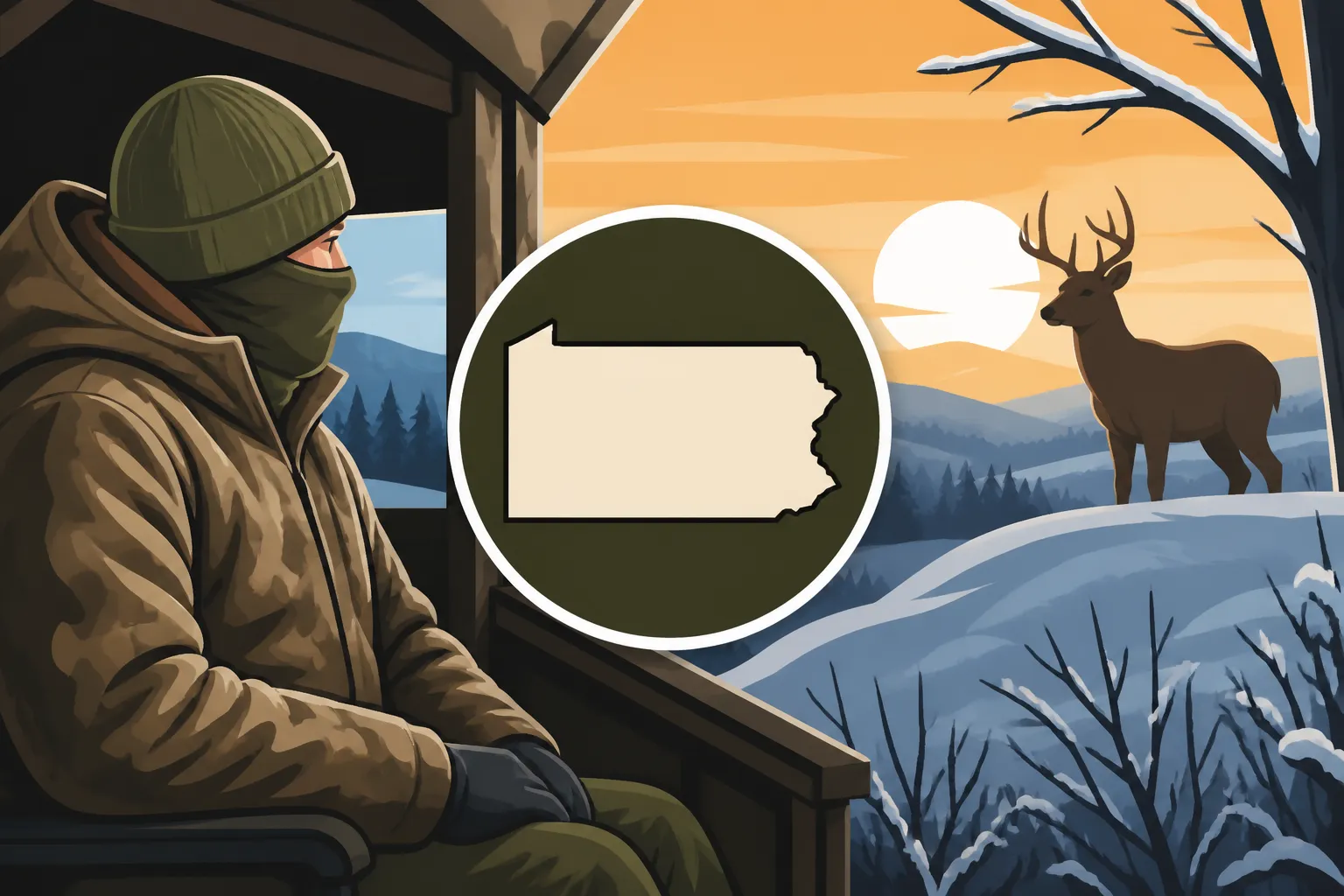
There’s nothing quite like the crisp, cold air of a late-season Pennsylvania hunt, but that magic can quickly turn to misery when the biting wind and plummeting temperatures force you off your stand too early. Many of us have felt that creeping chill deep in our bones, wondering if we should just call it a day. This guide isn't about toughing it out until you're hypothermic; it’s about smart, realistic strategies to stay warm, comfortable, and effective in even the nastiest Pennsylvania weather, keeping you in the game when others head for the truck.
The Mental Battle Against the Chill
Before you even think about layering up, the most important piece of gear you can bring to a cold weather sit is a strong mindset. The cold is as much a mental challenge as it is a physical one, especially when you're perched in a stand for hours on end with minimal movement.
Embracing the Discomfort
It's easy to focus on the negatives when your fingers start to tingle or your toes feel like ice blocks. Instead, try to reframe the discomfort. Acknowledge that it's cold, but remind yourself why you're out there. Every minute you stay on stand in brutal conditions increases your odds, because most other hunters have already packed it in. Those big, wise whitetails, or even a late-season bear, are often moving when the woods are quietest, and that's usually when the weather is at its worst. Think of it as a competitive advantage. This positive self-talk, combined with a deep understanding of your gear's capabilities, can turn a potential suffer-fest into a truly rewarding experience. You might even find yourself enjoying the stillness and the challenge.
Pre-Hunt Preparation Beyond Gear
Mental preparation also involves meticulous pre-hunt planning that extends beyond simply checking the temperature. You need to scrutinize the wind chill, precipitation forecasts, and even sun exposure for your specific hunting location. A protected hollow or the leeward side of a ridge can feel dramatically different from an exposed field edge, even if the thermometer reads the same. If you're using a tool like GoHunt's mapping features, take the time to identify natural windbreaks, dense conifer thickets, or even old logging roads that might offer a momentary reprieve from the wind if you need to stand up and stretch. Understanding the microclimates of your hunting area can significantly impact your comfort. Furthermore, being physically ready helps immensely. Light exercise and good hydration in the days leading up to your hunt can improve circulation and your body’s ability to generate and retain heat. It's not just about what you wear; it's about how your body is ready to perform.
Layering for Arctic Pennsylvania Air
Effective layering is the absolute cornerstone of cold weather sitting. You’re not just throwing on a bunch of clothes; you’re building a personal climate control system designed to trap warmth, wick moisture, and block the elements. Think of it in three distinct phases: base, mid, and outer.
The Foundation: Base Layers
Your base layer is directly against your skin, and its primary job is to manage moisture. When you walk to your stand, you generate heat and sweat, even in freezing temperatures. If that sweat stays on your skin, it will cool rapidly once you stop moving, leading to a chilling effect that no amount of insulation can truly overcome. This is where materials like merino wool or high-quality synthetics truly shine. Merino wool, in particular, excels at wicking moisture away while still retaining warmth, even when damp. Synthetics also do a great job and often dry faster.
Avoid cotton at all costs; it absorbs moisture and holds it against your skin, making you feel colder faster. For truly frigid conditions in Pennsylvania, don't be afraid to go with heavy-weight base layers. Consider a two-piece set – top and bottom – that fits snugly but doesn’t restrict movement. Some hunters even bring a spare base layer top in their pack to change into once they've reached their stand and cooled down from the walk, ensuring they start their sit completely dry. This simple trick can make a world of difference for a long wait.
Mid-Layers and Insulation
Once you’ve got your moisture management sorted, it’s time to trap some serious heat. Mid-layers are all about insulation. This is where you might employ fleece jackets, vests, or puffy garments filled with down or synthetic insulation. Down is incredibly warm for its weight, but it loses its insulating properties if it gets wet. Synthetic fills, on the other hand, perform better when damp, making them a more robust choice for the unpredictable Pennsylvania weather that can often include freezing rain or heavy, wet snow.
The key here is to create multiple air pockets between your layers. Each layer traps a bit of air, and those trapped air pockets are what really insulate you. For a static sit, you want thicker, more robust mid-layers than you would for an active hunt. Sometimes, an extra vest over your main jacket can provide a significant boost in core warmth without adding too much bulk to your arms, allowing for better shooting mobility. When assessing your gear, look for options that are easy to put on or take off quietly, allowing you to adjust as the day progresses or your activity level changes.
The Outer Shell: Wind and Waterproofing
Your outer layer is your shield against the elements. Its main job is to block wind and repel precipitation. Even a slight breeze can cut through insulating layers, stripping away your body heat through convection. A good outer shell acts as a barrier, keeping that precious warm air trapped close to your body. Look for materials that are both windproof and waterproof or highly water-resistant. Many modern hunting shells achieve this without being overly bulky or noisy, which is crucial when stealth is a priority.
Features like adjustable cuffs, a well-designed hood, and a durable water repellent (DWR) finish are all important. The hood can be especially vital for retaining heat, as a significant amount of body heat can escape through your head. Ensure your outer shell is roomy enough to accommodate all your base and mid-layers without compressing them, which would reduce their insulating effectiveness. For instance, when Hunting Pennsylvania's Late Archery Season, you need to ensure your outer layers allow full range of motion for drawing your bow, even with all that bulk.
Here's a quick guide to layering essentials for various cold conditions:
| Temperature Range | Base Layer | Mid-Layer 1 | Mid-Layer 2 | Outer Shell |
|---|---|---|---|---|
| 30-45°F (Mild Cold) | Light/Mid-weight Merino | Light Fleece/Puffy Vest | – | Wind/Water Resistant Jacket |
| 15-30°F (Moderate Cold) | Mid/Heavy-weight Merino | Mid-weight Fleece | Light Down/Synthetic Puffy | Waterproof/Windproof Shell |
| Below 15°F (Extreme Cold) | Heavy-weight Merino | Heavy Fleece | Heavy Down/Synthetic Puffy | Insulated Waterproof/Windproof Parka |
Note: This table is a general guide. Individual metabolism, wind chill, and activity level will affect actual needs.
Accessory Essentials for Sustained Warmth
While your core layering system is critical, neglecting your extremities is a common mistake that quickly leads to a miserable sit. Your head, hands, and feet are often the first areas to feel the cold, and keeping them warm is paramount for endurance.
Head, Hands, and Feet are Priority Zero
You’ve probably heard that you lose most of your heat through your head. While the exact percentage is debatable, covering your head absolutely makes a difference. A simple beanie can be a good start, but for serious cold, consider a thicker wool or fleece hat, maybe even layered with a balaclava or neck gaiter that can be pulled up over your face. This protects your ears, nose, and chin from the biting wind, especially when Flintlock Hunting in Pennsylvania Snow where you might be exposed for long periods.
Hands are tricky because you need warmth, but also dexterity for handling your weapon. A common and effective strategy is a layering system here too: thin, sensitive gloves (like fleece liners) for delicate tasks, paired with a heavier, insulated mitten or a hand muff. Many hunters swear by hand muffs with chemical warmers inside. They keep your hands toasty and allow you to easily pull your hands out for a shot. For example, a quality pair of Hand Warmers That Last a Full Sit can keep your digits comfortable for 10+ hours.
For your feet, forget cotton socks entirely. Always opt for wool or synthetic socks, and consider wearing two pairs: a thin wicking liner sock under a thick, insulated wool sock. Your boots are equally important. Make sure they are well-insulated and completely waterproof. Critically, ensure your boots aren't too tight, especially with multiple pairs of socks, as this can restrict blood flow and actually make your feet colder. Many seasoned hunters will size up their winter boots to allow for thick socks and extra air circulation. Look for Insulated Boots for All-Day Sits that are rated for extreme cold and have good traction for navigating icy trails.
External Heat Sources and Comfort Items
Beyond your clothing, a few key items can dramatically improve your comfort on a brutal cold sit. Chemical hand and foot warmers are a hunter’s best friend. Activate them before you leave the truck and place them strategically – in your gloves or mittens, tucked into the toes of your boots, or even taped to your core layers for extra warmth. Some hunters even put one in their kidney area for a sustained warming effect.
For those truly frigid days, battery-powered heated vests or seat pads have become incredibly popular. They can provide targeted warmth to your core, extending your sit significantly. Just remember to carry spare batteries! An insulated seat cushion, even a simple foam pad, prevents heat loss to a cold treestand seat or the frozen ground, which is essential when Cold Weather Sitting Strategy.
Don't underestimate the power of a hot beverage and high-calorie snacks. A thermos full of hot coffee, tea, or even chicken broth can warm you from the inside out and lift your spirits. For snacks, opt for things like trail mix, energy bars, or jerky – items that provide sustained energy without requiring much effort to eat. Your body burns more calories to maintain its core temperature in the cold, so fueling that internal furnace is key to staying warm. When using GoHunt to scout areas, you might want to look for secluded spots that allow you to discreetly sip on that hot cocoa without alerting game.
Strategic Sitting and Movement
Once you're layered up and accessorized, how you conduct your sit becomes crucial. Even the best gear can be undermined by poor strategy in extreme cold.
Minimizing Heat Loss on Stand
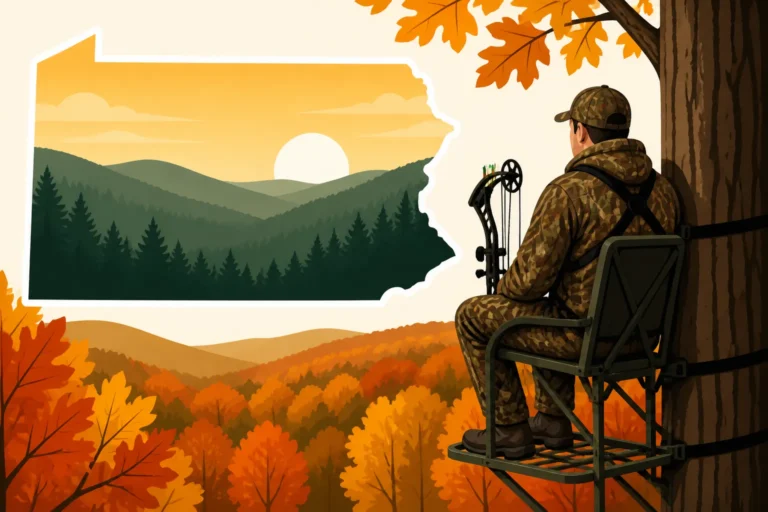
Your choice of stand location can have a huge impact on how long you can comfortably sit. Wherever possible, pick a spot that offers some protection from the prevailing wind. A thick stand of pines, a dense clearcut, or even the backside of a large oak can make a world of difference. When setting up, consider where the sun will be throughout the day; even weak winter sunshine can offer a little warmth. If using a ground blind, ensure it's brushed in well, as this not only provides concealment but also acts as a windbreak. Using a Ground Blind on Pennsylvania Game Lands can be a lifesaver in bitter conditions, offering a level of protection from the elements that an open treestand cannot.
While on stand, minimize unnecessary movement. Every twitch or shift allows precious warm air to escape your layers and invites cold air in. However, that doesn't mean becoming a statue. Small, controlled movements like wiggling your toes, flexing your fingers, or subtly shifting your weight can help keep blood circulating without spooking game. Pay attention to covering all exposed skin, especially your face and wrists. A good pair of gauntlet gloves or a long-sleeved base layer that tucks into your gloves can prevent gaps where cold air can sneak in.
The Art of the "Warm-Up Walk"
Sometimes, despite your best efforts, the cold becomes overwhelming. Instead of giving up entirely, consider a strategic warm-up walk. If your hunting area allows, and you can do so stealthily, climbing down from your stand and taking a short, brisk walk can re-circulate blood and warm your core. This isn't a casual stroll; it's a purposeful, quiet movement that can be a form of still-hunting. You might even stumble upon a deer. Areas suitable for this could be along a ridge, following a contour line, or through a dense thicket where visibility is limited, as described in Still-Hunting Pennsylvania Big Woods.
The key is to do this mindfully. Don't go crashing through the woods. Move slowly, deliberately, paying attention to your surroundings. Once you feel your body temperature rising, you can either return to your stand for another few hours or continue to slowly still-hunt. This strategy works particularly well during the middle of the day when deer activity might naturally be lower, giving you a chance to move without too much risk of bumping deer. When planning your entry and exit routes, particularly on steep terrain, thinking about Entry Routes on Steep Ground that might also serve as a warm-up path can be beneficial.
Knowing When to Call It Quits (or Change Tactics)
While toughness is admirable, safety must always come first. Know the signs of hypothermia: uncontrollable shivering, confusion, slurred speech, and coordination issues. If you or your hunting partner exhibit these symptoms, it's time to get warm immediately. No deer is worth risking your life over.
Sometimes, the smartest move isn't to quit, but to change tactics. If sitting is no longer viable, perhaps a quiet still-hunt or a slow, careful stalk could keep you in the game. Maybe the wind has shifted, making your current spot unbearable and unproductive, and moving to a more sheltered area might be more successful. After a fresh snowfall, deer movement patterns change, and Still-Hunting After a Fresh Snow can often be more productive than sitting, as deer are often out searching for food.
In Pennsylvania, regulations for Pennsylvania Hunter Orange Square Inches are in place for safety, and this becomes even more critical in winter when visibility can be reduced by snow, fog, or dense cover. Always adhere to these rules, especially if you decide to change from a static sit to an active hunt. Using GoHunt's mapping tool to identify alternative cover or travel corridors on the fly can help you adapt quickly to changing conditions.
Ultimately, cold weather hunting is about persistence, preparation, and knowing your limits. With the right gear and mindset, you can not only endure the cold but thrive in it, making memories that few other hunters will experience.
Disclaimer
The information provided in this guide is for general educational and informational purposes only, and does not constitute professional advice. Hunting regulations, safety practices, and gear recommendations can change. Always consult the official Pennsylvania Game Commission regulations and seek expert advice for your specific hunting situations. Hunting involves inherent risks, and personal safety should always be the top priority.