Field Dressing a Deer in Cold Weather
There's nothing quite like the crisp air of a late-season hunt in Pennsylvania, but that beautiful, biting chill often brings a unique set of challenges when it comes to field dressing your deer. The adrenaline of the shot quickly wears off, and you're left with the daunting task of preparing your harvest for transport and butchering, all while battling numb fingers, stiff hides, and sometimes frozen ground. This guide is here to walk you through the nuances of field dressing a deer when the mercury drops, ensuring you protect your hard-earned venison and make the process as efficient and comfortable as possible, even in the most frigid Pennsylvanian conditions.
Why Cold Weather Field Dressing is Different and Sometimes Harder
When the temperatures plummet across Pennsylvania's ridges and valleys, everything changes, including how you approach field dressing. It’s not just about bundling up; it’s about understanding how the cold impacts the animal, your tools, and your own body.
The Double-Edged Sword of Freezing Temps
On one hand, cold weather is a hunter's best friend for meat preservation. The minute a deer hits the ground, the clock starts ticking on spoilage, especially if the internal organs aren't removed promptly. In warm weather, bacteria can proliferate rapidly, turning a successful hunt into a heartbreaking loss if you're not lightning fast. But when the air temperature is at or below freezing, it acts like a natural refrigeration unit, slowing down bacterial growth significantly. This can buy you a little more time, which is a huge relief when you're hunting deep in the Big Woods or far from a vehicle.
However, this benefit comes with its own set of frustrations. A deer's hide becomes much stiffer in cold weather, making those initial cuts a real wrestling match. The fat can firm up, clinging to internal organs and making them harder to separate cleanly. Blood can congeal more quickly, sometimes making for a messier job if you're not careful. And let's not forget the ground itself – trying to kneel or maneuver a deer on frozen, rocky Pennsylvania soil is a test of endurance, often leaving you with aching knees and a rapidly cooling body. You might find yourself bracing against icy patches, or trying to avoid getting mud-ice all over your clothing, which only adds to the discomfort and slows the process.
Gear Challenges in the Cold
Your trusty hunting knife that performs flawlessly in early archery season might feel like a useless chunk of steel when your hands are stiff with cold. Fine motor skills diminish rapidly when your fingers are numb, making precise cuts difficult and potentially dangerous. Gloves, while essential for warmth, can be cumbersome, robbing you of the dexterity needed for intricate work. Imagine trying to make that delicate cut around the anus with thick insulated gloves on – it's a recipe for frustration and a less-than-clean job.
Metal tools, like your knife or bone saw, can become incredibly cold to the touch, chilling your hands even through gloves. They also tend to stiffen up, making them less agile. Batteries in headlamps or flashlights drain faster in extreme cold, leaving you potentially in the dark if you're out past Legal Shooting Hours or if the recovery takes longer than expected. It's a constant battle against the elements just to maintain functionality, both for yourself and your equipment. You’re trying to focus on the task at hand, but a nagging cold or frozen piece of gear can really break your concentration and make the whole experience feel like an uphill climb.
Essential Gear for Cold Weather Field Dressing
Having the right tools and knowing how to use them effectively is paramount when field dressing in frigid Pennsylvania weather. It's not just about owning the gear; it's about having it accessible and ready to perform when your hands are shaking from the cold.
The Right Tools for the Job
Your primary tool, of course, is a good knife. In cold weather, you want something that's not only sharp but also easy to handle with gloves on. A fixed-blade knife with a non-slip, ergonomic handle is usually superior to a folding knife, as it eliminates moving parts that can freeze or jam with blood and tissue. Look for a blade that holds an edge well – a quality stainless steel like S30V or CPM-MagnaCut can be a game-changer when you’re slicing through stiff hide and muscle. Some hunters even carry two knives: a larger, tougher one for initial cuts and a smaller, sharper blade for more intricate work around the organs and diaphragm. I personally lean towards a sturdy full-tang blade for reliability in cold conditions, something like a tried-and-true Buck 119 Special or an ESEE-4.
Beyond the knife, a bone saw can be incredibly helpful. Trying to cut through the sternum or pelvic bone with a knife in freezing temperatures is a quick way to dull your blade and exhaust yourself. A small, lightweight bone saw, often folding, makes quick work of these tougher sections. While a saw is not always strictly necessary, especially if you’re employing the gutless method, it’s a huge time and effort saver for traditional field dressing. For those thinking about Bone Saws Versus the Gutless Method, a saw really shines when you want to keep the carcass whole for easier handling. Don't forget a sharpening stone or a small field sharpener. Even the best knives will dull, and trying to work with a dull blade in the cold is both frustrating and dangerous. Ensure your sharpener is easy to grip and use with cold hands.
Staying Warm and Clean
Staying warm and dry yourself is just as important as having sharp tools. You'll be exposed to the elements for a sustained period, often kneeling or sitting on the cold ground. Layering is key: start with a good moisture-wicking base layer, add an insulating mid-layer like fleece or wool, and top it off with a waterproof and windproof outer shell. Your outer layer should be easy to clean or designed to shed blood and dirt. Forget the expensive jacket for this part – sometimes an old, durable set of coveralls over your warm layers is ideal, as they can be easily hosed off or tossed in the wash.
Gloves are critical. I recommend a two-glove system: a thin, dexterous pair of nitrile or latex gloves underneath a pair of heavier, waterproof insulated gloves. The inner gloves keep your hands clean and provide a barrier against the deer's bodily fluids, while the outer gloves provide warmth and protection from the cold. When you need to make a precise cut, you can quickly slip off the outer gloves, work with the inner gloves for a minute, and then get your warm gloves back on. Keep several pairs of nitrile gloves in your pack, as they can tear. Knee pads, either integrated into your pants or strap-on, are a lifesaver when kneeling on frozen ground, protecting your joints and keeping you slightly more insulated. A bright headlamp with fresh batteries, perhaps even a spare set, is non-negotiable, especially if you anticipate being out after dark or if you're Tracking a Deer in Pennsylvania Snow as daylight fades.
Here's a quick checklist for your cold-weather field dressing kit:
| Item | Description | Cold Weather Consideration |
|---|---|---|
| Fixed-Blade Knife | Sharp, full-tang, non-slip handle. | Stays sharp longer, easier to grip with gloves. |
| Folding Bone Saw | Compact, sharp teeth for sternum/pelvis. | Saves knife edge, makes tough cuts faster. |
| Field Sharpener | Easy to grip and use with gloves. | Essential for maintaining a keen edge. |
| Nitrile/Latex Gloves | Disposable, multiple pairs. | Hygiene, inner layer of warmth and dexterity. |
| Insulated Waterproof Gloves | Durable, good grip. | Outer layer for warmth, easily removed for fine work. |
| Headlamp w/ fresh batteries | Bright, reliable, hands-free light. | Critical for low light/night work, cold drains batteries faster. |
| Knee Pads | Strap-on or integrated. | Protects knees from frozen ground, adds insulation. |
| Small Tarp or Ground Cloth | For kneeling on or laying gear. | Keeps you and your gear cleaner/drier, insulation from cold earth. |
| Heavy-Duty Game Bags | Protects meat from dirt/debris. | Keeps snow and grit off exposed meat during drag. |
| Hand Sanitizer/Wipes | For quick clean-up. | Personal hygiene, especially before a snack or touching face. |
Step-by-Step: Field Dressing in Frigid Pennsylvania Conditions
Even with the best gear, cold weather field dressing requires a slightly modified approach to be effective and safe. Speed and efficiency are always important, but in the cold, they're critical for both meat quality and your personal comfort.
Preparing the Scene (and Yourself)
First things first, find a suitable spot. You want a relatively flat area, clear of excessive brush or sharp rocks that could puncture the hide or make working difficult. If you’re in a deep hollow or on a steep slope, consider if it’s worth moving the deer a short distance to a more manageable spot. Sometimes, this preparation can save you immense effort later. Using a hunting app like GoHunt to scout the terrain beforehand, identifying flatter benches or clearings near known deer trails, can be a real advantage. When you finally get to your deer, make sure the animal is positioned on its back, ideally with its rear end slightly downhill if you're on a slope. This helps gravity assist in draining blood and fluids away from the body cavity. If the ground is frozen solid, you might need to improvise a bit with logs or rocks to prop the deer open later.
Before you make any cuts, take a moment. Put on your gloves. Get your knife and saw ready. Mentally walk through the steps. It’s easy to rush when you’re cold and excited, but a moment of focused preparation can prevent mistakes and injury. Ensure your headlamp is working if light is fading. If you’ve been on a Cold Weather Sitting Strategy all day, you might be a bit stiff, so do a quick stretch to get your blood flowing and prepare for the physical work ahead.
Making the Cuts and Removing Organs
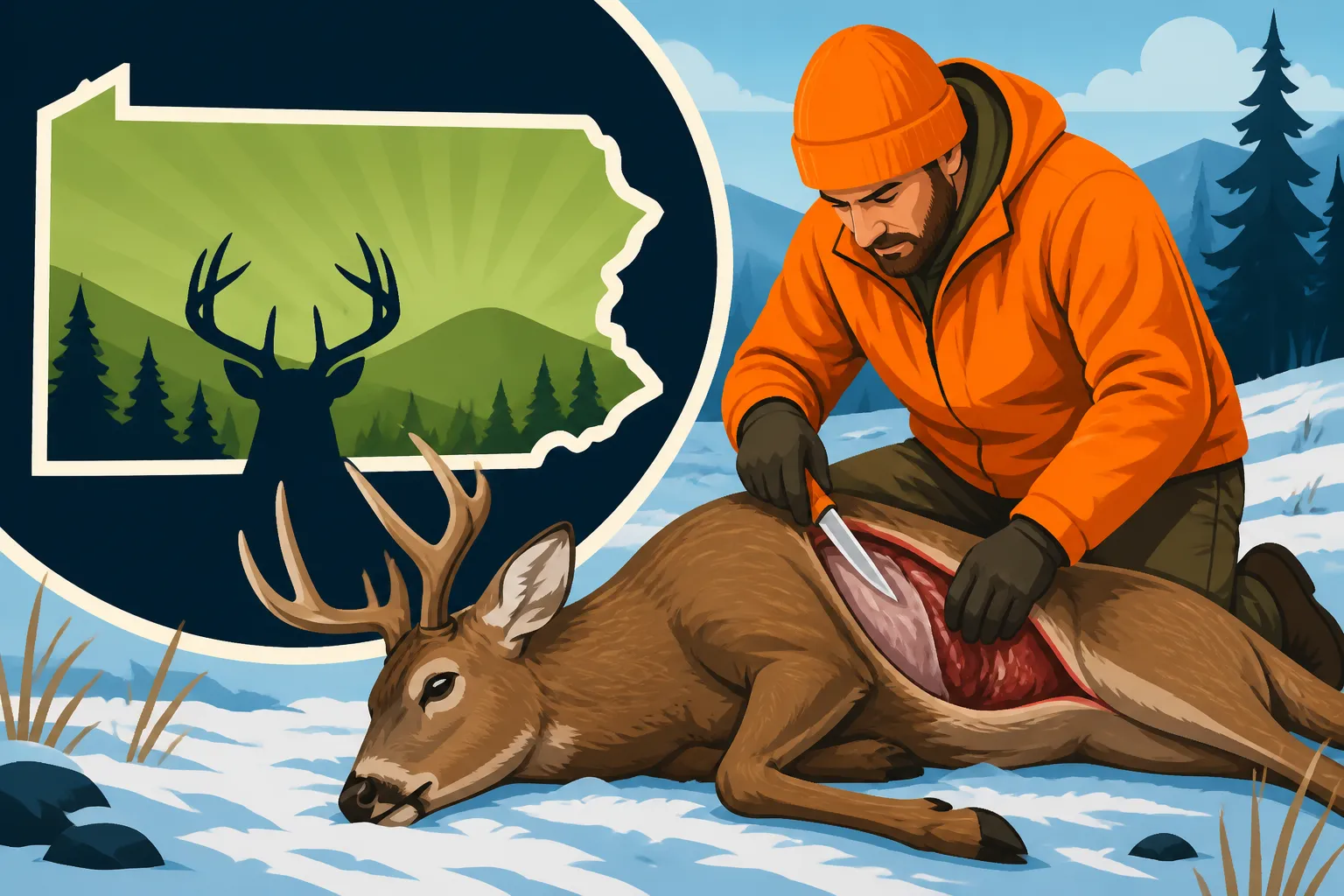
Okay, deep breath, here we go. Start by making the initial incision. From the breastbone to the pelvis, carefully cut through the hide, being shallow enough to avoid puncturing the stomach or intestines. This is where a sharp knife truly shines, especially with a stiff hide. Once the hide is cut, use your fingers or the blunt end of your knife to separate the hide from the muscle layer, creating a clear path. Now, slowly open the body cavity. You might need to use your bone saw here to split the breastbone, making it easier to access the chest cavity and allow more air circulation. Be mindful of accumulated snow or debris if it’s been snowing; you want to keep the internal cavity as clean as possible.
Next, you need to address the rectum. Make a careful circular cut around the anus, freeing the rectum from its connection to the deer's body. Some hunters will tie off the rectum with a zip tie or string to prevent waste from contaminating the meat during removal. This is a crucial step for cleanliness, particularly if you plan to drag the deer a long distance.
Now, for the main event: organ removal. Reach into the chest cavity and sever the trachea and esophagus as high up as you can. Pull these down, along with the heart and lungs. Work your way down the body cavity, carefully cutting around the diaphragm (the muscle separating the chest and abdominal cavities). Continue to sever the connections holding the stomach and intestines in place. Take your time here, being especially careful not to rupture any organs. In cold weather, the visceral fat can be quite stiff and greasy, making it a bit more challenging to get a clean separation. Using a gut hook, if your knife has one, can be helpful for opening the belly without puncturing the organs beneath. Once everything is detached, roll the deer slightly to one side and allow gravity to help the organs slide out cleanly. If you're hunting in particularly cold conditions, the internal heat from the deer will still be quite high, so getting those organs out quickly is still important for rapid cooling.
The Crucial Cooling Process
Once the organs are out, the priority shifts to cooling the carcass as quickly and thoroughly as possible. While the cold air is your ally, a deer's body retains a lot of residual heat, especially in the thick muscle groups. Prop the body cavity open wide. Use sticks, a small branch, or even the deer's own legs to create an air channel. You want maximum airflow to reach every part of the cavity. This allows the warm, moist air to escape and be replaced by the cold, dry air, reducing the chance of souring the meat.
If it's snowing, try to keep the snow from collecting inside the cavity. While cold, melting snow introduces moisture, which is exactly what you want to avoid. A clean game bag or even a piece of plastic sheeting can be used to temporarily cover the opening if you're battling a squall. In freezing temperatures, the internal cooling process happens much faster than in warmer conditions, which is fantastic for meat quality. However, be mindful of direct exposure to rain or sleet, which can make the meat wet and more susceptible to bacterial growth once temperatures rise or it’s in a warmer environment. The goal is to get the internal temperature down to a safe range, ideally around 35-40°F (1-4°C).
Post-Dressing Care and Transport in the Cold
You’ve done the hard work of field dressing. Now, you need to ensure that effort isn’t wasted during the journey from the woods to your cooler or hanging spot.
Protecting the Meat on the Drag
Dragging a deer in the snow is often easier than dragging it on dry ground, as the snow provides lubrication. However, it also presents challenges for keeping the meat clean. After field dressing, the exposed cavity is vulnerable to picking up dirt, leaves, pine needles, and, of course, snow. This is where quality game bags come into play. While you might not need the full-body game bags often recommended for warm-weather, backcountry hunts, at least covering the opened body cavity with a robust game bag or even a clean garbage bag can save you a lot of clean-up time later. This is particularly important if you’re planning on a long drag through Pennsylvania's often rocky and debris-strewn terrain, whether you're Dragging a Deer Off a Pennsylvania Mountain or navigating flat woods.
Another consideration is freezing of the exposed meat. If temperatures are well below freezing, the outer layers of the meat in the cavity might start to freeze. While this isn't necessarily bad, it can make skinning a bit trickier if the hide freezes to the muscle. Generally, for a drag that isn't excessively long, the internal heat from the deer will prevent complete freezing of the meat, but the cold air will continue to bring down the core temperature, which is ideal.
Getting Your Deer Home and Hung
Once you’ve successfully gotten your deer out of the woods, whether by dragging, using a deer cart, or with the help of a friend, the final steps are critical. If you have access to a clean, cold space, like a garage or a dedicated hanging shed where temperatures hover between 35-40°F, hang the deer whole, hide on. Hanging allows air to circulate around the entire carcass and helps the meat relax and age, which improves tenderness and flavor. This is a common practice in many Pennsylvania deer camps, often leading to excellent venison for Butchering a Deer at Camp a few days later.
If you don't have a suitable hanging spot, or if the temperatures are expected to fluctuate significantly, it's best to skin and quarter the deer promptly. Even in cold weather, temperature swings can compromise meat quality. Once skinned and quartered, you can place the meat in coolers, but remember that in cold weather, you might not need ice. In fact, adding ice can potentially make the meat too cold and prevent proper aging. Instead, focus on keeping the quarters clean and allowing air to circulate. If it's truly freezing, you might just need to load them into the bed of your truck or secure them in a cool shed. For insights on what else to bring, consider checking out resources like Coolers for an Early Archery Kill – though the approach might be slightly different in cold, the principles of meat care remain. Remember that continuous cold is your friend from the moment the deer hits the ground until it's processed and in the freezer.
Disclaimer
Please note: This article provides general information and recommendations for field dressing a deer in cold weather in Pennsylvania. Always consult the latest Pennsylvania Game Commission regulations and local laws for specific requirements, safety guidelines, and any regional considerations for hunting and game handling.