Bone Saws Versus the Gutless Method
The moment of truth arrives after a successful hunt: you’ve got a deer down, and now comes the critical task of field dressing and getting that meat out of the woods. For Pennsylvania hunters, especially those of us venturing into the rugged mountains or deep hollows, this isn't just about cleaning an animal; it's about efficient, back-saving, and meat-preserving strategy. This guide will walk you through the pros and cons of two primary field dressing techniques – the traditional bone saw method and the increasingly popular gutless method – helping you decide which approach makes the most sense for your next hunt.
The Traditional Bone Saw Method: Time-Honored But Sometimes Challenging
For generations, the standard procedure after dropping a deer has been to field dress it by opening the body cavity, removing the organs, and often splitting the pelvis or sternum. This method has its place, especially when conditions are just right.
When a Bone Saw Shines
There are definitely scenarios where reaching for that trusty bone saw makes perfect sense. If your deer goes down within a stone's throw of your truck or ATV trail, and the ground is relatively flat, a quick traditional field dress with the help of a bone saw can be the most straightforward approach. You can get the internal organs out quickly, which starts the cooling process, and then get to the business of dragging or carting your deer out.
A bone saw is particularly useful for tasks like splitting the sternum to fully open the chest cavity, allowing for thorough evisceration and better air circulation to cool the meat. It also makes short work of splitting the pelvic bone, which is often necessary to completely remove the lower digestive tract and bladder without rupturing them. If you’re planning to take your deer to a taxidermist and need to preserve the hide for a shoulder mount, the traditional method allows the hide to remain mostly intact, making the taxidermy prep easier later on. For hunters who plan to hang their deer whole for a few days to age the meat before Butchering a Deer at Camp, a traditional field dress prepares the carcass perfectly.
Drawbacks and Realities of Sawing Bone
However, the traditional bone saw method isn't without its challenges, especially in the demanding Pennsylvania landscape. One of the immediate downsides is the added weight of carrying a saw in your pack. While not excessively heavy, every ounce counts when you're hiking into remote areas. Beyond that, using a saw in the field can be messy and physically demanding. Imagine trying to split a deer's pelvis while hunched over on uneven ground, often in low light or inclement weather. The physical exertion is real, and it can be tiring.
Furthermore, sawing through bone inevitably creates bone dust and fragments that can contaminate the meat, requiring extra care during butchering to trim away these bits. It also means more blood and fluid mess on the ground, on your clothes, and potentially on the valuable meat. Cleaning a bone saw thoroughly in the field to prevent contamination is another hurdle, especially if water is scarce. And perhaps the biggest drawback for many Pennsylvania hunters is the sheer effort of Dragging a Deer Off a Pennsylvania Mountain after a traditional field dress. If you're deep in a hollow or on a steep ridge, hauling out an entire carcass can be an almost insurmountable task, often requiring multiple people or specialized equipment like a deer cart – which isn't always feasible in certain terrains.
Embracing the Gutless Method: Efficiency in the Backcountry
The gutless method has gained significant traction among modern hunters, particularly those who frequent the more challenging public lands and remote areas of Pennsylvania. It's a game-changer for reducing weight and making meat extraction far more manageable.
Step-by-Step Breakdown of the Gutless Approach
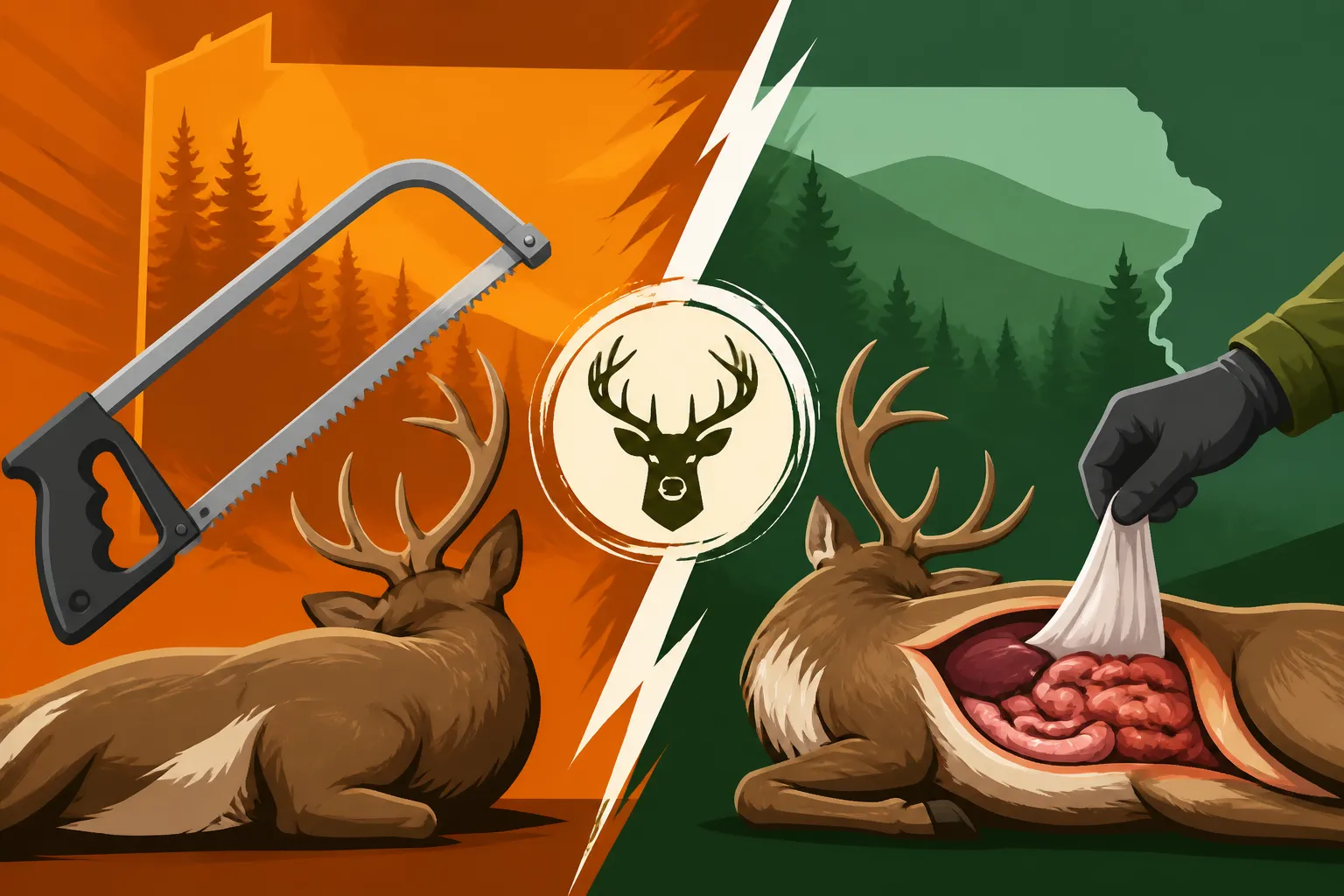
The essence of the gutless method is to remove all the usable meat from the deer without ever opening the body cavity or disturbing the entrails. This means leaving the guts exactly where they are, making for a much cleaner process overall. To start, position the deer on its side. Begin by skinning one side of the animal, peeling the hide back to expose the major muscle groups of the front shoulder and hindquarter. Use a sharp, sturdy fixed-blade knife for this, working carefully to avoid cutting into the meat.
Once the hide is peeled, you'll systematically remove the front shoulder by locating the joint where it attaches to the rib cage (there's no bone-to-bone joint, it's muscle and cartilage) and separating it. Next, move to the hindquarter. Instead of sawing through the hip, you'll work your knife around the ball-and-socket joint, separating the leg from the pelvis. Then, you can remove the major muscle groups (the various roasts and steaks) from the hindquarter, carefully trimming them away from the bone. Once one side is complete, carefully roll the deer over and repeat the process for the other side. Don't forget the backstraps! These prime cuts run along the spine on both sides. You can carve them out from the outside, following the contour of the ribs and spine. Finally, if you want the tenderloins, which are located inside the body cavity along the spine, you can reach in through the pelvic opening or the diaphragm after the hindquarters and backstraps are removed, carefully extracting them without broadly opening the gut cavity.
Throughout this process, the paramount rule is cleanliness. Work carefully to keep hair, dirt, and debris off the meat. As you remove each piece, immediately place it into clean, breathable Game Bags for Warm September Days to protect it from flies, leaves, and dirt. This method allows you to break a deer down into manageable, packable portions, leaving the bulk of the carcass behind.
Key Benefits in the Pennsylvania Landscape
The gutless method is truly a revelation for hunters navigating Pennsylvania's often unforgiving terrain. Our state is known for its steep ridges, deep hollows, and dense regrowth, where Hunting Pennsylvania's Big Woods for Deer often means a long, difficult retrieve. Trying to drag an entire deer, even after a traditional field dress, through thick mountain laurel or over rocky slopes can be an exhausting, if not impossible, endeavor. The gutless method transforms a cumbersome, heavy carcass into lighter, more compact meat parcels that can be comfortably loaded into a backpack. This is a huge advantage when you're looking at Entry Routes on Steep Ground.
By reducing the overall weight and volume, you minimize the number of trips back to your vehicle, saving your energy and allowing you to focus on a safe and efficient extraction. This method also promotes faster cooling of the meat. By separating the muscle groups and removing the hide quickly, the meat can shed heat much more efficiently than a whole carcass, which is critically important on those warmer early archery season days. Less mess is another significant benefit; since you don't open the gut cavity, there's less blood and intestinal fluid to deal with, leading to a much cleaner field processing experience. This also means a smaller, less attractive gut pile for scavengers near your kill site, which can be a relief when hunting close to populated areas or if you plan to return to the area later.
Practical Considerations for Pennsylvania Hunters
Choosing between a bone saw and the gutless method isn't just about technique; it's about being prepared with the right tools and understanding when each method is most appropriate for the specific conditions you face in Pennsylvania.
Gear Essentials for Each Method
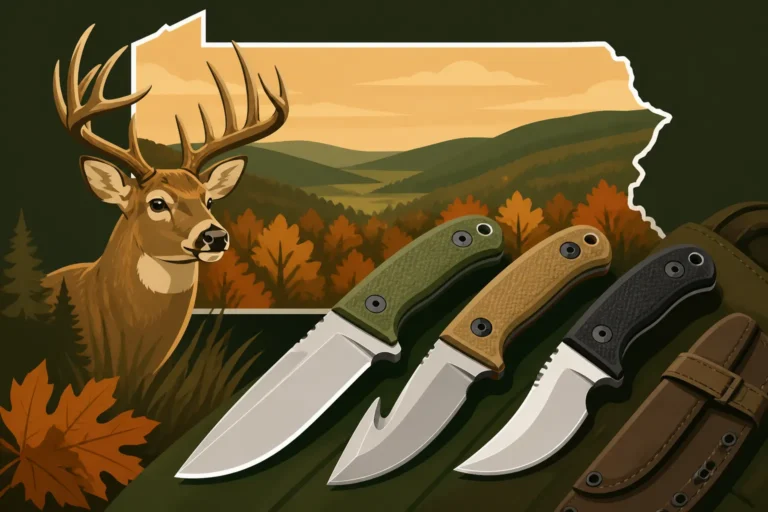
Having the right gear is non-negotiable for either method. For those opting for the traditional bone saw approach, a sturdy bone saw is, of course, essential. Brands like Gerber or Wyoming Saw offer reliable, compact options that can handle tough bone. Pair this with a good fixed-blade knife – something with a comfortable grip and a blade length of around 4-6 inches is ideal for general field dressing tasks. Don't forget durable gutting gloves to maintain hygiene and protect your hands. If you anticipate a drag and the terrain allows, bringing a Using a Deer Cart on Game Lands can dramatically lighten your load.
For the gutless method, your knife is your most important tool. You’ll need a very sharp, robust fixed-blade knife for separating muscle groups and joints, and many hunters also carry a smaller caping knife for more delicate work, like removing the backstraps or tenderloins. A sharpening stone or small field sharpener is crucial to keep your blade razor-sharp throughout the process. High-quality game bags are not optional; they are vital for protecting your meat from dirt, insects, and drying out. These should be lightweight, breathable, and strong enough to hold heavy quarters. When you’re planning your gear, looking at resources from companies like GoHunt can provide insights into what gear performs best in backcountry situations, helping you make informed choices about your essential items. Regardless of your method, always pack a bright headlamp for those unexpected after-dark tasks, plenty of water, and a comprehensive first-aid kit. Knowing how to Blood Trailing After Dark in Pennsylvania is also a critical skill for any hunter.
When to Choose Which Method
The decision often comes down to a few key factors: the distance from your vehicle, the nature of the terrain, the current weather conditions, and your personal goals for the hide or carcass. If you manage to drop a deer within a stone's throw of an accessible road on relatively flat ground, say when Hunting Pennsylvania Farm Country Edges, the traditional bone saw method might be the quickest and least complicated way to get the animal field dressed and ready for transport. In such scenarios, the effort of a full gut-out and the subsequent drag is minimal.
However, if you find yourself far from any trail, deep in the steep, rocky, or brush-choked areas of our state, the gutless method becomes indispensable. Imagine bagging a buck on a remote ridge during Bowhunting Pennsylvania's October Archery Season; the thought of dragging that entire animal for miles through dense cover is daunting. In these situations, the time spent carefully quartering the animal in the field pays dividends by making the pack-out exponentially easier. Weather is another crucial consideration. On warm days, especially during early archery season, getting the hide off and the meat separated from the body heat is paramount to prevent spoilage. The gutless method excels here by exposing more meat surface to the air, promoting rapid cooling. In contrast, in freezing late-season conditions, spoilage is less of a concern, and either method could work, though bone saws can become brittle and difficult to use in extreme cold.
Making Your Decision and Field Preparedness
Ultimately, the best method is the one you are most comfortable and proficient with, but being prepared for anything Pennsylvania throws at you is key.
Personal Preference and Skill Level
There's no single "right" way to process a deer in the field; a lot of it boils down to individual preference and experience. Some hunters, often those who grew up hunting with a certain tradition, are incredibly efficient with the bone saw method and can field dress an animal in minutes. They might prefer the familiarity and the feeling of having the whole animal intact. Others, perhaps those new to hunting or those who have had challenging retrieves, find the gutless method a much cleaner and more physically manageable process, especially in situations where hauling out a heavy, awkward carcass is simply not an option.
It’s worth noting that if you're new to the gutless method, it can feel a bit intimidating at first, requiring more precise knife work and an understanding of deer anatomy. However, with a little practice and the right guidance, it quickly becomes a skill that vastly expands your hunting possibilities into more remote and challenging terrain. Resources from hunting communities or even detailed videos can be incredibly helpful. Companies like GoHunt, which often cater to backcountry hunters, frequently offer advice and tutorials on these advanced field processing techniques, showcasing their practical application. Don't feel you have to switch overnight; perhaps try the gutless method on a deer that falls relatively close to your vehicle first, giving you a chance to learn without the added pressure of a miles-long pack out.
Practice Makes Perfect
Regardless of which method you lean towards, proficiency comes with practice. First and foremost, always ensure your knives are razor-sharp. A dull knife is not only inefficient but significantly more dangerous, requiring more force and increasing the risk of slips and cuts. Take the time to learn how to properly sharpen your blades before heading into the field. If you're considering the gutless method, a great way to prepare is to watch instructional videos, visualize each cut, and even practice on a butchered deer or a similar large animal if you have the opportunity. Understanding the skeletal structure and muscle groups will make the process much smoother when it counts.
Safety should always be at the forefront. When using sharp tools in the field, especially under less-than-ideal conditions like poor light, uneven ground, or cold hands, always cut away from your body. Invest in quality cut-resistant gloves if you're concerned about knife slips. The more comfortable and confident you are with your tools and your chosen method, the more efficient and safer your field dressing process will be, ensuring you get that valuable Pennsylvania venison home in top condition. Packing the right Knives and Saws Worth Carrying can make all the difference.
Comparison of Field Dressing Methods
| Feature | Traditional Bone Saw Method | Gutless Method |
|---|---|---|
| Primary Use | Field dressing whole animal, splitting pelvis/sternum | Quartering into manageable pieces, leaving entrails |
| Key Gear Needed | Fixed-blade knife, bone saw, gutting gloves | Sharp fixed-blade knife, caping knife, game bags, sharpening stone |
| Weight to Pack Out | Entire carcass (heavy) or hide-on sections | Meat quarters, backstraps, tenderloins (lighter, more compact) |
| Best for Terrain | Flat, easily accessible areas, short drags | Steep, rugged, remote, or thick terrain, long pack-outs |
| Meat Cleanliness | Higher risk of bone dust/gut contamination if not careful | Generally cleaner, less risk of gut contamination if done properly |
| Cooling Time | Slower (carcass intact), quicker if hide removed post-drag | Faster (meat exposed, separated from heat source) |
| Taxidermy Potential | Excellent, hide remains intact | Possible, but requires careful caping/skinning of the head/cape separately |
| Effort in Field | Can be strenuous (sawing, dragging entire carcass) | Moderate (precise knife work), significantly less strenuous for pack-out |
| Post-Kill Scenario | Often requires a Packs and Drags for Steep Ground or vehicle access | Enables solo packing out from deepest backcountry |
Hygiene and Meat Care in the Field
No matter which method you choose, maintaining hygiene and properly caring for your meat in the field is paramount to ensure a high-quality meal back home. The moment an animal is down, the clock starts ticking, especially in warmer weather.
Firstly, always wear gloves during the field dressing process. This isn't just about keeping your hands clean; it's about preventing the transfer of bacteria from your hands to the meat, and protecting yourself from potential diseases the animal might carry. Changing gloves if they become excessively soiled can also be a good practice.
When using the traditional method, focus on making clean cuts and removing the organs quickly and completely. Avoid rupturing the stomach or intestines if at all possible, as this introduces bacteria and can taint the meat. After evisceration, if conditions allow, wipe the cavity clean with a damp cloth or even a handful of snow. The goal is to get that body cavity cooled down as fast as possible.
With the gutless method, the emphasis is on keeping the exposed meat pristine. As you remove each piece of meat, handle it minimally and immediately place it into clean, breathable game bags. These bags protect the meat from flies, dirt, and debris while still allowing air circulation, which is crucial for cooling. Never use plastic bags directly on warm meat, as this traps heat and moisture, accelerating bacterial growth. If you have a long hike out, consider stopping periodically to let the bagged meat cool further if ambient temperatures are low. Proper meat care in the field ensures that your hard-earned venison will be delicious and safe to eat.
Disclaimer
This article is for general informational purposes only and does not constitute professional advice. Laws, prices and regulations vary by location and change over time. Consult a qualified professional for guidance on your specific situation.