Slate and Glass Calls in Wet Weather
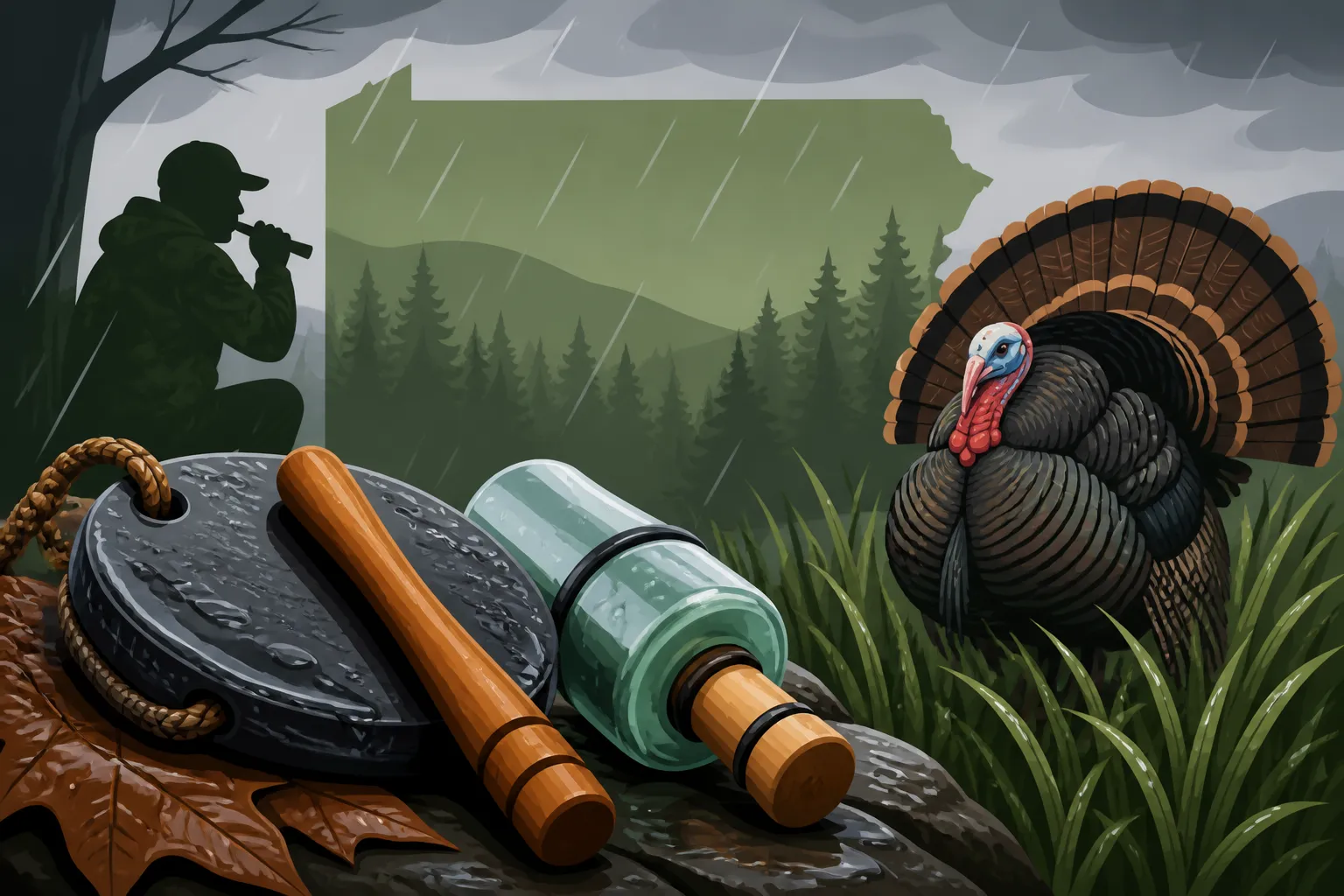
There’s nothing worse than waking up to a steady drizzle or a persistent fog on a prime spring gobbler morning, only to realize your trusty slate or glass call sounds like a drowned rat, or worse, completely refuses to make a peep. That sudden silence can be incredibly frustrating, leaving you feeling helpless when you know those gobblers are out there, just waiting for a convincing hen. This guide is here to tackle that exact problem, offering practical advice and strategies to ensure your slate and glass calls perform, even when Pennsylvania’s weather decides to be less than ideal.
The Wet Weather Challenge for Friction Calls
Friction calls, particularly slate and glass, rely on a precise interaction between a striker and a surface to create sound. When moisture enters the equation, this delicate balance is thrown completely off, often leaving hunters frustrated and silent. Understanding why these calls struggle in damp conditions is the first step toward overcoming the challenge.
Why Moisture Mutes Your Calls
At its core, a friction call works by creating a controlled amount of drag and slip between the striker and the calling surface. This friction produces vibrations that translate into the distinct sounds of a wild turkey. When water, even a fine mist or heavy humidity, gets between these two surfaces, it acts as a lubricant, dramatically reducing the necessary friction. Instead of a crisp yelp or a sharp cut, you might get a muffled squeak, a dull thud, or absolutely no sound at all. It's like trying to start a fire by rubbing two wet sticks together – the core mechanism is compromised.
Moreover, the call's surface itself can absorb moisture. Wood pot calls can swell slightly, changing the resonance. Slate, being porous, can absorb water and become slick, making it impossible for the striker to grab and vibrate effectively. Glass, while less absorbent, can develop a film of moisture on its surface that prevents the necessary friction, much like a foggy window. The same goes for your striker tips; if they become waterlogged or slick, they can’t generate the required friction against the call. This is a common pain point for hunters who love the realistic sounds of these calls but dread a rainy forecast.
The Impact on Sound Quality and Consistency
Beyond just muting your call, moisture can severely degrade the quality and consistency of the sounds you can produce. Instead of clear, resonant notes that carry through the timber, you might get raspy, inconsistent sounds that don't mimic a hen effectively. A gobbler, especially one that's been hunted hard, is incredibly sensitive to unnatural sounds. A call that sounds weak, wavering, or simply "off" can instantly put him on high alert, sending him heading in the opposite direction.
Imagine trying to replicate a hen's insistent cut when your call only manages a feeble squeak. The confidence in your calling takes a hit, and that uncertainty can translate into less aggressive and less frequent calling, reducing your chances of success. Hunters often develop a feel for their favorite call and striker, knowing exactly how much pressure to apply for a certain sound. Wet weather completely disrupts this muscle memory and touch, forcing you to adapt on the fly, often with suboptimal results. This is why having a plan for these conditions is so crucial, especially during those unpredictable spring days in Pennsylvania.
Pre-Hunt Preparation: Setting Up for Success
You can’t control the weather, but you can certainly control how prepared you are for it. Taking proactive steps before you even step foot in the woods can make a world of difference when the skies open up. Think of it as insurance for your calls against the elements.
Selecting the Right Call Materials and Strikers
While slate and glass calls are susceptible to moisture, some materials perform better than others, and your choice of striker is paramount. When you know wet weather is a possibility, favor calls and strikers less prone to water absorption.
For call surfaces:
- Glass: Generally, glass calls are a bit more resilient than slate in damp conditions because glass itself doesn't absorb water. However, the film of moisture on the surface is still an issue. Some glass calls come with a coated or etched surface which might offer a slight advantage.
- Crystal: Similar to glass, crystal calls are also less absorbent and can be a decent option.
- Slate: While classic, true slate can be very porous. If you have a slate call you love, consider a sealed or treated pot that helps repel moisture, or accept that it might need more frequent conditioning.
For strikers:
This is where you can make a significant difference. Wood strikers, especially those made from softer woods like cedar, can quickly absorb moisture, swell, and lose their effectiveness.
- Synthetic Strikers: These are your best friends in wet weather. Strikers made from materials like carbon fiber, acrylic, or certain plastics are non-porous and will not absorb water. They maintain their shape and friction properties much better in the rain. Carry a couple of these specifically for damp conditions.
- Hardwood Strikers: If you prefer wood, opt for very dense, oil-finished hardwoods like lignum vitae, Dymondwood, or even a hard laminate. These are less likely to soak up water quickly. Always keep them in a waterproof pouch or a dedicated striker sleeve.
Waterproofing and Conditioning Your Calls
Even with the right materials, a little extra protection goes a long way. This isn't about making your call fully submersible, but rather preventing surface moisture from ruining your sound.
- Call Pot Sealant: Many call makers apply a sealant to the wood pot of friction calls. If your call doesn't have one, or if it's old, you can carefully apply a thin coat of wood sealant or even a water-repellent wax to the exterior of the pot, avoiding the actual calling surface. This helps prevent the wood from swelling and distorting the sound.
- Surface Conditioning: For slate and glass, conditioning is always key, but even more so in wet weather. Before your hunt, ensure your calling surface is impeccably clean and perfectly conditioned. Use a Scotch-Brite pad or fine sandpaper (120-220 grit) to rough up the surface, creating that critical texture. This fresh surface has more "tooth" to it, which can give you a bit more grip even if a little moisture is present. Once conditioned, handle the surface as little as possible to avoid transferring oils.
- Striker Tip Maintenance: Similarly, rough up the tip of your synthetic or hardwood strikers. Keep a small piece of fine sandpaper or a striker conditioning tool with you. A clean, rough striker tip will grab the call surface much better.
Imagine you've meticulously scouted a new piece of state game lands using the GoHunt app, noting prime roosting spots and potential strut zones. You've seen a gobbler there a few times. Now, a pop-up shower threatens opening morning. Having prepped your calls specifically for this possibility means you're not scrambling when it matters most.
Proper Storage and Accessibility in the Field
How you carry and access your calls can significantly impact their performance in the rain.
- Waterproof Pouches/Cases: Invest in small, lightweight, waterproof pouches or hard cases for your calls and strikers. These don't need to be fancy; a simple ziplock bag often does the trick. Keep your primary calls and strikers in these until you are ready to use them.
- Dedicated Vest Pockets: Many turkey vests have specific, often protected, pockets for calls. Utilize these. Avoid throwing your call loosely into a large, open pocket where it can collect moisture from other gear or exposed clothing.
- Easy Access, Quick Protection: While you want them protected, you also need quick access. Consider a system where you can draw your call, make a few yelps, and then quickly tuck it back into its protective sleeve or pocket without a lot of fumbling. This is especially important during a Run-and-Gun Turkey Tactics on Game Lands scenario where you're moving fast and setting up quickly.
| Call Component | Dry Weather Prep | Wet Weather Prep | Recommended Materials |
|---|---|---|---|
| Call Surface (Slate/Glass) | Scrape/sand lightly | Scrape/sand thoroughly, keep dry | Glass, Crystal (less porous) |
| Striker Tip | Scrape/sand lightly | Scrape/sand thoroughly, use synthetic | Carbon Fiber, Acrylic, Dense Hardwood |
| Call Pot (Wood) | Clean exterior | Seal/wax exterior, prevent swelling | Any treated wood |
| Storage | Vest pocket, easy access | Waterproof pouch/case, protected pocket | Plastic bags, hard cases |
By taking these steps, you're not just hoping for the best; you're actively preparing for the inevitable challenges of Pennsylvania's unpredictable spring weather.
In-the-Field Solutions: Calling When It's Wet
Despite all your best preparation, sometimes you just get caught in the rain, or the humidity is so thick your calls start to falter. This is where quick thinking and some field-expedient solutions come into play.
Revitalizing a Damp Call Surface
If your slate or glass call starts to sound sluggish or inconsistent due to moisture, you’ll need to revitalize the surface.
- Abrasive Pad or Sandpaper: The small pieces of Scotch-Brite pad or fine sandpaper you carry for conditioning are crucial here. Gently but firmly abrade the calling surface. This not only roughs up the surface to create more friction but also helps remove any lingering moisture film. Don't be afraid to give it a good scrubbing.
- Chalk for Slate: For slate calls, a piece of old-fashioned blackboard chalk can sometimes help. Lightly rub the chalk over the calling surface. The chalk dust absorbs moisture and provides a coarser texture for your striker to grip. This is an old-school trick that still has merit.
- Keep it Dry (Between Calls): After revitalizing, try to keep the call as dry as possible between calling sequences. A simple bandanna, a dedicated dry cloth, or even the inside of your waterproof vest pocket can offer temporary protection. If you've chosen a good Turkey Vests and Seat Choices, you might have a dedicated, protected call pocket that helps.
Remember that gobblers can be finicky. If your call sounds off, it's better to make fewer, higher-quality sounds than many poor ones.
Alternative Strikers and Calling Techniques
Sometimes, your preferred striker simply won't perform in the wet. This is why having options is so important.
- Switch to Synthetic Strikers: If you haven't already, immediately switch to a synthetic striker (carbon fiber, acrylic, plastic). These are far less affected by moisture than wood and will likely give you better results on a damp surface.
- Experiment with Pressure: With a damp call, you might need to adjust your calling pressure. Sometimes, a slightly lighter touch will allow the striker to "float" over the moisture film and still grab the surface, while too much pressure might just cause it to slide. Other times, a more firm, confident stroke is needed. Experimentation is key to finding what works in that specific moment.
- Focus on Basic Sounds: In wet conditions, it's often best to stick to fundamental turkey sounds: simple yelps and clucks. Complex purrs or intricate cutting sequences are harder to achieve consistently on a compromised call and might sound unnatural. Focus on clear, concise notes.
Even in less-than-ideal conditions, you can still draw a gobbler in, especially if you're set up in a location where the birds are naturally moving, perhaps along a ridge that you identified on your GoHunt app during preseason scouting.
Leveraging Other Call Types
While this guide focuses on slate and glass, it's wise to acknowledge that sometimes the best solution for wet weather is to temporarily switch to a different type of call altogether.
- Mouth Calls (Diaphragm Calls): These are impervious to weather. They sit in your mouth, protected from rain and humidity, and produce consistent sounds regardless of how wet it gets. Every turkey hunter should carry several mouth calls, both as a primary option and as a backup. They're excellent for Calling a Pennsylvania Gobbler Off the Roost without movement.
- Box Calls (with caution): While a box call's paddle and lid can get wet, they are generally more resilient than slate or glass in light dampness. However, if they get truly soaked, the wood can swell, and the sound quality will suffer. Keep a box call in a waterproof bag and only bring it out when needed. Avoid using it in a steady downpour.
- Locator Calls: Rain or heavy fog can often mute natural sounds, making it harder to hear gobblers. Carrying a crow, owl, or coyote locator call can be a great way to elicit a shock gobble without needing to rely on friction calls. These can be particularly effective during When Pennsylvania Gobblers Go Quiet periods.
A seasoned Pennsylvania hunter knows that adapting to conditions is paramount. You might have found a perfect Hunting a Bench Above a Creek Bottom where you expect a gobbler to travel, but if your call isn't working, you're at a disadvantage. Having a reliable mouth call or being able to make your friction call sing despite the dampness can make all the difference.
Post-Hunt Maintenance: Ensuring Longevity
The hunt might be over, but your work isn't done. Proper post-hunt care, especially after using your calls in wet conditions, is crucial for maintaining their quality and ensuring they're ready for your next outing. Neglecting this step can lead to permanent damage and poor performance down the road.
Drying Out Your Calls Thoroughly
This is perhaps the most critical step after hunting in damp weather.
- Immediate Drying: As soon as you get home, take your calls out of their protective pouches or vests. Do not leave them tucked away in a damp environment. Let them air dry completely.
- Room Temperature Air Dry: Place them in a well-ventilated area at room temperature. Avoid direct sunlight or extreme heat sources (like a wood stove or dashboard vent) as this can cause the wood to dry too quickly, leading to warping or cracking.
- Disassemble If Possible: If your pot call has a removable sound board or can be easily disassembled, do so to allow air to circulate freely inside and out. Ensure all parts are thoroughly dry before reassembling.
- Striker Care: Dry your strikers individually. If a wood striker got wet, stand it upright or lay it on a dry cloth to allow moisture to evaporate from all sides. Check for any swelling or warping.
Reconditioning and Storage for the Off-Season
Once your calls are completely dry, it's time to recondition them and store them properly.
- Resurface and Clean: Use your abrasive pad or sandpaper to gently resurface the slate or glass call, removing any residual moisture stains or debris. Clean the surface with a lint-free cloth. For slate, a very light coat of rubbing alcohol can help clean and dry the surface quickly, but ensure it evaporates fully.
- Inspect Strikers: Examine your strikers for any signs of swelling, cracking, or damage to the tip. Replace any strikers that show significant wear or deformation, especially if they are your preferred wood strikers.
- Long-Term Storage: For the off-season, store your calls in a cool, dry place. Many hunters keep them in their vest or a dedicated call box. Ensure they are not exposed to extreme temperature fluctuations or high humidity. Placing a small desiccant packet (like those found in shoe boxes or vitamin bottles) in your call case can also help absorb ambient moisture.
By dedicating a few minutes to proper care after each damp hunt, you prolong the life of your calls and ensure they'll be ready to bring in that wary gobbler next spring, whether the sun is shining or a mist hangs heavy over the Pennsylvania woods. It's a small investment of time that pays off big when you're counting on that perfect yelp to seal the deal.
Disclaimer
This article is for general informational purposes only and does not constitute professional advice. Laws, prices and regulations vary by location and change over time. Consult a qualified professional for guidance on your specific situation.