Boots for Pennsylvania Mountains
There's nothing quite like the feeling of stepping into the Pennsylvania mountains, backpack loaded, rifle slung, and the crisp autumn air filling your lungs. But that feeling can quickly turn to misery if your feet aren't up to the task. Many of us have experienced the burning blisters, the soaked socks, or the terrifying slip on a mossy rock that cheap or ill-fitting boots can deliver, turning a hopeful day afield into a painful ordeal. This guide is here to walk you through choosing the best boots to conquer Pennsylvania's rugged terrain, ensuring your focus remains on the hunt, not your aching feet.
The Unique Demands of Pennsylvania Mountain Terrain on Your Feet
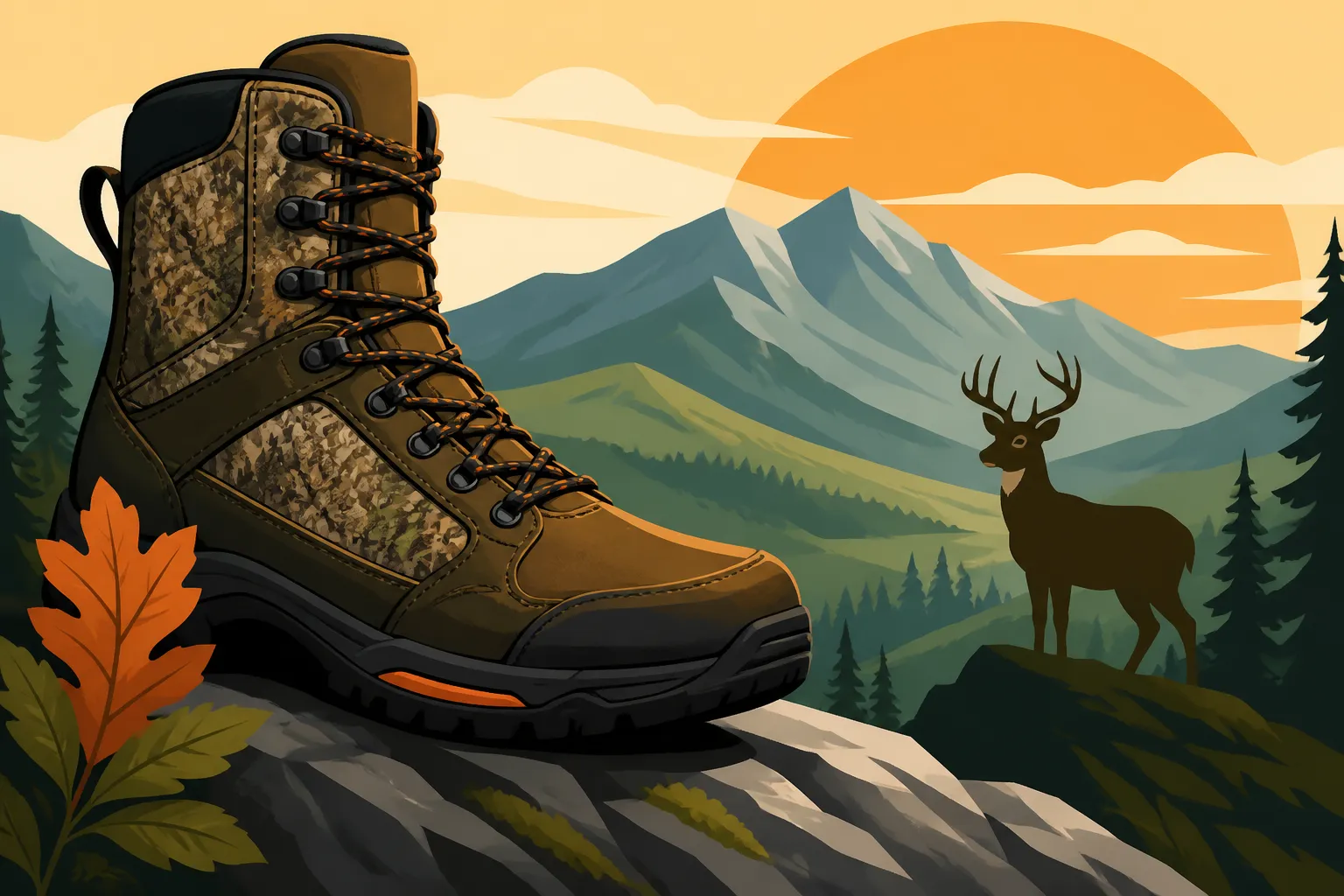
Pennsylvania's mountains, while not the towering peaks of the Rockies, present their own formidable challenges. From the endless undulating ridges to the steep, rocky hollows, your footwear choice can literally make or break a hunting trip. You're not just walking; you're climbing, descending, scrambling, and often slogging through conditions that demand more from your boots than a casual hike.
Steep Climbs, Rocky Trails, and Uneven Ground
If you've ever chased a buck up a seemingly vertical ridge in the Sproul State Forest or side-hilled a shale slide in the Allegheny National Forest, you know what I'm talking about. Our mountains are relentless, full of rocks, roots, and loose scree just waiting to twist an ankle. A typical hiking boot might suffice for a well-maintained trail, but off-trail, where the best hunting often happens, you need serious support. The constant changes in elevation put immense strain on your ankles and the soles of your feet.
Imagine trying to navigate a boulder field after a fresh rain. Without adequate ankle support, every step becomes a gamble. You need a boot that acts as an extension of your leg, providing stability and protecting you from unseen hazards. The upper material and lacing system play a crucial role here, hugging your foot and ankle securely, preventing the kind of lateral movement that leads to sprains and fatigue. The stiffness of the sole also matters, preventing sharp rocks from bruising the bottom of your feet through thinner soles.
Mud, Water Crossings, and Variable Weather
Pennsylvania weather is famously unpredictable. A crisp, dry morning can quickly turn into a torrential downpour, leaving trails a muddy mess and streams swollen. You might start your day with frost on the ground and end it trudging through puddles and slush. This means your boots need to be masters of both waterproofing and shedding mud. There's nothing worse than wet feet in cold weather; it's a fast track to discomfort, hypothermia, and calling it a day early.
Many of our public hunting areas, like some of the larger State Game Lands, feature old logging roads and low-lying areas that can become swamps after even a moderate rain. Crossing a small creek might be a minor inconvenience in the summer, but in November, with freezing temperatures, a boot that lets water in can be disastrous. The materials need to be robust enough to withstand constant exposure to moisture without breaking down, and the seams must be expertly sealed.
Long Miles and Heavy Loads – The Stamina Factor
Hunting Pennsylvania's mountains often means covering serious ground. Whether you're still-hunting slowly through big timber or posting a drive on a distant ridge, those miles add up. And if you're lucky enough to punch a tag, the real work begins: Dragging a Deer Off a Pennsylvania Mountain can turn a few miles into an epic journey, often with hundreds of pounds of deer, gear, and meat on your back. Your boots need to minimize fatigue, absorb shock, and provide comfort over extended periods.
A heavy pack or a deer on your back dramatically increases the stress on your feet and knees. A boot that feels fine for an hour or two can become a torture device after eight hours and multiple climbs. Cushioning, arch support, and a properly designed footbed are critical. This isn't just about avoiding blisters; it's about maintaining energy and focus throughout the day. When you're constantly worried about your feet, you're not paying attention to the subtle signs of deer movement or the quiet rustle of leaves that could mean a gobbler is near.
Essential Features for Pennsylvania Mountain Hunting Boots
When you're shelling out good money for a pair of hunting boots, you want to know what you're paying for. It's not just about the brand name; it's about the technical features that address the specific challenges of our hunting grounds. Getting the right combination of support, waterproofing, and traction is key.
Support and Stability: Ankle Protection is Paramount
The number one priority for mountain hunting boots in Pennsylvania should be ankle support. Our rocky, uneven terrain is a sprain waiting to happen. High-cut boots that lace up well above the ankle provide crucial stability, helping to prevent twists and rolls, especially when Hunting Oak Ridges and Benches or descending a steep incline with loose shale. Look for boots with a stiff shank (the internal support that runs under the arch) that provides torsional rigidity, meaning the boot resists twisting from side to side.
A well-structured heel cup and a snug lacing system that holds your foot firmly in place without creating pressure points are also vital. Some boots incorporate external ankle support systems or stiffer materials around the ankle for added protection. While a stiffer boot might feel less "comfortable" initially, it offers superior protection and reduces fatigue over long, challenging days. Think of it as a low-profile brace for your ankles – you'll thank yourself when you step on that wobbly rock at 4 AM in the dark.
Waterproofing and Breathability: Finding the Right Balance
As we discussed, wet feet are miserable feet. Effective waterproofing is non-negotiable. Most quality hunting boots use a waterproof membrane, like those found in high-end outdoor gear. This membrane forms a barrier that prevents external water from entering while theoretically allowing moisture (sweat) to escape. However, it's a balancing act; truly waterproof boots can sometimes struggle with breathability, especially during early-season hunts when temperatures are higher.
For Pennsylvania, aim for a boot that offers reliable waterproofing without sacrificing too much breathability. Look for materials that are naturally water-resistant or treated, combined with a proven waterproof membrane. The construction matters too – minimal seams reduce potential leakage points. Keep in mind that "waterproof" doesn't mean "submersible indefinitely." If you wade through water deeper than the top of your boot, you're going to get wet. The goal is to keep out rain, dew, shallow puddles, and accidental dips.
Traction and Outsole Design: Grip Where it Matters Most
The outsole of your boot is your direct connection to the ground, and in Pennsylvania's diverse conditions, good traction is paramount. You'll encounter everything from slick mud and wet leaves to bare rock, frozen ground, and soft earth. A multi-directional lug pattern is usually best, designed to grip in various conditions, allowing for both uphill climb and downhill braking. The depth and spacing of the lugs are important – deeper, more aggressive lugs excel in mud and soft soil but can feel clunky on hard surfaces, while shallower patterns might pack up with mud too easily.
Many premium hunting boots feature specialized rubber compounds designed for superior grip and durability. Pay attention to the heel-to-toe drop and the sole's rigidity. A stiffer sole with a good heel brake can be invaluable when descending steep, loose terrain, preventing you from sliding out of control. When scouting or hunting, checking the ground with your Scouting With the Pennsylvania Mapping Center app is one thing, but your boots need to handle the reality underfoot.
Choosing the Right Boot for Different Pennsylvania Mountain Seasons
Just like you wouldn't wear a heavy winter parka in September, your boot choice should adapt to the season. The demands of an early archery hunt are vastly different from those of a late-season flintlock outing, and your feet will thank you for considering the conditions.
Early Season Archery and Warm Weather Needs
When Pennsylvania's Archery Season Opens in mid-September, or even earlier in some WMUs, temperatures can still be quite warm, sometimes hitting the 70s or 80s. During these hunts, the biggest enemy is often sweat, not cold. You still need ankle support and good traction for the terrain, but breathability becomes a top priority. Heavy insulation will lead to sweaty feet, which can cause blisters even faster than wet socks from external moisture.
For early season, look for uninsulated or lightly insulated boots. Materials like durable nylon or lightweight leather can offer breathability. Some hunters even opt for sturdy, high-top trail shoes if they prioritize lightweight agility and aren't carrying heavy loads or traversing extremely rocky areas. The key is managing moisture inside the boot, so pairing these boots with moisture-wicking synthetic or merino wool socks is crucial. Nobody wants to blow a stalk because their feet are burning up.
Mid-Season Rifle Rut and Moderate Conditions
The rifle season in November, especially during Hunting the Pennsylvania Rut in November, presents a more varied set of challenges. Temperatures can swing wildly from mild afternoons to freezing mornings, and you're likely to encounter rain, sleet, or even an early snow. This is where a truly versatile, moderately insulated boot shines. Aim for boots with 200-400 grams of insulation. This provides enough warmth for cooler temperatures without becoming overly hot if you're actively moving.
Waterproofing is absolutely critical during this period. You'll be crossing wet leaves, shallow streams, and potentially navigating muddy trails. The overall robustness of the boot needs to be higher, as you're likely covering more ground and potentially dragging deer through tougher conditions. Many hunters find that a good all-around 8-inch or 10-inch leather or synthetic/leather blend boot with a waterproof membrane is perfect for the heart of the deer season. This is also a good time to ensure you have a comfortable pair for those longer sits in a treestand.
Late Season Flintlock, Archery and Cold, Snowy Hunts
By late December and January, when Flintlock Season Tactics in Pennsylvania are in full swing and the late archery season reopens, Pennsylvania is typically locked in winter's grip. Deep snow, freezing temperatures, and icy conditions are common. This is when maximum insulation and uncompromising waterproofing become paramount. You'll want boots with 800 grams or more of insulation, and some hunters even opt for super-heavy 1000-gram or 1200-gram options, especially if they plan on prolonged static sits in extreme cold.
Beyond insulation, consider the outsole's ability to grip on ice and snow. Some boots feature specialized rubber compounds or tread designs optimized for winter conditions. Look for durable, full-grain leather or heavy-duty synthetic uppers that can withstand abrasive snow and ice. Overshoes or gaiters can also be a game-changer in deep snow, preventing snow from getting over the top of your boots and keeping your lower legs dry. When Hunting Deer in Deep Pennsylvania Snow, your feet need to be warm and dry, or you won't last long.
The Importance of Fit and Proper Break-In
You could buy the most expensive, highly-rated boots on the market, but if they don't fit your feet properly or aren't broken in, they're worse than useless. A bad fit can lead to painful blisters, reduced circulation, and a miserable day afield. This is where patience and attention to detail pay off immensely.
Sizing, Sock Choices, and Avoiding Hot Spots
Boot sizing is not universal. What's a "size 10" in one brand might be slightly different in another. The best advice is always to try boots on in person if possible, especially at a specialty outdoor retailer. When trying them on, wear the exact kind of socks you plan to hunt in – typically a medium to heavy wool or synthetic blend. Try them on later in the day when your feet are slightly swollen, simulating the conditions after a long hike.
You're looking for a snug fit through the heel and midfoot, preventing excessive slippage, but with enough room in the toe box for your toes to wiggle. Your toes shouldn't be pressing against the front of the boot, especially when walking downhill. Walk around the store, find an incline if they have one, and pay close attention to any pressure points or rubbing. These "hot spots" are future blisters in the making. Many serious hunters rely on resources like GoHunt to research boot brands and models before committing to a purchase, finding detailed reviews that speak to fit and common issues.
The Break-In Period: Don't Rush It
This is where many hunters make a critical mistake. They buy new boots a week before opening day, wear them for the first time on a five-mile trek up a mountain, and end up with agonizing blisters. Every pair of quality hunting boots, especially those made primarily of leather, needs a proper break-in period. This allows the materials to soften and conform to the unique contours of your feet.
Start by wearing your new boots around the house for a few hours at a time. Then, move to short walks around your neighborhood or local park. Gradually increase the duration and difficulty of your walks, culminating in a few longer hikes (2-3 miles) over varied terrain, mimicking what you'll encounter while hunting. Listen to your feet. Address any hot spots immediately with moleskin or by adjusting your lacing. Don't push through pain. Rushing the break-in means your feet, and your hunt, will suffer.
Orthotics and Customization for Your Feet
Not all feet are created equal, and stock insoles rarely provide optimal support for everyone. If you have specific foot issues like flat arches, high arches, or suffer from plantar fasciitis, investing in aftermarket orthotics can be a game-changer. These insoles provide superior arch support, cushioning, and stability, greatly enhancing comfort and reducing fatigue over long days. They can essentially customize an off-the-shelf boot to better suit your biomechanics.
Beyond insoles, some boots allow for different lacing techniques that can alleviate pressure points or provide extra ankle support. Experiment with different lace patterns, skipping eyelets where pressure builds up, or using a "surgeon's knot" to lock in the lower part of the boot while allowing for a looser upper. Remember, your boots are a tool, and like any tool, they work best when properly configured for the job – and your foot is a pretty important part of that job!
| Feature Category | Key Consideration | Pennsylvania Mountain Relevance | Ideal for Season(s) |
|---|---|---|---|
| Ankle Support | High cut, stiff shank, secure lacing | Prevents twists on rocky, uneven terrain; critical for side-hilling | All Seasons |
| Waterproofing | Breathable membrane (e.g., Gore-Tex), sealed seams, durable materials | Keeps feet dry from rain, dew, mud, shallow stream crossings | All Seasons, especially Mid & Late |
| Insulation | Grams of Thinsulate or similar material | Regulates foot temperature; prevents sweat in warm weather, holds warmth in cold | Low: Early Archery; Moderate: Rifle Rut; High: Late Archery/Flintlock |
| Traction | Aggressive, multi-directional lug pattern, sticky rubber compound | Grips on mud, wet leaves, rock, snow, and loose scree | All Seasons |
| Comfort/Fit | Snug heel, roomy toe box, good arch support, proper break-in | Prevents blisters, reduces fatigue over long miles and heavy loads | All Seasons |
| Durability | Full-grain leather, reinforced stitching, abrasion-resistant materials | Withstands thorns, sharp rocks, prolonged moisture, and hard use | All Seasons |
Extending the Life of Your Mountain Hunting Boots
A good pair of mountain hunting boots is an investment, both in comfort and in safety. With proper care, they can last for many seasons, but neglect will quickly lead to their demise. Just as you maintain your firearms and vehicles, your boots deserve regular attention.
Cleaning and Drying: The Post-Hunt Ritual
The most basic, yet often overlooked, step in boot care is proper cleaning and drying after every hunt. Mud, dirt, and debris can degrade materials and clog waterproof membranes. As soon as you get home, brush off loose dirt with a stiff brush. For caked-on mud, use lukewarm water and a soft cloth or sponge. Avoid harsh detergents, which can strip natural oils from leather and damage membranes.
Once clean, the most crucial step is thorough, gentle drying. Never dry your boots with direct heat from a campfire, wood stove, or direct sunlight. High heat can shrink leather, melt adhesives, and delaminate waterproof membranes, effectively ruining your boots. Instead, remove the insoles and open the laces wide. Stuff the boots with newspaper or paper towels, changing them every few hours, to absorb internal moisture. Allow them to air dry at room temperature for at least 24-48 hours. A boot dryer with forced air (no heat or very low heat) is an excellent investment, especially if you hunt frequently or in wet conditions.
Conditioning and Waterproofing Treatments
Leather boots benefit immensely from regular conditioning. Leather is skin, and it needs moisture to remain supple and prevent cracking. Use a quality leather conditioner or wax specifically designed for hunting boots. Apply it generously to clean, dry leather, letting it soak in before wiping off any excess. This not only preserves the leather but also enhances its natural water resistance.
Even boots with waterproof membranes can benefit from an external water repellent treatment. Over time, the outer fabric or leather can "wet out," meaning it absorbs water, even if the membrane underneath is still keeping your feet dry. This makes the boots heavier, colder, and can impede breathability. A DWR (Durable Water Repellent) spray or treatment can restore the shedding capability of the outer material. GoHunt often features discussions on different boot care products, highlighting what works best for specific materials and conditions.
When to Repair, When to Replace
No boot lasts forever, especially under the rigors of Pennsylvania mountain hunting. But knowing when to repair a minor issue versus when to invest in a new pair can save you money and headaches. Minor issues like worn laces, eyelets coming loose, or even a small tear in the upper can often be repaired by a skilled cobbler. Resoling a boot with a worn-out tread can extend its life significantly, provided the upper is still in good condition and the boot fits you well.
However, if you start experiencing persistent leaks despite re-waterproofing, if the ankle support becomes compromised, or if the sole is delaminating from the upper, it might be time for a replacement. A boot that no longer provides adequate support or protection is a liability in the backcountry. Don't wait until your feet are soaking wet or you twist an ankle deep in the big woods to decide it's time for new footwear. Prioritize your safety and comfort by knowing when your trusted companions are truly at the end of their trail.
Specific Scenarios and Boot Recommendations
Understanding the general principles is great, but sometimes you need to think about specific types of hunting and what boot might be best for that particular endeavor. Pennsylvania hunting offers a vast array of experiences, each with slightly different demands.
Hunting Heavy Cover and Swamps
If your hunting tends to take you into thick briar patches, laurel hells, or those infamous Pennsylvania swamps that seem to appear out of nowhere, you need boots that are exceptionally durable and waterproof. Often, these areas are found while Hunting Pennsylvania Clearcuts and Regrowth or exploring creek bottoms. For this type of terrain, consider a heavy-duty rubber boot or a hybrid boot with a robust rubber lower and a waterproof, abrasion-resistant upper.
Rubber boots offer unparalleled waterproofing and scent control, which can be an advantage when Rubber Boots for Scent Control is a concern. They are also easier to clean. However, they typically offer less ankle support and breathability than traditional leather or synthetic hiking-style boots. Some manufacturers now offer insulated rubber boots that provide both warmth and waterproofing. If you opt for rubber, make sure to find a pair with aggressive tread and enough stiffness in the sole to handle some uneven ground, not just flat mud.
Long-Distance Scouting and Mountain Backpacking Hunts
For those ambitious hunters who like to scout deep into remote areas before the season or even attempt multi-day backpacking hunts, the demands on footwear shift towards lightweight durability and sustained comfort. You're covering serious miles, possibly off-trail, and every ounce on your feet translates to extra fatigue. This means a focus on boots that offer excellent support without excessive weight.
Many serious backcountry hunters gravitate towards a high-quality mountain hunting boot that balances stiffness, support, and a manageable weight. These boots often feature a blend of full-grain leather and advanced synthetic materials to reduce bulk while maintaining performance. Brands like Crispi and Kenetrek are popular choices in this category. They are designed for rugged mountain expeditions, providing the Boots and Packs for Steep Country needed for such ventures. You'll be crossing diverse terrain, so superior traction and dependable waterproofing are givens.
Treestand Hunting and Cold Weather Sits
While still-hunting and drives demand active, supportive boots, extended sits in a treestand, particularly during the late season, prioritize warmth and stillness. Your feet are static, and cold can quickly seep in, especially through the platform of your stand. For these situations, sometimes your primary hunting boots aren't enough, or you might choose a different type of boot altogether. Cold Weather Sitting Strategy starts from the ground up, with your feet.
Heavily insulated boots, often with 800 grams or more of insulation, are essential. Some hunters even use oversized "boot blankets" or insulated overboots that slip over their regular hunting boots to add an extra layer of warmth during those long, frigid waits. The focus here is less on aggressive traction and more on trapping heat. While you still need to get to and from your stand, the primary function during the sit is thermal retention. This is where Insulated Boots for All-Day Sits truly earn their keep.
Disclaimer
This article is for general informational purposes only and does not constitute professional advice. Laws, prices and regulations vary by location and change over time. Consult a qualified professional for guidance on your specific situation.