Hunting the Pennsylvania Rut in November
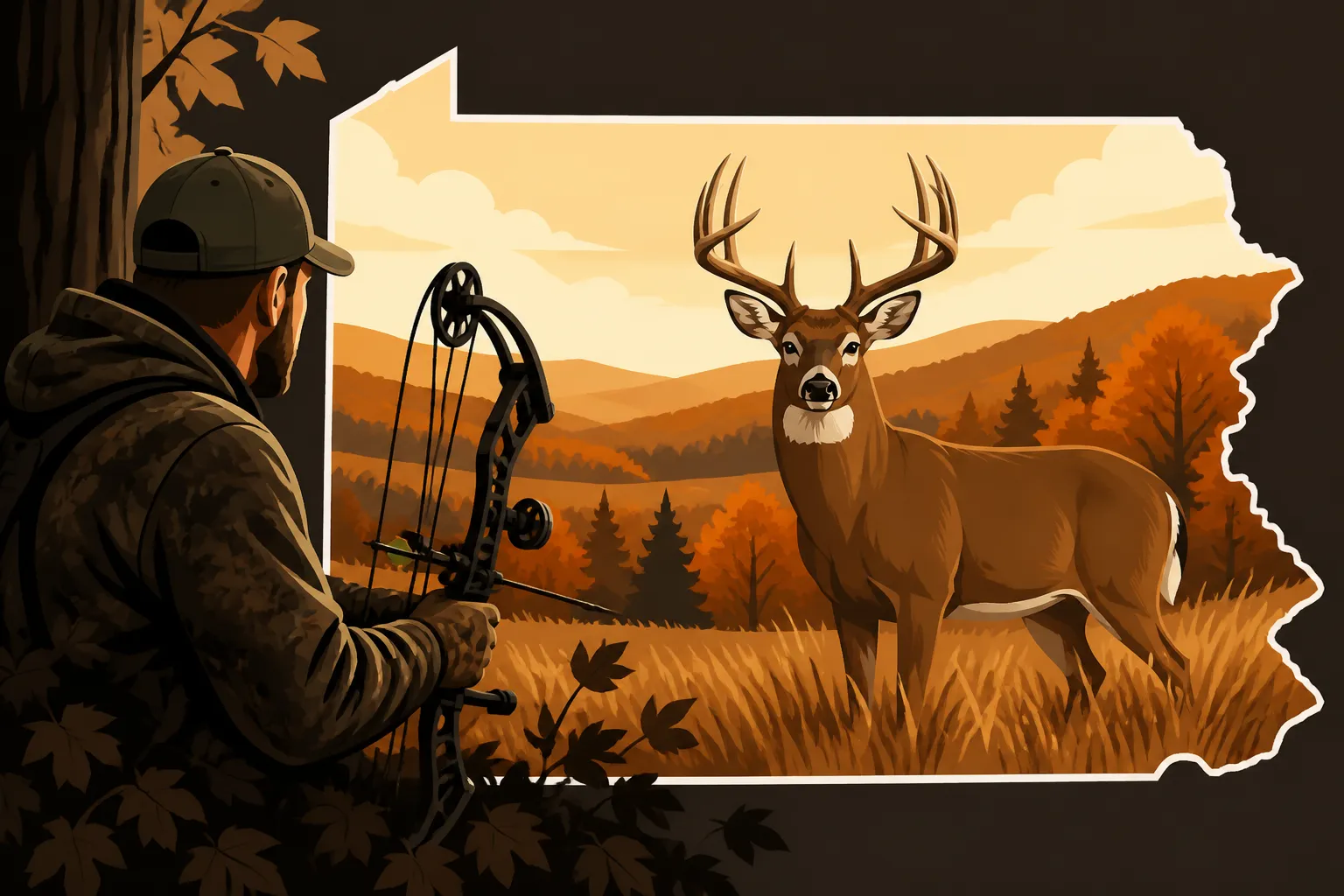
The Pennsylvania rut is often heralded as the most exciting, and sometimes the most frustrating, time to be in the deer woods. You've heard the stories, seen the trail camera pictures, and dreamt of that big buck making a mistake he wouldn't typically make. But in the real world of Pennsylvania hunting, where terrain is challenging, and pressure can be high, knowing how to navigate the nuances of November can feel like trying to hit a moving target. This guide is designed to peel back the layers of the Pennsylvania rut, helping you understand the deer's behavior, refine your strategies, and ultimately increase your chances of connecting with a whitetail when it truly matters.
Understanding the Stages of the Pennsylvania Rut
The "rut" isn't a single event; it's a dynamic period with distinct phases, each demanding a slightly different approach from hunters. Just because it's November doesn't mean every buck is running wild after does, 24/7. Understanding these stages is crucial for anticipating deer movement and planning your hunt effectively.
The Pre-Rut Frenzy
Before the peak breeding begins, typically in late October and early November, bucks start getting serious. This is often referred to as the "seeking" or "chasing" phase. Testosterone levels are surging, and bucks are actively looking for the first does to come into estrus. They're making rubs and scrapes more frequently, scent-checking areas, and covering a lot of ground. You'll see a lot of sparring among younger bucks and increased daytime movement from mature deer who are starting to expand their home ranges.
This period can be incredibly productive because bucks are still somewhat predictable in their travel patterns, often using established corridors as they search. However, they're not yet completely abandoning caution. It’s a delicate balance where a buck might chase a doe out of the timber, but if she beds down, he’s likely to bed nearby, still aware of his surroundings. This is a prime time for calling and rattling because bucks are keen to challenge perceived rivals or find a receptive doe. Many successful hunts occur during this lead-up when bucks are actively searching but before the chaos of peak breeding disperses them too widely. For more insights on this specific period, check out our article on Hunting the Pre-Rut in Late October.
The Peak Breeding Phase
This is what most hunters imagine when they think of "the rut," usually falling in the second and third weeks of November in Pennsylvania. During this time, a significant number of does enter estrus, and bucks are singularly focused on breeding. This means they're often locked down with a hot doe, sometimes for a day or even longer, leading to what can feel like a sudden drop-off in buck sightings. You might go from seeing several bucks daily to nothing but does and fawns. It's frustrating when it feels like all the deer have vanished, but what's actually happening is that bucks are tending does, sometimes deep in thick cover.
However, once a buck breeds a doe, he's back on the prowl, looking for the next receptive female. This means there are still bursts of intense activity. Bucks will cruise through traditional doe bedding and feeding areas, checking for new opportunities. This phase is characterized by less predictable patterns, as a buck's movement is dictated almost entirely by the presence of a hot doe. The key here is persistence and covering ground that does frequent, knowing that a buck might just show up out of nowhere.
The Post-Rut Wind-Down
As the peak breeding winds down, usually by late November and into early December, some does may still come into estrus, particularly younger does or those not bred during the primary window. Bucks are often exhausted from the intense activity of the past weeks. They've burned a significant amount of their body fat and are now prioritizing recovery and feeding. You might see bucks exhibiting less aggressive behavior, focusing more on food sources to replenish their energy.
This doesn't mean the rut is entirely over, but the frenetic, all-day chasing largely subsides. Bucks are still somewhat responsive to calling, especially if they are looking for a last chance to breed. However, they're often more wary and less prone to reckless behavior. Hunters during this period should shift their focus back to prime food sources, like remaining acorns, standing corn, or winter browse, and consider Late Antlerless Hunting in Pennsylvania strategies, as does will also be concentrated on feeding. It's a challenging but not impossible time to hunt, requiring patience and a return to more classic hunting strategies.
Locating Rutting Bucks in Diverse Pennsylvania Landscapes
Finding a buck during the rut can feel like finding a needle in a haystack, especially in Pennsylvania's varied terrain, from the sprawling "big woods" to the fragmented farm country. The key is to think like a buck: where would he go to find does, or where would he push a doe to breed her?
Identifying Key Funnels and Travel Corridors
During the rut, bucks are constantly on the move, searching for does. This makes natural funnels and travel corridors absolute hotspots. Think about bottlenecks in the landscape that naturally constrict deer movement. This could be a narrow strip of timber between two open fields, a saddle in a ridge, or a pinch point where a creek bends sharply, forcing deer to use a specific crossing. Deer, and especially rutting bucks, will use the path of least resistance, and funnels exploit this behavior.
A prime example might be a logging road that traverses a ridge, or a dip in a steep mountainside that allows easier travel between higher and lower elevations. Bucks will cruise these funnels, scent-checking for does that have passed through. Setting up a stand or ground blind overlooking these natural highways can be incredibly effective, particularly during the middle of the day when bucks are often still moving but less visible in open areas. Understanding the lay of the land, whether through on-the-ground scouting or using mapping tools like GoHunt, is essential to pinpointing these high-traffic zones. Many hunters find success by having multiple stand locations scouted in these areas, ready to move based on wind direction and observed deer sign.
Hunting Scrapes and Rub Lines
While some argue that scrapes lose their effectiveness during the peak rut, they remain crucial indicators of buck activity, especially during the pre-rut and early stages of peak breeding. A scrape is essentially a buck's calling card, an advertisement of his presence and availability. During November, fresh scrapes, particularly "community scrapes" where multiple deer visit, can tell you where bucks are frequently passing through. Rub lines, which are a series of rubbed trees, also indicate a buck's travel route and can lead you directly to his core area or a preferred travel corridor.
Pay close attention to scrape lines along logging roads, field edges, or creek bottoms. While a buck might not stop to work every scrape during the peak of chasing, the mere presence of fresh activity confirms he’s in the area. Setting up near an active scrape line, especially one bordered by good cover, can intercept a buck checking for new does. It’s also worth noting how rubs connect different areas – they might lead from a bedding area to a food source, or simply mark a dominant buck's territory. These visual cues can guide you to productive setups, giving you a better idea of where deer are transitioning between different habitat types.
Focusing on Doe Bedding Areas
Ultimately, bucks are looking for does, so focusing your efforts on areas where does bed and feed is a common and often successful strategy during the rut. Doe bedding areas might be thick pockets of cover, dense stands of hemlock, or areas with young, regenerating forest growth that offers both security and browse. During the rut, bucks will often circle these areas, scent-checking for does, or even push a hot doe into such cover for breeding.
Don't be afraid to hunt the fringes of known doe bedding. Setting up on a downwind approach to these areas, especially during midday, can intercept a buck moving between different pockets of cover. In farm country, this might mean hunting the edges of woodlots adjacent to open fields where does feed. In the big woods, it could be a laurel thicket or a clearcut where deer find refuge. Knowing where the does are is half the battle; the bucks won't be far behind. Our guide on Hunting Oak Ridges and Benches also provides valuable insights into how deer utilize different terrain features, which can be applied to doe bedding locations.
Effective Stand Strategies for November's Whitetail Madness
The rut changes everything. Strategies that work in October might be completely ineffective in November. It’s time to abandon conventional wisdom about morning and evening hunts and embrace the unpredictable nature of deer during peak breeding.
All-Day Sits and Midday Movement
If there's one golden rule for rut hunting, it's this: stay on stand all day if you can. Bucks are simply less predictable during the rut. While there are still peaks in movement around dawn and dusk, much of the chasing, cruising, and tending behavior happens during the middle of the day. A buck might bed down with a doe at sunrise and not move again until 10 AM, only to be up and cruising for hours before bedding again in the afternoon. Leaving your stand at 10 AM for lunch or a break means you're potentially missing out on prime opportunities.
Preparing for an all-day sit involves bringing enough food, water, and warm clothing, especially given Pennsylvania's November weather can be quite unpredictable. A comfortable seat, like those found in a good climbing treestand or a sturdy ground blind, is also essential. Layering clothing is key for comfort as temperatures fluctuate, especially if you're experiencing a Cold Weather Sitting Strategy. The more hours you have your boots in a stand, the higher your chances of intercepting a buck that's on the move, rather than sticking to a rigid morning/evening schedule.
Hunting the Edges of Cover
During the rut, bucks are often on the move, but they still value security. This makes hunting the "edges" of heavy cover incredibly productive. Imagine a dense clearcut or a thick laurel patch: does will bed in there, and bucks will often cruise the perimeter, scent-checking for receptive females without having to plow through the densest stuff. They also might push a doe just inside this cover for breeding. Setting up on the downwind side of these edges, looking into or across openings, can be a fantastic strategy.
These edges provide a natural transition zone where deer feel secure enough to move during daylight but are also exposed enough for you to get a shot. Look for tracks, rubs, and fresh scrapes along these transition lines. In farm country, this might mean the edge where a woodlot meets a cornfield or a thick hedgerow. In the big woods, it could be the border of a new timber cut, a replanted area, or a deep hemlock ravine. The key is to position yourself where you can see into the cover but also catch deer moving along its border, taking advantage of their desire for both movement and security.
Setting Up for Cruising Bucks
Cruising bucks are those actively traveling, often at a steady pace, covering ground in search of a hot doe. They aren't necessarily chasing one specific doe; they're on a mission to find one. These bucks often utilize established travel corridors, pinch points, and transition zones between different habitat types. Setting up where you anticipate these bucks to be moving through, rather than where they might stop to feed, is a distinct strategy for the rut.
This often means selecting a stand location that offers a wider view of a travel lane, a saddle, or a ridge-line where bucks would naturally cross. It requires good visibility and clear shooting lanes to quickly intercept a buck that might be passing through quickly. Pay close attention to the wind, as these bucks are often scent-checking large areas. Mapping tools, like those available through GoHunt, can help identify natural travel corridors and contour lines that cruising bucks will exploit. Having a good understanding of Wind and Thermals on a Ridge is absolutely critical when trying to intercept a buck traveling through. This strategy is less about waiting for a deer to come to you at a specific food source and more about intercepting one that's on an active search.
Calling and Decoying Tactics During the Peak Rut
When bucks are rut-crazed, they become more responsive to sounds and sights that simulate other deer. This is your chance to turn the tables and draw them in, rather than just waiting for them to appear.
Aggressive Grunt Calling and Rattling
During the peak rut, bucks are feeling dominant and competitive. This is the time to be more aggressive with your calling. A series of loud, deep grunts can simulate a buck tending a doe or challenging another buck, often provoking a curious or territorial response. Combine grunts with snort-wheezes, which are highly aggressive vocalizations that signal a buck ready for a fight. These calls are particularly effective when you've spotted a buck moving away or out of range, as they can sometimes turn him around.
Rattling, which simulates two bucks fighting, is another powerful tactic. During the pre-rut and early peak, bucks are still establishing dominance, and rattling can draw them in quickly. Even during the peak, an unseen buck might still investigate a fight, either to challenge the victor or to see if a receptive doe is nearby. Use real antlers or a high-quality rattling bag to create realistic sounds. Be prepared for a buck to come in fast and aggressively, so have your weapon ready. Our article on Rattling and Grunting in Pennsylvania dives deeper into the specific techniques that work in our state. Remember, patience is key, as a buck might take a few minutes to commit, circling downwind to scent-check the source of the commotion.
Strategic Decoy Placement
Decoys can be incredibly effective during the rut, especially when combined with calling. A visual stimulant can be the final piece of the puzzle that convinces a hesitant buck to come into range. The most common setup involves a buck decoy, sometimes paired with a doe decoy. The placement is critical: always position your decoy so that an approaching buck will approach into the wind, passing your stand on his way to challenge the decoy. This often means placing the decoy about 20-30 yards from your stand, broadside or slightly quartering away, mimicking a subordinate buck or a buck tending a doe.
Consider using a smaller, less dominant buck decoy to make a real buck feel more confident in approaching. Some hunters even use a doe decoy facing away from the stand, suggesting she's ready to be bred, which can draw in an aggressive buck. The type of decoy, its realism, and its scent-free status are all important. Ensure your decoy is lightweight and easy to deploy, as you might need to move it based on your setup. A decoy can be particularly good in open field edges or clearings where deer can see it from a distance, drawing them out of cover.
Utilizing Doe and Fawn Bleats
While aggressive calls focus on challenging bucks, doe and fawn bleats can also be highly effective, especially when bucks are actively searching. A doe bleat, particularly a "estrus bleat," can mimic a receptive doe calling for a buck. This can draw in cruising bucks that are silently searching for a mate. It's a less aggressive call than a grunt or rattle, often appealing to bucks that might be more cautious.
Fawn bleats can also work, especially in areas where does and fawns are present. A fawn bleat can sometimes attract a doe who thinks her fawn is in distress, and if she has a buck with her, he'll likely follow. Furthermore, a buck might investigate a fawn bleat thinking he's found a doe. These softer, more pleading calls can be excellent for drawing in deer without sounding overly aggressive or unnatural. Combine them subtly with a gentle shake of rattling antlers or a soft grunt for a convincing scenario.
Adapting to Weather and Hunting Pressure
Pennsylvania's November weather can swing wildly, and hunting pressure, particularly on public lands, is a constant factor. Successful rut hunting often comes down to how well you adapt to these external influences.
Cold Fronts and Precipitation Impact
November in Pennsylvania often brings significant weather changes, from mild days to sudden cold snaps, rain, or even early snow. These weather patterns can dramatically influence deer movement. Cold fronts, especially after a period of mild weather, often trigger increased deer activity. The sudden drop in temperature makes deer, particularly bucks, move more as they fuel their bodies and continue their rutting activities. A fresh coating of snow can also be a blessing, quieting the woods and making deer easier to spot. Still-Hunting After a Fresh Snow can be incredibly effective, especially when bucks are cruising.
Conversely, heavy rain or strong winds can reduce visible movement. Deer will often bed down during severe weather, only to become active again once it breaks. If you find yourself in a downpour, consider waiting it out in a sheltered spot, knowing that the deer will likely be moving when the rain stops. Pay attention to weather forecasts and adjust your hunting times and locations accordingly. Hunting a day or two after a cold front passes, or immediately after a rain shower, can be incredibly productive as deer make up for lost time.
Dealing with Public Land Pressure
Pennsylvania boasts an impressive amount of public hunting land, but with that comes significant hunting pressure, especially during the rut and the firearms season that often overlaps. This pressure can make bucks more nocturnal or push them into the thickest, nastiest cover they can find. If you're hunting State Game Lands or State Forests, expect company. The key to success often lies in getting away from the crowds.
This means being willing to walk farther than most hunters. Use mapping applications like GoHunt to identify hard-to-reach pockets of cover, steep terrain, or areas far from parking lots. These spots often hold deer that have been pushed out of more accessible areas. Consider Scouting Pennsylvania Public Land Before Season to find these hidden gems. You might also want to try still-hunting through thickets or using a ground blind in overlooked areas rather than relying on heavily used treestand spots. Understanding how deer react to pressure and adapting your approach is vital for consistent success on public ground. Sometimes, a deer drive, if you have a few hunting partners, can push deer out of dense areas and create opportunities. Our guide on Deer Drives on Pennsylvania State Game Lands provides effective tactics for this.
Hunting After the Initial Firearms Week
While the focus of "rut hunting" is often on the archery season leading up to and during the peak, the early part of Pennsylvania's firearms season in November often coincides with the tail end of the peak rut or the post-rut. This period can still be highly productive, but the dynamics change significantly due to the increased hunting pressure from rifle hunters. Bucks that were once cruising openly might now be extremely wary and nocturnal.
Your strategy during this time needs to account for the pressure. Look for bucks holding tight in thick cover during the day. Focus on areas that offer security and escape routes, knowing that deer will be on high alert. This might mean still-hunting slowly through dense regrowth or positioning yourself near thickets and sanctuaries. While many hunters are spread out, covering ground, a patient sit in heavy cover can pay off. The deer are still trying to recover from the rut's energy drain and are focusing on food, but they're doing it cautiously. Even though the "madness" of the rut might be winding down, smart hunters can still find success by understanding deer behavior under pressure. The article Hunting Pennsylvania's Uninterrupted Firearms Season offers more in-depth strategies for this specific timeframe.
Essential Gear and Preparations for the November Rut
Hunting the Pennsylvania rut in November demands more than just knowing deer behavior; it requires the right gear and thorough preparation to endure long sits and capitalize on fleeting opportunities.
Warmth and Comfort for Long Sits
As discussed, all-day sits are crucial during the rut. November in Pennsylvania can deliver bone-chilling cold, rain, sleet, or even snow. Staying warm and comfortable is not just about personal preference; it's about staying focused and alert. Layering your clothing is paramount. Start with a moisture-wicking base layer, add insulating mid-layers (wool or synthetic fleece work well), and top it off with a windproof and waterproof outer shell. Don't forget extremities: insulated, waterproof boots, thick wool socks, hand warmers, and a warm hat are non-negotiable.
Consider a portable heater for a ground blind or a well-insulated seat pad for a treestand. Proper hydration and calorie intake are also part of the warmth equation. Pack high-energy snacks and a thermos with hot coffee, tea, or soup. The better prepared you are for the cold, the longer and more effectively you can hunt, increasing your chances of seeing that elusive rutting buck. Nothing ruins a hunt faster than shivering uncontrollably when a deer walks by.
Optics and Scent Control
High-quality optics are your eyes in the woods, especially during the low light of dawn and dusk, or when trying to pick out a buck from a distance. A good pair of binoculars (8×42 or 10×42 are popular choices) will help you scan distant ridges, identify deer in thick cover, and even spot faint deer sign. A rangefinder is also invaluable for quickly and accurately determining distances in varied terrain, ensuring ethical shots.
Scent control remains critical during the rut, perhaps even more so when bucks are actively scent-checking everything. While a rut-crazed buck might sometimes throw caution to the wind, he's still a deer with an incredible nose. Shower with scent-free soap, wash hunting clothes in scent-eliminating detergent, and store them in airtight containers. Use scent-eliminating sprays on your boots and gear before heading into the woods. Play the wind religiously, always trying to position yourself downwind of where you expect deer to approach. Even with all the rut madness, a deer's nose is still its primary defense.
Mapping and Scouting Tools
Modern hunting has been revolutionized by digital mapping and scouting tools, and they are especially useful during the rut. Apps like GoHunt provide invaluable information about topography, property boundaries (critical for public land hunting), aerial imagery, and potential access points. You can use these tools to identify natural funnels, pinch points, bedding areas, and potential escape routes for deer. This allows for efficient e-scouting, saving you boot leather and time.
Before the season, use these maps to mark potential stand locations, historical deer sightings, and areas of high sign. During the season, they help you navigate silently to your stand in the dark, track deer movement, and even plan your recovery route for a successful harvest. Combining digital maps with on-the-ground scouting to verify sign and terrain is the ultimate one-two punch. The more you know about the land, the better you can anticipate deer movement during the unpredictable rut, helping you decide where to hang a stand for optimal success. Consider dedicating time to Scouting Pennsylvania Public Land Before Season with these tools to maximize your rut hunting potential.
Summary of Pennsylvania Rut Hunting Strategies
| Rut Phase | Key Buck Behavior | Recommended Tactics | Optimal Stand Location | Calling/Decoying Strategy |
|---|---|---|---|---|
| Pre-Rut | Seeking, expanding range, making rubs/scrapes, sparring | Active scouting, aggressive calling/rattling | Funnels, travel corridors, fresh scrape lines | Aggressive grunts, snort-wheezes, rattling |
| Peak Rut | Chasing, tending does, less predictable movement | All-day sits, focus on doe areas, intercept cruising | Downwind of doe bedding, major travel routes, pinch points | Estrus bleats, soft grunts, buck decoys |
| Post-Rut | Recovering, feeding, less aggressive, secondary rut | Focus on food sources, late-season calling | Food plots, remaining acorns, thick cover | Subdued grunts, doe bleats |
This table offers a quick reference, but remember, flexibility and adaptability are the cornerstones of successful rut hunting. The deer won't always read the textbook, but understanding these general patterns will give you a significant edge.
Disclaimer
Hunting is an inherently dangerous activity. Always prioritize safety, follow all Pennsylvania Game Commission regulations, and be aware of your surroundings. The information provided in this guide is for informational purposes only and should not replace proper hunter education or professional guidance. Make responsible choices when in the field.