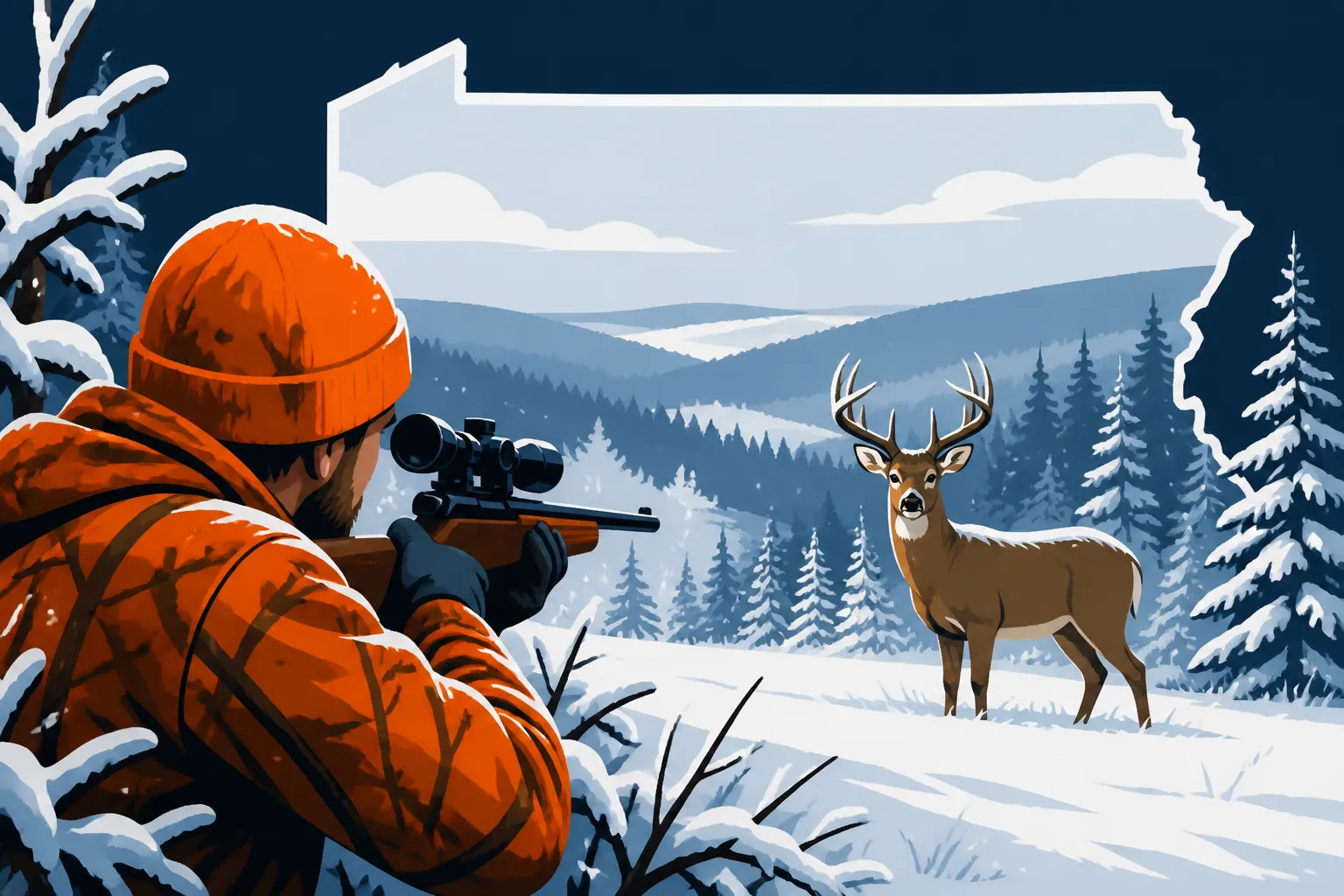
Hunting Deer in Deep Pennsylvania Snow
The crunch of snow underfoot, the biting wind whipping through the barren trees, and the sheer effort of slogging through drifts can make deer hunting in deep Pennsylvania snow feel like an impossible feat. Many hunters simply hang up their boots when the flakes really start to fly, assuming the deer are hunkered down, unapproachable, or just too difficult to locate. But for those willing to brave the elements, late-season hunting in significant snowfall can offer some of the most rewarding and strategic opportunities of the entire year. This guide will walk you through everything you need to know to successfully hunt whitetails when Pennsylvania is blanketed in deep snow, from understanding deer behavior to essential gear and effective tactics.
Understanding Deer Behavior in Deep Snow
When Mother Nature dumps several inches, or even feet, of snow on Pennsylvania's landscape, it dramatically alters how deer move, feed, and survive. Their primary goals shift to energy conservation and finding accessible food, which can make them more predictable for the savvy hunter.
Deer Movement and Bedding Patterns in Winter
Deep snow is like quicksand for deer; every step costs them precious calories. This is why you'll often see a marked change in their movement patterns. Instead of wandering widely, they tend to stick to established trails that other deer have already packed down, creating a network of highways through the white landscape. These trails will often connect bedding areas to feeding grounds, creating choke points that can be highly advantageous for hunters.
Deer will also seek out thermal cover. This isn't just about hiding from hunters; it's about escaping the wind and retaining body heat. Think dense stands of conifers like hemlocks or pines, thick laurel patches, or even steep, south-facing slopes that catch more sunlight and offer a natural windbreak. These areas provide both shelter and often reduced snow depths, making travel easier. You might find several deer bedded closely together in such spots, pooling their body heat, especially during the harshest conditions. Identifying these critical habitat features on a mapping tool like GoHunt before you even step foot in the woods can save you hours of aimless wandering and put you directly into prime deer country.
Key Food Sources When Snow Blankets the Ground
With everything covered in white, a deer's usual buffet of acorns, green browse, and fallen mast becomes largely inaccessible. Their diet shifts to what's available and requires the least amount of energy to reach. This means targeting persistent browse like honeysuckle, greenbrier, and certain evergreen shrubs that poke through the snow. In agricultural areas, standing cornfields or fields with corn stubble become absolute magnets. Deer will yard up in nearby cover and make regular forays into these fields, digging through the snow to reach the kernels.
Remember that a failed acorn crop from the previous fall can make these other food sources even more critical. Deer might also browse on the tips of young saplings, creating distinct "browse lines" that indicate heavy deer use. Creek bottoms and sheltered hollows can also offer slightly less snow and more access to buried forage. The key is to find these concentrated food sources, as deer will not travel far from them in deep snow unless absolutely necessary.
Essential Gear and Preparations for Snowy Conditions
Hunting in deep snow is not for the faint of heart, nor for the unprepared. The right gear and a solid plan can make the difference between a miserable day and a successful, safe hunt.
Clothing and Layering for Extreme Cold
Staying warm and dry is paramount. You'll be expending a lot of energy, even when moving slowly, and sweat can quickly turn into a hypothermia risk once you stop. The key is effective layering:
- Base Layer: Start with moisture-wicking material next to your skin. Synthetics or merino wool are excellent choices that pull sweat away from your body.
- Mid-Layers: Add insulating layers like fleece or wool. Wool Versus Synthetics in Wet Cold is an important consideration; wool retains warmth even when damp, which can be a lifesaver.
- Outer Shell: Your outermost layer needs to be waterproof, windproof, and breathable. This protects you from the elements while still allowing some moisture to escape. Make sure it's quiet enough for hunting.
Don't forget extremities! A warm hat that covers your ears, insulated gloves or mittens, and thick, warm socks are crucial. Many experienced hunters carry chemical hand warmers and foot warmers to extend their time on stand, especially for a Cold Weather Sitting Strategy.
Navigating Deep Snow: Boots, Snowshoes, and Sleds
Footwear is non-negotiable for deep snow. You need waterproof, insulated boots with excellent traction. Look for models with at least 800-1200 grams of insulation, especially if you plan to be stationary. Consider a size up to accommodate thick socks without constricting circulation.
When snow depths exceed 10-12 inches, or if you're venturing into untracked areas, snowshoes become an invaluable tool. They distribute your weight, preventing you from post-holing with every step, which is exhausting and loud. Practicing with them beforehand in similar terrain can save you a lot of frustration in the field.
For extracting a harvested deer, forget dragging it directly through deep snow – it's a back-breaking proposition. A deer sled or specialized game cart (though a cart can be cumbersome in truly deep, soft snow if not specifically designed for it, so be mindful of Using a Deer Cart on Game Lands) is essential. Even a simple plastic toboggan can make the job significantly easier by gliding over the snow rather than plowing through it. Consider bringing extra rope for pulling, and maybe even a small shovel if you anticipate needing to clear paths or dig out a stuck sled.
Optics and Firearm Considerations
Cold, snowy conditions can wreak havoc on optics. Binoculars and rifle scopes can fog up when moving from a warm vehicle to cold air, or simply due to your body heat. Carry lens cleaning cloths and anti-fog wipes. Many hunters prefer lower-magnification scopes for timber hunting, which often means wider fields of view and better light gathering in dark, snowy woods. Keep your firearm clear of snow and moisture. A simple piece of electrical tape over the muzzle can prevent snow from packing into the barrel, which could be dangerous if not removed before firing. A reliable sling is also crucial for carrying your rifle or shotgun when navigating difficult terrain.
Tracking and Still-Hunting Tactics
Deep snow creates an undeniable advantage for the hunter: tracks. Fresh snow makes deer sign incredibly easy to read, transforming the forest floor into a giant game map.
Reading Fresh Tracks and Sign
Snow is a pristine canvas, and deer are excellent artists. When you hit fresh snow, you're looking for tracks that are crisp, well-defined, and not filled with snow or ice. Pay attention to the edges of the track; sharp edges indicate very recent passage.
You'll also be looking for other signs of recent activity:
- Droppings: Fresh deer pellets will be soft, warm (initially), and dark. Older droppings will be hard, cold, and often covered in a dusting of snow.
- Browse: Look for freshly clipped twigs or torn vegetation. The more recent the cut, the brighter and moister the exposed wood will be.
- Bedding Areas: Fresh beds will often have melted snow around the edges from the deer's body heat, and the snow inside the bed will be packed down and warmer to the touch.
When you find fresh tracks, try to determine the deer's gait. A consistent, unhurried stride often indicates a feeding or leisurely moving deer, while splayed hooves, deep prints, and long bounds signal an alarmed animal. Using a mapping app like GoHunt can help you visualize the terrain ahead, anticipate where the deer might be headed for shelter or food, and plan your approach. This visual aid combined with fresh tracks can be incredibly powerful.
Mastering the Still-Hunt in Snow
Still-hunting is perhaps the most effective tactic in deep snow. The snow not only reveals tracks but also muffles sound (to an extent) and makes deer more visible against the white backdrop. The key is to move agonizingly slowly, taking only a few steps, then pausing for several minutes to scan, listen, and glass.
Here's how to execute a successful still-hunt:
- Work the Wind: Always hunt into the wind or with a crosswind. Deer rely heavily on their noses, and a swirling wind can carry your scent ahead of you. Be mindful of Wind and Thermals on a Ridge, as they can shift unexpectedly.
- Use Cover: Even though deer are more visible, use trees, bushes, and terrain to break up your silhouette.
- Listen Intently: The crunch of your own boots on snow can be loud, but so too can a deer moving through crusty snow. Listen for subtle sounds – a twig snapping, the rustle of a deer getting up from its bed, or the soft scrape of antlers on brush.
- Scan, Scan, Scan: Look for horizontal lines (a deer's back) in a vertical world, patches of brown fur, or a flicking ear. Deer often bed with their back to the wind, so approach from downwind, always looking ahead. Focus on thickets, hemlock groves, and the edges of clearcuts – prime bedding and travel corridors in winter. Many hunters find success when they are Still-Hunting Pennsylvania Big Woods in these conditions.
Leveraging Deer Drives in Deep Snow
While often associated with rifle season, small, strategic deer drives can be effective during late archery or Flintlock and Muzzleloader Deer Hunting in Pennsylvania, especially in deep snow. The snow itself works as a natural barrier, making deer more reluctant to run long distances and more likely to stick to known trails.
This tactic works best with 3-5 hunters. A few "drivers" walk slowly through dense cover, pushing deer towards "standers" positioned on known escape routes, pinch points, or near concentrated food sources. Communication is critical, as is safety. Everyone involved must know the layout of the land, be aware of each other's positions, and have clear shooting lanes. The goal isn't to blast through the woods, but to subtly nudge deer into predictable paths where a clean, ethical shot can be taken. Always ensure all participants are wearing adequate Hunter Orange Square Inches, even if not legally required for your specific season, for maximum visibility.
Post-Harvest Considerations in Winter
Even after a successful shot, the work isn't over. Recovering and caring for your deer in deep snow presents its own set of challenges.
Tracking and Recovery Challenges
The good news is that blood on snow is usually quite visible. However, deep snow can also cover scent trails, and a wounded deer might still travel a considerable distance, making for a tough Tracking a Deer in Pennsylvania Snow. Mark the exact spot of the shot, noting any landmarks, and begin tracking immediately. If the deer makes it into a thicket or heavy thermal cover, be prepared for a difficult recovery.
Take your time, confirm consistent blood flow, and look for signs of a mortally wounded animal (staggering, lying down frequently). If you lose the trail, back out and return with more people or a tracking dog if permitted in your area. Waiting too long in freezing temperatures can stiffen the deer, making it incredibly difficult to move.
Field Dressing and Meat Care in Cold Conditions
One major advantage of hunting in deep snow and cold weather is natural refrigeration. The cold helps preserve the meat, slowing bacterial growth. However, Field Dressing a Deer in Cold Weather still requires diligence. Once the deer is down, get to work quickly to remove the entrails, allowing the carcass to cool internally. This is often an easier task in the cold, as flies and other insects are absent.
After field dressing, the real challenge begins: getting the deer out. This is where your sled, deer cart, or a sturdy rope for dragging becomes invaluable. If you're alone, boning out the deer in the field can significantly reduce the weight and make extraction in a backpack frame much more manageable. Just be sure to bring game bags to keep the meat clean. Getting a Deer Out of a Pennsylvania Hollow in deep snow can be an exhausting endeavor, so prepare for a physical workout and don't hesitate to call for help from a hunting buddy if needed.
| Winter Hunting Condition | Deer Behavior | Hunter Tactic | Essential Gear |
|---|---|---|---|
| Deep, Soft Snow (12"+) | Concentrates in thermal cover, follows packed trails, avoids open areas. | Still-hunt slowly along edges of cover, use small drives, focus on pinch points. | Snowshoes, insulated waterproof boots, deer sled/heavy rope. |
| Crusty Snow | Very loud movement, deer often avoid moving unless pressured. | Ambush near known food sources, use wind to mask sound, focus on bedding areas. | Quiet outer layers (wool), hand/foot warmers for static sits, insulated boots. |
| Icy Conditions | Very difficult for deer to move, seeks stable footing, risks falling. | Extreme caution, focus on sheltered areas with minimal ice, limited movement. | Traction devices for boots, extra layers, focus on safety first. |
| Fresh Snowfall (during hunt) | Deer often move during falling snow, may be less wary. | Aggressive still-hunting, tracks easy to read, good visibility against snow. | Waterproof outerwear, lens wipes for optics, comfortable backpack. |
| Very Cold Temps (-10°F or colder) | Maximizes thermal cover, minimizes movement, feeds quickly. | Focus on ambush near concentrated, accessible food sources. | Extreme insulation, chemical warmers, heavy gloves/mittens, warm hat. |
Disclaimer
Hunting is an inherently dangerous activity. Always prioritize safety, adhere to all Pennsylvania Game Commission regulations, and be aware of your surroundings. This information is for educational purposes only and should not replace proper hunter education and experience. Always hunt responsibly.