Packs and Drags for Steep Ground
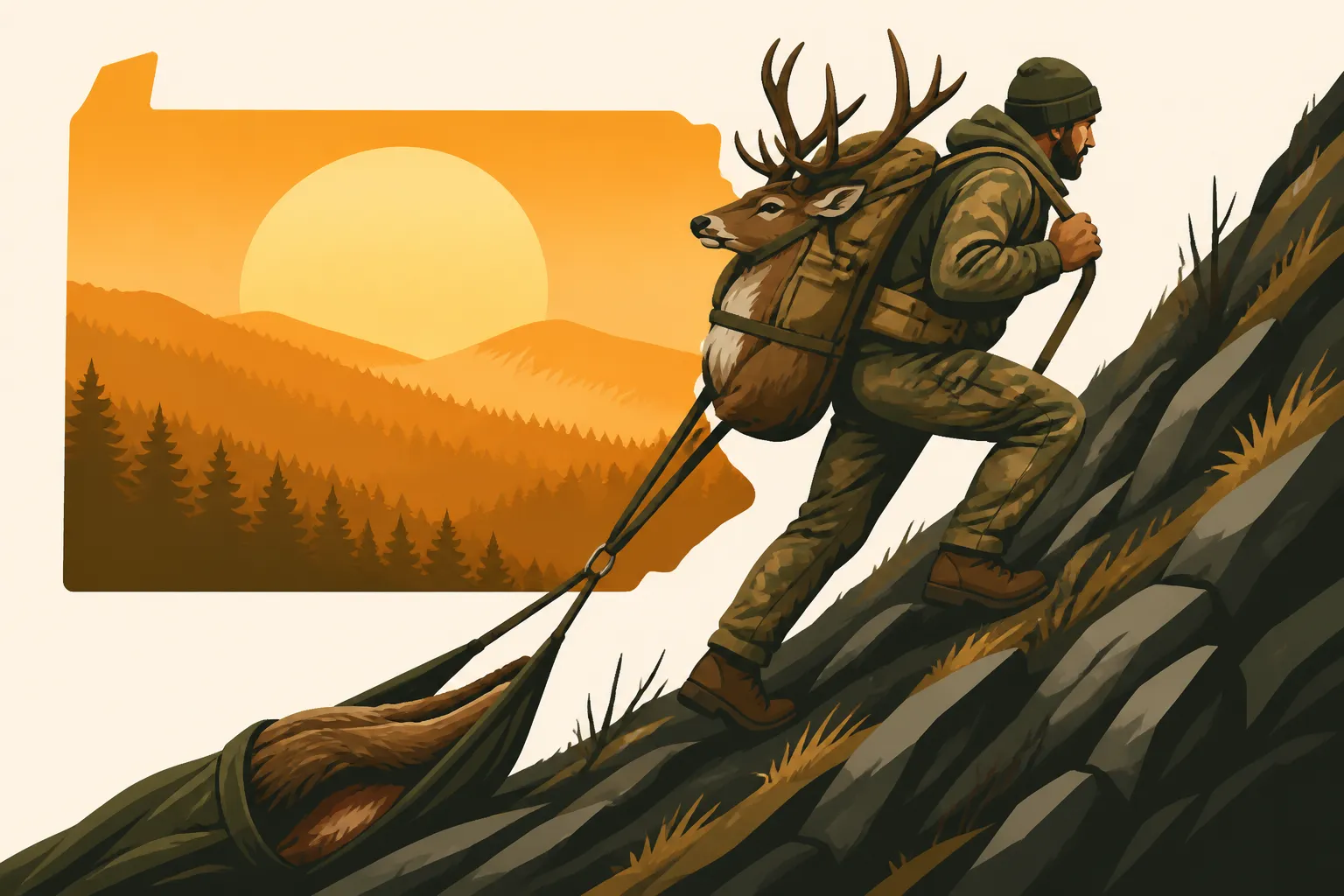
Oh, the sheer dread of looking down into a steep Pennsylvania hollow, knowing you've just dropped a deer way down there. The rush of the shot quickly gives way to the sinking feeling of, "How on earth am I going to get that animal out of here?" It's a universal struggle for those of us who hunt the rugged terrain of the Commonwealth. This guide is all about equipping you with the right knowledge and gear—from packs to drags—to conquer those steep grades and get your hard-earned game back to the truck without breaking your back or losing your mind.
Understanding the Challenges of Steep Pennsylvania Terrain
Hunting in Pennsylvania often means navigating some seriously unforgiving landscapes. We're not talking about flat prairie land here. From the Allegheny National Forest to the sprawling State Forests in the north-central part of the state, steep inclines, rocky outcrops, and thick laurel patches are the norm. This kind of ground presents unique challenges when it comes to packing in gear and, more importantly, packing out game.
The Physical Toll of Uphill and Downhill Hauls
Recovering a deer, bear, or even a heavy turkey from a steep mountainside is an entirely different beast than dragging one across a flat farm field. Gravity is both your friend and your enemy. Going downhill with a heavy load means constantly fighting to maintain control, preventing runaway momentum, and bracing against jarring impacts. Going uphill? That's just pure, unadulterated grunt work, every step an uphill battle against the weight and the grade. You'll feel it in your knees, your back, and every muscle in your legs.
Imagine the scenario: you're two miles back on State Game Lands, deep in a ravine you hiked into before dawn. You make a perfect shot on a mature buck, and it drops dead halfway down the opposing slope. Now, you're faced with field dressing it, then deciding if you're dragging it straight up the side you're on, or down to the creek bottom and then up the less-steep but longer grade to the next ridge. The physical demands can quickly turn a moment of triumph into an endurance test, and it's where having the right strategy and equipment truly shines. Ignoring the physical toll is a recipe for injury, or worse, leaving meat to spoil because you simply can't move it.
Navigating Obstacles: Rocks, Laurels, and Downfalls
Pennsylvania's steep terrain isn't just about the grade; it's about what's on that grade. We've got boulders the size of small cars, endless thickets of mountain laurel and rhododendron, and often, massive areas of timber blowdowns or recent clearcuts where fallen trees crisscross the ground like pick-up sticks. Trying to drag an animal through this mess can quickly become a nightmare. A traditional deer drag with a rope might work fine on a relatively clear trail, but once you hit a jumbled rock field or a dense patch of briars, you're snagging, getting stuck, and wrestling with every single obstacle.
Consider a late-season hunt in a remote section of Sproul State Forest. You've located a fantastic buck in a patch of thick regrowth on a steep bench. After the shot, you find him in a dense thicket of blackberry canes and downed logs. Without a plan or the right tools, what started as a few hundred yards of dragging could turn into an all-day ordeal of untangling, lifting, and pushing, inch by painful inch. This is where different gear choices come into play, potentially saving you hours of frustration and extreme exertion. Having a good understanding of your hunting area, perhaps through detailed satellite imagery on a tool like GoHunt, can help you anticipate these challenges before you ever leave home.
Choosing the Right Pack for Steep Country Hunting
When you're hunting steep terrain, your pack isn't just something to carry your lunch and a jacket; it's a vital tool for comfort, safety, and ultimately, meat transport. The type of pack you choose depends heavily on the kind of hunting you do and how far you're willing to venture from the truck.
Day Packs for Short Hauls and Agile Movement
For many of us who prefer day hunts, perhaps still-hunting a ridge or sitting a stand for the morning, a good day pack is sufficient. These packs are designed to carry your essentials: water, snacks, calls, an extra layer, first-aid, and maybe a small bone saw or knife for field dressing. The key here is comfort and a snug fit that doesn't shift or bounce as you navigate uneven ground. When you're scrambling up a shale slide or carefully descending a steep game trail, the last thing you want is your pack throwing you off balance.
A good day pack for steep terrain will have a decent hip belt to transfer weight to your legs, allowing your shoulders to stay freer. Look for compression straps that cinch down your load tightly, preventing contents from sloshing around. While not ideal for hauling out an entire deer, a well-chosen day pack can carry basic butchering tools and maybe a shoulder or two of meat if you're planning on breaking down the animal in the field. Many hunters will still rely on a separate drag or sled for the bulk of the animal with this setup. For navigating tight spots, a streamlined pack without too many external dangling straps is also a huge benefit.
Frame Packs and Backpack Hunting Systems
When your hunting philosophy shifts towards venturing deeper, staying longer, or planning to pack out an entire animal in pieces, a robust frame pack or a dedicated backpack hunting system becomes indispensable. These systems are built around an internal or external frame that provides rigidity and distributes heavy loads efficiently across your hips and shoulders. They are designed for hauling serious weight, often 100 pounds or more, and transforming what would be an impossible drag into a manageable (though still challenging) pack-out.
External frame packs often feature a shelf or platform that allows you to strap an entire boned-out deer, or even a quartered bear, directly to the frame, keeping the bulk of the weight close to your back. Internal frame packs, while often more streamlined, excel at carrying heavy loads within the main compartment, sometimes with expandable meat shelves. While more expensive and heavier than a simple day pack, the investment pays dividends the first time you pack out a deer two miles up a mountain. Learning how to properly load and adjust these packs is crucial; a poorly loaded frame pack can be just as uncomfortable and dangerous as trying to drag an animal without the right tools. Companies like Mystery Ranch, Kifaru, and Stone Glacier offer excellent options, but always check their current offerings and pricing directly.
Game Recovery Systems: Beyond the Basic Drag Rope
Let's be honest, the classic deer drag with a rope around the neck is often the go-to for hunters, and it works, sometimes. But on steep, rough ground, it quickly falls short. Investing in or building a more effective game recovery system can save your back, your time, and potentially the quality of your meat.
Deer Sleds and Game Carts for Moderate Slopes
For terrain that has some steepness but isn't a sheer cliff face, and where obstacles aren't overwhelming, a deer sled or game cart can be a game-changer. Deer sleds are typically made of durable, slick plastic designed to glide over snow, leaves, and even some small obstacles. They keep the animal relatively clean and protect the hide from abrasion. On a downhill slope, they can be a real blessing, managing the friction and allowing you to control the descent more effectively than a direct drag.
Game carts, on the other hand, feature wheels and are fantastic for logging roads, old two-track trails, or even relatively clear woods with moderate grades. They can handle a surprising amount of weight and distribute it over axles, making it much easier to move. However, their limitations become apparent on truly steep, rocky, or brushy terrain where wheels become liabilities rather than assets. You'll quickly find yourself lifting the cart over rocks or untangling wheels from fallen branches. For those hunting areas with a mix of access roads and moderate woods, a rugged game cart can be an excellent compromise. Just be sure to consider the trail width and obstacle density of your specific hunting spots when making a choice. Using a Deer Cart on Game Lands might be a good read if you're considering this option.
Advanced Drags and Custom Hauling Solutions
When you're faced with extreme steepness, dense brush, or large obstacles, traditional sleds and carts often won't cut it. This is where advanced drags and custom solutions come into play. These are often designed to lift the animal off the ground, provide more leverage, or allow for multiple people to share the load more effectively.
One example is a robust, canvas or heavy-duty fabric game bag that can be zipped up around the entire animal. These bags protect the meat, keep it clean, and often feature multiple handles or straps, allowing two or more hunters to grab on and carry the animal, almost like a stretcher. This is particularly useful for short, incredibly steep pitches where you might need to lift and walk rather than drag. Another custom solution, especially for heavier animals like bear or large bucks, might involve rigging up a simple pulley system if you have access to sturdy trees and enough rope. This allows you to leverage your strength against gravity, making an impossible incline manageable. Such methods are often employed by groups on deer drives, where Deer Drives With Three or Four Hunters is already a planned tactic. Planning for these scenarios, perhaps by marking steep sections and potential extraction routes on your GoHunt mapping system during your scouting, can save you immense effort when the moment arrives.
Techniques for Efficient and Safe Game Recovery on Steep Ground
Having the right gear is only half the battle; knowing how to use it safely and efficiently on steep ground is equally critical. A poorly executed drag or pack-out can be dangerous and exhaust you quickly.
Breaking Down the Animal: Boning Out or Quartering
Often, the most efficient way to deal with a large animal on steep ground is to break it down. Instead of trying to drag an entire deer weighing 150-200 pounds or more, boning it out or quartering it can reduce the weight per load significantly, making it much more manageable to carry out in a frame pack. Boning out means removing all meat from the bone, which is the lightest option. Quartering involves separating the animal into four sections (two front shoulders, two hind quarters), plus the backstraps and tenderloins.
This method not only lightens the load but also allows you to make multiple, smaller trips if necessary, or to divide the labor among hunting partners. It also protects the meat better by getting it off the ground and into game bags. While it adds time to the field dressing process, the time saved and the physical effort spared during the pack-out often make it well worth it, especially on long hauls from remote areas. It's a skill worth learning and practicing before you need it in the field. Butchering a Deer at Camp can give you a head start on understanding the process, though field dressing is a bit different.
Leveraging Gravity and Minimizing Friction
When moving a heavy object downhill, gravity is your ally, but it needs to be managed. The goal is controlled descent, not an uncontrolled tumble. Using a sled helps immensely by providing a slick surface that reduces friction and allows for easier movement. When going downhill, always try to keep the animal or sled in front of you, with a strong rope providing control from behind. Your body acts as a brake, walking backward and letting the rope slide through your hands to regulate speed.
For uphill movement, minimizing friction is still key. If you're dragging, lifting the head of the animal slightly can prevent the antlers or skull from digging into the ground. If you have multiple people, switching positions frequently and coordinating your pulls can prevent fatigue. Take frequent, short breaks rather than pushing yourself to exhaustion. When possible, look for switchbacks or less-steep contours on the terrain, even if it means a slightly longer route. Sometimes, a longer path with less extreme grade is far easier than a shorter, vertical ascent.
Safety First: Partner Communication and Equipment Checks
Hunting in steep country, especially during game recovery, demands a strong focus on safety. Always hunt with a partner if possible, particularly when venturing into remote, rugged areas. Communication is paramount during a drag or pack-out. Call out obstacles, signal when you need to stop, and ensure everyone is on the same page. If you're alone, inform someone of your exact hunting location and your expected return time.
Before embarking on a recovery, check all your gear: ropes for fraying, pack straps for integrity, and knives for sharpness. A dull knife makes field dressing harder and more dangerous. Wear appropriate footwear with good ankle support and aggressive tread for traction on loose soil or wet leaves. Boots for Pennsylvania Mountains are a must. Don't underestimate the energy drain of recovering a large animal; carry extra water and high-energy snacks. A small first-aid kit is non-negotiable for dealing with scrapes, cuts, or more serious injuries that can occur when handling heavy loads on uneven ground.
Specific Gear Considerations for Hauling Heavy Game
The specific gear you use will greatly influence your success and comfort when packing out game from steep Pennsylvania terrain. From the basic rope to specialized harnesses, each item plays a role.
Essential Dragging Ropes and Harnesses
Forget that thin piece of twine. When it comes to dragging a deer, especially uphill or across obstacles, you need a substantial rope. A sturdy, synthetic rope (like nylon or polypropylene) that is at least a quarter-inch thick and 10-15 feet long is ideal. It should be comfortable to hold and resist fraying. Attaching it securely to the deer's head or antlers with a good knot is crucial. Some hunters prefer to use a specialized harness that goes around the deer's neck and chest, distributing the pull more evenly and preventing the head from digging in.
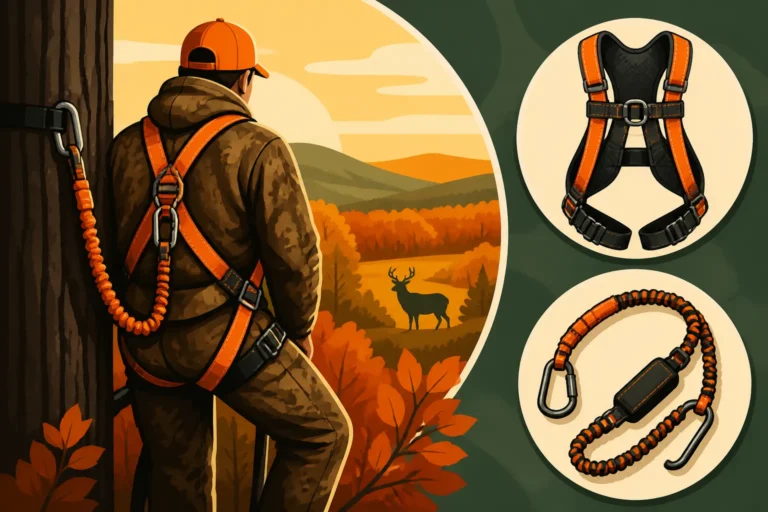
For the hunter doing the pulling, a simple hand-held rope works for short, flat sections, but on steep ground, a hands-free solution is invaluable. A drag harness that you wear around your waist or shoulders allows you to use your legs, which are much stronger than your arms, to pull the load. This frees your hands for balance, gripping trees, or carrying a trekking pole. Some hunters even rig up a system with a climbing harness and a specialized rope setup for extreme steepness, though this requires specialized knowledge and training.
Trekking Poles and Navigation Tools
Two simple items can make a world of difference when traversing steep, uneven terrain with or without a load: trekking poles and reliable navigation. Trekking poles provide crucial stability, helping you maintain balance on loose rocks, slick leaves, or muddy inclines. They reduce strain on your knees, especially on descents, and provide an extra point of contact with the ground, preventing falls. When you're hauling a heavy pack or guiding a deer sled, that added stability is a lifesaver.
For navigation, don't rely solely on your phone. While apps like GoHunt offer fantastic mapping capabilities with satellite imagery and topo lines, a dead battery or no signal can leave you stranded. Carry a physical map and compass, and know how to use them. Mark your route, your kill site, and potential exit points on your map. This ensures you can always find your way back to your vehicle, even in the thickest fog or darkest night. Scouting With the Pennsylvania Mapping Center is a great resource to get started on understanding your terrain better.
Maintenance and Preparation for the Next Haul
Recovering game from steep country is hard on your gear. Taking the time to properly maintain and prepare your equipment after each hunt ensures it's ready for the next challenge, season after season.
Cleaning and Inspecting Your Gear
After every successful (and strenuous) game recovery, especially one involving a lot of mud, blood, and effort, your gear needs attention. Packs should be emptied, wiped down, and allowed to air dry completely to prevent mold and mildew. Check all zippers, buckles, and straps for damage. Are there any tears in the fabric or stretched seams? Address these issues promptly before they become bigger problems. If your pack has a meat shelf or special meat-carrying compartments, clean them thoroughly.
Ropes and harnesses should be washed to remove blood and dirt, then inspected for fraying or weak spots. A worn rope can fail at the worst possible moment. Game sleds need to be hosed down and checked for cracks or damage. Lubricate any moving parts on game carts, like wheel axles, to ensure smooth operation. Proper cleaning not only extends the life of your gear but also prevents the spread of diseases, especially if you're hunting in a Pennsylvania CWD Disease Management Areas.
Pre-Season Physical Conditioning
Perhaps the most important "gear" you can prepare for steep ground hunting and game recovery is your own body. No amount of specialized equipment can fully compensate for a lack of physical fitness. Pre-season conditioning, focusing on leg strength, core stability, and cardiovascular endurance, will make a monumental difference. Think about hiking with a weighted pack, doing squats, lunges, and calf raises. Practice walking up and down hills.
The better shape you're in, the less taxing and safer the game recovery process will be. It reduces your risk of injury, allows you to make better decisions under pressure, and ultimately enhances your entire hunting experience. Many hunters focus intensely on shooting practice, but neglecting physical readiness for the demands of the terrain is a common oversight. Don't let your biggest trophy be the one that puts you on the sidelines because you weren't ready for the haul.
| Gear Item | Best Use Case | Pros | Cons |
|---|---|---|---|
| Day Pack | Light loads, short hunts, agile movement | Lightweight, compact, good for essentials | Limited capacity for game, not designed for heavy hauls |
| Frame Pack | Heavy loads, deep backcountry, quartered game | Excellent weight distribution, high capacity, durable | Heavier, bulkier, can be expensive |
| Deer Sled | Moderate slopes, snow, leaves, protecting meat | Reduces friction, keeps meat clean, good for downhill | Difficult in thick brush/rocks, can be awkward uphill |
| Game Cart | Established trails, logging roads, moderate grades | Efficient on smooth ground, carries heavy loads easily | Impractical on steep, rocky, or very brushy terrain |
| Drag Rope | Basic recovery, short distances, clear ground | Simple, inexpensive, always handy | High effort, snags easily, uncomfortable for long hauls |
| Drag Harness | Moderate to steep grades, hands-free pulling | Uses leg strength, frees hands, improves control | Still high effort, can be bulky, requires deer attachment |
| Trekking Poles | Any steep/uneven terrain, with or without a load | Improves balance, reduces knee strain, aids ascent/descent | Can be cumbersome in very thick brush, easy to forget |
Disclaimer
This article is for general informational purposes only and does not constitute professional advice. Laws, prices and regulations vary by location and change over time. Consult a qualified professional for guidance on your specific situation.