Pennsylvania CWD Disease Management Areas
Navigating the complex world of Pennsylvania hunting can be challenging, especially when faced with the ever-evolving regulations surrounding Chronic Wasting Disease. The frustration of trying to understand where you can hunt, what you can do with your harvested deer, and how to stay compliant while out in the field is real. This comprehensive guide is here to cut through the confusion, offering a clear, in-depth look at Pennsylvania's CWD Disease Management Areas and what they mean for you, the hunter.
What Exactly Are CWD Disease Management Areas (DMAs)?
The first thing to understand is that Disease Management Areas (DMAs) aren't just arbitrary lines drawn on a map by some distant bureaucrat. They are a direct, tactical response by the Pennsylvania Game Commission (PGC) and the Department of Agriculture to the detection of Chronic Wasting Disease (CWD) in the wild deer herd. It can be incredibly frustrating to suddenly find new rules affecting your favorite hunting spot, but these zones are established with a very serious purpose: to try and slow the spread of a deadly and incurable disease.
The Genesis of CWD Zones
Chronic Wasting Disease is a progressive, fatal neurological disease that affects cervids like deer, elk, and moose. It's caused by abnormal proteins called prions, and once an animal is infected, there's no recovery. Pennsylvania first confirmed CWD in a wild deer in Bedford County back in 2012, and that discovery was a game-changer for deer management in the state. From that moment, the PGC had to act swiftly, and the concept of a DMA was born out of necessity. It's not about eradicating CWD — that's a much more complex, perhaps impossible, task right now — but about containing it and buying time for potential solutions. For hunters who've been enjoying the woods for years, these new restrictions often feel like an unfair burden, especially when the disease itself is largely invisible until the very late stages in an animal.
How a DMA is Established and Expanded
When a CWD-positive animal is confirmed, whether it's a harvested deer, a roadkill, or a clinical sick deer, the PGC, in conjunction with the Department of Agriculture, immediately swings into action. They delineate a surrounding area, often quite large, based on known deer movement patterns and landscape features like major roads or rivers. The goal is to create a buffer zone around the infection source. While they try to use easily identifiable boundaries, from a hunter's perspective, it can feel like a maze. A DMA isn't a static entity; it's a living, breathing zone that can expand or even merge if new positive detections occur outside the existing boundaries. This constant evolution is a major source of anxiety and frustration for hunters, who need to check the latest maps every season – sometimes even mid-season – to ensure compliance. It means your trusted hunting spot that was outside a DMA last year might now be squarely within one.
Key DMA Locations in Pennsylvania
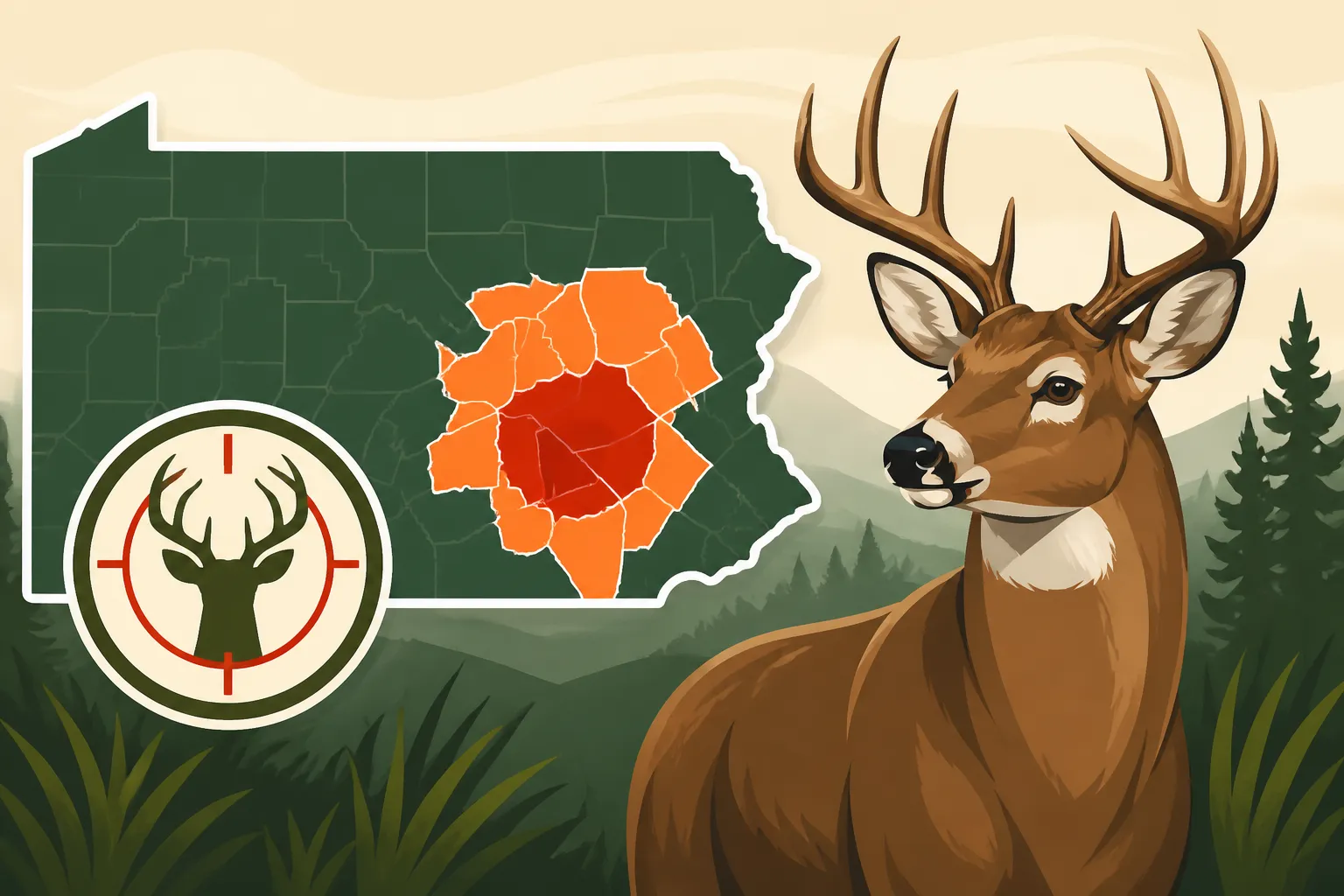
Over the years, Pennsylvania has established multiple DMAs, each responding to specific CWD detections. As of the most recent updates, we have several active DMAs, primarily centered around areas where the disease has been consistently found. DMA 2, for example, is the largest and oldest, covering significant portions of southcentral Pennsylvania, including parts of Bedford, Blair, Cambria, Clearfield, Huntingdon, Mifflin, Snyder, and Juniata counties. Then there's DMA 3, located more in the south-central part of the state, encompassing parts of Franklin and Fulton counties, often extending into Cumberland, York, and Adams. DMA 4, a smaller but critical zone, is found in eastern Pennsylvania, affecting parts of Lancaster, Lebanon, Berks, and Schuylkill counties. More recently, DMA 5 has emerged in western Pennsylvania (Jefferson, Clearfield, Elk, Forest counties), and DMA 6 in the central-east (Northumberland, Columbia, Montour counties). These aren't just lines on a map; they represent real places where hunters have to adapt their practices. Always make it a habit to check the Pennsylvania Game Commission's official website or reliable hunting apps like GoHunt for the most current DMA boundaries before you head out, as they can, and do, change.
Understanding the Rules and Regulations in Pennsylvania DMAs
Stepping into a Disease Management Area means accepting a different set of rules than what you might be accustomed to in general hunting season. It's not meant to hinder your hunt, but rather to protect the health of the broader deer population and, by extension, the future of hunting itself. However, it's completely understandable that these extra layers of regulation can feel overwhelming and even intrusive for many hunters who just want to enjoy their time in the woods.
Specialized Hunting Rules Within DMAs
For the most part, general deer hunting still takes place within a DMA as it would anywhere else in Pennsylvania. You still need your hunting license, relevant tags, and you still abide by the statewide seasons and bag limits. However, there are some specific nuances. For instance, while antler restrictions generally apply across the state, it's crucial to be aware of whether the specific rules for Antler Rules Inside a CWD Containment Zone have any additional stipulations, though often they align with the general WMU rules. Sometimes, certain DMAs might have increased opportunities for antlerless deer via DMAP (Deer Management Assistance Program) permits, issued to help reduce deer densities and potentially slow CWD transmission. This might mean more tags available, giving you a better chance to fill your freezer, but it's all part of a larger management strategy. It’s an added layer of homework for sure, but staying informed helps you contribute positively to the effort.
Carcass Movement Restrictions Explained
This is perhaps the most critical and often most challenging rule for hunters in a DMA: you cannot remove the high-risk parts of a harvested deer carcass from the DMA. This regulation is designed to prevent the physical spread of CWD prions to new areas. What does this mean practically? It means if you shoot a deer in a DMA, you must process it within that DMA to remove the parts considered high-risk. The parts that can leave are boned-out meat, cleaned skull plates (like those used for European mounts), tanned hides, teeth, and finished taxidermy mounts. Basically, any part that doesn't contain the brain, spinal cord, spleen, or lymph nodes can be transported.
Imagine this scenario: you're hunting in DMA 2, a good distance from your home outside the zone. You harvest a buck. Instead of just loading it whole into your truck, you now need to field dress it, bone out the meat, and remove the skull plate right there, leaving the spinal column, brain, and other high-risk parts in the DMA. This can be a huge logistical hurdle, especially if you're alone, don't have suitable equipment, or if the weather is warm. Many hunters find this process daunting, and it requires careful planning for Moving a Carcass Out of a DMA before you even step into the woods.
Baiting and Feeding Bans
Another significant restriction within DMAs is the complete ban on baiting and feeding deer. This rule is in place because congregating deer at a single location, like a corn pile or a mineral lick, dramatically increases the chances of CWD transmission. Infected deer shed prions through saliva, urine, and feces, contaminating the environment. When other deer come to feed, they can pick up these prions. The PGC's Pennsylvania Deer Feeding and Baiting Rules are very clear on this: no feeding or baiting is allowed, period, unless it's for normal agricultural practices or very specific bird feeding scenarios in residential areas where deer aren't the primary target. This can be incredibly frustrating for hunters who rely on these methods, as it feels like another tool has been taken out of their arsenal. It forces a return to more traditional scouting and hunting techniques, focusing on natural food sources and travel corridors.
Why CWD Management Matters for Pennsylvania's Deer Herd
It’s easy to get caught up in the immediate frustrations of CWD regulations, but understanding the underlying threat that Chronic Wasting Disease poses can help put these rules into perspective. This isn't just about inconvenience; it's about safeguarding the long-term health and sustainability of Pennsylvania's iconic white-tailed deer population.
The Threat of Chronic Wasting Disease
Chronic Wasting Disease is a relentless, invariably fatal neurological disease unique to cervids. Think of it as a form of mad cow disease for deer. It's caused by misfolded proteins, or prions, that accumulate in the brain and nervous system, leading to a slow, progressive degeneration. Affected animals gradually lose weight, develop abnormal behaviors, display excessive drooling, coordination issues, and eventually, death. There is no cure, no vaccine, and no treatment. The insidious nature of CWD is that an animal can be infected for months, sometimes even years, before showing any clinical signs, all while shedding infectious prions into the environment. This means seemingly healthy deer can be silently contributing to the spread of the disease without anyone realizing it, making detection and containment incredibly difficult. The severity of Chronic Wasting Disease in Pennsylvania is a real and growing concern for every hunter and wildlife enthusiast.
Impact on Deer Health and Population
The long-term impact of CWD on deer populations can be devastating. In areas with high CWD prevalence, studies from other states, like parts of Wisconsin and Wyoming, have shown significant declines in deer numbers. It's not a rapid die-off like some viral diseases; instead, it's a slow drain on the population, as infected animals gradually sicken and die off, often impacting older bucks disproportionately. As the disease progresses, it can reduce overall deer health, leading to lower fawn survival rates and reduced reproductive success. For a state like Pennsylvania, where deer hunting is a deeply ingrained tradition and a significant economic driver, a widespread decline in the Pennsylvania Deer Population Estimate due to CWD would have profound ecological and cultural consequences. The goal of DMAs and associated regulations is to prevent Pennsylvania from reaching that critical point.
Efforts to Contain and Control the Spread
The Pennsylvania Game Commission, along with researchers and wildlife experts, is engaged in a continuous battle to contain and control the spread of CWD. This isn't a simple fight; it's a complex, multi-faceted challenge. Their strategies include not just the establishment of DMAs and their associated rules, but also extensive surveillance through CWD testing, public education campaigns, and research into deer genetics and environmental factors that influence the disease. While there's no "magic bullet" solution currently available, these efforts are crucial for understanding the disease's progression and developing adaptive management strategies. Hunters are truly on the front lines of this fight. By adhering to regulations, participating in testing, and reporting sick deer, every hunter plays a vital role in helping the PGC monitor and manage this persistent threat to our wild deer.
Navigating the Practicalities: Hunting Within a DMA
So, you've decided to hunt within a CWD Disease Management Area. That's fantastic! But it does mean you need to approach your hunt with a slightly different mindset, especially when it comes to planning and preparation. It's all about being informed and ready for the specific requirements of these zones.
Pre-Season Scouting and Planning
Before you even think about hanging a stand or still-hunting through a thicket, your pre-season homework needs to include a thorough check of current DMA boundaries. Do not rely on last year's maps, as boundaries can change. The PGC's website is the official source, but tools like the Scouting With the Pennsylvania Mapping Center and hunting apps such as GoHunt or onX Hunt are invaluable. These digital platforms often have regularly updated CWD overlay layers that show precise DMA boundaries, sometimes even down to property lines, which is incredibly helpful when you're literally on the edge of a zone.
Beyond just knowing the boundary, you need to plan your harvest strategy. Where will you field dress your deer? Do you have the tools to bone out the meat in the field if necessary? If you're staying in a camp outside the DMA, you'll need a clear plan for what to do with the carcass before you transport it. This might mean finding an approved processor or disposal site within the DMA, or being ready to do a full bone-out yourself, leaving all high-risk parts behind. This extra planning, while a hassle, prevents potential legal issues and helps contain the disease.
Gear Considerations for DMA Hunting
Hunting in a DMA often means adjusting your gear list. While your rifle, bow, or muzzleloader remains the same, you might want to rethink what else you carry in your pack. For starters, a good quality boning knife and some sturdy game bags are essential, especially if you anticipate having to quarter or bone out a deer in the field. These can be critical for Meat Care Gear for Pennsylvania Hunters, particularly during warmer early archery seasons where quick processing is key. Coolers and Game Bags for Warm Openers are also non-negotiable if you're doing a field quarter to get the meat cooled quickly.
Consider bringing disposable gloves for field dressing, and even a small bone saw if you plan to take the skull plate but leave the spinal column. The emphasis shifts from just getting the deer out of the woods to getting it out legally and safely according to CWD protocols. This readiness allows you to adapt to the situation, whether you harvest a deer close to a road or deep in the backcountry.
Finding Information and Resources
Staying current with CWD regulations can feel like a full-time job, but there are numerous resources to help. The Pennsylvania Game Commission's official website should always be your first stop for the latest maps, regulations, and updates. Their dedicated CWD section is comprehensive. For visual aids and on-the-go information, hunting apps like GoHunt are incredibly useful, often providing DMA boundary overlays on their maps that update regularly. These apps, alongside resources like onX Layers for Pennsylvania Land Status, can help you visualize exactly where you are in relation to CWD zones. Don't hesitate to call your regional PGC office if you have specific questions, or even stop by local sporting goods stores in CWD areas; they often have updated maps or knowledgeable staff who can offer practical advice from a hunter's perspective. Being proactive in seeking out information is your best defense against inadvertently breaking a rule.
CWD Testing, Carcass Movement, and Reporting
Once you've harvested a deer within a Disease Management Area, your responsibilities don't end there. In fact, some of the most critical CWD management steps begin after the shot. These actions are vital for tracking the disease and preventing its further spread.
Voluntary and Mandatory Testing Procedures
The Pennsylvania Game Commission relies heavily on hunter participation for CWD surveillance. In most DMAs, there are designated CWD head drop-off bins available during deer seasons. This voluntary testing program allows hunters to submit the heads of their harvested deer for CWD testing free of charge. You simply fill out a provided tag with your information, license number, and the location of the harvest, and place it in the bin. The PGC collects these heads, takes tissue samples from the lymph nodes and brainstem, and then provides results to the hunter, usually within a few weeks. Knowing the CWD status of your harvested deer is important, especially if you plan to consume the meat. While CWD has not been definitively linked to human illness, health organizations generally advise against consuming meat from CWD-positive animals. For specific areas or during certain periods, testing might even be mandatory. Knowing Pennsylvania CWD Testing for Hunters options helps you make informed decisions.
Legal Carcass Disposal and Transport
As we discussed, strict rules govern what parts of a deer can leave a DMA. The "high-risk" parts—the brain, spinal cord, spleen, and lymph nodes—must remain within the DMA. For many hunters, this means field quartering their deer and leaving the skeletal remains in the woods, or utilizing designated CWD disposal dumpsters provided by the PGC within DMAs. These special dumpsters are critical infrastructure, ensuring that potentially infected parts are contained and disposed of properly. Never simply dump deer parts outside of a DMA or in an unauthorized location; this significantly undermines the efforts to control the disease. If you've boned out your meat, ensure all other "high-risk" materials are left at the kill site or taken to an approved disposal facility. Understanding Moving a Carcass Out of a DMA properly is not just about compliance, but about being a responsible steward of the resource.
Importance of Harvest Reporting
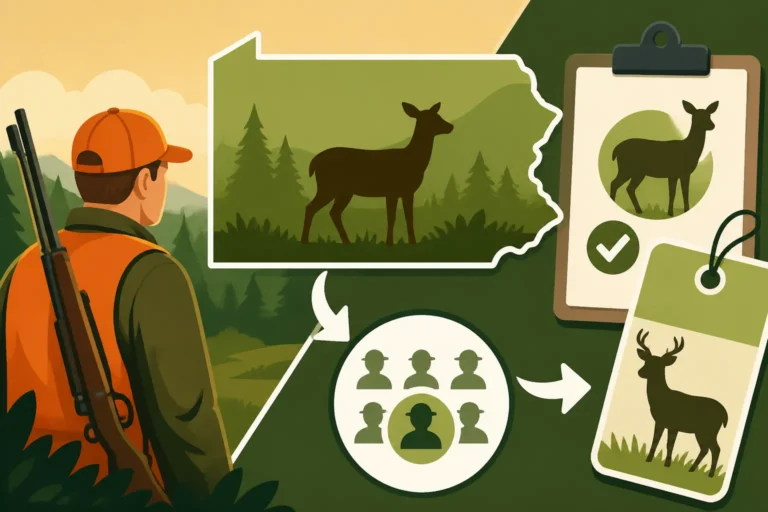
Harvest reporting is a fundamental part of wildlife management, and it becomes even more critical within CWD DMAs. Every deer harvested in Pennsylvania, regardless of whether it's inside or outside a DMA, must be reported to the PGC. This is not just a bureaucratic formality; the data collected from harvest reports helps the PGC track harvest numbers, understand hunter success rates, and monitor deer population trends. In CWD areas, this information is invaluable for assessing hunting pressure, understanding the effectiveness of management strategies, and identifying areas where additional surveillance or management actions might be needed. Your cooperation in meeting Pennsylvania Deer Tagging Requirements and Reporting a Pennsylvania Deer Harvest promptly provides crucial information that directly supports the PGC's ability to manage CWD and ensure the long-term health of our deer herd. It's a small but significant way you contribute to the bigger picture of conservation.
The Future of CWD Management and Hunting in Pennsylvania
Chronic Wasting Disease presents one of the most significant long-term challenges to wildlife management and hunting in Pennsylvania. It’s not a problem with a quick fix, and the landscape of CWD regulations is likely to continue evolving as scientists learn more and the disease progresses.
Ongoing Research and Adaptive Strategies
The scientific community is constantly researching CWD, exploring everything from potential vaccines and genetic resistance in deer to methods for decontaminating affected environments. These studies are crucial because they inform the strategies the Pennsylvania Game Commission employs. The PGC's approach to CWD management is adaptive, meaning it changes and adjusts based on the latest scientific findings, disease prevalence data, and the effectiveness of current measures. There's no single, easy answer to CWD, and the situation is incredibly complex. For hunters, this means understanding that current regulations are the best known practices based on available science, but they are not set in stone. The frustration of changing rules is valid, but it's often a reflection of an ongoing, earnest effort to combat a tenacious disease.
The Role of Hunters in CWD Mitigation
Let's be clear: hunters are absolutely indispensable in the fight against CWD. Without the cooperation of Pennsylvania's hunting community, efforts to mitigate the spread of this disease would be far less effective, if not impossible. By adhering to DMA regulations, participating in voluntary CWD testing, reporting all harvested deer, and practicing ethical hunting methods, every single hunter becomes a vital partner in wildlife conservation. Your actions in the field directly contribute to the PGC's ability to monitor the disease, collect critical data, and implement informed management decisions. It’s more than just following rules; it's about being a responsible steward of the resource and ensuring that future generations can enjoy healthy deer populations and the rich hunting heritage Pennsylvania offers.
Potential Changes to Regulations
Given the dynamic nature of CWD, it’s highly probable that Pennsylvania’s CWD regulations, including DMA boundaries and specific rules, will continue to change. DMAs could expand if new positive detections occur in previously unaffected areas, or they might even shrink if surveillance indicates a significant reduction in prevalence—though the latter is less common with CWD. New research might lead to modified rules regarding carcass disposal, baiting, or even hunting strategies. It's imperative for every hunter to make it a habit to check the PGC's official website before each hunting season, and even periodically during the season, for the most up-to-date information. Utilizing reliable hunting resources like GoHunt, which often provides real-time updates and clear mapping overlays, can also be incredibly helpful in staying informed. The key is vigilance and adaptability, ensuring that as a hunter, you remain compliant and contribute positively to the ongoing efforts to manage CWD.
Pennsylvania CWD Disease Management Areas Overview
Here’s a snapshot of Pennsylvania's current CWD Disease Management Areas and their key implications for hunters. Please remember that these boundaries and rules are subject to change, so always verify with the Pennsylvania Game Commission's official resources before heading afield.
| DMA Number | Primary Counties Involved | Key Regulations (Beyond Statewide) | Special Notes for Hunters |
|---|---|---|---|
| DMA 2 | Bedford, Blair, Cambria, Clearfield, Huntingdon, Mifflin, Snyder, Juniata | No removal of high-risk deer parts (brain, spinal cord, spleen, lymph nodes); no feeding or baiting of deer. Mandatory CWD testing in specific zones (check PGC website). | The largest and oldest DMA, established in response to early CWD detections. Significant hunting pressure and surveillance. Hunters must plan for field quartering or using designated drop-off bins. |
| DMA 3 | Franklin, Fulton, Cumberland, York, Adams | No removal of high-risk deer parts; no feeding or baiting of deer. | Located in south-central Pennsylvania, bordering Maryland, which also has CWD concerns. Proximity to state lines makes carcass transport critical. |
| DMA 4 | Lancaster, Lebanon, Berks, Schuylkill | No removal of high-risk deer parts; no feeding or baiting of deer. | A smaller DMA in eastern Pennsylvania. Hunters need to be particularly aware of carcass movement if traveling to other areas of the state. |
| DMA 5 | Jefferson, Clearfield, Elk, Forest | No removal of high-risk deer parts; no feeding or baiting of deer. | Located in western PA, established more recently due to new detections. Requires careful attention from hunters in this popular deer country. |
| DMA 6 | Northumberland, Columbia, Montour | No removal of high-risk deer parts; no feeding or baiting of deer. | One of the newest DMAs in central-eastern PA. Highlights the ongoing spread and the need for constant updates to regulations. |
Disclaimer
The information provided in this guide is for general informational purposes only and is subject to change. Hunting regulations, including those pertaining to Chronic Wasting Disease (CWD) Disease Management Areas (DMAs), are complex and frequently updated by the Pennsylvania Game Commission. Always consult the official Pennsylvania Game Commission website or contact a regional PGC office for the most current and accurate regulations before engaging in any hunting activities. Adherence to all applicable laws and regulations is the sole responsibility of the hunter.