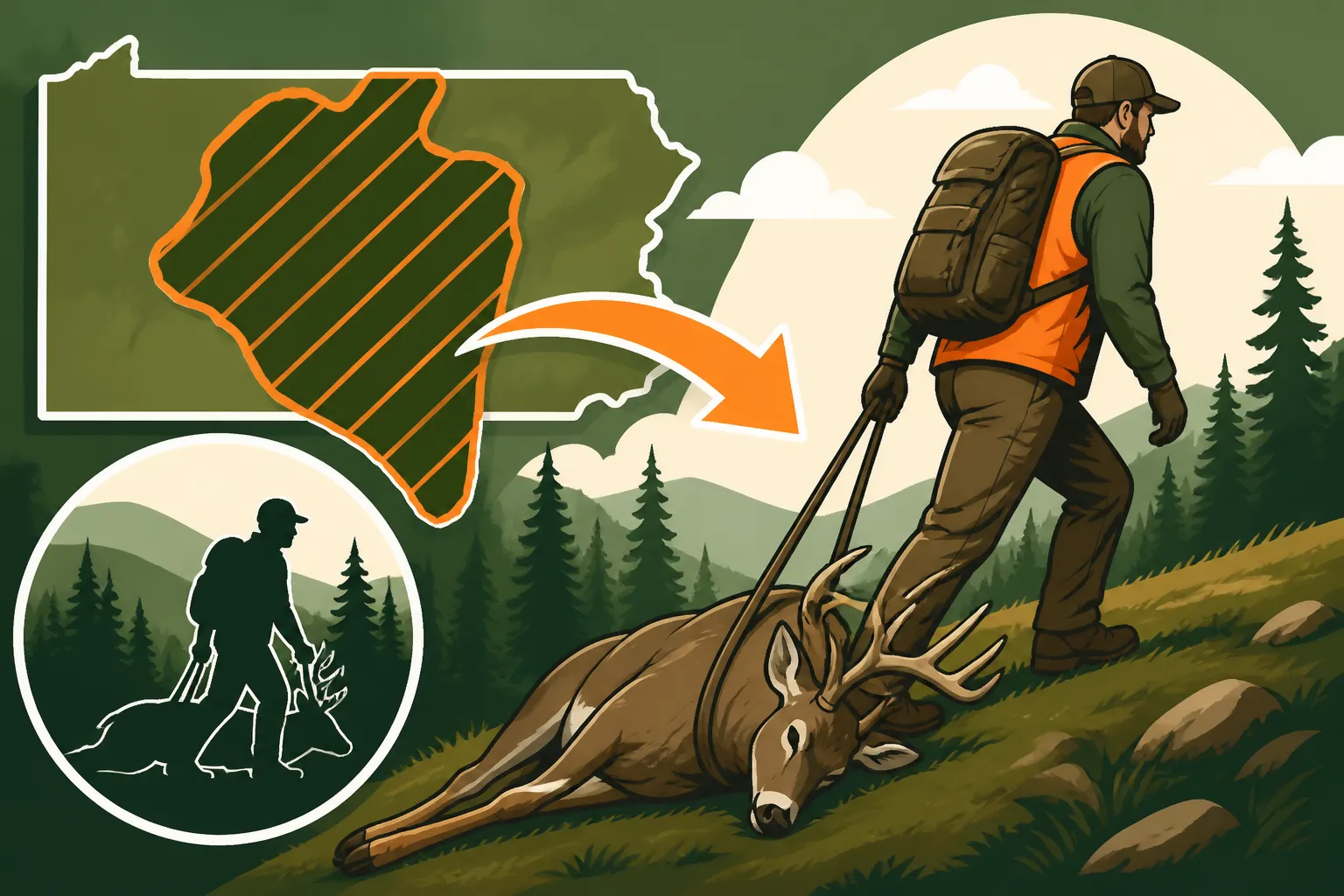
Moving a Carcass Out of a DMA
Harvesting a deer in Pennsylvania is already a lot of work, but when that deer comes from within a Disease Management Area (DMA), the rules for what you can and can't do with its carcass can feel incredibly complicated and frankly, frustrating. It's a situation many of us have faced, scratching our heads over regulations designed to stop the spread of Chronic Wasting Disease (CWD). This guide aims to clear up the confusion, walking you through the essential steps and rules for moving a deer carcass safely and legally out of a DMA.
Understanding Pennsylvania's Disease Management Areas
Hunting in Pennsylvania often means navigating an ever-changing landscape of regulations, and few topics are as critical, or as confusing, as Chronic Wasting Disease (CWD) and the specific rules that come with hunting inside a Disease Management Area (DMA). It’s not just about compliance; it’s about protecting our deer herd for future generations.
What is a DMA and Why Do They Exist?
Imagine you’ve just tagged a beautiful buck, deep in a familiar stretch of woods. But then a thought crosses your mind: "Am I in a DMA?" This question is crucial because DMAs are designated zones where CWD has been detected in wild deer, captive deer, or elk. The Pennsylvania Game Commission (PGC) establishes these areas specifically to contain and slow the spread of this fatal neurological disease. CWD, much like mad cow disease, affects the brain and spinal cord of deer, elk, and moose. It's always fatal, and there's currently no cure or vaccine. The goal of a DMA, and the strict rules within it, is to limit human-assisted movement of the disease to new areas. You can learn more about Chronic Wasting Disease in Pennsylvania and its broader implications for the state.
Without these measures, the disease could spread rapidly, decimating local deer populations and potentially altering the future of hunting across the Commonwealth. It’s a serious threat, and while the regulations can be inconvenient, they're put in place with the long-term health of our wildlife in mind.
Identifying DMA Boundaries
Knowing whether your hunting spot falls within a DMA is the first, and perhaps most critical, step. These boundaries aren't always intuitive; they often follow roads, waterways, or property lines that aren't marked with big, flashing signs in the woods. Missing this detail can lead to serious legal trouble, not to mention the risk of spreading CWD.
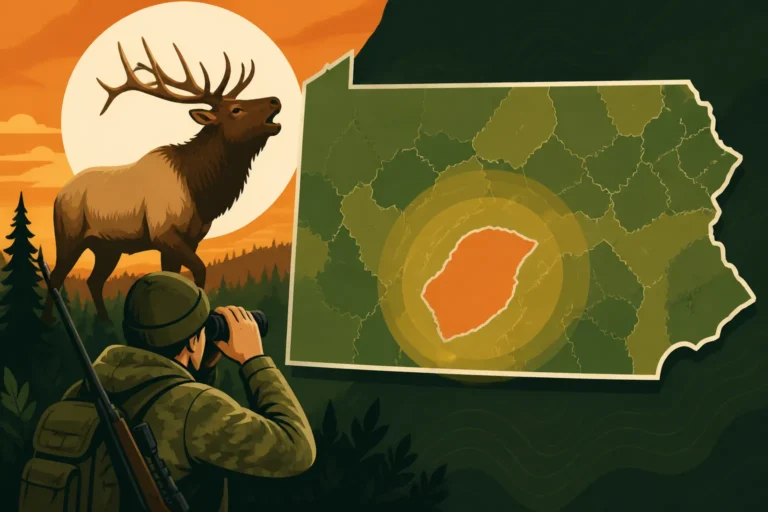
The Pennsylvania Game Commission provides maps of all current DMAs on its website. These maps are updated regularly, so it’s vital to check them before heading afield, especially if you hunt in an area that's historically been close to a DMA. Many hunters find it incredibly helpful to use mapping apps like GoHunt, which integrate PGC data layers, allowing you to see DMA boundaries right on your phone in the field. This can be a lifesaver when you're deep in the woods and need to confirm your location relative to these critical lines. Knowing Which Counties Are in a Pennsylvania DMA can give you a general idea, but always consult the most current, detailed maps for precise boundaries. Being prepared means checking those maps repeatedly, as boundaries can change year to year based on new CWD detections.
The Critical Need for Compliance
Let’s be honest, nobody likes more rules. But when it comes to CWD, compliance isn't just about avoiding a fine; it's about being a responsible steward of our natural resources. The regulations for carcass movement are specifically designed to prevent the spread of prions – the infectious proteins responsible for CWD – from one area to another. These prions can persist in the environment for years, making prevention incredibly challenging.
Moving high-risk parts, like brain or spinal cord tissue, out of a DMA could unknowingly introduce CWD to a new, unaffected area, potentially triggering a whole new DMA. The penalties for non-compliance are steep, ranging from significant fines to the loss of hunting privileges. Beyond the legal ramifications, there's the moral obligation to do our part. We all want healthy deer herds, and that means adhering to these crucial guidelines. The PGC’s efforts to monitor Pennsylvania CWD Prevalence Rates depend on hunters’ cooperation.
Specific Rules for Carcass Movement Out of a DMA
Once you've harvested a deer within a DMA, the clock starts ticking on making critical decisions about processing and transport. The most important thing to remember is that certain parts of the deer are considered "high-risk" for carrying CWD prions and are therefore restricted from leaving the DMA.
The "Allowed Parts" List
The good news is that you don't have to leave your entire deer behind. The Pennsylvania Game Commission has a very specific list of parts that can be transported out of a DMA, provided they meet certain criteria. This list focuses on removing the parts most likely to harbor CWD prions, leaving you with the valuable meat and trophies.
Here's what you CAN legally move out of a DMA:
- Deboned Meat: This is the most crucial part for most hunters. Any meat that has been completely removed from the bone and spinal column is considered safe for transport. This means you need to be proficient in field butchering or have a plan to get your deer to a processor within the DMA. For tips, check out our guide on Butchering a Deer at Camp.
- Cleaned Skull Plate (with antlers attached): If you're hoping for a European mount or simply want to keep the antlers, the skull plate must be completely cleaned of all brain and spinal cord tissue. This usually involves boiling or pressure washing, ensuring no soft tissue remains.
- Antlers (detached): If you remove the antlers from the skull plate (e.g., shed antlers or cut off the skull cap), they can be transported freely.
- Cleaned Hide/Cape: The hide or cape, once completely free of any meat or tissue, can be moved. This applies to hunters taking their deer to a taxidermist.
- Cleaned Teeth: Individual teeth, with no tissue attached, are also permitted.
The key takeaway here is "cleaned" – any high-risk tissue must be meticulously removed. This is detailed further in the Pennsylvania CWD Carcass Rules.
Prohibited Carcass Parts
Just as important as knowing what you can move, is understanding what you absolutely CANNOT move out of a DMA. These are the parts considered highest risk for CWD transmission due to the concentration of prions they may contain.
These prohibited parts include:
- The head (excluding a cleaned skull plate or detached antlers): This means no whole heads, whether for taxidermy or otherwise, can cross DMA boundaries unless completely processed and cleaned as described above.
- Spinal Column: The entire backbone of the deer is a high-risk part.
- Brain: Highly concentrated with CWD prions.
- Spleen: Another organ where prions can accumulate.
- Lymph Nodes: These are critical sites for CWD accumulation and are therefore prohibited.
- Internal Organs: Generally, all internal organs (viscera) are considered high-risk and should not leave the DMA.
Essentially, if it's got nervous tissue or lymphoid tissue, it needs to stay within the DMA or be disposed of properly within it. Moving these parts is not only illegal but also directly contributes to the risk of spreading CWD.
Processing and Taxidermy Considerations
This is where things can get a bit tricky, especially if you rely on commercial services. If you harvest a deer in a DMA and plan to use a processor or taxidermist, you have a few options:
- Utilize Services Within the DMA: The easiest and safest route is to find a licensed processor or taxidermist located inside the DMA. They are aware of the regulations and can handle the carcass legally. After processing, your deboned meat, cleaned skull plate, or cape can then be taken home, even if home is outside the DMA.
- Field Debone and Cape Yourself: If no services are available within the DMA, or if you prefer a DIY approach, you can perform all the necessary processing yourself at the kill site or at a temporary camp within the DMA. This means deboning the meat and carefully cleaning any skull plates or capes to the PGC's specifications. The remaining high-risk parts must then be disposed of within the DMA.
- Transport to an Approved Facility (with specific precautions): In some very limited circumstances, there might be specific rules for transporting high-risk parts directly to an approved facility outside the DMA, but this usually requires explicit permission and strict adherence to specific transport protocols. This is less common for general hunters and more for designated collection sites or research. Always check the absolute latest PGC guidance for any such allowances, as they can change.
Remember, clear communication with your processor or taxidermist is vital. Ensure they understand the deer came from a DMA and are equipped to handle it according to regulations.
Practical Steps for Hunters Harvesting in a DMA
Okay, you've done your homework, found yourself within a DMA, and successfully harvested a deer. Now what? The immediate steps you take can make all the difference in complying with the regulations and ensuring you can get your hard-earned venison home.
Field Dressing On-Site
The moment of truth arrives, and you're standing over your deer. The best practice, without a doubt, is to do as much processing as possible right there at the kill site, or at least within the DMA. This means field dressing, but often it needs to go beyond just gutting the animal. For guidance on general field dressing, consider reading our advice on Field Dressing a Deer in Cold Weather.
- Remove Viscera: Standard field dressing to remove the internal organs (viscera) is always the first step. Leave these high-risk organs at the kill site or dispose of them properly within the DMA. Burying them is often a good option if possible, but check local regulations for any specific disposal requirements.
- Consider Quartering/Deboning: If you're comfortable and equipped, seriously consider quartering or even deboning the deer in the field. This allows you to immediately separate the prohibited spinal column and other bones from the meat. Carrying out deboned meat is significantly lighter and makes compliance much simpler. This is especially true for large bucks or if you're deep in the woods, as dragging a whole deer out of a DMA is problematic if you cross a boundary.
- Cape and Skull Prep: If you plan on a shoulder mount or European mount, you can rough cape the deer in the field, ensuring all red meat and tissue are removed from the hide/cape. For a European mount, you'll need to separate the skull plate with antlers from the rest of the skull, carefully removing brain matter and other tissue. Remember, the goal is to leave all high-risk material in the DMA.
Transporting High-Risk Parts for Proper Disposal
What if you can't completely process the deer in the field? Maybe you're not equipped, or it's simply not feasible. The PGC recognizes this and provides options for the proper disposal of high-risk parts.
The most common method is using CWD disposal bins. These large, clearly marked bins are strategically placed at various locations within and sometimes near DMAs. They are specifically designed for hunters to deposit prohibited carcass parts. You can find locations of these bins on the PGC website, and it's always a good idea to know where the closest one is before your hunt. These bins are routinely emptied, and the contents are transported to landfills that are equipped to handle CWD-infected materials, preventing any potential spread.
If no disposal bin is readily available, and you cannot leave the parts at the kill site (e.g., hunting on private land where the landowner has other plans), you must ensure that any high-risk parts are buried on private land within the DMA. They need to be buried deep enough to prevent scavengers from digging them up. Always confirm landowner permission before burying any parts on private property.
Utilizing CWD Testing
The Pennsylvania Game Commission strongly encourages hunters who harvest deer within or near DMAs to submit their deer for CWD testing. This isn't just a good idea; it's a vital part of monitoring the disease's spread and understanding its prevalence.
- Submission Process: The PGC has designated CWD testing drop-off locations, often at disposal bins, wildlife management areas, or regional offices. You'll typically need to provide specific information about your harvest location and contact details. You can find detailed instructions on Pennsylvania CWD Testing for Hunters.
- Awaiting Results: While waiting for test results (which can take several weeks), you are legally permitted to process and consume the meat from your deer. However, some hunters choose to wait for a "negative" result before consuming the venison, especially if they are concerned. This is a personal choice, as current scientific evidence suggests a very low risk of CWD transmission to humans, but the PGC does recommend against consuming meat from a CWD-positive animal.
- Positive Test Results: If your deer tests positive for CWD, you will be contacted by the PGC. They will provide specific instructions, which may include recommendations for proper disposal of any remaining meat and parts. This is a rare occurrence for most hunters, but knowing the procedure beforehand can help alleviate stress if it happens.
By participating in CWD testing, you're not just ensuring your family's peace of mind; you're actively contributing to critical wildlife management efforts in Pennsylvania. Tools like GoHunt can often help identify areas with higher CWD prevalence, guiding your decision to test. For broader geographical context, resources like the Scouting With the Pennsylvania Mapping Center can offer valuable insights into local conditions.
Here's a quick summary table for clarity:
| Carcass Part | Allowed to Leave DMA? | Notes |
|---|---|---|
| Deboned Meat | Yes | Must be completely removed from the bone. |
| Cleaned Skull Plate (with antlers attached) | Yes | All brain and nervous tissue must be completely removed. |
| Antlers (detached) | Yes | Any antlers separated from the skull. |
| Cleaned Hide/Cape | Yes | Must be completely free of any meat or tissue. |
| Cleaned Teeth | Yes | Individual teeth, no tissue attached. |
| Whole Head | No | Unless completely cleaned as a skull plate. |
| Spinal Column | No | Must be disposed of within the DMA. |
| Brain | No | Highly infectious, dispose of within the DMA. |
| Spleen & Lymph Nodes | No | Key areas for prion accumulation, dispose of within the DMA. |
| Internal Organs (viscera) | No | Should be left at the kill site or disposed of in PGC-provided bins or buried within the DMA. |
Disclaimer
The information provided in this guide is for general informational purposes only and does not constitute legal advice. Hunting regulations, including those pertaining to Disease Management Areas and Chronic Wasting Disease, are subject to change. Always consult the most current official regulations published by the Pennsylvania Game Commission or other relevant authorities before engaging in any hunting activities. It is the hunter's responsibility to know and abide by all applicable laws and regulations.