Where the Elk Drawing Is Held
The anticipation leading up to the Pennsylvania elk drawing can feel like an eternity, especially for those who've been patiently collecting bonus points year after year. It's a journey filled with hope, strategy, and a little bit of anxiety, all culminating in one pivotal moment. This guide will walk you through exactly where the Pennsylvania Game Commission holds the annual elk license drawing, the process that leads up to it, what to expect on drawing day, and what to do once the results are in.
The Grand Revelation: Where the Pennsylvania Elk Drawing Unfolds
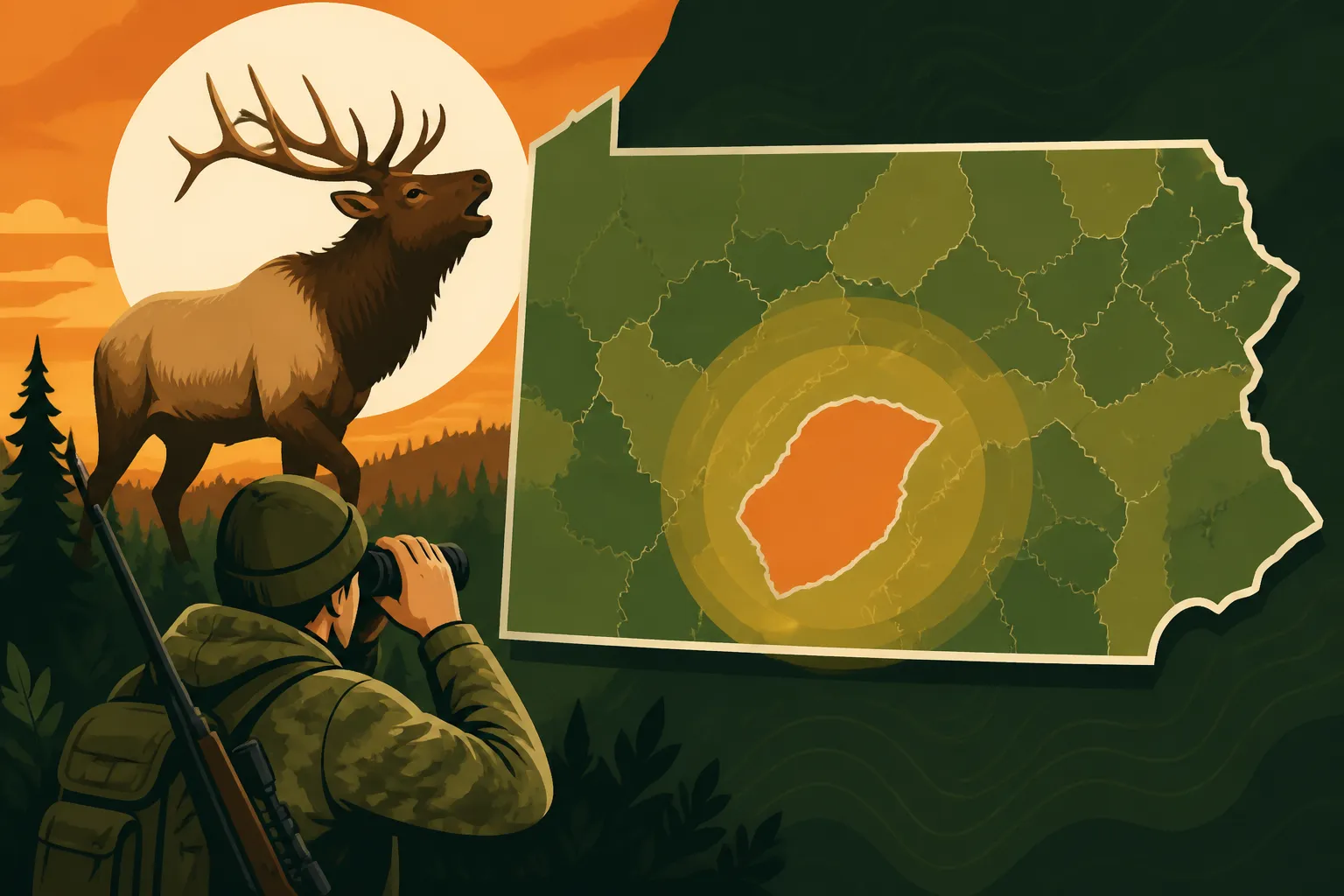
For many years, the Pennsylvania Game Commission (PAGC) has made the elk license drawing a central event of the annual Keystone Elk Country Alliance (KECA) Elk Expo. This is a deliberate choice, transforming what could be a simple administrative procedure into a vibrant, community-focused celebration of Pennsylvania's majestic elk herd. The Elk Expo and the highly anticipated drawing are traditionally held in Benezette, Pennsylvania.
Benezette, nestled deep in the heart of Pennsylvania's elk country, becomes the epicenter of excitement for thousands of hopeful hunters, their families, and wildlife enthusiasts during the third weekend of August each year. While the specific date can shift slightly year to year, it's always an August affair. This isn't just a dry announcement of names; it's a full-blown festival dedicated to all things elk. People travel from across the state and beyond to witness the spectacle firsthand, hoping to hear their name called. The drawing is usually held on a Saturday, often in the main tent or stage area of the expo grounds, drawing a massive crowd, all holding their breath for the moment the balls are spun.
The event at Benezette adds a layer of community and spectacle that a simple online announcement just can't replicate. Imagine the atmosphere: thousands of people, all sharing a common passion, gathered together. There's an electric hum in the air as the drawing approaches, a mix of nervous energy and genuine camaraderie. It’s a true pilgrimage for many, a chance to immerse themselves in the lore and future of Pennsylvania's magnificent wild elk.
Navigating the Application Process: Your Road to the Drawing
Before anyone's name can be called at the Elk Expo, a crucial first step must be taken: applying for an elk license. The application window typically opens in the spring, usually around mid-April, and closes in late July or early August, leading right into the August drawing. It’s critical to mark these dates on your calendar because missing the deadline means missing out on a chance for that year.
The application itself is handled directly through the Pennsylvania Game Commission's website. You'll need a valid Pennsylvania hunting license to even apply for an elk license. This initial step is a small price to pay for the chance at a truly once-in-a-lifetime hunt. When applying, you'll specify whether you're applying for a general elk license (which includes both bull and cow opportunities, depending on the zone awarded) or specifically for a bull or cow license, although the main draw is often for "any elk" within a specific zone. There's a non-refundable application fee, and an additional fee for each bonus point you wish to purchase.
Every year, countless hunters meticulously fill out their applications, ensuring every detail is correct. For many, this process has become an annual ritual, a tangible connection to their dreams of chasing an elk through the Elk in the Pennsylvania Wilds. Resources like GoHunt can be invaluable during this time, helping you analyze past draw odds and strategize your application based on different hunt zones or license types.
Understanding Bonus Points and Odds
Pennsylvania’s elk drawing operates on a unique bonus point system, which many hunters mistakenly equate with a "preference point" system. It's not quite the same. In Pennsylvania, each bonus point you acquire gives you an additional entry into the drawing. So, if you have five bonus points, your name theoretically gets entered six times: once for your current year's application, and five more times for your accumulated bonus points. This significantly increases your personal odds compared to someone with no points, but it doesn't guarantee you a higher place in line. The drawing is still randomized, but more entries mean more chances.
The bonus point system is designed to reward loyalty and persistence. For every year you apply for an elk license and are unsuccessful, you automatically receive one bonus point for the following year's drawing, provided you apply again. You also have the option to purchase additional bonus points with your application, up to a certain limit each year. These points accumulate over time, and it's not uncommon to hear of hunters with 10, 15, or even 20+ bonus points, truly investing in their dream hunt. This system ensures that even if you're not drawn, you're still building equity for future opportunities.
The actual odds of drawing a tag vary wildly each year based on the number of available tags, the number of applicants, and the accumulated bonus points across the applicant pool. It’s a constantly shifting landscape, but generally, bull tags are much harder to draw than cow tags, given the limited number of bull licenses issued annually. Information on these trends can sometimes be found on hunting data sites, and tools like GoHunt often offer analysis that helps applicants understand their approximate chances based on the current year's applicant pool. For a deeper dive into the numbers, checking the Pennsylvania Elk Herd Size and Range can provide context for herd health and management.
Choosing Your Elk License Type
When you submit your Pennsylvania Elk Licence Application, you'll generally have options for what kind of license you're applying for. The primary choice is often between a bull license or a cow license, though some applications might offer a "general elk" category which is then allocated based on specific WMU permits. Bull licenses are, without a doubt, the most coveted. The chance to harvest a massive bull elk is the pinnacle of hunting for many, and as such, the competition for these tags is intense. The number of bull tags issued is very limited, reflecting the Game Commission's goal to maintain a healthy and robust bull population.
Cow licenses, while still highly sought after, are generally more accessible. These licenses are crucial for herd management, helping to control population growth and maintain ecological balance in specific Pennsylvania Elk Hunt Zones. While the thrill of hunting a cow might differ from a bull, it still offers an incredible experience in elk country, and provides an opportunity to fill the freezer with delicious wild game. Often, hunters will prioritize applying for cow tags in hopes of experiencing an elk hunt sooner, while continuously building bonus points for a bull tag in the long run. Carefully considering your goals and realistic odds for each type of tag is an important part of the application strategy.
The Atmosphere of the Pennsylvania Elk Expo and Drawing Day
The Elk Expo is more than just a drawing location; it's a vibrant, multi-day festival celebrating Pennsylvania’s unique elk resource. Held at the Elk Country Visitor Center grounds in Benezette, the atmosphere is electric. Vendors selling everything from hunting gear to local crafts line the pathways, food trucks offer delicious regional fare, and live music often fills the air. It’s a family-friendly event, drawing in thousands of people, not just hunters but also curious tourists hoping to catch a glimpse of the wild elk that roam the surrounding hills.
Educational seminars are a big part of the expo, offering invaluable insights into elk biology, habitat management, and hunting strategies. Expert speakers share tips on everything from tracking to shot placement, and you can learn a lot about Scouting Pennsylvania Public Land Before Season specifically for elk. Conservation organizations, including the Pennsylvania Game Commission and KECA, have booths where you can learn about their ongoing efforts to protect and enhance the elk herd. It’s a fantastic opportunity to deepen your understanding of these incredible animals and the landscape they call home. For many, it's an annual tradition, a reunion with fellow elk enthusiasts, and a chance to truly immerse themselves in the world of Pennsylvania's elk. Even if you aren't drawn, the expo provides a fantastic opportunity for Elk Viewing in Pennsylvania.
The Live Drawing Ceremony
The climax of the Elk Expo is, without question, the live drawing ceremony itself. As the designated time approaches, a massive crowd gathers around the main stage. There's a hush that falls over the attendees as the Game Commission officials and KECA representatives take to the stage. You can literally feel the tension and excitement in the air. The drawing method usually involves spinning large drums containing applicant names, often with individual bonus points represented by multiple entries. With each spin, a name is randomly selected.
The announcement of each winner is met with a mix of cheers, gasps, and sometimes even tears of joy. It’s a highly emotional moment, not just for the winners but for everyone present, understanding the significance of that tag. Winners are often brought up to the stage for a brief interview, sharing their excitement and, for many, the years of waiting and applying that led to this moment. It’s a truly unforgettable experience, a raw display of emotion and the realization of a long-held dream. The event feels incredibly transparent and fair, as everyone witnesses the random selection process unfold in real-time. This is often the answer to "When the Pennsylvania Elk Drawing Happens" because it's so public.
Beyond the Main Event: What Else Happens at the Expo
While the drawing is the main draw, the Elk Expo offers a wealth of other attractions that make the trip to Benezette worthwhile, even if your name isn't called. There are guided tours of the nearby Elk Country Visitor Center, which provides incredible educational displays and opportunities to see elk in their natural habitat. Many attendees bring their cameras and spend hours trying to capture that perfect photo of a bull grazing in a field or a cow with her calf.
Local artisans display their elk-themed art, jewelry, and crafts, providing unique souvenirs. Conservation groups engage with the public, explaining the importance of habitat preservation and offering ways to get involved. For hunters, it’s also a fantastic place to connect with outfitters and guides who specialize in elk hunting in Pennsylvania, gaining valuable insights and potentially booking a guided hunt for the upcoming season, or even future seasons. The sense of community among hunters and wildlife lovers is palpable, making it a wonderful event to simply soak in the atmosphere and celebrate Pennsylvania’s wildlife heritage.
Post-Drawing: What Comes Next for Pennsylvania Elk Hunters
The moment of truth has passed. Whether your name was called or not, there are important next steps to consider. The immediate aftermath of the drawing can be overwhelming, but having a plan helps you navigate the excitement or the disappointment.
For the Lucky Winners
If your name is drawn, congratulations! You've just won one of the most coveted big game tags in the country. The first thing you'll need to do is formally accept and purchase your elk license. This usually needs to be done within a specific timeframe after the drawing, so pay close attention to the instructions provided by the Game Commission. Missing this deadline could result in forfeiting your tag. Once you have your license, the real planning begins.
You'll need to study the specific Pennsylvania Elk Hunt Zones and regulations for the zone you were drawn for. Each zone has unique characteristics, access points, and sometimes specific rules regarding bull or cow hunting. Many successful applicants immediately start scouting their assigned zone, either remotely using mapping tools (like those offered by GoHunt) or boots-on-the-ground. This is where all your research and preparation for Public Hunting Land in Pennsylvania truly pays off. Consider hiring a reputable guide if you're new to elk hunting or unfamiliar with the terrain. Outfitters can provide invaluable local knowledge and increase your chances of a successful hunt. Remember to review all regulations, including tagging requirements, harvest reporting, and any Chronic Wasting Disease (CWD) testing protocols that might be in effect for your specific zone.
If Your Name Isn't Called (This Year)
For the vast majority of applicants, the drawing ends in disappointment. It's a tough pill to swallow, especially if you've been building bonus points for years. However, this isn't the end of your elk hunting journey; it's just another chapter. The most important thing is to remember to apply again next year to continue accumulating those valuable bonus points. Every year you apply and don't get drawn, you're one step closer to that dream tag.
While you wait for next year's drawing, there are plenty of ways to stay involved in elk country. Consider planning a trip to the Elk Expo to experience the excitement and learn more about elk, even if you’re not participating in the draw. Spend time observing elk through Elk Viewing in Pennsylvania opportunities, which can be an incredibly rewarding experience in itself and help you understand their behavior and habitat. You can also focus on other exciting hunting opportunities Pennsylvania offers, such as pursuing White-Tailed Deer Across Pennsylvania or trying your hand at Pennsylvania Black Bear Hunting, both of which provide thrilling challenges in their own right. Stay engaged, keep learning, and keep that dream alive. The Pennsylvania Game Commission also offers resources for general Pennsylvania Hunter Education Requirements that are useful for all hunters, regardless of their target species.
Key Dates for the Pennsylvania Elk Drawing
To help you keep track of the crucial milestones in your quest for a Pennsylvania elk tag, here's a quick overview of the typical timeline. Keep in mind that specific dates can vary slightly year to year, so always check the official Pennsylvania Game Commission website for the most current information.
| Event | Typical Window / Date | Notes |
|---|---|---|
| Elk License Application Opens | Mid-April | Requires a valid PA hunting license. |
| Elk License Application Closes | Late July / Early August | Exact date varies; typically a hard deadline. |
| Elk Drawing Event | Third Saturday in August | Held live at the Elk Expo in Benezette, PA. |
| Elk Expo Dates | Third Weekend in August | Usually Friday-Sunday around the drawing. |
| Official Results Posted | Shortly after drawing | Available online via the PGC website. |
| Elk Season Dates | Late October / Early November | Specific dates vary by WMU and license type, check current regulations. |
Disclaimer
The information provided in this guide is for general informational purposes only and is subject to change. Hunting regulations, season dates, and application processes in Pennsylvania are determined by the Pennsylvania Game Commission and can be updated annually. Always consult the official Pennsylvania Game Commission website or their printed digest for the most current and accurate regulations before applying for any license or engaging in any hunting activity.