When the Pennsylvania Elk Drawing Happens
The dream of drawing a Pennsylvania elk tag burns bright for countless hunters, a true once-in-a-lifetime opportunity. But for many, the wait for the results can be agonizing, filled with questions about when the fate-determining drawing actually happens. This guide will walk you through the usual timeline for the Pennsylvania elk drawing, helping you understand the process and know exactly when to start eagerly checking your inbox and mail.
The Anticipation: When the Pennsylvania Elk Drawing Usually Occurs
The Pennsylvania Game Commission (PGC) runs a very specific timeline for its coveted elk hunt, and understanding the rhythm of their schedule is key to managing your expectations (and your blood pressure!). While the exact dates can shift slightly year to year, the general framework remains quite consistent.
Understanding the Application Period
Before we even talk about the drawing, it's crucial to remember that you can't win if you don't play. The application period for the Pennsylvania elk lottery typically opens in the spring, often around mid-to-late April. This is your window to apply for an elk license and, importantly, to purchase any preference points. These points are absolutely vital, as they essentially increase your odds of being selected in future drawings if you don't get a tag this year. Think of them like loyalty rewards for persistent applicants. The application period usually runs for several weeks, often closing sometime in mid-to-late July. Missing this window means you're out of luck for the current season, so mark those spring calendars! For detailed information on the application process, you'll want to review the official guide to Pennsylvania Elk Licence Application.
The Critical Drawing Date to Mark Your Calendar
Now, for the big reveal! The actual Pennsylvania elk drawing itself typically takes place in mid-August. Historically, the PGC has often held the drawing on a Saturday in the second or third week of August. This event isn't just a behind-the-scenes computer process; it's often a public affair, held in conjunction with events like the PGC's annual Summer Board Meeting or sometimes even at the popular Elk Expo in Benezette, within the heart of Elk in the Pennsylvania Wilds. This public transparency adds a layer of excitement, with many hopeful applicants even attending in person to witness the drawing live. It's a day when dreams are made and, for most, deferred for another year.
How the Drawing Process Unfolds
The Pennsylvania elk drawing isn't just a simple pull from a hat. It's a sophisticated lottery system designed to fairly distribute the limited number of tags. First, the PGC determines the number of elk licenses available for the upcoming season, carefully balancing herd management goals with hunter opportunity. These licenses are then broken down by specific Pennsylvania Elk Hunt Zones and categories (bull or antlerless). The system then processes all applications, giving priority based on accumulated preference points. Each preference point an applicant holds acts as an additional entry into the drawing. So, if you have five points, your name theoretically goes into the hat six times (your current application plus five preference points). The drawing uses a random number generator, starting with bull tags, then moving to antlerless, and finally to special at-large tags if available. It’s a nail-biting process that, while fair, still relies heavily on luck of the draw. The PGC uses a very specific random selection process, overseen by an independent auditor, ensuring integrity.
What Happens After the Drawing? Notifications and Next Steps
Once the names are drawn and the applause (or groans) subside, the next phase is the notification process. This is where the rubber meets the road, and you find out if your persistent application, and perhaps years of accumulating preference points, has finally paid off.
Receiving Your Notification (or Lack Thereof)
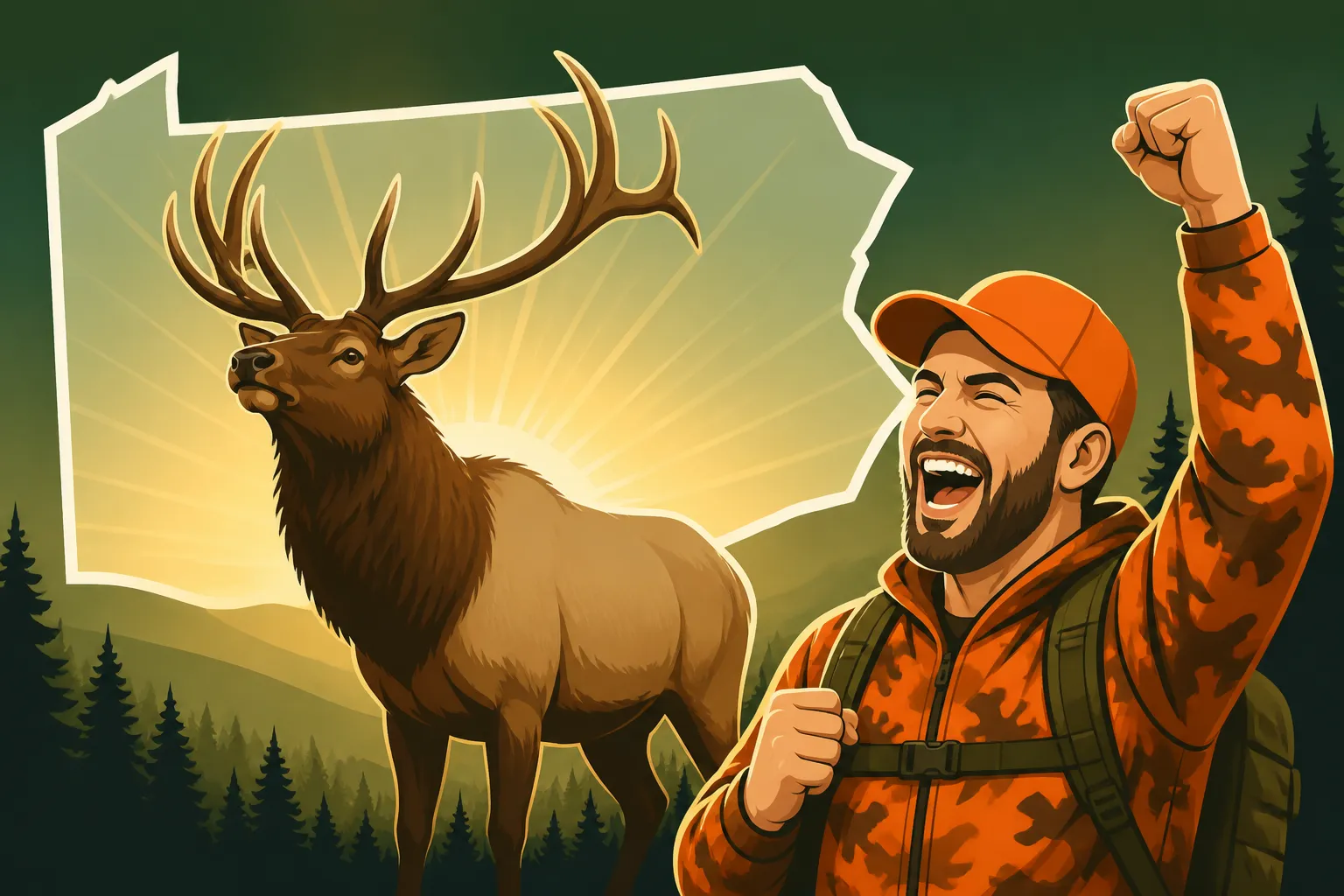
If you are one of the incredibly fortunate few to draw a Pennsylvania elk tag, congratulations! The Pennsylvania Game Commission is generally quite prompt with notifications. Successful applicants will typically receive an email notification within a few days of the public drawing event. This email will contain vital information about your specific license, the hunt zone you've drawn, and instructions on how to formally purchase your license. It's a moment of pure exhilaration for those who get the good news. On the flip side, if you don't receive an email within a week or so after the drawing date, it's usually safe to assume that you were not successful in the primary draw. The PGC does not send out "unsuccessful" notifications to everyone, mainly due to the sheer volume of applicants. This can be a bit frustrating, but it's a common practice with large-scale hunting lotteries.
If You're Lucky: License Purchase and Preparations
Drawing an elk tag is just the first step. Once notified, you have a specific, often short, window to purchase your actual elk hunting license. This isn't automatic, so don't miss that deadline! The cost for an elk license is in addition to your general hunting license. Once secured, the real planning begins. You'll need to focus on your specific hunt zone, understanding the terrain, potential access points, and scouting strategies. Many hunters who draw a tag immediately dive into researching their zone, looking at maps, and even planning pre-season scouting trips. This is where your investment in gear and knowledge truly pays off. Whether you're planning for Hunting the Pennsylvania Rut in November for deer or setting your sights on a majestic elk, preparation is paramount. You'll want to ensure your rifle is sighted in, you understand ethical shot placement, and you've got the physical conditioning for potentially challenging mountain terrain.
Here's a quick summary of what happens after the drawing:
| Event | Successful Applicant Action | Unsuccessful Applicant Action |
|---|---|---|
| Drawing Day (Mid-August) | Await email notification within days. | Keep an eye out, but no email usually means no tag this year. |
| Notification Period | Receive email with purchase instructions and deadlines. | No email received. Consider building preference points for next year. |
| License Purchase Window | Purchase elk license promptly to secure your tag. | Reflect on strategy, check for leftover tags. |
| Pre-Hunt Planning | Research hunt zone, scout, prepare gear, train physically. | Start planning for next year's application cycle. |
If You Didn't Draw: What Comes Next
For the vast majority of applicants, the August drawing brings disappointment. But don't despair! This is a long-term game for many. The most immediate next step for unsuccessful applicants, especially those with an eye on future hunts, is to consider applying for preference points again next year. Each point is a step closer to that dream tag. It’s a good time to reflect on your application strategy – did you apply for a bull tag, antlerless, or both? Did you select the zones with the best odds, or were you aiming for a specific area? This is also when some hunters will start looking at other big game opportunities, maybe planning for Pennsylvania Black Bear Hunting or focusing on their deer tags. The pursuit of big game in Pennsylvania is diverse, and while elk is a pinnacle, there's always something to hunt.
Maximizing Your Chances and Staying Informed
While the elk drawing is largely a lottery, there are definitely ways to improve your long-term odds and ensure you're always in the loop regarding critical dates and information. It's all about playing smart and staying dedicated.
Understanding Preference Points
Preference points are your most valuable asset in the Pennsylvania elk lottery, next to sheer luck. Every year you apply for an elk license and do not draw a tag, you can purchase a preference point. If you apply and are unsuccessful, you automatically receive a preference point for the next year unless you opt out. These points accrue, giving you better odds each subsequent year. For instance, if you have 10 preference points, you essentially have 11 chances in the lottery (your current application plus 10 points). This system rewards persistence. Companies like GoHunt specialize in analyzing draw odds and preference point systems across different states, offering insights into which zones might offer slightly better chances given your point accumulation. They can provide valuable data-driven strategies for how to best utilize your existing points and where to focus your efforts. Understanding Pennsylvania Elk Draw Odds is crucial, and tools like those offered by GoHunt can give you an edge in a highly competitive system.
Resources for Staying Up-to-Date
The Pennsylvania Game Commission website is your primary source for all official information regarding the elk lottery, season dates, regulations, and drawing results. They regularly update their news section and have dedicated pages for elk hunting. Subscribing to their email newsletters or following their social media channels can also ensure you don't miss critical announcements. Additionally, many hunting forums and online communities dedicated to Pennsylvania Hunting Licences and What They Cost and general PA hunting are excellent places to hear anecdotal information and discuss strategies. Staying connected to these communities can sometimes give you an earlier heads-up on notifications or changes to the drawing process. Always cross-reference any unofficial information with the PGC's official channels, of course!
Beyond the Primary Draw: Leftover Tags and Special Opportunities
Even if you don't draw a tag in the primary August lottery, your dream isn't entirely over for the year. Sometimes, due to various reasons (applicants not purchasing their tags, special allocations), a limited number of "leftover" elk tags might become available. These are extremely rare and highly sought after, often sold on a first-come, first-served basis. The PGC will announce any such opportunities well in advance, usually through their official channels. Furthermore, there are specific conservation organizations that offer special elk tags, often through auctions or raffles, which directly fund habitat and conservation efforts. While these typically come with a higher price tag or require participation in specific events, they represent another avenue to pursue that coveted Pennsylvania elk hunt. Keeping an eye on these unique situations can sometimes provide an unexpected path to the field.
Disclaimer
Please remember that hunting regulations, season dates, and drawing procedures are subject to change by the Pennsylvania Game Commission. Always consult the official PGC website and current Hunting & Trapping Digest for the most accurate and up-to-date information before applying for licenses or planning your hunt.