Pennsylvania Elk Application Dates
Trying to keep track of all the different hunting season dates and application periods in Pennsylvania can feel like a full-time job. It’s especially true for something as coveted as an elk tag, where missing a deadline means missing out entirely. This guide is here to cut through the confusion and give you all the vital information about the Pennsylvania elk application dates, the process, and what you need to know to give yourself the best shot at drawing one of these once-in-a-lifetime tags.
Understanding the Pennsylvania Elk Application Timeline
The Pennsylvania elk hunt is a true dream for many, and getting a tag starts with understanding the strict application timeline. It's not like buying a deer tag over-the-counter; this is a lottery, and precision is key. Missing a date, even by a day, can ruin your chances for the entire year, which is incredibly frustrating when you've been building bonus points for ages.
When the Application Window Opens
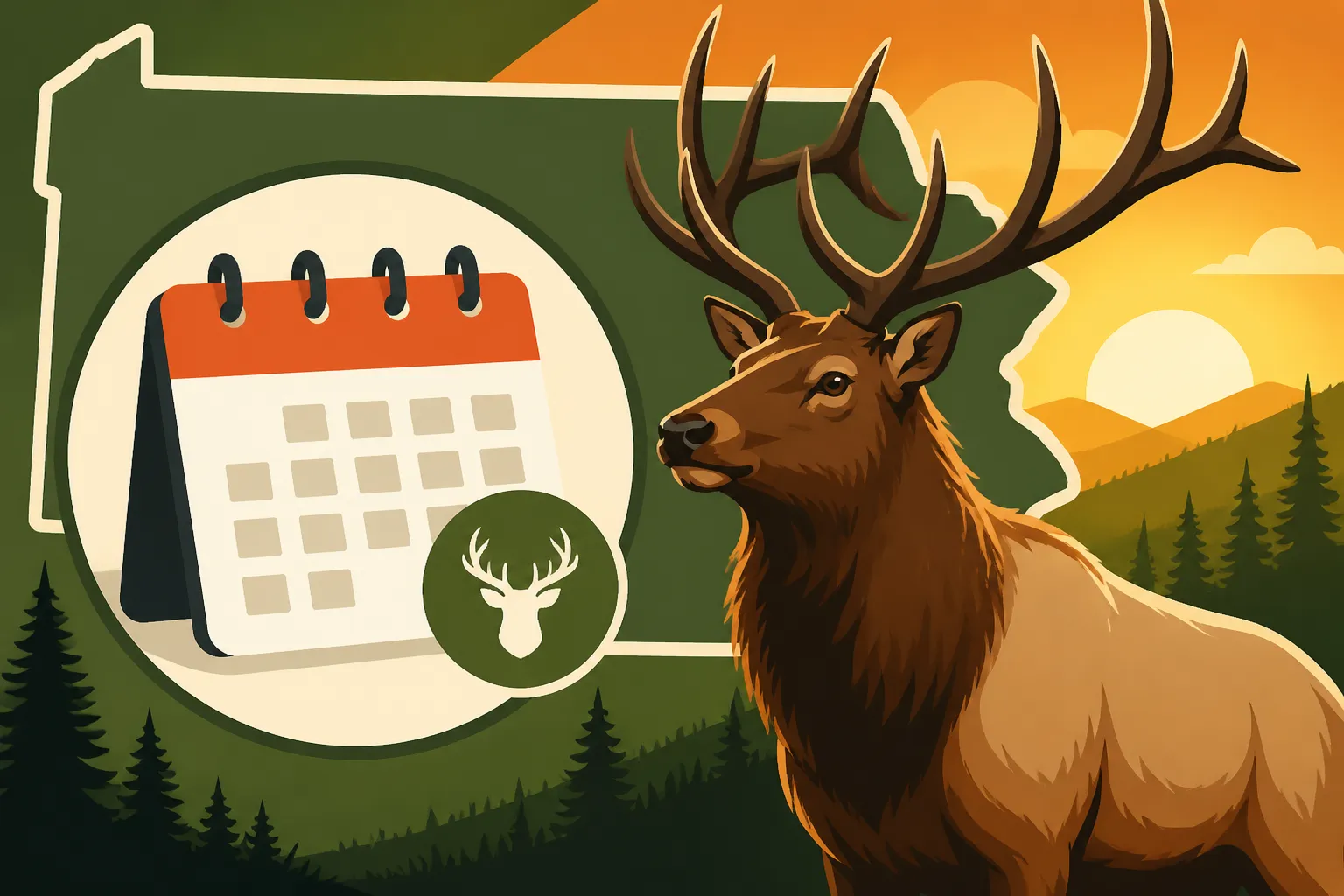
The Pennsylvania Game Commission typically opens the elk hunt application period in mid-February each year. This is when the online portal on the PGC website becomes active, allowing hopeful hunters to submit their applications. While the exact day might shift slightly from one year to the next, you can generally mark your calendar for the second or third week of February. It's not a rush to apply the moment it opens, as it's a lottery, not a first-come, first-served system. However, getting it done early ensures you don't forget amidst the hustle and bustle of spring activities.
This early opening gives everyone ample time to decide if they're going to apply, gather any necessary information, and ensure their general hunting license is in order. Remember, you absolutely need a valid general hunting license to even apply for the elk lottery. If you're a non-resident, this also means ensuring you understand the Pennsylvania Nonresident Licence Options and have yours squared away. For many, this is also the time to revisit their strategy, look at the Pennsylvania Elk Herd Size and Range, and dream about where they might hunt if successful.
Application Deadlines and How to Apply
While the application window opens in February, the critical date to remember is the application deadline, which is typically in late July. Historically, this deadline falls around the last week of July. It's absolutely non-negotiable. If your application isn't in by the PGC's specified closing time on that final day, you're out of luck. This late July deadline gives hunters a solid five months to apply, so there's really no excuse for missing it, but life happens!
The primary method for applying for a Pennsylvania Elk Licence Application is through the Pennsylvania Game Commission's HuntFishPA online portal. You'll need to log in to your account, navigate to the elk drawing section, and follow the prompts. It's a fairly straightforward process, but you'll want to double-check all your information before submitting. This includes verifying your residency, ensuring your hunting license number is correct, and confirming your payment details. You can usually choose to apply for either an antlered (bull) or antlerless (cow) tag, or both. Be sure to review the Pennsylvania Elk Hunt Zones carefully when making your selection if you have a specific area in mind, as tags are allocated by zone.
Many hunters use tools like GoHunt to stay on top of these dates and even get reminders, ensuring they never miss a critical deadline. It's an investment in peace of mind when the stakes are so high.
Licence Types, Costs, and Eligibility
Getting a grasp on the different types of elk licences, what they cost, and who is eligible to apply is fundamental. It's not just about hitting the right dates, but also about understanding the financial commitment and specific rules that apply to you.
The Elk License Application Fee
Applying for a Pennsylvania elk tag isn't free. There's a non-refundable application fee that you pay each year you enter the lottery. This fee covers the administrative costs associated with running the lottery and managing the elk program. For residents, this fee has typically been around $11.97. Non-residents usually pay a slightly higher fee, often around $26.97.
It's important to understand that this fee only covers your entry into the lottery. It does not guarantee you a tag, nor does it cover the cost of the actual elk hunting license if you are successful in the draw. Think of it as buying a lottery ticket – you pay to play, but winning requires another purchase. Many seasoned applicants, especially those tracking their odds with resources like GoHunt, factor this annual application fee into their long-term hunting budget. This fee also contributes to the conservation efforts for Elk in the Pennsylvania Wilds, helping to maintain and grow the herd for future generations.
Resident vs. Non-Resident Application Costs
The distinction between resident and non-resident hunters is significant when it comes to elk hunting in Pennsylvania. Beyond the initial application fee, the cost of the actual elk hunting license, if drawn, differs substantially.
| Licence Type | Application Fee (Approx.) | Actual Elk License Fee (Approx. if drawn) |
|---|---|---|
| PA Resident (Antlered/Cow) | $11.97 | $25.00 |
| Non-Resident (Antlered/Cow) | $26.97 | $250.00 |
As you can see, the non-resident elk license is significantly more expensive. This is a common practice in many states, designed to prioritize resident hunters and generate additional revenue from out-of-state hunters who wish to experience the local wildlife.
Another critical point for non-residents is The Ten Percent Nonresident Elk Cap. The Pennsylvania Game Commission limits the number of elk licenses issued to non-residents to no more than 10% of the total number of licenses available each year. This means the odds for non-residents are inherently tougher, making every bonus point and accurate application even more crucial. While the application fees are a relatively small part of the overall cost, understanding the full financial picture, especially for non-residents, is essential before committing to the process. You'll also need to consider your Pennsylvania Resident Hunting Licence Cost or non-resident hunting license cost, as that's a prerequisite to even apply for elk.
Maximizing Your Chances: Bonus Points and Common Mistakes
Drawing a Pennsylvania elk tag is a serious challenge. The demand far outweighs the supply, so understanding how to maximize your odds and avoid common pitfalls is absolutely crucial. This isn't just a random drawing; there's a system to it that you can leverage.
Accumulating Bonus Points
Pennsylvania's elk lottery uses a bonus point system, which significantly improves your odds over time. For every year you apply for an elk license and are unsuccessful, you receive a bonus point. These points accumulate year after year, and each point gives you an additional entry into the drawing. So, if you have 5 bonus points, your name will be entered 6 times (your current year's application plus 5 bonus points). This system rewards persistence and dedication.
The importance of bonus points cannot be overstated. While it's still possible for a first-time applicant to draw a tag, the vast majority of successful hunters have accumulated a significant number of bonus points. This is why consistently applying every year, even if you don't plan to hunt that specific year, is a sound strategy if you ever hope to hunt elk in Pennsylvania. Skipping even one year means losing all your accumulated points and starting from scratch, which is a devastating setback for many hunters. Tools like GoHunt are excellent for tracking your bonus points and understanding the current Pennsylvania Elk Draw Odds based on applicant numbers and available tags.
For those serious about their elk dreams, think of the annual application fee as an investment in your future hunt. It's a small price to pay to keep those bonus points rolling. The longer you commit, the better your statistical chance of securing one of those coveted tags for Elk in the Pennsylvania Wilds.
Common Application Pitfalls to Avoid
Even with the best intentions, hunters can make mistakes that jeopardize their chances in the elk lottery. The most common pitfall, as mentioned, is simply missing the application deadline. Mark it on multiple calendars, set phone reminders, tell your hunting buddies to remind you – whatever it takes! The PGC does not make exceptions for late applications.
Another frequent error is incorrectly filling out the application, particularly regarding your preference for antlered or antlerless tags, or selecting the wrong WMU (Wildlife Management Unit) if you have a specific hunt zone in mind. Double-check all selections before submitting. While you might dream of a bull, if your primary goal is just to hunt elk, applying for an antlerless tag often has slightly better odds due to higher allocations, though both are incredibly competitive. Remember that Do You Need a Hunting Licence to Apply for Elk? is a firm "yes," so make sure your general hunting license is purchased before applying for elk.
A less common but equally damaging mistake is providing inaccurate personal information, such as an incorrect address or phone number, which could lead to missed notifications if you are drawn. Always review every field on the application. For non-residents, ensure you're fully aware of The Ten Percent Nonresident Elk Cap and that you understand the specific rules that apply to out-of-state hunters. Take your time, read all instructions carefully on the HuntFishPA portal, and if in doubt, contact the Pennsylvania Game Commission directly for clarification before submitting your application.
After the Application: The Drawing and What Comes Next
You've submitted your application, paid your fee, and maybe even secured a few more bonus points. Now comes the agonizing wait. But once the drawing happens, the process shifts from applying to preparing for what could be the hunt of a lifetime.
When the Pennsylvania Elk Drawing Happens
The moment of truth for Pennsylvania elk hunters typically arrives in mid-August. The Pennsylvania Game Commission holds the public drawing, usually at the Kinzua Bridge State Park Visitor Center or another public venue. This event is often highly anticipated, with many hunters and enthusiasts attending in person or watching via live stream to see whose names are called. The official results are usually posted online shortly after the drawing concludes.
If you are one of the lucky few whose name is drawn, you will receive notification, often via email or mail, with instructions on how to purchase your actual elk hunting license. This is not the time to dilly-dally; there will be a deadline to purchase your license, and missing that could mean forfeiting your hard-won tag. This moment is what years of applying and accumulating bonus points has been all about. For many, this is where the real planning begins, moving from hopeful applicant to active hunter, researching Public Land Inside Pennsylvania Elk Country and getting boots on the ground for scouting.
Preparing for the Hunt After Drawing a Tag
Congratulations! Drawing a Pennsylvania elk tag is an incredible achievement and the start of an unforgettable adventure. Once you've purchased your tag, the real work begins. Pennsylvania's elk hunts usually take place in the fall, with various seasons (archery, general firearms, and a late season) spread out over several weeks. You'll want to immediately familiarize yourself with When the Pennsylvania Elk Hunts Run and the specifics of your tag (antlered or antlerless, and the designated WMU).
Scouting becomes paramount. The Pennsylvania elk range covers a vast area in the north-central part of the state, often referred to as the Pennsylvania Wilds. This means understanding the specific terrain, food sources, and elk movements within your assigned WMU. Many hunters utilize mapping software like GoHunt to pore over aerial imagery, identify potential bedding areas, water sources, and travel corridors. Physical scouting trips are highly recommended, if feasible, to learn the lay of the land firsthand.
Gear preparation is also critical. Elk are large, tough animals, and the terrain can be challenging. Ensure your rifle or bow is sighted in, you have appropriate hunting clothing for varying fall weather, and you've considered logistics like meat care and recovery. This isn't a whitetail hunt; bringing a game cart, a frame pack, or even planning for professional assistance for getting a downed elk out of the woods is a smart move. Remember, a drawn tag is just the beginning; diligent preparation is what turns a dream into a successful hunt.
Disclaimer
The information provided in this article is for general guidance and informational purposes only. Hunting regulations, seasons, and application dates in Pennsylvania are subject to change. Always consult the official Pennsylvania Game Commission website or their annual digest for the most current and accurate information before planning any hunting activities or submitting applications.