Public Land Inside Pennsylvania Elk Country
Finding and navigating public land in Pennsylvania's vast elk country can feel like trying to locate a needle in a haystack, especially for those unfamiliar with the sprawling state forests and game lands of the northcentral region. This comprehensive guide will walk you through the various public hunting opportunities available within the Commonwealth's primary elk range, helping you understand where to go, what to expect, and how to make the most of your hunting experience in this unique part of Pennsylvania.
Navigating Pennsylvania's Elk Range and Public Land Access
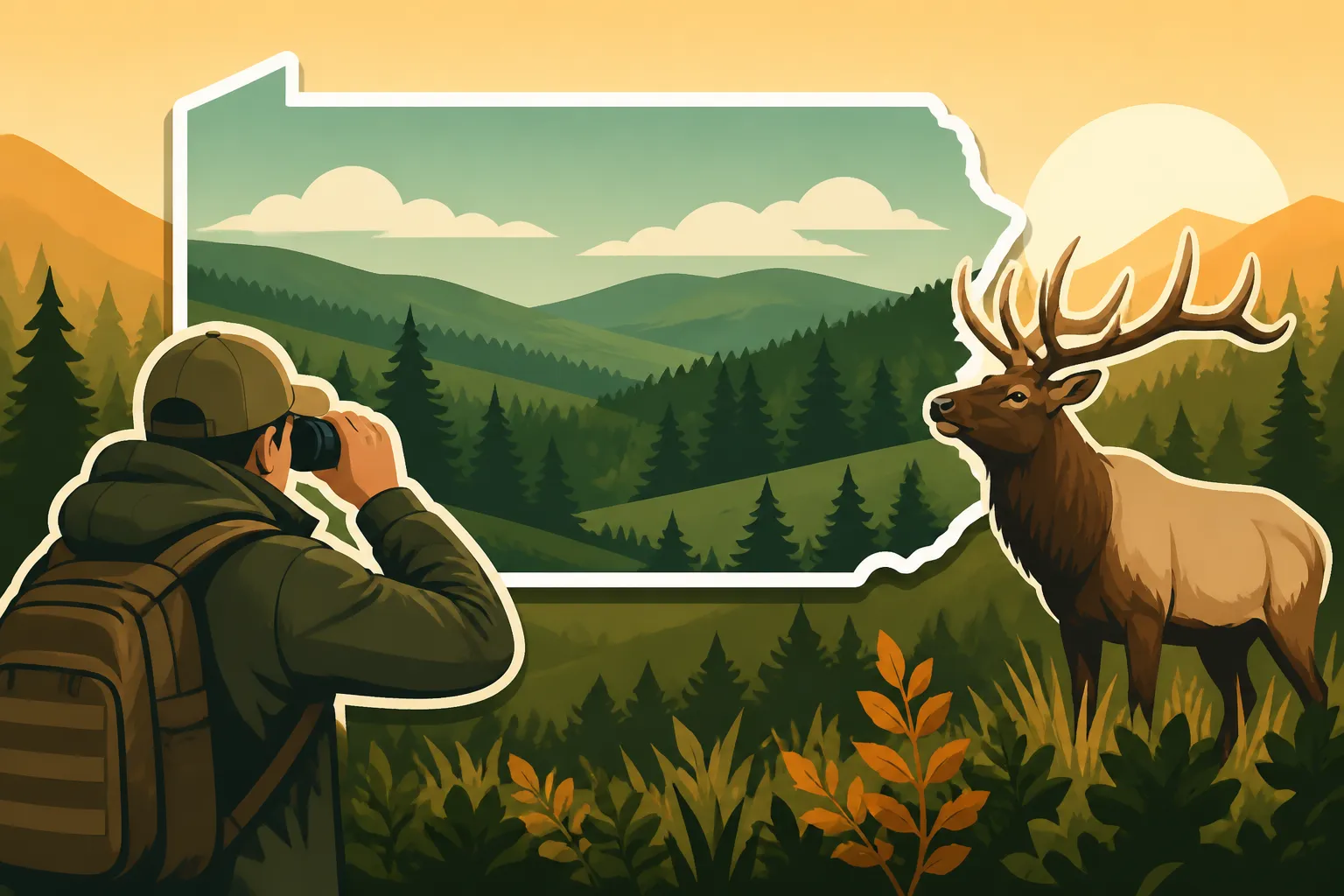
Pennsylvania's elk herd, a remarkable conservation success story, thrives in a specific region of the state, primarily across parts of Cameron, Centre, Clearfield, Clinton, Elk, and Potter counties. This area, often referred to as the "Pennsylvania Wilds," is characterized by vast tracts of public land, rugged mountains, and remote hollows. Understanding the layout of this region and the different types of public land available is your first step to unlocking its hunting potential, whether you're after a majestic bull elk or simply a challenging big woods whitetail.
Understanding the Core Elk Management Area
The Pennsylvania Game Commission (PGC) defines specific Elk Hunt Zones within this core range, but the general habitat that supports the herd extends beyond these exact boundaries. This entire region is truly unique for Pennsylvania. Instead of fragmented patches, you'll find contiguous blocks of forest, creating a wilderness feel that's hard to replicate elsewhere in the state. Much of this land is managed for multiple uses, including timber, recreation, and wildlife, meaning there are roads, trails, and various habitat types to explore. For hunters, this means an immersive experience in genuine big woods. Even if you're not lucky enough to draw an elk tag, these areas hold fantastic opportunities for deer and bear. The sheer scale of it can be daunting, but it also means less human pressure in the deeper recesses compared to smaller, more accessible public lands closer to populated areas.
Types of Public Land Available to Hunters
Within Pennsylvania's elk country, hunters primarily have access to two major types of public land: State Forests and State Game Lands. Both offer incredible hunting opportunities, but they operate under slightly different management philosophies and rules.
-
State Forests: Administered by the Department of Conservation and Natural Resources (DCNR), Pennsylvania State Forests are managed for sustained yield of timber, water, minerals, and other natural resources, while also providing extensive recreational opportunities. In elk country, these forests cover enormous tracts, often comprising the highest elevations and most rugged terrain. Examples include the Sproul, Elk, and Moshannon State Forests. Access might involve a mix of well-maintained primary roads, secondary dirt roads, and gated logging trails. Camping rules are generally more flexible on State Forests compared to Game Lands, often allowing primitive camping with a permit in many areas, which can be a huge advantage for multi-day hunting trips deep in the woods. You might find fewer designated food plots here, but the vastness provides endless opportunities for still-hunting or setting up in natural funnels. Pennsylvania State Forests are crucial pieces of the puzzle for any hunter heading into the elk range.
-
State Game Lands: Managed by the Pennsylvania Game Commission, State Game Lands (SGLs) are purchased and maintained with hunter and trapper license dollars, making them explicitly wildlife-focused. While often smaller in individual tract size than the largest State Forests, they are specifically managed for game populations, often featuring designated food plots, managed clearcuts, and improved access roads. SGLs tend to be scattered throughout the elk range, often intermingling with State Forests or private land. Think of them as prime habitat pockets designed for public hunting. You'll find designated parking areas and usually clear boundary lines, often marked with yellow paint. Pennsylvania State Game Lands are where much of the direct habitat management for deer, bear, and elk occurs, making them very appealing.
Key Characteristics of Elk Country Terrain
The terrain in Pennsylvania's elk country is rugged, characterized by steep mountains, deep hollows, and dense forest cover. This isn't flat farm country hunting; expect significant elevation changes and plenty of walking. The forests are predominantly hardwoods, like oak, maple, and cherry, with scattered conifer stands, especially in higher elevations or regenerated clearcuts. Rivers and large creeks carve through the landscape, providing travel corridors and water sources. These geographical features create natural funnels and bedding areas that are crucial for successful hunting. Understanding the lay of the land, including ridges, benches, and saddles, is paramount. Many seasoned hunters will tell you that the best spots are often found a mile or more from the nearest road, requiring a good map, a compass, and potentially a GPS or a reliable mapping app like onX Hunt to navigate confidently. The sheer scale of the woods means you need to be prepared for all conditions and potentially long hauls.
Here’s a quick overview of the main public land types in Pennsylvania's Elk Range:
| Public Land Type | Administering Agency | Primary Purpose | Typical Size | Key Features | Camping Policy |
|---|---|---|---|---|---|
| State Forests | DCNR | Timber, Water, Minerals, Recreation | Very Large Tracts | Diverse habitat, vast, more primitive access | Generally allowed with permit, more flexible |
| State Game Lands | PGC | Wildlife Habitat, Public Hunting/Trapping | Various Sizes | Food plots, clearcuts, specific wildlife focus | More restricted, often in designated areas only |
Prime Public Hunting Spots in Elk Country
While the entire elk range offers opportunities, certain state forests and game lands are particularly well-known for their size, remoteness, and potential to encounter big game, including elk. These areas often form the backbone of the habitat that supports Elk in the Pennsylvania Wilds and are key to understanding the full scope of public hunting.
State Forests: The Backbone of Big Woods Hunting
Within the designated elk range, several State Forests stand out as prime hunting grounds. The most prominent include the Elk State Forest, Sproul State Forest, and portions of the Moshannon State Forest.
-
Elk State Forest: This forest, covering a significant portion of Elk and Cameron counties, is truly the heart of elk country. It's a vast expanse of mountainous terrain, offering challenging but rewarding hunting. You'll find a mix of mature timber, regenerating clearcuts, and remote hollows. Many of the designated Pennsylvania Elk Hunt Zones are entirely or partially located within the Elk State Forest. Hunters often find success by focusing on benches, natural draws, and areas with good mast crops. The public access here is excellent, with numerous state forest roads that allow you to get deep into the woods, though many are gated seasonally, requiring foot travel. This is where you can truly immerse yourself in the big woods experience, often walking for miles without seeing another soul.
-
Sproul State Forest: Stretching across parts of Clinton and Centre counties, Sproul State Forest is another massive tract of wild country. It shares many characteristics with the Elk State Forest, offering extensive public hunting for deer and bear, and of course, elk within its designated range. The terrain here can be incredibly steep, making physical fitness a real asset. Hunters often find success by keying in on elevation changes, focusing on areas where benches break the steep slopes, or glassing across large hollows. The remote nature of Sproul means less pressure the further you hike from main roads, offering a genuine wilderness hunt.
-
Moshannon State Forest: Located to the south and west of the primary elk viewing areas, portions of the Moshannon State Forest in Clearfield and Centre counties also offer prime elk habitat and public hunting. While perhaps less "famous" for elk than Elk State Forest, it still holds a strong population of all big game. This forest, like Sproul, presents hunters with rugged topography and the reward of solitude for those willing to put in the effort. Focusing on creek bottoms or benches above them can be productive, as these often serve as natural travel corridors. Moshannon State Forest Deer Hunting can be incredibly productive, and the same tactics apply to general big game.
State Game Lands Offering Elk Country Access
Scattered throughout the elk range, various State Game Lands provide additional, often complementary, public hunting opportunities. While typically smaller than State Forests, their management focus specifically on game can make them highly attractive.
-
State Game Land 311 (SGL 311): Located prominently in Elk County, SGL 311 is one of the jewels of the elk range for public access. It's intensively managed for elk, deer, and other wildlife, with food plots, cover plantings, and logging operations designed to enhance habitat. This area sees significant elk activity and is a popular spot for both hunters and elk viewers. Because of its popularity, expect more company, especially during peak seasons or when Elk Viewing in Pennsylvania draws crowds. However, there are still plenty of opportunities for hunters who are willing to scout thoroughly and move away from the most accessible points.
-
Quehanna Wild Area (within Moshannon and Elk State Forests): While not exclusively a Game Land, the Quehanna Wild Area, straddling portions of the Moshannon and Elk State Forests, deserves special mention. This vast, remote area is managed for its wild character, meaning minimal development and a true wilderness experience. It's a tough place to hunt, with dense laurel thickets and rugged terrain, but it holds a good population of deer, bear, and elk. Hunters seeking solitude and a challenging hunt will find it here. Access is limited, and navigation can be tricky, making tools like onX Hunt invaluable for understanding boundaries and topography. Quehanna Wild Area Hunting is definitely for the adventurous, prepared hunter.
-
Other Smaller SGLs: Don't overlook smaller State Game Lands sprinkled throughout the counties that comprise the elk range. While they may not be specifically designated "elk SGLs," they provide excellent general big game hunting. These often serve as important corridors or bedding areas between larger tracts of State Forest or private land. Always check the PGC's website and use a mapping app to identify these parcels and understand their boundaries, as their smaller size can sometimes mean they are surrounded by private holdings.
Unique Public Access Points and DMAP Areas
Beyond the major State Forests and Game Lands, there are other, more localized opportunities for public access within Pennsylvania's elk country that hunters should be aware of.
-
Deer Management Assistance Program (DMAP) Areas: The DMAP program allows landowners, including some private timber companies or large private landholders within the elk range, to enroll their property to manage deer populations. In return for public hunting access, they receive special DMAP permits that hunters can apply for. These permits are specific to the enrolled property and often provide access to land that would otherwise be inaccessible. While not strictly "public land," they function similarly for hunters with a valid permit and are a fantastic way to access quality habitat, especially in transition zones between large public blocks and private farms. Always check the PGC website for current DMAP properties in the elk zones each year.
-
Forest Roads and Access: Throughout the State Forests, a network of forest roads exists. Many of these are open to vehicles seasonally or year-round, while others are gated, providing excellent foot or bike access into remote areas. These roads can be natural travel routes for game and provide easy entry to otherwise inaccessible hunting grounds. However, always be aware of vehicle restrictions and road closures, which are common during certain times of the year due to weather or timber operations. A detailed map, like those found on the Using the Pennsylvania Mapping Center or through a subscription to onX Hunt, will be essential for identifying these access points and understanding the rules.
Practical Considerations for Hunting Public Elk Land
Hunting in Pennsylvania's elk country is an incredible experience, but it requires preparation. The terrain, the weather, and the sheer scale of the landscape demand respect and a well-thought-out plan.
Scouting and E-Scouting Tools for Success
Before you ever set foot in the woods, thorough scouting is crucial, especially on vast public lands.
- Digital Mapping Applications: Modern technology has revolutionized how we scout. Apps like onX Hunt are indispensable for navigating elk country. They provide detailed satellite imagery, topographic maps, and crucially, public and private land boundaries. You can mark potential bedding areas, water sources, travel corridors, and even drop pins for parking or stand locations. This is particularly useful for identifying isolated pockets of public land or understanding where State Forest transitions into private property, ensuring you stay legal and respectful of landowners. Using these tools to identify remote areas a few ridges back from main roads can often lead to finding ground that others overlook, reducing Hunting Pressure on Pennsylvania Game Lands.
- Topographic Maps: Whether digital or paper, studying topographic maps is vital. Look for elevation changes, benches, saddles, and drainages. These features dictate how game moves through the rugged terrain. Elk, like deer, will often follow the path of least resistance or utilize thermal currents that flow up and down hollows. Understanding these movements before you arrive will give you a significant advantage. Scouting With the Pennsylvania Mapping Center can help you visualize the land from your living room.
- Winter Scouting: If possible, visit elk country in late winter or early spring. Without leaves on the trees, you can see the topography more clearly, identify old rub lines, scrapes, and historical game trails. Snow cover can also reveal concentrations of tracks and feeding areas. This type of reconnaissance can give you invaluable insights into game movement patterns that are hard to discern during the hunting season.
Dealing with Visitor Traffic and Elk Viewing Areas
Pennsylvania's elk herd is a massive draw for tourists, especially during the fall rut. This means that certain areas, particularly around Benezette and Winslow Hill, can see a lot of non-hunting visitor traffic.
- Avoiding Crowds: While these areas are fantastic for Elk Viewing in Pennsylvania, they are often not ideal for hunting due to the sheer volume of people. If you plan to hunt in these more popular zones, you'll need to work harder to get away from the crowds. This often means hiking further, focusing on less accessible terrain, or hunting during weekdays when visitor numbers are lower. Respect designated elk viewing areas and avoid disrupting the experience of others.
- Respectful Coexistence: Remember that many non-hunters are just as passionate about seeing elk as you are about hunting them. Practice good etiquette, avoid loud noises, and ensure your presence doesn't negatively impact the wildlife viewing experience for others. This helps maintain a positive image of hunters in the eyes of the public. Always be aware of your surroundings, especially if you're hunting during an elk season when many eyes are on the woods.
Important Regulations and Safety in Elk Country
Hunting in a region known for its massive elk herd and dense bear population, alongside a healthy deer population, means being extra mindful of regulations and safety.
- Species-Specific Regulations: Always double-check the current hunting regulations for deer, bear, and elk in your specific WMU and any relevant Elk Hunt Zone. Tagging requirements, legal shooting hours, and hunter orange rules can vary. For instance, the general firearm regulations for Pennsylvania Black Bear Hunting apply throughout much of this region, meaning you'll need to know your orange requirements even if you're primarily deer hunting.
- CWD Management Areas: Parts of Pennsylvania's elk range may fall within Chronic Wasting Disease (CWD) Disease Management Areas (DMAs). If hunting in a DMA, there are specific rules regarding the movement of deer, bear, and elk carcasses and parts out of the zone. Always review the PGC's most recent CWD information to ensure compliance. Knowing how to properly handle a carcass if you harvest an animal in a DMA is critical.
- Be Prepared for the Elements: The weather in the Pennsylvania Wilds can change quickly and dramatically. Be prepared for cold, rain, snow, and ice, sometimes all in the same day. Dress in layers, carry essential survival gear, and always let someone know your hunting plan, including your intended route and estimated return time. Good quality boots designed for rugged, wet conditions are non-negotiable for comfort and safety on these steep, often slippery slopes. A reliable GPS or a fully charged phone with a mapping app like onX Hunt, along with a backup battery, is crucial for staying oriented in such vast, remote country.
Hunting Pennsylvania's public land in elk country offers an unparalleled opportunity to experience some of the wildest hunting the state has to offer. With careful planning, thorough scouting, and a respect for the land and its wildlife, you can create memories that will last a lifetime.
Disclaimer
This article is for general informational purposes only and does not constitute professional advice. Laws, prices and regulations vary by location and change over time. Consult a qualified professional for guidance on your specific situation.