Elk Viewing in Pennsylvania
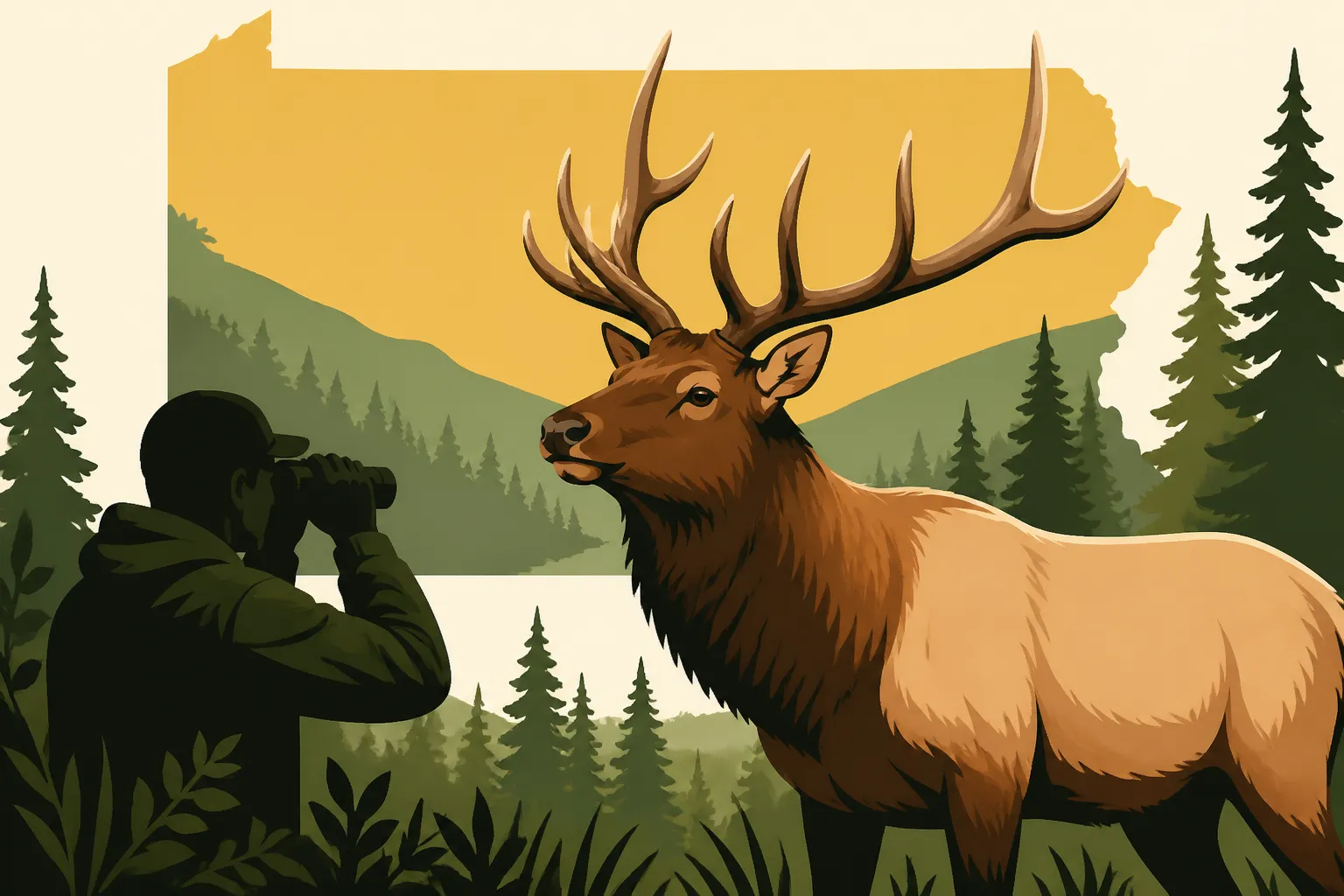
There's nothing quite like the awe of seeing a wild elk, especially in Pennsylvania. For many of us who grew up hearing tales of their return, the idea of witnessing these magnificent creatures in person often feels like a distant dream, or perhaps an endeavor reserved for serious hunters. But I'm here to tell you that's simply not true! Whether you're a seasoned woodsman or just looking for an unforgettable family outing, getting to see the Pennsylvania elk herd takes a bit of planning and patience, but it's absolutely within reach. This guide will walk you through everything you need to know to make your elk viewing experience successful and respectful.
Understanding Pennsylvania's Elk Range
For generations, the thought of wild elk roaming Pennsylvania was just a historical footnote. But thanks to dedicated conservation efforts, these majestic animals have made an incredible comeback, thriving in the northcentral region of the state, often referred to as the "Pennsylvania Wilds." It's not a place you just stumble upon elk; they have specific areas they prefer, dictated by habitat, food sources, and historic range. Knowing where to focus your efforts is the first step in a successful viewing trip.
Core Elk Country Counties
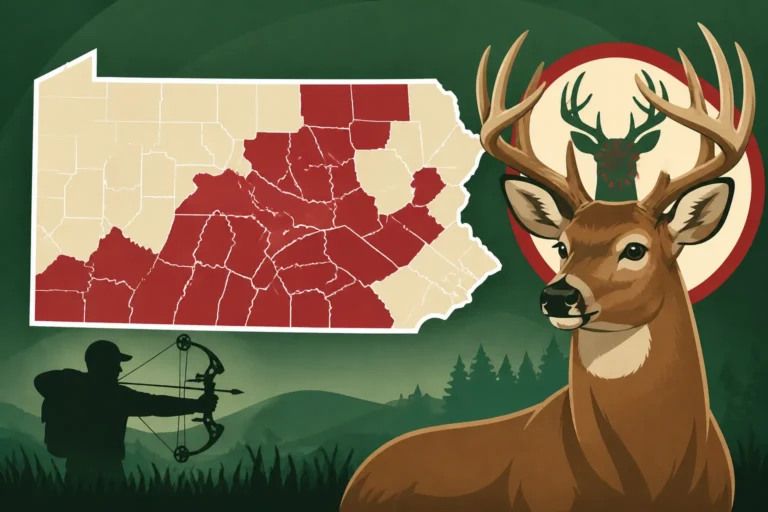
The heart of Pennsylvania's elk range is primarily concentrated in a handful of counties that offer the blend of dense woodlands, open fields, and secluded valleys these animals need to thrive. Elk County is, perhaps unsurprisingly, at the very core, along with parts of Cameron, McKean, Potter, and Clinton counties. These areas provide vast expanses of both public and private land where elk can graze, breed, and seek cover. You'll find a mix of State Game Lands and State Forests, all contributing to the habitat that supports these herds.
When you start planning, focus your initial research on towns like Benezette, Weedville, and Medix Run within Elk County, and the area around Sinnemahoning in Cameron County. These aren't just names on a map; they are vibrant, small communities that embrace the elk presence and often serve as hubs for visitors. Many locals have a deep understanding of the herd's movements and habits, and you might even find small shops or eateries that cater specifically to elk enthusiasts, offering maps or local tips. It's a truly unique aspect of the region, where the wildlife is intrinsically woven into the community's identity.
Key Viewing Hotspots and Public Access
While the elk roam across thousands of acres, certain spots have become renowned for their consistent viewing opportunities. Winslow Hill, just outside Benezette, is arguably the most famous. Here, you'll find the Elk Country Visitor Center, a fantastic educational resource that offers incredible insights into the elk and their habitat. The center itself has viewing areas and trails that often put you right in the vicinity of elk, especially during peak times. However, it's crucial to remember that this popularity means it can get very crowded, particularly during the rut.
Beyond Winslow Hill, explore areas like the Hicks Run Viewing Area, located along the Quehanna Highway in Elk County, and the Sinnemahoning State Park, which offers both land-based viewing and opportunities along the Sinnemahoning Creek. Many State Game Lands and State Forests also provide public access. Utilizing mapping tools, such as those found on the GoHunt app, can be invaluable here. They help you identify public land boundaries, locate clearcuts, logging roads, and open fields where elk might be feeding or traveling. Remember, while these spots are often reliable, elk are wild animals and their movements can be unpredictable, making every sighting a special experience. Knowing the general areas gives you a starting point, but remaining flexible and observant will increase your chances of a memorable encounter.
Best Times for Elk Viewing
Timing is everything when it comes to wildlife viewing, and elk are no exception. Their daily and seasonal routines dictate when and where they're most likely to be seen. Understanding these patterns will significantly improve your chances of a successful and rewarding experience. It's not just about being in the right place; it's about being there at the right time.
Seasonal Highlights and Behaviors
Each season in Pennsylvania's elk country offers a different kind of viewing experience, tied directly to the animals' life cycles.
- Summer (June-August): This is a great time to see large groups of cows and calves. The bulls are often still in velvet, growing their impressive antlers, and might be more reclusive. You'll frequently find elk grazing in open fields, especially in the cooler mornings and evenings, as they seek out lush vegetation. The calves are playful and provide adorable viewing moments. While the foliage is thick, making deep woods spotting difficult, the open fields and food plots are prime locations. The weather is generally pleasant, making for comfortable observation.
- Autumn (September-October): Without a doubt, this is the peak viewing season, driven by the elk rut. The bulls are in their prime, antlers polished, bugling echoing through the valleys, challenging rivals, and tending to their harems. It's an incredibly dramatic and vocal period, drawing thousands of visitors. The sheer power and raw beauty of the bulls during the rut is something you have to experience to believe. However, this popularity means massive crowds, especially on weekends and around the Elk Country Visitor Center. Planning for a weekday visit or exploring less-trafficked areas can enhance the experience. Knowing when Pennsylvania elk bugle helps target your visit.
- Winter (November-March): As snow blankets the landscape, elk become more concentrated as they seek out available food sources. This can lead to excellent viewing opportunities, especially around hayfields or managed food plots. Their dark coats stand out starkly against the white snow, making them easier to spot from a distance. However, winter viewing requires proper preparation for cold weather and potentially challenging road conditions. The herds often stick together for warmth and safety, so seeing larger groups is common.
- Spring (April-May): This is a time of transition. The bulls have shed their antlers, and new growth begins. The cows are pregnant, often seeking seclusion as calving season approaches in late spring. While still possible to see elk, they might be more dispersed and less visible than in other seasons. The landscape is reawakening, and you might catch glimpses of them browsing on new green shoots. It's a quieter time in elk country, offering a more serene experience for those who prefer fewer crowds.
Daily Patterns: Dawn and Dusk are Prime
Just like many other large game species, elk are most active during the crepuscular hours – dawn and dusk. This is when they move from their bedding areas in dense cover to feed in open fields and clearings.
In the early morning, as the sun begins to paint the sky, elk will often be finishing their overnight graze. This is a magical time to watch them, often shrouded in a light fog or mist, moving slowly across the landscape. They'll typically linger for an hour or two after sunrise before retreating into the timber to bed down for the day. Setting up before first light in a known feeding area gives you the best chance.
Similarly, in the late afternoon and evening, as the shadows lengthen, elk will emerge from cover once again to feed. They'll continue grazing until well after sunset, sometimes even into the deep night. The evening viewing can be particularly dramatic during the rut when the bugles become more frequent as darkness falls. Be prepared with binoculars or spotting scopes to maximize your viewing in lower light conditions. Remember, elk are intelligent and cautious animals; approaching them during daylight in open areas is much harder than catching them during these predictable feeding times. This daily rhythm is crucial to understand if you want to maximize your chances of a close encounter without disturbing them.
Responsible Elk Viewing Etiquette
Encountering a wild elk is an incredible privilege, and it comes with a responsibility to the animals and to other viewers. Respectful behavior ensures the safety and well-being of the herd, preserves the natural experience for everyone, and helps maintain public access to these magnificent creatures. We're visitors in their home, and we must act accordingly.
Keeping a Safe Distance
The absolute golden rule of elk viewing is to maintain a respectful and safe distance. While a bull elk might look docile from afar, these are wild animals, and they can be unpredictable, especially during the rut when bulls are agitated, or if a cow perceives a threat to her calf.
A general guideline is to stay at least 100 yards away. If an elk changes its behavior because of your presence – if it stops feeding, looks directly at you, or starts to move away – you're too close. Remember, your personal space is not the same as an elk's. Even if you think you're being quiet, their senses are far more acute than ours. Using binoculars or a spotting scope allows for "close-up" viewing without encroaching on their space. Never approach a calf, even if it appears alone; the mother is likely nearby and highly protective. Ignoring these guidelines not only stresses the animals but can also be dangerous to you and other visitors. Let's make sure the elk feel safe in their home.
Minimizing Disturbances
Beyond distance, many other actions can disturb elk and other wildlife. Noise is a major one. Keep conversations quiet, turn off loud music, and silence your phone. The natural sounds of the forest are part of the experience, and loud human noise can send elk retreating into denser cover, ruining the opportunity for others.
Vehicles also need to be managed responsibly. Drive slowly on dirt roads, always yield to elk, and pull completely off the road if you stop to watch them. Blocking traffic or stopping in the middle of a road creates hazards and frustrates other visitors. Never pursue elk in a vehicle or on foot. Harassment of wildlife is illegal and unethical. Furthermore, never feed wild elk. While it might seem like a kind gesture, it habituates them to humans, makes them lose their natural fear, and can lead to aggressive behavior or spread diseases. Leave no trace behind; pack out all your trash, and avoid trampling vegetation off established trails. We are guests in their world, and our presence should be as unobtrusive as possible.
Respecting Private Property and Fellow Viewers
Much of Pennsylvania's elk range includes a patchwork of public and private lands. Always know where you are. Respect "No Trespassing" signs and private property boundaries. Just because you see an elk on private land doesn't give you the right to enter without permission. Using tools like GoHunt can help you understand these boundaries clearly, preventing accidental trespass.
When you're at popular viewing areas, be mindful of other people. Don't block someone else's view, and be patient if a spot is crowded. Share viewing opportunities, especially if you have a prime location. Avoid pointing out specific elk loudly or gesturing wildly, which can spook the animals. The atmosphere should be one of shared appreciation for nature, not a competition for the best selfie. Remember, the goal is to observe and appreciate these magnificent animals in their natural state, and that experience is best shared respectfully.
Essential Gear for Elk Viewing
To truly make the most of your elk viewing trip, having the right gear can make all the difference. It's not just about comfort; it's about enhancing your ability to observe these creatures from a respectful distance and ensuring you're prepared for the unique conditions of the Pennsylvania Wilds.
Optics: Binoculars and Spotting Scopes
These are, without a doubt, your most important tools. Elk are large, but they can be surprisingly camouflaged against the forest backdrop, and they are often observed at a distance.
- Binoculars: A good pair of 8×42 or 10×42 binoculars are essential. They bring the elk closer, allowing you to appreciate details like antler size, coat color, and behavior without disturbing them. Look for models with good low-light performance, as prime viewing times are often at dawn and dusk. Many reputable brands offer excellent binoculars at various price points. Having them on a comfortable harness will keep them accessible and your neck free of strain during long periods of observation. Binoculars are perfect for scanning open fields, clearcuts, and the edges of the woods.
- Spotting Scopes: If you're serious about long-distance viewing, especially to observe rutting behavior across a valley or detail a bull's rack, a spotting scope is a game-changer. Coupled with a sturdy tripod, a 20-60x magnification scope will allow you to see incredible detail. While bulkier than binoculars, their power is unmatched for truly immersive viewing from a safe distance. Consider one with a larger objective lens (e.g., 60-80mm) for brighter images in dim light. For an even more immersive experience, some people opt for a camera adapter to "digiscope" – capturing photos or videos through their spotting scope.
Clothing and Footwear for All Conditions
Pennsylvania's weather can be notoriously unpredictable, especially in the mountains. Layering is key, no matter the season.
- Layered Clothing: Even in summer, mornings can be chilly, and evenings can cool down quickly. In fall and spring, temperatures can swing dramatically. Start with a moisture-wicking base layer, add an insulating mid-layer (fleece or down), and top it with a waterproof/windproof outer shell. This allows you to adjust to changing conditions. In colder months, heavy insulation is a must. Remember, quiet fabrics are best; noisy clothing can spook wildlife.
- Comfortable Footwear: You might be doing a fair bit of walking, even if it's just from the parking area to a viewing spot, or perhaps a short hike on a trail. Sturdy, waterproof hiking boots are ideal. They'll keep your feet dry in damp grass or mud and provide good ankle support on uneven terrain. Make sure they are well broken-in before your trip to avoid blisters.
Miscellaneous but Important Items
Don't overlook the smaller things that can significantly enhance your experience.
- Map and Navigation: Even if you're familiar with the area, always carry a physical map, and consider using a GPS device or a robust mapping app on your phone. Cell service can be spotty in remote parts of the Pennsylvania Wilds. Apps like GoHunt offer detailed topographical maps, satellite imagery, and public land boundaries, which can be immensely helpful for understanding the terrain and knowing where you can legally access. These tools are fantastic for scouting potential viewing spots ahead of time or navigating if you decide to explore off the main roads.
- Snacks and Water: You might be out for several hours, so bring plenty of water to stay hydrated and some high-energy snacks.
- Chair or Pad: A lightweight folding chair or a portable seat pad can make waiting at a viewing spot much more comfortable, especially during the colder months.
- Camera: Beyond your optics, a camera with a good telephoto lens can capture stunning photos of the elk. Just remember the safe distance rule and use your lens to zoom, not your feet.
- Headlamp or Flashlight: Essential for navigating in the dark if you're out before dawn or after dusk. A red-light setting is helpful for preserving night vision and minimizing disturbance to wildlife.
- Emergency Kit: Always a good idea to have a basic first-aid kit, whistle, and fire-starting materials, especially if venturing into more remote areas.
- Thermos: A thermos of hot coffee, tea, or chocolate can be a real morale booster on a cold morning or evening vigil.
By preparing with the right gear, you'll be more comfortable, better equipped to spot and observe elk, and ready to truly enjoy the magic of Pennsylvania's elk country.
Photography and Documentation
Capturing the majesty of Pennsylvania's elk herd through photography or video can be an incredibly rewarding part of the viewing experience. However, it's crucial to approach this with the same respect and responsibility that guides all other aspects of elk viewing. The goal is to document without disturbing, to create lasting memories while honoring these wild animals.
Ethical Photography Practices
When you're aiming to get that perfect shot, it's easy to get caught up in the moment and inadvertently cross a line. Remember the core principle: the welfare of the elk comes first. Never compromise an animal's safety or comfort for a photograph. This means strictly adhering to those safe distance guidelines we discussed earlier – at least 100 yards. If your presence changes their behavior, you're too close, regardless of how powerful your telephoto lens is.
Avoid using flash photography, especially after dark. A sudden, bright flash can disorient or frighten elk, potentially causing them to bolt into danger or disrupt their natural nighttime feeding patterns. Also, resist the urge to use drones. The noise and overhead presence of a drone can be highly disturbing to wildlife and are often prohibited in areas managed for wildlife viewing or hunting. Be patient; the best shots often come to those who wait quietly, letting the elk act naturally rather than trying to force a particular pose or interaction. A truly ethical photographer understands that a blurred shot from a respectful distance is far better than a "perfect" one obtained through harassment.
Recommended Camera Gear and Settings
To capture compelling images of elk from a distance, specialized gear can certainly help, but even a basic setup can yield good results with patience and knowledge.
- Telephoto Lenses: For interchangeable lens cameras (DSLRs or mirrorless), a lens with a focal length of at least 300mm, and ideally 400mm or more, is recommended. A 100-400mm or 150-600mm zoom lens is a popular choice, offering versatility. If you're using a camera with a fixed lens, look for models with a strong optical zoom capability. Remember, optical zoom retains image quality, while digital zoom often results in pixelated, unusable photos.
- Sturdy Tripod or Monopod: A long lens needs stability. A good tripod or monopod will reduce camera shake, especially in lower light conditions or when using slower shutter speeds, resulting in sharper images. This is particularly vital if you're hoping to capture the finer details of an elk's antlers or the expressions on their faces.
- Camera Settings for Wildlife:
- Shutter Speed: To freeze movement, especially if an elk is walking or bugling, aim for a fast shutter speed, generally 1/500th of a second or faster. If they are still, you can go a bit slower.
- Aperture: Start with a relatively wide aperture (lower f-number like f/4 or f/5.6) to allow more light in and create a pleasing blurred background (bokeh), which helps the elk stand out.
- ISO: Adjust your ISO as needed for the light conditions. In bright daylight, keep it low (100-400). In dim light at dawn or dusk, you'll need to increase it (800-3200 or higher), but be mindful that higher ISO can introduce "noise" or graininess into your images.
- Focusing: Use continuous autofocus mode (AI Servo on Canon, AF-C on Nikon) to track moving subjects. Spot metering can help ensure the elk is properly exposed against a potentially brighter or darker background.
Documenting Behaviors and Natural History
Beyond just getting a pretty picture, consider using your camera to document the fascinating behaviors of the elk. Are the bulls sparring? Is a cow grooming her calf? Are they feeding on a specific plant? These observations contribute to a deeper understanding of the animals and their role in the ecosystem. You might capture a rare interaction or a unique moment that tells a story.
Consider taking notes alongside your photos. Record the date, time, location, observed behaviors, and any other wildlife you might have seen. This information can be invaluable for personal learning, sharing with other enthusiasts, or even contributing to citizen science efforts if there are local programs. Remember that seeing wildlife is more than just a momentary thrill; it's an opportunity to connect with nature and appreciate the intricate web of life. The photos and notes you take become a personal archive of these unforgettable encounters, fostering a deeper appreciation for the wild beauty of the Pennsylvania Wilds.
| Location | Best Season | Typical Activity | Crowd Level (Peak Season) | Notable Features |
|---|---|---|---|---|
| Winslow Hill | Fall (Rut) | Bugling bulls, large herds grazing, sparring | Very High | Elk Country Visitor Center, viewing platforms, accessible |
| Hicks Run | Fall, Winter | Grazing in fields, potential for smaller herds | Moderate | Viewing blind, forest backdrop, scenic drive |
| Sinnemahoning State Park | All Seasons | Grazing, potential for river viewing, general wildlife | Low-Moderate | State Park amenities, canoe/kayak access, remote feel |
| Benezette Village | Fall | Elk in town, general activity | High | Restaurants, lodging, gift shops |
| Medix Run Area | Fall, Winter | Feeding in clearings, more secluded viewing | Moderate | Less developed, often requires more walking/driving |
Supporting Pennsylvania's Elk
The incredible comeback of Pennsylvania's elk herd is a conservation success story, and it's one that continues to require ongoing support. As viewers and enthusiasts, we all play a role in ensuring these magnificent animals thrive for generations to come. Your support, whether direct or indirect, helps maintain their habitat and the resources needed for their management.
Conservation Efforts and Funding
The Pennsylvania Game Commission (PGC) is the primary agency responsible for managing the state's elk population. Their work involves habitat improvement, disease monitoring, population surveys, and managing the annual elk hunt. This vital work is funded through various sources, including hunting license sales, specific elk license fees, and federal excise taxes on hunting equipment (Pittman-Robertson Act).
Even if you're not a hunter, there are ways to contribute. For instance, the Keystone Elk Country Alliance (KECA) is a non-profit organization dedicated to conserving Pennsylvania's elk country. They manage the Elk Country Visitor Center, conduct habitat projects, and provide educational programs. Donations to organizations like KECA directly support the welfare of the herd and enhance the viewing experience for everyone. Understanding where your money goes, whether it's through a PGC hunting license or a KECA donation, reinforces the interconnectedness of all efforts to protect this unique wildlife resource.
The Role of Responsible Tourism
As elk viewing gains popularity, responsible tourism becomes increasingly important. Every visitor to elk country, whether they are carrying a camera or a rifle, contributes to the local economy. Supporting local businesses – lodging, restaurants, gas stations, and shops – helps these communities thrive, and in turn, fosters a positive relationship between the locals and the elk. When communities see the economic benefits of a healthy elk population, they become stronger advocates for their protection and habitat preservation.
However, "responsible" is the keyword. Over-tourism can also put a strain on resources and the elk themselves. By following all the viewing etiquette guidelines, you're doing your part to ensure that the elk remain wild and the environment pristine. Choosing less crowded times to visit, like weekdays or off-peak seasons, can also help distribute the impact of tourism. Your presence, when respectful and conscious, can be a powerful force for good, demonstrating that wildlife tourism can be both enjoyable and sustainable.
Understanding the Elk Hunt
It might seem counterintuitive to link elk viewing with elk hunting, but in Pennsylvania, they are inextricably tied. The limited, lottery-based Pennsylvania elk hunt is a crucial management tool for the PGC. It helps control herd numbers, maintain a healthy population, and distribute animals across the landscape in balance with available habitat. The revenue generated from elk license applications and sales directly funds further conservation efforts.
Hunters, through their dedication and financial contributions, are significant conservationists. The elk hunt ensures that the population remains robust and healthy, preventing overpopulation that could lead to widespread disease or habitat degradation. For more details on the hunt, you might want to look into topics like Pennsylvania Elk Licence Application. Viewing the elk is one aspect of appreciating this magnificent species; understanding the comprehensive management efforts, including the hunt, provides a fuller picture of how these animals continue to thrive in our state. It's a testament to how diverse interests can converge to support a common conservation goal, allowing both hunters and viewers to cherish these incredible animals.
Disclaimer
The information provided in this guide is for general informational purposes only and is subject to change. Hunting regulations, seasons, and wildlife behaviors can vary. Always consult the official Pennsylvania Game Commission website and relevant local authorities for the most current and accurate information before planning any hunting or wildlife viewing activities. Safety should always be your top priority when in the outdoors.