How Many Pennsylvania Counties Have CWD
It's a scary thing when a disease threatens something you love, and for Pennsylvania hunters, Chronic Wasting Disease (CWD) casts a long shadow over our cherished deer and elk populations. The thought of CWD spreading, impacting our hunts, and potentially changing the landscape of wildlife management is a genuine source of worry for many of us. This comprehensive guide is here to shed light on exactly what CWD means for Pennsylvania, how it's being tracked, and how many of our counties have felt its unwelcome presence.
Understanding CWD in Pennsylvania
Chronic Wasting Disease isn't just a buzzword; it's a serious neurological disease affecting cervids – deer, elk, and moose. It's something that fundamentally changes how we interact with our hunting grounds and how we think about the health of the game we pursue. Understanding its nature and history here in Pennsylvania is the first step toward confronting it.
What is Chronic Wasting Disease?
At its heart, CWD is caused by abnormal proteins called prions, which slowly damage the brain and nervous system of infected animals. Unlike bacteria or viruses, prions aren't "alive" in the traditional sense, making them incredibly resilient and difficult to eradicate from the environment. Once an animal is infected, the disease is always fatal. The symptoms, which can take months or even years to appear, include drastic weight loss (wasting), behavioral changes like listlessness or increased thirst, and stumbling or poor coordination. It’s a truly heartbreaking sight for anyone who values the health of our wildlife. The thought of encountering an animal suffering from CWD is enough to give any hunter pause.
The History of CWD in Pennsylvania
Pennsylvania wasn't the first state to detect CWD, but its arrival here was a stark reminder that our wild deer herd isn't immune. The first case of CWD in a wild deer in Pennsylvania was confirmed in 2012. This wasn't a surprise to wildlife managers who had been monitoring its spread in neighboring states for years, but it certainly hit home for hunters across the Commonwealth. Before that, CWD had been detected in captive deer facilities within the state, highlighting one of the complex pathways the disease can take. Since that initial wild detection, the Pennsylvania Game Commission (PGC) has been on high alert, implementing aggressive monitoring and management strategies to try and slow its relentless march. It's a battle that continues every single year.
Why CWD Matters to Pennsylvania Hunters
For us, CWD isn't just a scientific anomaly; it's a direct threat to our hunting heritage and the health of our beloved deer. First and foremost, there's the concern for the deer themselves. A widespread outbreak could decimate local populations, altering deer densities and age structures in ways that would impact hunting opportunities for generations. Then there's the food safety aspect, though no direct link has been made between CWD and human disease, health agencies still recommend against consuming meat from CWD-positive animals. This means extra precautions and often mandatory testing in affected areas. Finally, the regulations that come with CWD – things like Pennsylvania CWD Carcass Rules and restrictions on baiting – can feel cumbersome and frustrating, changing the way we've always hunted. But these rules are crucial, born out of a desperate need to protect our herds.
Tracking CWD: How Many Counties Are Affected?
When it comes to understanding the reach of CWD in Pennsylvania, it's less about a simple count of whole counties and more about understanding the concept of Disease Management Areas, or DMAs. These are dynamic zones that shift as new cases emerge or existing ones are contained.
Identifying Disease Management Areas (DMAs)
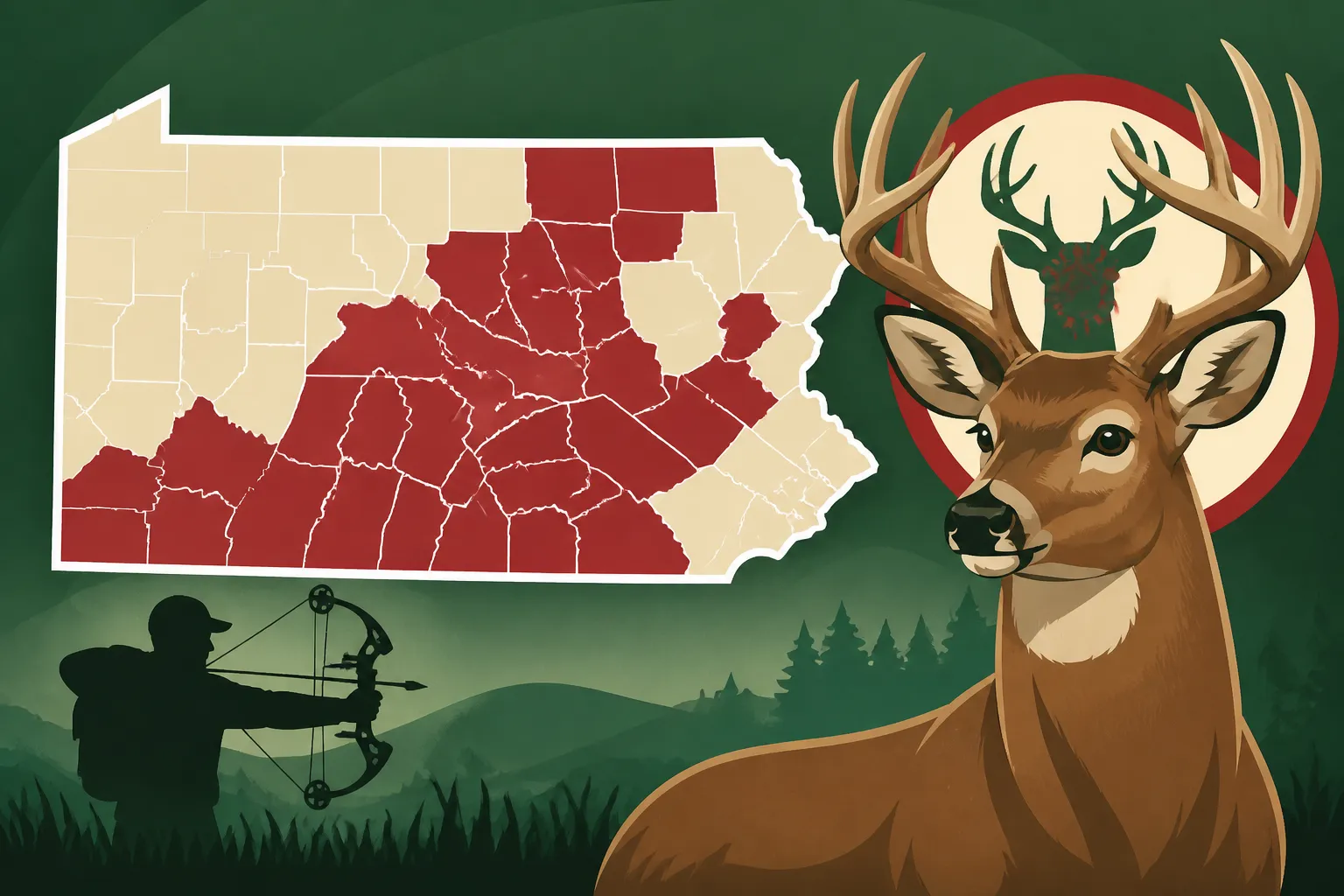
The Pennsylvania Game Commission doesn't just draw lines around entire counties; instead, they establish Disease Management Areas (DMAs). These DMAs are specific geographical regions where CWD has been detected in either captive or wild cervids, or areas at high risk of CWD transmission due to proximity to known cases. The idea behind DMAs is to contain the disease by regulating the movement of deer, deer parts, and certain materials within these zones. This means hunters in a DMA face specific rules regarding carcass handling, feeding, and even hunting methods, all aimed at preventing further spread. A DMA might encompass parts of several counties, or an entire smaller county and portions of its neighbors. It's a precise, though sometimes challenging, way to manage a diffuse problem. You can always check the Game Commission's website for the most current maps and detailed information on Which Counties Are in a Pennsylvania DMA.
Counties Within Pennsylvania's CWD Zones
Over the years, CWD has been detected in a significant number of Pennsylvania counties, or at least in portions of them that fall within established DMAs. The disease has had a persistent presence in southcentral Pennsylvania for quite some time, affecting counties in that region more consistently. However, as surveillance efforts continue and the disease unfortunately expands its footprint, other areas of the state have also seen the establishment of new DMAs. This means that while some counties may only have a small corner touching a DMA, others might be almost entirely encompassed, bringing with it a whole new set of hunting considerations for local sportsmen. It's not a static number you can memorize; it's an evolving map that requires hunters to stay informed year after year.
Let's look at how the number of affected counties or the portions of counties in DMAs has changed:
| Category | Description | Hunter Impact |
|---|---|---|
| Initially Detected Counties | Where CWD was first confirmed in wild deer, leading to the creation of the earliest DMAs. These were primarily in southcentral PA. | Hunters in these core areas were the first to experience carcass movement restrictions and mandatory testing. |
| Expansion Counties | Counties where CWD has spread over time, resulting in the expansion of existing DMAs or the creation of new, separate DMAs. This is often driven by deer movement. | New regulations and sampling requirements are introduced, potentially impacting long-standing hunting practices and traditions for hunters previously outside a DMA. |
| Bordering Counties | Counties adjacent to existing DMAs, even if no CWD has been detected directly within their borders. These areas are often subject to increased surveillance. | Hunters in these areas might see increased CWD testing efforts at check stations or taxidermists, and are encouraged to submit samples. They often use tools like GoHunt to track potential spread near their hunting grounds. |
| Potential Future Counties | Areas identified as high risk due to geographical features, deer migration patterns, or proximity to captive facilities, even if CWD has not yet been detected. | These areas serve as a reminder for all hunters to practice good deer management, be vigilant for sick animals, and follow all regulations to prevent future spread. The Pennsylvania Wildlife Disease Monitoring efforts are critical here. |
The Dynamic Nature of CWD Spread
The map of CWD in Pennsylvania isn't drawn in permanent marker; it's more like a pencil sketch that constantly needs updating. CWD prions can persist in the environment for years, making eradication incredibly difficult once established. Deer movements, especially during the rut or when seeking new food sources, can contribute to the disease's spread. This means that a county or a portion of a county that was clear last year might suddenly find itself within a new DMA if a positive case is detected. Conversely, intense management efforts might lead to a DMA shrinking, though this is less common. For hunters, this dynamic situation means constant vigilance and staying up-to-date with the latest PGC announcements. Many savvy hunters use advanced mapping tools, often integrated with their GoHunt subscription, to keep tabs on DMA boundaries and regulations that might affect their upcoming hunts.
Hunter Responsibilities and Regulations
As hunters, we're not just passive observers; we're on the front lines of wildlife conservation. When it comes to CWD, our actions can make a real difference in controlling its spread. Ignoring the rules or being uninformed isn't an option.
Carcass Restrictions for Hunters
One of the most significant changes CWD has brought to Pennsylvania hunting is the implementation of strict carcass movement restrictions. If you harvest a deer, elk, or moose within a DMA, you cannot take certain high-risk parts out of that DMA. These parts include the brain, spinal cord, eyes, spleen, and lymph nodes – essentially the parts where CWD prions concentrate. This means if you tag a buck in a DMA, you'll need to field dress it carefully, leaving those parts behind, or take it to a PGC-approved processor or taxidermist within the DMA. This can be a hassle, especially if your processing facility is outside the zone, but it's a critical measure to prevent the geographical spread of the prions. Understanding Moving a Carcass Out of a DMA is absolutely essential before your hunt.
CWD Testing and Reporting
The PGC relies heavily on hunter-submitted samples to monitor the disease and update DMA boundaries. In CWD-affected areas, mandatory or voluntary testing stations are often set up, asking hunters to submit lymph node samples from their harvested deer. Taking part in this testing is a tangible way to contribute to the overall health of the herd. If you harvest an animal that appears sick or exhibits any CWD symptoms, it's crucial to report it immediately to the Game Commission. While waiting for test results can be frustrating, especially if you want to get your venison into the freezer, it's a small price to pay for the long-term health of the herd. Information on Pennsylvania CWD Testing for Hunters is readily available and often communicated through licensing agents and regional PGC offices. This helps us gauge Pennsylvania CWD Prevalence Rates.
Baiting and Feeding Restrictions
Another common regulation in DMAs is the prohibition of baiting and feeding deer. This isn't just a random rule; it's based on scientific understanding of how CWD spreads. When deer congregate at a bait pile or feeding station, they increase their nose-to-nose contact and deposit saliva, urine, and feces more frequently in a concentrated area. If an infected deer visits that site, it leaves behind prions, which can then be picked up by other deer visiting the same spot. Even indirect contact, like deer consuming contaminated soil, can lead to infection. Therefore, suspending baiting and feeding activities is a vital step in reducing potential transmission opportunities. Always check the current regulations for Pennsylvania Deer Feeding and Baiting Rules in your hunting area, as these can change.
Impact on Deer Management and the Future
CWD forces wildlife managers to think differently about how they manage our deer and elk. It's a long-term challenge that requires adaptable strategies and the continued cooperation of the hunting community.
Management Strategies in Affected Areas
In DMAs, management strategies often become more intensive. This can include targeted removals of deer populations to reduce density and slow transmission, increased CWD testing efforts, and even specific antlerless tag allocations aimed at reducing herd numbers. While these measures can sometimes be unpopular with hunters who are used to more traditional management approaches, they are often necessary in the fight against CWD. The goal is always to keep the disease from becoming so widespread that it causes significant, irreversible declines in deer numbers. It's a delicate balance, and agencies like the PGC are constantly reviewing new scientific research and adapting their plans. They are also closely monitoring the CWD Risk to the Pennsylvania Elk Herd, implementing surveillance in elk country to protect that vulnerable population.
The Role of Hunters in CWD Surveillance
Beyond simply following the rules, Pennsylvania hunters are the most vital eyes and ears in the field for CWD surveillance. We spend countless hours in the woods, observing deer behavior and population dynamics. If you see a deer acting strangely, showing signs of advanced CWD, or find a deer deceased without an obvious cause, reporting it immediately to the PGC is critical. Your observations can help pinpoint new outbreaks and guide management efforts. Additionally, participating in voluntary CWD testing programs, even outside of DMAs, provides invaluable data that helps paint a broader picture of the disease's presence. Every sample helps inform the overall Pennsylvania Deer Population Estimate and management strategy. The success of CWD containment truly depends on our collective effort.
Long-Term Outlook for Pennsylvania's Deer Herd
The long-term outlook for Pennsylvania's deer herd in the face of CWD is complex and still uncertain. While the disease is a formidable challenge, it's not a death sentence for deer hunting as we know it. Continued vigilance, adaptive management, and strong hunter cooperation are key. Research into CWD detection, prevention, and even potential treatments is ongoing, and breakthroughs could change the game. For now, we must operate with the best information available, embracing the regulations designed to protect our wildlife. The more informed and active we are as hunters, the better chance we have of mitigating CWD's impact and ensuring that future generations can enjoy the rich hunting traditions we hold so dear.
Disclaimer
This article is for general informational purposes only and does not constitute professional advice. Laws, prices and regulations vary by location and change over time. Consult a qualified professional for guidance on your specific situation.