Where CWD Was First Found in Pennsylvania
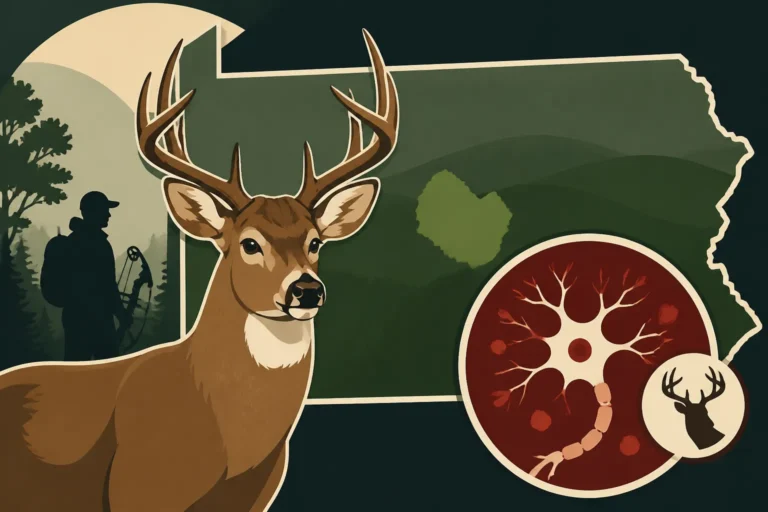
The unsettling reality of Chronic Wasting Disease (CWD) casts a long shadow over hunting seasons for many Pennsylvanians. It's a disease that brings with it a host of concerns about the health of our deer herds and the future of our hunting traditions. This guide aims to shed light on where CWD first made its appearance in Pennsylvania, delve into what this means for our wildlife, and empower you with the knowledge to be part of the solution.
The First Detection: Where CWD Landed in Pennsylvania
It's a moment no wildlife agency wants to face, and for Pennsylvania, the initial discovery of Chronic Wasting Disease was a significant turning point. Understanding where and how CWD first surfaced here helps us grasp the ongoing efforts to manage its spread and protect our precious deer, elk, and moose populations. The story of CWD in Pennsylvania begins, not in the deep wilderness, but closer to human activity.
Initial Discovery and Confirmation
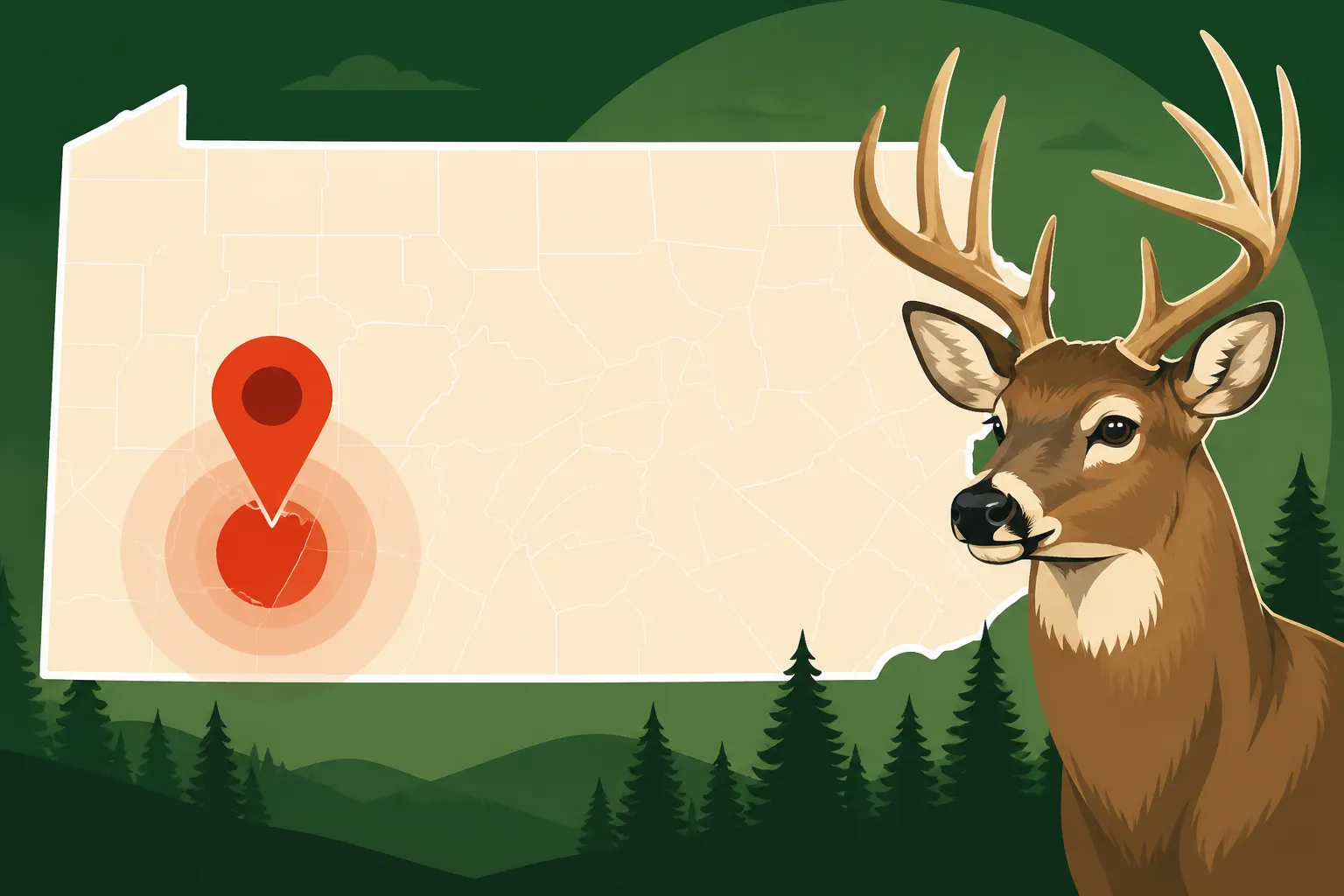
The very first detection of CWD in Pennsylvania wasn't in a wild deer roaming the vast State Game Lands or State Forests. Instead, it was confirmed in a captive deer facility in Adams County back in 2012. This particular farm, located in the south-central part of the state, housed various cervids, and when the disease was confirmed, it sent ripples of concern through the entire hunting community and wildlife management circles. The immediate focus shifted to understanding the scope of the problem within the facility and, more critically, assessing the potential for transmission to the surrounding wild deer population.
This initial finding underscored the complex nature of CWD's spread, highlighting how disease can emerge from different sources, including captive herds. While the focus of most hunters is rightly on the health of wild deer, these captive facilities sometimes present unique challenges and vectors for disease introduction. The Pennsylvania Game Commission, along with the Department of Agriculture, immediately initiated investigations and implemented strict protocols to contain the disease within that specific location and prevent further spread. It was a stark wake-up call, signaling that CWD was no longer a distant threat but a present reality within the Commonwealth.
The confirmation in Adams County was particularly alarming because it meant that the insidious prion disease had breached Pennsylvania's borders. For years, wildlife agencies across North America had watched CWD spread, hoping to keep it out of states like Pennsylvania with robust deer populations. The finding triggered intense surveillance efforts, not just in Adams County but in neighboring areas, to determine if the disease had already jumped the fence into the wild herd. This diligent, often painstaking, work laid the groundwork for how the state would move forward in its fight against CWD.
The Response and Formation of Disease Management Areas
Following the initial detection in Adams County, and subsequent confirmations in wild deer in the same general region, the Pennsylvania Game Commission established its first Disease Management Area (DMA). DMAs are essentially designated zones where specific regulations are put in place to help prevent the spread of CWD. These regulations are critical because they address known pathways of transmission, such as the movement of deer carcasses and the use of certain attractants. For hunters, entering and exiting a DMA requires a heightened level of awareness and adherence to these special rules.
The establishment of DMAs fundamentally changed how many Pennsylvanians hunted in those regions. Hunters suddenly had to contend with restrictions on moving deer parts out of the DMA, mandatory CWD testing for harvested deer in certain areas, and prohibitions on feeding deer, which can concentrate animals and facilitate disease transmission. These rules, while sometimes inconvenient, are vital tools in the state's strategy to contain and, hopefully, limit the spread of CWD. Understanding the boundaries of these DMAs, and the specific rules within them, is paramount for any hunter heading afield in Pennsylvania. Resources like the Pennsylvania Mapping Center or even apps like GoHunt can be incredibly helpful for identifying these critical zones.
Since that first DMA was established, others have been created in various parts of the state as new CWD detections have occurred. Each time a new cluster of cases or a new geographic detection happens, the Game Commission evaluates the situation and often expands existing DMAs or establishes new ones. This dynamic approach is necessary to respond to the evolving threat of CWD. Hunters must stay informed about the current DMA boundaries and regulations, as these can change from year to year. You can always check the Game Commission's official website or consult the digest you receive with your hunting license for the most up-to-date information on Chronic Wasting Disease in Pennsylvania and its impact on hunting regulations.
Understanding Chronic Wasting Disease
Chronic Wasting Disease is a serious neurological disorder affecting deer, elk, and moose—collectively known as cervids. It’s a disease that’s often misunderstood, leading to a lot of anxiety and speculation among hunters. Getting a clear picture of what CWD is, how it spreads, and what signs to look for is crucial for anyone who cares about Pennsylvania's wildlife. It's not just another deer disease; it's a unique and persistent threat.
What is CWD and How Does it Spread?
CWD is caused by abnormal proteins called prions. Unlike bacteria or viruses, prions aren't living organisms; they're misfolded proteins that cause normal proteins in the brain and nervous system to also misfold. This process slowly degrades the brain, eventually leading to death. The scariest part about prions is their resilience – they are incredibly resistant to conventional sterilization methods and can persist in the environment for years, even decades. This environmental persistence is why CWD is such a formidable challenge for wildlife managers.
The disease can spread through direct contact between animals, such as through saliva, urine, and feces. Imagine deer interacting at a popular mineral lick or a communal feeding site; these are prime locations for indirect transmission. Furthermore, contaminated soil or vegetation can also serve as a source of infection. When an infected animal dies and decomposes, the prions are released into the environment, where they can be picked up by other cervids. This means that once CWD is established in an area, it's incredibly difficult to eradicate, which is why preventive measures and management strategies are so important. The complexities of Pennsylvania Deer Feeding and Baiting Rules are directly tied to these transmission risks, aiming to reduce the congregation of deer.
Research into CWD transmission is ongoing, and scientists are continually learning more about how it moves through populations. It's a slow-acting disease, sometimes taking months or even years for an infected animal to show symptoms. This long incubation period makes it particularly challenging to control, as an outwardly healthy-looking deer could still be a carrier and transmitter of the disease. This is why vigilance and adherence to rules regarding carcass movement and reporting sick animals are so important for every Pennsylvania hunter.
Symptoms and Impact on Deer
The symptoms of CWD typically manifest in adult deer and, as the name suggests, often involve a progressive "wasting" away of the animal. An infected deer will gradually lose weight and body condition, becoming emaciated despite adequate food intake. This is due to the neurological damage hindering their ability to process nutrients and behave normally. It's a slow, agonizing decline for the affected animal.
Beyond physical deterioration, CWD also causes a range of behavioral changes. Infected deer may appear listless, often standing with a lowered head and ears drooped. They might exhibit repetitive walking patterns, an increased thirst leading to excessive drinking and urination, and often drooling. Their coordination can become impaired, making them stumble or appear disoriented. These symptoms are not always immediately obvious, especially in the early stages of the disease, which adds to the difficulty of identification in the field. However, any deer exhibiting such unusual behavior should be reported to the Pennsylvania Game Commission. Tools like those found on GoHunt can help you quickly locate Game Commission contact information for reporting.
The impact of CWD on a deer population can be devastating over time. As more animals become infected, the population's overall health declines. While it may not cause mass die-offs like some other diseases, CWD has the potential to significantly reduce deer numbers and alter the age structure and health of the herd in affected areas. This long-term threat is why understanding and preventing its spread is so crucial for the sustained health of White-Tailed Deer Across Pennsylvania and the future of hunting in the Commonwealth. It's a quiet threat, but a very real one, influencing how the Game Commission manages deer populations and issues tags, as outlined in Pennsylvania Deer Seasons and WMU Rules.
The Ongoing Battle and Hunter's Role
The fight against Chronic Wasting Disease in Pennsylvania is a collective effort, involving wildlife biologists, state agencies, and, perhaps most importantly, hunters. Each of us has a role to play in monitoring, reporting, and mitigating the spread of this formidable disease. It's not just about compliance with regulations, but about stewardship and safeguarding our hunting heritage for generations to come.
Managing CWD in Pennsylvania
The Pennsylvania Game Commission employs a multi-faceted approach to managing CWD. This primarily involves intensive surveillance, strategic culling in specific areas, and stringent regulations within DMAs. Surveillance involves targeted testing of harvested deer from specific regions, as well as testing sick or deceased deer reported by the public. This data helps biologists understand the prevalence of the disease and its geographic spread, informing decisions about where to focus efforts. When you submit your deer for testing in a DMA, you're directly contributing to this vital surveillance.
Strategic culling is another tool used in areas with high CWD prevalence or new detections. This involves carefully removing a specific number of deer to reduce population density and, consequently, the potential for disease transmission. It's a difficult but sometimes necessary measure, aimed at slowing the spread and protecting the broader deer population. The goal is not to eradicate deer, but to maintain a healthier, more resilient herd. For an in-depth look at harvest data, checking a Reading a Pennsylvania Harvest Report can provide insights into these efforts.
Beyond these direct actions, the Game Commission also focuses on public education. They work to ensure hunters understand Pennsylvania CWD Carcass Rules, proper carcass disposal, and the prohibition on certain attractants that might concentrate deer. This ongoing effort requires constant communication and adaptation, as new scientific insights emerge and the disease situation changes. Hunters are truly on the front lines, and their understanding and cooperation are vital for the success of these management strategies.
How Hunters Can Help Prevent the Spread
As hunters, we are critical partners in the battle against CWD. Our actions in the field directly influence the disease's trajectory. The first and perhaps most important thing you can do is to be aware of the current Disease Management Areas. Before you head out, use tools like the Pennsylvania Game Commission's online maps or a mapping app like GoHunt to confirm if your hunting area falls within a DMA. If it does, familiarize yourself with all the specific regulations for that zone, especially concerning the movement of deer carcasses and the use of bait or attractants.
Secondly, proper carcass disposal is absolutely essential, particularly if you harvest a deer within a DMA. The rules generally require that high-risk parts (like the brain, spinal cord, and lymphoid tissue) are not transported out of a DMA. This means either processing your deer completely within the DMA and only removing boned-out meat, cleaned skull plates, or capes, or depositing the high-risk parts in designated collection bins provided by the Game Commission. Transporting these parts out of a DMA could unknowingly contribute to the spread of prions to new areas, potentially contaminating new environments. Understanding Moving a Carcass Out of a DMA is a non-negotiable part of responsible hunting today.
Finally, reporting any sick or unusually behaving deer is a powerful way to contribute. If you observe a deer exhibiting CWD symptoms—emaciation, drooling, listlessness, or unusual behavior—do not harvest it. Instead, immediately contact the Pennsylvania Game Commission with details on the animal's location and observed symptoms. This prompt reporting allows wildlife officials to investigate and potentially remove infected animals, preventing further environmental contamination. Your vigilance and responsible choices are the best defense we have against CWD, helping to safeguard the health of the entire herd and ensure the future of hunting in Pennsylvania.
Pennsylvania CWD Facts and Hunter Responsibilities
The presence of Chronic Wasting Disease means hunters have an even greater responsibility to understand and follow regulations. The table below summarizes key facts and responsibilities concerning CWD in Pennsylvania.
| Aspect of CWD | Key Fact/Requirement for Hunters | Why it Matters |
|---|---|---|
| First Detection Location | Captive deer facility in Adams County (2012), later confirmed in wild deer in the same region. | Pinpoints the initial entry point of CWD into Pennsylvania, informing early management strategies. |
| Disease Management Areas | Specific geographic zones with special CWD regulations. You must know if you are hunting in one. | DMAs are the primary tool for containing CWD spread and managing affected populations. |
| Carcass Movement | Prohibited movement of high-risk parts (brain, spinal cord, etc.) out of a DMA. Boned-out meat and cleaned skulls are generally okay. | Prevents unknowingly transporting prions to new, uninfected areas. |
| CWD Testing | Mandatory or voluntary testing may be required or available in DMAs. Hunters may be asked to submit samples. | Helps monitor disease prevalence, track its spread, and provides data for management decisions. |
| Deer Feeding/Baiting | Generally prohibited in DMAs and may have other restrictions statewide. | Reduces congregation of deer, which can facilitate direct and indirect disease transmission. |
| Reporting Sick Deer | Immediately report any deer exhibiting CWD symptoms (emaciation, drooling, neurological issues) to the Game Commission. | Allows prompt investigation and removal of infected animals, preventing further spread and environmental contamination. |
| Environmental Persistence | CWD prions can remain viable in soil and the environment for many years. | Underscores why once CWD is present, it's extremely difficult to eliminate, emphasizing prevention. |
| Human Health | No evidence of CWD transmission to humans, but the CDC recommends against eating meat from infected animals. | Ensures hunter safety and ethical consumption of harvested game. |
Disclaimer
This article is for general informational purposes only and does not constitute professional advice. Laws, prices and regulations vary by location and change over time. Consult a qualified professional for guidance on your specific situation.