Chronic Wasting Disease in Pennsylvania
There's a cloud hanging over the minds of many Pennsylvania hunters these days, a quiet but persistent worry that impacts how we approach our deer seasons. Chronic Wasting Disease, or CWD, has shifted from a distant threat to a very real presence in our woods, bringing with it confusion about regulations, concerns about herd health, and an undeniable anxiety about the venison we bring home to our families. This comprehensive guide is here to cut through the noise, offering clear, empathetic, and actionable insights into CWD in Pennsylvania, helping you understand the disease, navigate its challenges, and continue to hunt confidently and responsibly.
Understanding Chronic Wasting Disease
Let's be honest, scientific jargon can feel overwhelming, especially when it's about something that affects our passion and our plate. But understanding the basics of CWD is the first step to facing it head-on. It's not just another deer sickness; it's a game-changer.
What CWD Really Is
At its core, Chronic Wasting Disease is a progressive, fatal neurological disease that affects cervids, which include deer, elk, and moose. Unlike bacterial or viral infections, CWD is caused by abnormal proteins called prions. These rogue proteins, for reasons scientists are still trying to fully grasp, cause normal proteins in the brain and spinal cord to misfold. This leads to a slow, irreversible degeneration of brain tissue, essentially riddling the brain with holes, much like mad cow disease in cattle or scrapie in sheep.
The progression of CWD is heartbreakingly slow and always ends in death. A deer can be infected for months, sometimes even years, before showing any outward signs. When symptoms do appear, they are grim: drastic weight loss (hence "wasting"), stumbling, drooling, excessive thirst and urination, and a general lack of awareness. Imagine seeing a deer that looks like it's starving in the middle of a lush field, moving without purpose, and you're likely witnessing the advanced stages of CWD. It's a truly terrible sight for anyone who cares about wildlife.
How CWD Spreads Among Deer
This isn't a disease that's spread by sneezing or coughing in the traditional sense. CWD prions are shed by infected animals through saliva, urine, and feces. What makes them particularly insidious is their resilience; these prions can persist in the environment for years, even decades, resisting extreme temperatures, disinfectants, and even breakdown in the soil. This means a seemingly healthy deer could walk through an area where an infected deer once stood, pick up prions from the soil or vegetation, and become infected.
Direct contact among deer is a major culprit, especially in areas where deer congregate. Think about those community mineral licks or bait piles many folks used to set out. While well-intentioned, these spots become hotbeds for disease transmission, as multiple deer share the same contaminated soil, mouth to mouth. This is why the Pennsylvania Game Commission has strict regulations against baiting and feeding deer, especially within Disease Management Areas (DMAs). Tools like the GoHunt app, with its detailed mapping layers, can help you identify public land areas and sometimes even overlay CWD zones, helping you consider how deer might move and congregate, even if it's not due to baiting, and thus inform your scouting for healthier animals. Understanding these movement patterns is crucial in areas where CWD is a concern.
CWD's Historical Presence in Pennsylvania
For years, CWD was something we heard about in Western states, a problem for distant elk herds. Then, in 2012, it arrived on our doorstep. The first confirmed case of CWD in a free-ranging deer in Pennsylvania was detected in Bedford County, a moment that sent ripples of concern through the hunting community. It was a wake-up call that the disease wasn't just a hypothetical threat; it was here.
Initially, the disease was traced back to captive cervid facilities, where a few infected deer were found, underscoring the challenge of managing the disease's spread even in controlled environments. The Pennsylvania Game Commission acted swiftly, establishing the first Disease Management Areas (DMAs) to try and contain the spread. Since then, while the core affected areas have seen an increase in prevalence, CWD has continued its slow, creeping expansion, necessitating ongoing adjustments to regulations and management strategies. It's a constant battle, and one that requires every hunter to be part of the solution.
Identifying Disease Management Areas and Regulations
One of the most immediate and impactful aspects of CWD for Pennsylvania hunters is the establishment of Disease Management Areas, or DMAs. These zones come with specific rules that can drastically change how you plan your hunt, process your deer, and even what gear you bring home. Ignoring these rules isn't just irresponsible; it can carry legal consequences.
Navigating Pennsylvania's DMA Zones
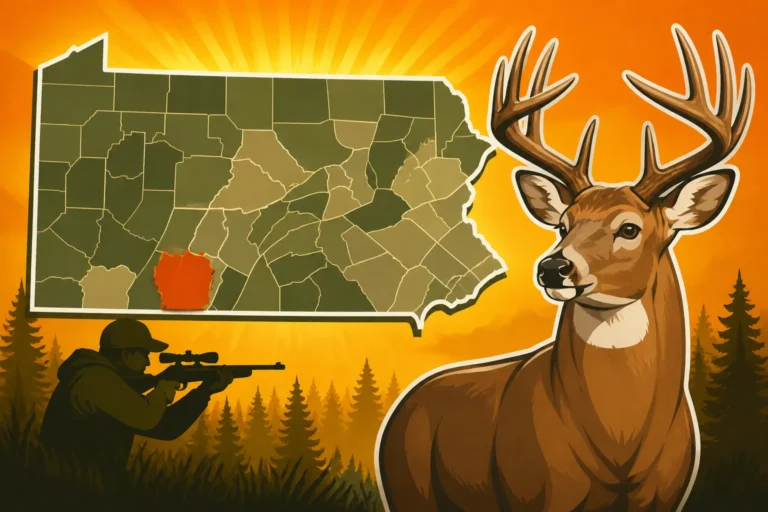
A Disease Management Area (DMA) is a geographically defined region where CWD has been detected in wild deer or elk, or where there's a significant risk of it spreading. The Pennsylvania Game Commission establishes these zones as a primary tool to control and limit the disease's advance. The boundaries are not arbitrary; they are determined by surveillance data, deer movement studies, and potential exposure points. Currently, Pennsylvania has several active DMAs, particularly concentrated in southcentral, northwestern, and southeastern parts of the state. For instance, large swaths of Huntingdon, Blair, and Bedford counties are often within CWD zones, but these lines shift and expand.
It's absolutely vital to know if your chosen hunting ground falls within a DMA. This isn't just about good practice; it's about following the law. The PGC website has interactive maps that are updated regularly, and many hunters rely on mapping apps like GoHunt for real-time overlays that show current DMA boundaries. Before you even head out to do some Scouting Pennsylvania Public Land Before Season, double-check the latest maps. These zones dictate specific rules regarding deer feeding, carcass movement, and sometimes even hunting methods, making pre-hunt research more critical than ever.
Carcass Transportation Rules
This is perhaps the most frustrating and logistically challenging aspect for hunters in DMAs. The rule is straightforward: certain high-risk parts of a harvested deer cannot be removed from a DMA. These parts include the head (especially the brain and eyes), spinal column, spleen, and lymph nodes, as these are where prions accumulate most densely. The intent is to prevent hunters from inadvertently spreading CWD to new areas by transporting infected material.
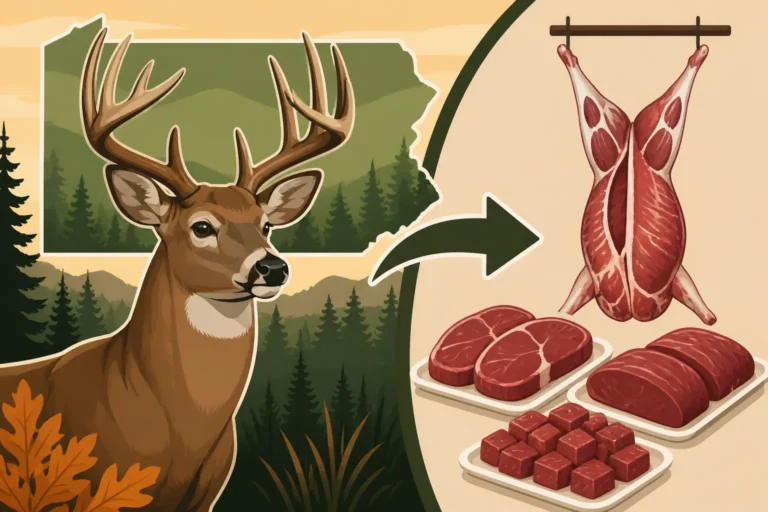
So, what can you take out? Boned-out meat, cleaned skull plates (for taxidermy), tanned hides, and antlers free of visible brain or nervous tissue are generally permitted. For a hunter, this means making tough decisions in the field. If you harvest a deer in a DMA, you're either processing it down to its allowable components on-site or finding a certified processor within the DMA. Imagine taking a beautiful buck in the hills of Fulton County, only to realize you need to quarter it right there, often miles from your vehicle. It’s not how most of us picture our post-harvest ritual, but it’s a necessary adaptation. The Pennsylvania Game Commission has detailed Pennsylvania CWD Carcass Rules that every hunter operating in or near a DMA needs to commit to memory.
Mandatory Testing and Reporting
Pennsylvania has been proactive in its CWD surveillance efforts. While voluntary testing is encouraged statewide, mandatory testing is often implemented at check stations or designated drop-off locations within DMAs. This means if you harvest a deer in certain areas during specific seasons, you might be required to submit the head for CWD testing. These locations are usually well-marked, and the PGC provides clear instructions. This mandatory testing is crucial for monitoring disease prevalence and spread, giving the PGC the data they need to adjust their management strategies.
Even if mandatory testing isn't in effect for your specific harvest, voluntary testing is a highly recommended practice. It offers peace of mind and contributes valuable data. You can find locations for submitting samples on the PGC website. Beyond CWD testing, all harvested deer in Pennsylvania must be reported to the PGC within 24 hours. This Pennsylvania Deer Tagging Requirements and reporting process is essential for wildlife management and disease monitoring efforts, providing crucial information on overall deer population health and harvest numbers, which in turn helps inform CWD strategies.
Practical Steps for Pennsylvania Hunters
Dealing with CWD can feel like navigating a minefield, but it doesn't have to be. There are very practical, common-sense steps we can all take to minimize risk, whether we're hunting inside a DMA or just in a neighboring county. It's about being informed and responsible.
Reducing Risk in the Field
First and foremost, the Pennsylvania Game Commission prohibits the feeding of deer year-round within DMAs, and strongly discourages it statewide. This includes mineral licks, corn piles, and any other attractant that concentrates deer. We know now that these congregating points are prime locations for CWD prions to be exchanged and persist in the environment. So, as much as we love seeing deer up close, resisting the urge to feed them is a critical step in slowing the spread of this disease. This also applies when considering private land opportunities; if you're using a Deer Management Assistance Program Permits on a private parcel within a DMA, you'll still need to adhere to these feeding restrictions.
When it comes to field dressing your deer, simple precautions go a long way. While there's no evidence of CWD transmitting to humans through casual contact, wearing rubber or latex gloves is always a good idea, not just for CWD but for any potential pathogens. Try to minimize contact with the brain and spinal cord material. If you're quartering your deer in the field, use separate knives for boning out meat versus handling the head or spine, if possible, or at least thoroughly clean and sanitize your tools afterwards. If you spot a deer displaying obvious CWD symptoms – extreme thinness, drooling, or neurological issues – it’s best to avoid harvesting it if possible. Report such sightings to the Game Commission; they can investigate and potentially remove the infected animal.
Processing Your Harvest Responsibly
So, you've taken a deer within a DMA. Now what? Your options largely depend on where you are. If you're outside a DMA, traditional processing methods are generally fine. However, if you're inside one, things get a bit more complicated. Many hunters choose to quarter their deer in the field, bone out the meat, and leave the high-risk parts (head, spinal column, spleen) at the harvest site, ensuring they are disposed of properly and legally, often by burying them deeply or bagging them for proper disposal at a designated PGC collection point. Some hunters will transport these high-risk parts to a landfill that accepts such materials, though this varies by county and often requires prior arrangement.
If you use a commercial processor, make sure they are aware of CWD regulations and have protocols in place, especially if they are located within a DMA. Some processors specialize in handling deer from DMAs, ensuring all high-risk parts are properly managed and disposed of. Always ask questions and be transparent about where your deer was harvested. The goal is to ensure that those CWD prions stay contained and don't make their way into areas currently free of the disease. This commitment to responsible processing is vital for all of us.
Understanding the Risk to Humans and Other Animals
This is the big question that looms over every hunter's mind: can CWD affect humans? The Centers for Disease Control and Prevention (CDC) and other public health organizations state that there have been no confirmed cases of CWD transmission to humans. However, they also strongly advise against consuming meat from CWD-positive animals. The scientific community is still conducting research, and prudence dictates caution. It’s better to be safe than sorry when it comes to your health and the health of your family.
The risk to other animal species, particularly livestock, is also a topic of ongoing research. While there's no widespread evidence of transmission to cattle or other farm animals in natural settings, the persistence of prions in the environment means the potential for cross-species transmission is always a concern scientists are monitoring. For hunters, this translates to taking precautions with your harvested meat and properly disposing of potentially infected parts, not just for yourself, but for the broader ecosystem. Getting your deer tested, especially from a DMA, and waiting for results before consuming the meat, is a practice that offers peace of mind.
The Impact of CWD on Deer Management and Hunting
CWD isn't just a concern for individual deer; it's a profound challenge for the health of our entire deer herd and, by extension, the future of hunting in Pennsylvania. It forces wildlife managers to rethink long-standing strategies and asks hunters to adapt in ways many of us never imagined.
How CWD Affects Deer Population and Health
The long-term effects of CWD on deer populations are a major concern. Because the disease is always fatal and can have a long incubation period, it slowly whittles away at a herd. In areas with high CWD prevalence, studies in other states have shown a decline in overall deer numbers and changes in age structure, often seeing fewer older, mature deer. This isn't an overnight collapse; it's a gradual, insidious drain on the population. Imagine the cumulative effect of a percentage of the deer dying each year from a disease that has no cure. It impacts the overall vitality and genetic health of the herd.
Pennsylvania's deer herd, like many across the continent, is generally resilient, but CWD adds a significant stressor. Wildlife biologists are constantly monitoring the Pennsylvania Deer Population Estimate to gauge these impacts. The presence of CWD also complicates efforts to manage other diseases, like EHD (Epizootic Hemorrhagic Disease), which can cause acute die-offs. Dealing with both CWD and conditions like EHD Die-Offs in Pennsylvania Deer means wildlife managers are facing unprecedented challenges in maintaining healthy, viable deer populations for both ecological balance and hunting opportunities.
Game Commission Strategies and Hunter Role
The Pennsylvania Game Commission's primary goals in managing CWD are containment and mitigation – slowing the spread of the disease and reducing its prevalence in infected areas. This involves a multi-pronged approach that includes surveillance (testing harvested deer), regulating carcass movement, and, critically, managing deer populations. In DMAs, the PGC often encourages a higher harvest of deer, particularly antlerless deer, through the issuance of more Pennsylvania Antlerless Deer Licences Explained. The logic is that reducing deer density can help limit nose-to-nose contact, thereby slowing transmission rates.
Hunters play an absolutely critical role in this strategy. Your cooperation in submitting samples for testing, adhering to carcass movement restrictions, and being willing to harvest more deer in DMAs directly contributes to the PGC's efforts. It’s a partnership, even if it sometimes feels like a burden. When the PGC releases data on Pennsylvania CWD Prevalence Rates in certain areas, it's often a direct result of hunter participation in surveillance programs, offering insights into how the disease is progressing. We are the eyes and ears in the woods, and our actions matter significantly.
The Future of Hunting with CWD
For many of us, the days of hunting without a thought about CWD are long gone. This disease is likely here to stay, meaning we must embrace a "new normal" for hunting in Pennsylvania. This new reality includes being diligent about checking DMA boundaries, adapting our processing methods, and staying informed about the latest research and regulations. It means that what was once a simple harvest now requires an added layer of responsibility.
But this doesn't mean the end of hunting. Far from it. It means being more connected to the science, more aware of our impact, and more dedicated to ethical practices. It means utilizing resources like GoHunt to download the latest PGC CWD maps to your phone, ensuring you have critical information even when out of cell service. Hunters have always been stewards of the land and its wildlife, and facing CWD is another chapter in that stewardship. It's about adapting, learning, and ensuring that future generations can continue to enjoy Pennsylvania's rich hunting heritage.
Addressing Common Concerns and Misconceptions
When something as serious as CWD enters the conversation, it's natural for fear and misinformation to follow. Hunters are often bombarded with conflicting reports and theories, adding to the stress of an already complex issue. Let’s clear up some of the common points of confusion and validate the very real feelings hunters are experiencing.
Debunking Myths About CWD
One of the biggest misconceptions is that CWD is like a flu bug, rapidly spreading and immediately obvious. This isn't the case. As we discussed, it's a slow-acting neurological disease with a long incubation period, meaning a deer can appear perfectly healthy for a significant time while still being infected. It doesn't typically cause massive, sudden die-offs like some viral diseases. Another myth is that CWD magically appears; while the exact origin can be elusive, we know it's spread by prions, not a random, spontaneous event. It's also crucial to differentiate CWD from other diseases like EHD. While both affect deer, their causes, symptoms, and transmission methods are entirely different. EHD causes acute illness and rapid death, often near water sources in late summer, while CWD is a chronic wasting over time.
There's also often a fear that CWD will instantly jump to humans with the slightest contact. While caution is absolutely warranted, and the CDC advises against consuming infected meat, it's important to reiterate that there are no confirmed cases of CWD in humans. Research is ongoing, but the current understanding doesn't support immediate, easy transmission. This nuance is crucial to avoid unnecessary panic while still emphasizing responsible practices. Understanding the differences between these diseases and the true nature of CWD is vital for effective Pennsylvania Wildlife Disease Monitoring.
The Psychological Toll on Hunters
Let's be real: CWD isn't just a biological problem; it's an emotional one for hunters. The worry is palpable. Many of us have grown up with the tradition of processing our deer at home, sharing venison with family and friends. Now, there's a nagging question in the back of our minds: "Is this deer safe?" This uncertainty can dampen the joy of a successful hunt and complicate those cherished camp traditions. The added regulations – the need to quarter a deer in the field, the inability to take certain parts home, the mandatory testing – add layers of bureaucracy and effort that can feel overwhelming and frustrating.
It’s completely valid to feel frustrated, confused, or even a bit helpless. Hunting is a way of life for so many of us, deeply intertwined with our connection to nature and our food sources. To have that threatened, or at least complicated, by a disease we can't fully control or cure, is a heavy burden. But you're not alone in these feelings. Connecting with other hunters, sharing experiences, and pooling knowledge can help alleviate some of this mental load.
Leveraging Resources for Information
In a world full of conflicting information, knowing where to find reliable, up-to-date guidance is paramount. The Pennsylvania Game Commission's official website is your primary source for all things CWD. They publish maps, regulations, testing site locations, and the latest scientific updates. This is where you'll find details on Where CWD Was First Found in Pennsylvania and current maps showing How Many Pennsylvania Counties Have CWD are impacted.
Beyond official channels, university extension offices (like Penn State Extension) often have excellent, research-based information on wildlife diseases. Local hunting clubs and conservation organizations can also be good sources of practical, community-level advice and support. And don't forget modern tools! Apps like GoHunt are invaluable. With their detailed topographical maps and ability to overlay CWD zones, they provide instant access to critical information right in your hunting pack. Staying informed and actively seeking out reliable sources is the best way to navigate the evolving landscape of CWD in Pennsylvania.
| High-Risk Deer Parts | Disposal Guidelines (Within a DMA) |
|---|---|
| Brain, Spinal Cord, Eyes, Spleen, Lymph Nodes | Must NOT be removed from DMA. |
| Options: 1) Leave at kill site (not on public view). 2) Double-bag and dispose in landfill approved for solid waste. 3) Utilize PGC collection sites (if available). | |
| Bones (non-spinal), Organs (other than spleen) | Generally allowed to be removed from DMA, but exercise caution. |
| Options: 1) Dispose with other high-risk parts. 2) Can be processed by in-DMA butcher. | |
| Boned-out Meat (muscle tissue) | Can be removed from DMA. |
| Process as usual. Consider testing if harvested in high-prevalence area. | |
| Clean Skull Plate (for taxidermy) | Can be removed from DMA if all brain/nervous tissue is removed. |
| Ensure completely clean, free of tissue. | |
| Antlers (free of tissue) | Can be removed from DMA. |
| Ensure no attached brain or nervous tissue. | |
| Hides | Can be removed from DMA. |
| No specific restrictions, but common sense hygiene applies. |
Disclaimer
Please remember that hunting regulations and CWD management protocols are subject to change. Always consult the official Pennsylvania Game Commission website or their printed digest for the most current and accurate information before heading afield. This guide is for informational purposes only and does not supersede official regulations.