Pennsylvania CWD Prevalence Rates
It's completely understandable to feel a knot in your stomach when you hear about Chronic Wasting Disease (CWD) in Pennsylvania. For years, this disease has been a looming shadow over our cherished deer herds, creating a lot of questions and sometimes, outright confusion for hunters. This guide is here to unravel the complexities of CWD prevalence rates in our state, clarify what it means for your hunting plans, and equip you with practical knowledge to navigate this challenging issue responsibly.
Understanding the Threat of Chronic Wasting Disease
CWD isn't just a buzzword; it's a serious neurological disease that affects cervids like white-tailed deer, elk, and moose. It's caused by abnormal proteins called prions, which slowly damage the brain and nervous system of infected animals, eventually leading to death. What makes CWD particularly concerning for hunters and wildlife managers alike is its persistence in the environment and the devastating impact it can have on deer populations over time.
What Exactly is CWD?
Imagine a disease that slowly, inexorably, wastes away an animal's body and mind. That's CWD in a nutshell. Infected deer might initially show subtle signs, but as the disease progresses, they become emaciated, stumble, exhibit abnormal behaviors, and often salivate excessively. It’s a tragic sight, and there's currently no cure or vaccine for CWD. The prions are incredibly hardy, resisting conventional disinfectants and persisting in soil, plants, and even water sources for years, making eradication a monumental challenge once it takes root in an area. This environmental persistence means that simply removing infected animals isn't always enough to clear a landscape of the disease.
How CWD Spreads Through the Landscape
CWD spreads primarily through direct animal-to-animal contact, but it's also transmitted indirectly through environmental contamination. Think about deer interacting at common food sources, licking mineral licks, or even just sharing bedding areas. Prions are shed through saliva, urine, and feces of infected animals. If a healthy deer comes into contact with these contaminated substances, it can pick up the disease. The long incubation period, which can be years, means an infected deer can be spreading prions long before it shows any symptoms, making detection and control incredibly difficult. This insidious spread is why practices like baiting and feeding deer are often discouraged or even prohibited, as they concentrate animals and facilitate the transmission of prions. Understanding these pathways is crucial for appreciating the challenge of managing CWD in our wild spaces.
Why Pennsylvania Hunters Cannot Ignore CWD
For us hunters, CWD poses a multi-faceted threat. First and foremost, it’s about the health of the deer herd itself. A significant outbreak could lead to a decline in deer numbers and alter population dynamics, directly impacting hunting opportunities. Secondly, there are legitimate food safety concerns. While there's no conclusive evidence that CWD can spread to humans, health organizations advise against consuming meat from CWD-positive animals. This means potential loss of harvested game, which is a big deal for those of us who rely on venison for our freezers. Finally, the disease leads to increased regulations, such as carcass restrictions and mandatory testing, which can sometimes feel like an added burden. However, these measures are put in place to protect the herd and our hunting traditions for generations to come. Ignoring CWD is not an option; active participation in its management is essential for every hunter.
Charting CWD Prevalence Across the Commonwealth
Pennsylvania has been battling CWD for a while now, and understanding where it is and how frequently it occurs is critical for both wildlife managers and hunters. It's not a static situation; the landscape of CWD in Pennsylvania is constantly being monitored and re-evaluated based on ongoing surveillance.
The Pennsylvania Game Commission's Surveillance Efforts
The Pennsylvania Game Commission (PGC) invests significant resources into monitoring CWD. Each year, thousands of deer are sampled across the state. These samples come from various sources: deer harvested by hunters, road-killed deer, and deer exhibiting symptoms of the disease. These samples are then tested in specialized labs to determine the presence of CWD prions. This extensive testing program is vital because it allows the PGC to track the disease's spread, identify new areas where it has emerged, and assess its prevalence within established areas. Without this diligent surveillance, we'd be flying blind, unable to make informed management decisions to protect our deer herd. The effort to collect samples, especially from hunters, is a cornerstone of this strategy, helping build a comprehensive picture of CWD activity.
Geographic Hotspots and Disease Management Areas
When CWD is detected in a specific region, the PGC often establishes a Disease Management Area (DMA). These DMAs are defined geographical boundaries where special regulations are put in place to help contain the disease and prevent its further spread. You'll find stricter rules regarding carcass movement, feeding deer, and sometimes even specific hunting regulations within these zones. Currently, there are multiple DMAs across Pennsylvania, particularly in the southcentral and southeastern parts of the state where the disease has been present longer. The location and size of these DMAs can shift as new detections occur or as prevalence rates change. It's crucial for hunters to always check the latest DMA maps before heading afield, especially if you plan on harvesting a deer. For detailed, up-to-date maps and boundary descriptions, tools like GoHunt can be incredibly useful to see exactly where you stand. Knowing Which Counties Are in a Pennsylvania DMA is a key step in responsible hunting.
Interpreting Prevalence Data and Trends
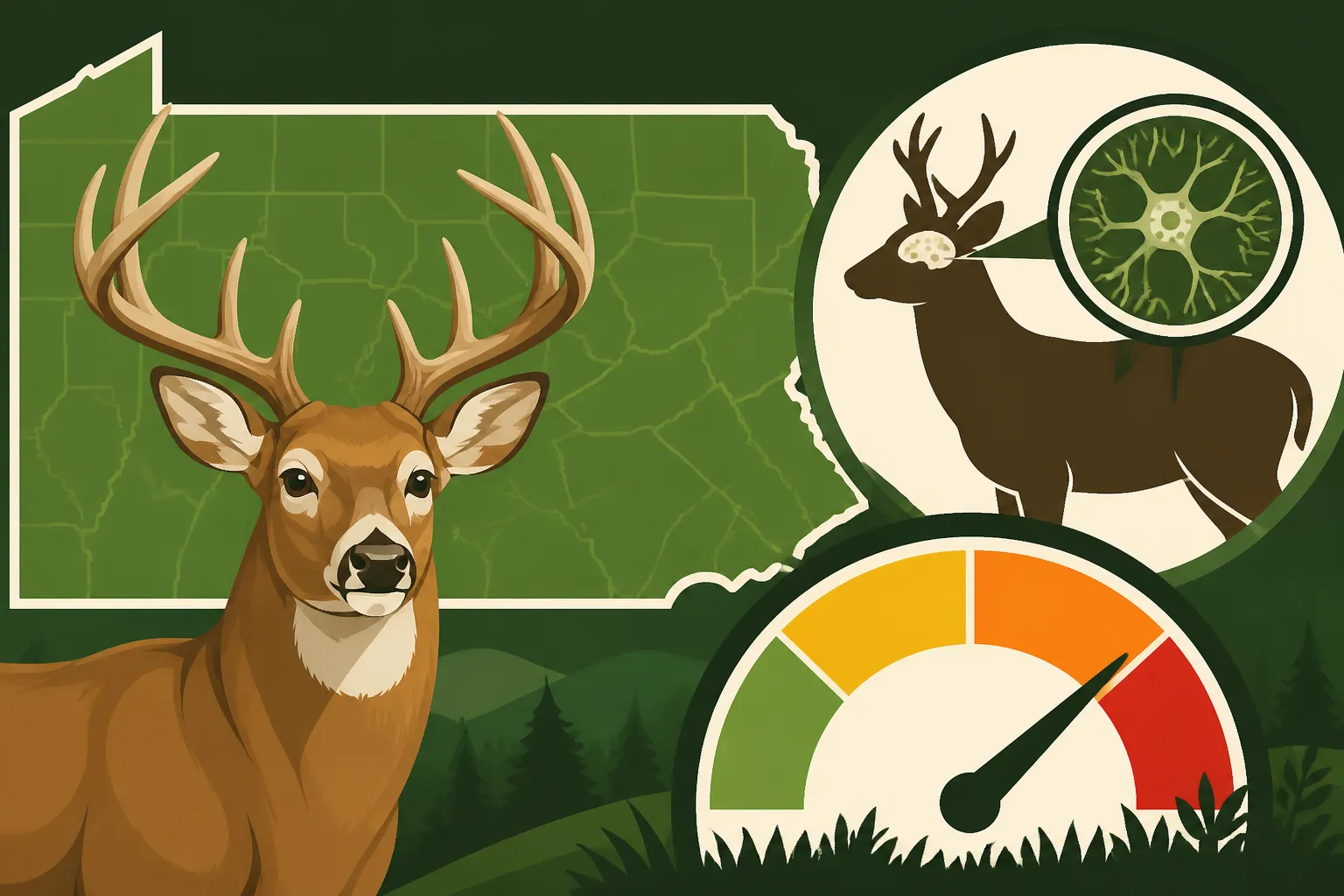
Prevalence rates refer to the percentage of tested deer in a given area that test positive for CWD. In Pennsylvania, these rates vary significantly depending on the DMA and even within different parts of a single DMA. In some areas, particularly where CWD was first detected years ago, prevalence rates can be higher, especially among adult bucks. In newer detection areas, the rates might still be quite low. The trend, unfortunately, has generally been one of slow, outward expansion and, in some core areas, an increase in prevalence. This is a common pattern for CWD once it establishes itself.
Understanding these trends helps wildlife managers gauge the severity of the problem and adjust strategies. For hunters, it means being aware that even if you hunt in an area with historically low CWD activity, things can change. This is why vigilance, adherence to regulations, and participation in testing are so important. It's a long game, and the data helps us play it smarter. The Pennsylvania Game Commission has done extensive work to detail Where CWD Was First Found in Pennsylvania, which can give you some historical context for current hot zones.
Practical Guidance for Hunting in CWD-Affected Areas
Hunting in Pennsylvania, especially in or near Disease Management Areas, requires a little extra thought and a commitment to responsible practices. It’s not about fear, but about being informed and playing your part in protecting the resource we all value. These guidelines are designed to help you do just that.
Navigating Carcass Movement Restrictions
One of the most impactful CWD regulations for hunters involves carcass movement. If you harvest a deer within a DMA, you generally cannot transport certain high-risk parts of that deer outside the DMA boundary. This includes the head (especially brain and spinal cord), spinal column, and certain lymph nodes, as these parts contain the highest concentrations of prions. You can usually transport deboned meat, clean hides, skull caps with antlers (after removing all brain tissue), and teeth.
This restriction is in place to prevent hunters from inadvertently spreading CWD to new areas. It means you might need to process your deer within the DMA, or at least quarter it and remove the high-risk parts before leaving. Some butchers within DMAs are set up to handle this. It’s a logistical challenge, no doubt, but it’s a critical step in containment. Always double-check Pennsylvania CWD Carcass Rules before your hunt, as these can be updated.
Here’s a simplified breakdown of typical carcass movement rules:
| Carcass Part | Inside DMA Transport | Outside DMA Transport (Permitted) | Outside DMA Transport (Prohibited) |
|---|---|---|---|
| Deboned Meat | Yes | Yes | No |
| Cleaned Hides | Yes | Yes | No |
| Skull Cap with Antlers (brain tissue removed) | Yes | Yes | No |
| Full Skull with Antlers (brain tissue not removed) | Yes | No | Yes |
| Spinal Column | Yes | No | Yes |
| Head (full, with brain) | Yes | No | Yes |
| Lymph Nodes | Yes | No | Yes |
| Intestines | Yes | No | Yes |
Note: Always consult official PGC regulations for the most current and specific rules, as these can change by DMA.
The Importance of Hunter-Submitted Samples
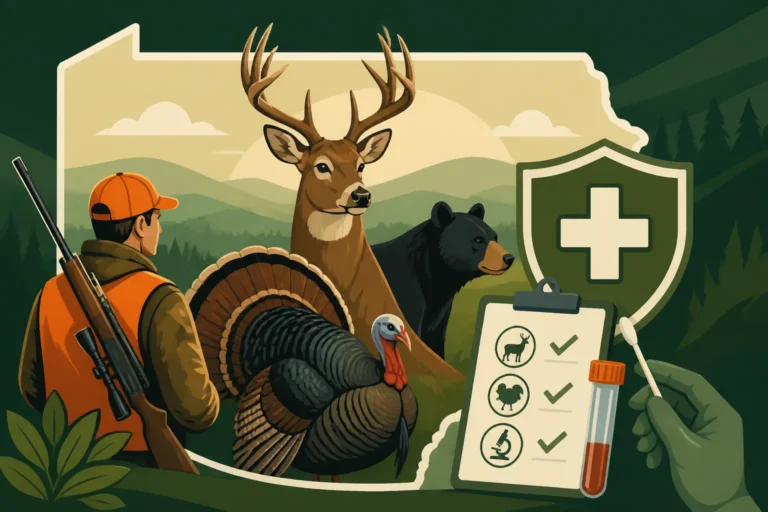
As hunters, we are literally on the front lines of CWD surveillance. The PGC relies heavily on samples submitted by hunters to monitor the disease. If you harvest a deer in a DMA, you'll often find mandatory or highly encouraged submission requirements for lymph node samples. Even outside DMAs, voluntary testing might be offered. There are usually designated drop-off points or cooperating butchers where you can submit samples from your harvested deer.
This participation is incredibly valuable. Each sample contributes to a more accurate understanding of Pennsylvania CWD Prevalence Rates and helps inform future management decisions. While it might add an extra step to your post-harvest routine, remember that you're directly contributing to the health of Pennsylvania's deer herd and the future of hunting. It's a small price to pay for the long-term benefits. You can find information on CWD testing for hunters through the PGC's website or by checking their interactive maps.
Best Practices for Hunters and Meat Handling
Beyond regulations, there are general best practices you can adopt to minimize risk and be a responsible hunter in the age of CWD.
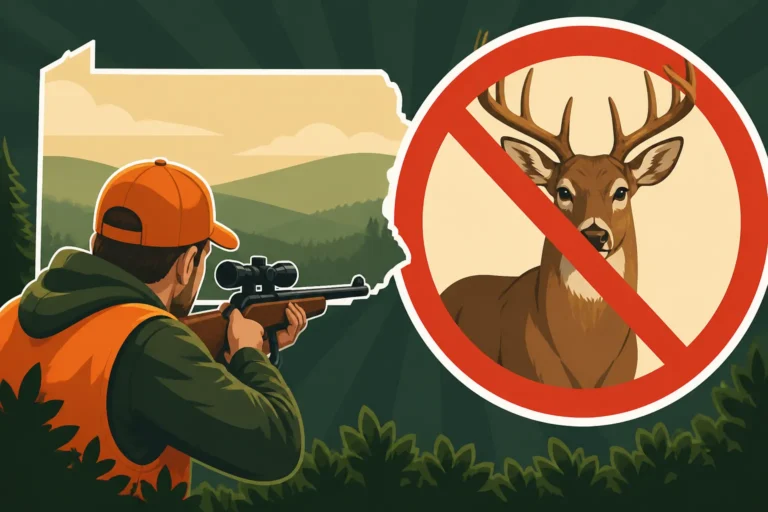
- Avoid Baiting and Feeding: This is a big one. Concentrating deer at artificial food sources or mineral licks increases direct contact and the likelihood of prion transmission. Many DMAs have outright bans on these activities, but it's a good practice to avoid everywhere. This also ties into Pennsylvania Deer Feeding and Baiting Rules.
- Handle Carcasses Safely: When field dressing a deer, wear gloves. Minimize contact with brain and spinal tissues. If possible, leave the high-risk parts at the kill site or dispose of them properly according to PGC guidelines, often in designated landfills or through specific disposal methods within DMAs.
- Test Your Deer: Especially if hunting in a DMA or an area where CWD is suspected, get your deer tested. Wait for the results before consuming the meat. If the deer tests positive, do not consume the meat.
- Clean Tools Thoroughly: Clean all knives, saws, and other processing tools with a bleach solution (50% bleach, 50% water) after handling a deer, particularly if it came from a CWD area. While prions are tough, proper cleaning helps reduce potential contamination.
- Be Vigilant for Sick Deer: If you see a deer exhibiting symptoms of CWD (extreme thinness, stumbling, unusual behavior), do not shoot it for consumption. Instead, report it to the PGC immediately.
By following these practices, you're not just following rules; you're actively contributing to wildlife health and the longevity of our hunting heritage. When you're scouting new areas, GoHunt maps often incorporate DMA boundaries, making it easy to see where these rules apply.
Looking Ahead: The Future of CWD and Hunting in Pennsylvania
The presence of CWD in Pennsylvania is a long-term challenge, but it's not one without hope or ongoing effort. The future of hunting our beloved whitetails here will undoubtedly involve continued vigilance and adaptation, but it's a future we can shape together.
Collaborative Efforts in Research and Management
Pennsylvania isn't alone in this fight. Wildlife agencies across North America, along with universities and research institutions, are working tirelessly to understand CWD better and develop effective management strategies. This includes research into potential vaccines for cervids, understanding genetic resistance in deer populations, and exploring new methods for detecting prions in the environment. The PGC collaborates with these entities, sharing data and insights, and exploring innovative approaches. From habitat management that reduces deer densities in high-risk areas to studying how human activities might influence spread, these efforts are comprehensive. It’s a collective effort, emphasizing that addressing CWD requires scientific rigor, practical solutions, and the cooperation of the hunting community.
Adapting Hunting Strategies in a CWD Landscape
For us hunters, CWD means that some aspects of our tradition might need to evolve. This isn't necessarily a bad thing; hunters have always adapted to changes in wildlife populations and landscapes. In areas with higher CWD prevalence, hunters might be encouraged to harvest more deer, particularly antlerless deer, to help manage herd densities. This can lead to more liberal tag allocations or extended seasons, such as some of Pennsylvania's Late Antlerless Hunting in Pennsylvania opportunities.
It might also mean embracing new technologies or resources to stay informed about DMAs and regulations. Using apps or online tools, like GoHunt, to scout and understand land boundaries and rules becomes even more important. Hunters might also choose to focus their efforts on areas with lower prevalence, or commit to stringent carcass handling and testing if hunting in a hotspot. Ultimately, adapting our strategies means being flexible, staying educated, and continuing to hunt ethically and responsibly, no matter the challenges CWD presents.
Staying Informed and Engaged
The most important thing any hunter can do in the face of CWD is to stay informed and engaged. Regulations can change, new research emerges, and the boundaries of DMAs are not static.
- Regularly Check PGC Resources: Make it a habit to visit the Pennsylvania Game Commission's official website for the latest CWD updates, maps, regulations, and testing information. This is your primary source for official information.
- Attend Public Meetings: When the PGC holds public meetings or webinars about CWD, consider attending. These are excellent opportunities to learn directly from experts and ask questions.
- Read Reputable Hunting Publications: Stay up-to-date through trusted hunting magazines and online forums that cover Pennsylvania hunting, ensuring the information is current and accurate.
- Utilize Mapping and Information Apps: Tools like GoHunt can integrate PGC data, providing visual overlays of DMAs, allowing you to quickly check specific regulations for the areas you plan to hunt. This can be invaluable for planning your hunts and ensuring compliance.
- Spread Accurate Information: Be a source of accurate information among your hunting buddies. Help combat misinformation and encourage responsible practices within the hunting community.
By staying engaged and proactive, we ensure that as CWD continues to challenge our deer herd, we are equipped to be part of the solution, safeguarding our hunting heritage for generations to come. This is truly a situation where Pennsylvania Wildlife Disease Monitoring relies on every single one of us.
Disclaimer
This article is for general informational purposes only and does not constitute professional advice. Laws, prices and regulations vary by location and change over time. Consult a qualified professional for guidance on your specific situation.