Pennsylvania Deer Feeding and Baiting Rules
Trying to make sense of Pennsylvania's deer feeding and baiting rules can feel like navigating a dense patch of mountain laurel with a compass that keeps spinning. You just want to enjoy your time afield, maybe get a good trail camera picture, or improve habitat, but the regulations are so nuanced that a simple bag of corn or a mineral block can land you in hot water. This guide aims to untangle those complexities, providing clarity on what's legal, what's not, and why these rules are in place, so you can hunt with confidence and stay on the right side of the law.
Understanding the Basics of Baiting and Feeding
First things first, let's get down to what the Pennsylvania Game Commission (PGC) actually means by "baiting" and "feeding." It's not always as straightforward as you'd think, and it's certainly not just about throwing out a pile of corn. The core idea behind the regulations is to maintain fair chase principles and, critically, to minimize disease transmission among deer, especially with the ever-present threat of Chronic Wasting Disease (CWD).
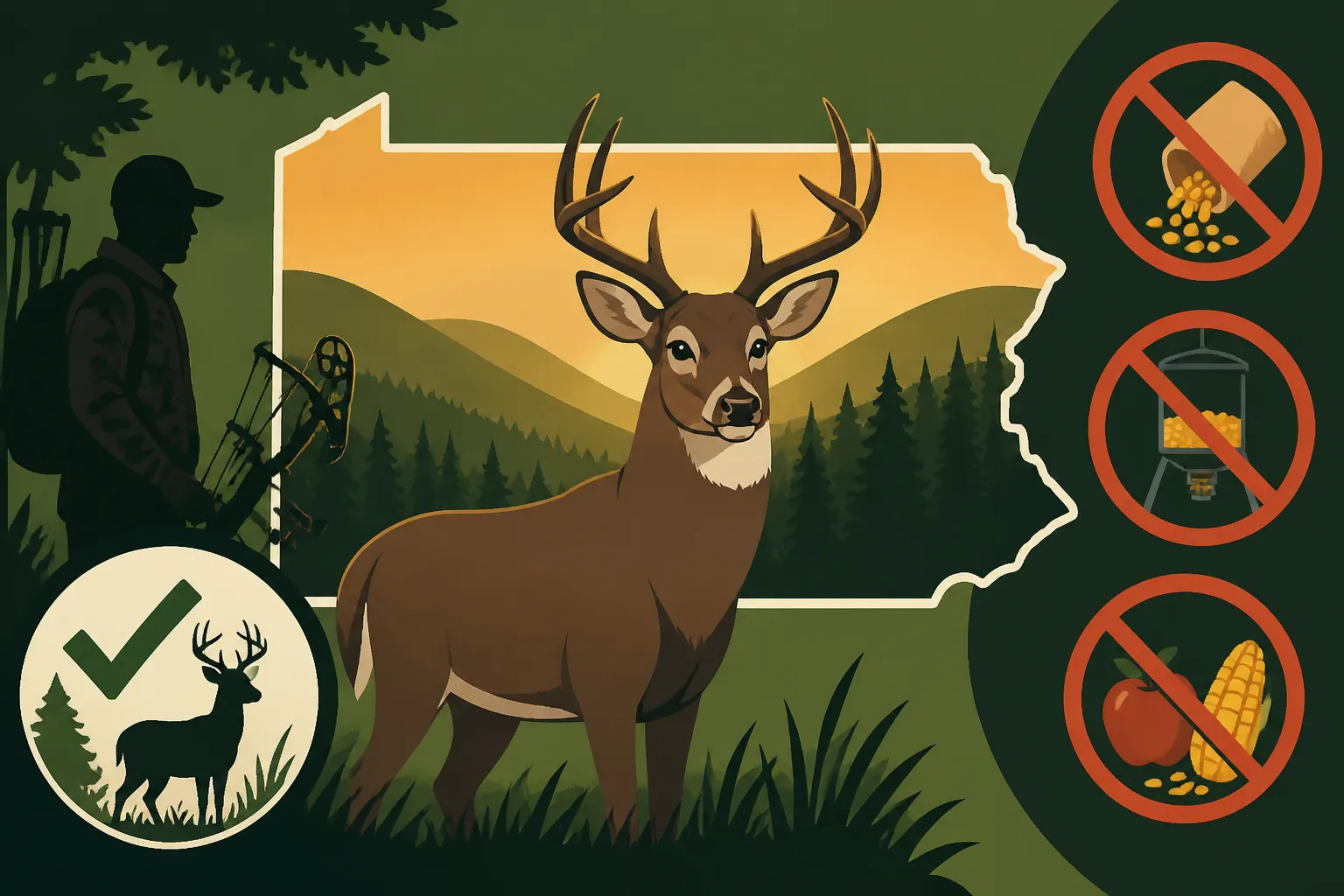
The PGC defines "bait" as any food, grain, fruit, nut, hay, salt, chemical, mineral, or other similar attractant that is used to lure, attract, or entice game. This definition is pretty broad for a reason – they want to cover all the bases. "Feeding" generally refers to the act of providing these attractants. The rules primarily prohibit the use of bait while hunting, and in certain areas, they also restrict the supplemental feeding of deer year-round. This distinction between hunting over bait and general feeding can be a source of confusion for many hunters and landowners alike.
Defining Legal Versus Illegal Attractants
One of the biggest headaches for hunters and landowners in Pennsylvania is understanding what is considered a legal attractant versus an illegal one. Generally, anything you place to draw deer is seen as bait if you're hunting over it. This includes those tempting piles of corn, apples, sugar beets, or even mineral blocks that aren't naturally occurring. The intent behind placing it matters. If it's there to lure game for harvest, it's a no-go.
However, there are nuances. Naturally occurring agricultural crops, when part of normal or accepted farming practices, are not considered bait. So, if you're hunting adjacent to a standing cornfield or a cut bean field, that's perfectly legal. The deer are feeding on a natural food source that wasn't placed there specifically for hunting purposes outside of standard agricultural practices. This also applies to things like fruit falling from an orchard tree or nuts from an oak grove. The key is that it's part of the natural landscape or a legitimate agricultural operation, not something you've intentionally introduced solely to attract deer to a specific spot for hunting. It’s this distinction that often trips people up, leading to accidental violations.
Why the Rules Exist
These rules aren't just arbitrary hoops the PGC makes us jump through. They serve several critical purposes, with wildlife health and fair chase being paramount.
First, and arguably most important, is disease prevention, particularly concerning Chronic Wasting Disease. CWD is a fatal neurological disease that affects deer, elk, and moose, and it's spread through direct animal-to-animal contact or indirectly through environmental contamination with saliva, urine, and feces from infected animals. When deer congregate at bait sites or feeding stations, the risk of disease transmission skyrockets. An infected deer drooling on a pile of corn or a mineral block can easily pass the prions (the infectious agents of CWD) to every other deer that visits that spot. The PGC has specific Pennsylvania CWD Carcass Rules and Pennsylvania CWD Disease Management Areas to combat this, and baiting restrictions are a major tool in their arsenal.
Second, the rules uphold the principle of fair chase. Hunting is meant to be a challenge, a test of skill, patience, and woodsmanship. When you introduce bait, some argue it tips the scales too heavily in the hunter's favor, removing the challenge of patterning deer, understanding their movements, and reading the landscape. It reduces hunting to little more than shooting over a dinner plate, which many in the hunting community believe undermines the ethical foundation of the sport.
Finally, these regulations help manage deer behavior. Artificial feeding can alter natural deer movement patterns, concentrating them in areas where they might not naturally gather, which can lead to localized overpopulation, increased browsing damage to vegetation, and further reliance on artificial food sources, especially in harsh winters. This can disrupt ecological balance and create unhealthy dependencies.
Specific Scenarios and Common Misconceptions
The gray areas in baiting and feeding regulations are where most hunters find themselves scratching their heads. Let's delve into some common situations and clear up popular misconceptions.
Mineral Licks, Food Plots, and Supplemental Feeding
This is where things get particularly murky. A common question is about mineral licks. Many hunters want to provide deer with essential nutrients, especially for antler growth. In Pennsylvania, placing mineral blocks or loose minerals specifically to attract deer for hunting is illegal. This falls under the definition of baiting. However, this doesn't mean you can't improve habitat in other ways.
Food plots are a completely different animal, and generally, they are legal. A food plot is a planted area designed to grow forage for wildlife. As long as it's a legitimate agricultural planting that deer are feeding on, it's not considered bait. Think of it as creating a natural buffet rather than putting out a feeder. This is a crucial distinction. Many land managers use tools like the Pennsylvania Mapping Center or mapping features in apps like GoHunt to plan and locate optimal areas for food plots, taking into account soil types, sunlight, and access, all while staying compliant with regulations. It’s about cultivating, not just dumping. Planting a food plot requires time, effort, and knowledge of agriculture, making it a sustainable and legal way to enhance wildlife habitat.
Supplemental feeding, where you put out hay or feed to help deer get through a tough winter, is also generally prohibited in most of Pennsylvania. The PGC discourages this for the same reasons baiting is restricted: it concentrates deer, increases disease risk, and can disrupt their natural foraging behaviors. There might be very specific, limited exceptions in extreme emergency situations, but these are rare and would require PGC approval. For the vast majority of landowners, year-round supplemental feeding is not permitted.
Scouting Cameras and Attractants
Trail cameras have become an indispensable tool for deer hunters, allowing us to scout remotely and learn about the deer in our area. But can you use a trail camera over bait? In Pennsylvania, no, you cannot. If you're using a camera to monitor deer activity, and that camera is placed over a pile of corn, a mineral block, or any other form of bait, you are considered to be hunting over bait, even if you aren't physically present with a weapon. The PGC interprets "hunting" broadly to include any activity undertaken to harvest game. Therefore, using a camera in conjunction with bait for the purpose of hunting is illegal.
This doesn't mean you can't use trail cameras at all. Far from it! You can place your cameras over natural food sources, legitimate food plots, travel corridors, rub lines, or scrape lines along a logging road. You can even use specific scents that are not food-based attractants, like urine or glandular lures, to draw deer to a camera, as these are typically not considered bait. The key is to avoid any food-based attractant placed by human hands. Using mapping apps like GoHunt can help you identify prime natural funnels and bedding areas where deer are likely to travel or feed, allowing you to place cameras effectively without crossing any legal lines.
The CWD Impact: Disease Management Areas (DMAs)
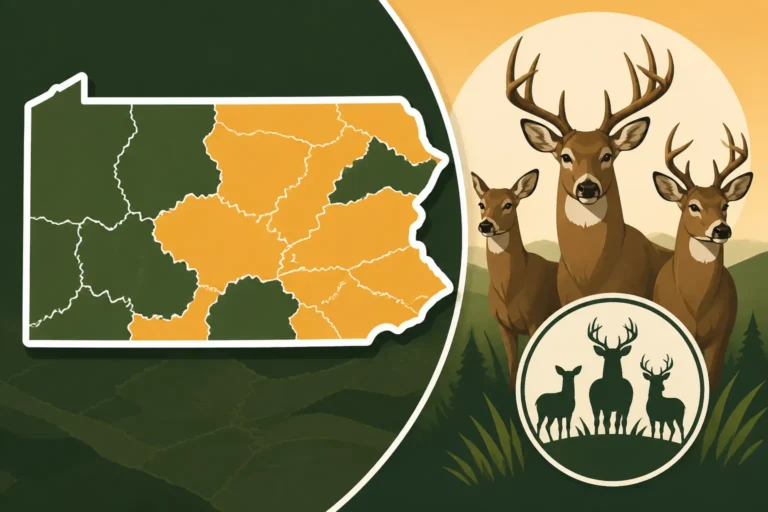
The presence of Chronic Wasting Disease in Pennsylvania has introduced even stricter regulations in designated Disease Management Areas (DMAs). If you hunt, live, or own property within a DMA, you need to pay extra close attention.
In DMAs, the rules go beyond just prohibiting baiting for hunting. It is generally illegal to feed deer at all within a DMA, year-round. This means no supplemental feed, no mineral blocks, no corn piles, nothing. The goal is to prevent deer from congregating, which, as we discussed, is a primary driver of CWD transmission. Even bird feeders can draw deer, so residents in DMAs are encouraged to elevate them or remove them if deer are routinely visiting. You can find up-to-date maps of these areas through the PGC website or by consulting detailed maps provided by services like GoHunt that often integrate PGC data layers, showing you exactly where DMA boundaries lie. Understanding Which Counties Are in a Pennsylvania DMA is critical for compliance.
These DMA restrictions also impact carcass movement and testing, making it even more important for hunters to be aware of the boundaries. If you kill a deer within a DMA, you'll have specific rules regarding how much of the carcass you can move out of the area and often mandatory or voluntary CWD testing requirements. It’s a serious issue, and the PGC is taking it very seriously.
Here's a quick reference table to help clarify common scenarios:
| Activity | Description | Legality (General PA) | Legality (DMAs) |
|---|---|---|---|
| Hunting over Corn Pile | Placing corn to attract deer for hunting. | Illegal | Illegal |
| Hunting over Mineral Block | Placing a mineral block to attract deer for hunting. | Illegal | Illegal |
| Hunting over Food Plot | Hunting adjacent to a planted crop designed for deer. | Legal (as per normal agriculture) | Legal (as per normal agriculture) |
| Hunting over Standing Crops | Hunting adjacent to a farmer's standing corn, beans, etc. | Legal | Legal |
| Year-Round Supplemental Feeding | Placing feed for deer outside of hunting season. | Generally Illegal | Strictly Illegal (to prevent congregation) |
| Trail Cam over Bait | Placing a trail camera over a corn pile, mineral, etc. | Illegal (considered hunting) | Illegal (considered hunting and feeding) |
| Trail Cam over Natural Food | Placing a trail camera near acorns, natural browse. | Legal | Legal |
| Scent Lures (non-food based) | Using deer urine, glandular scents, estrous lures. | Legal (check local rules for CWD areas) | Legal (check local rules for CWD areas) |
Always double-check current PGC regulations, especially before hunting or engaging in feeding activities in a DMA, as rules can change.
Consequences and Best Practices for Staying Legal
Ignoring these regulations isn't just a minor infraction; it can lead to serious consequences, not just for you, but for the health of the deer herd. It's truly not worth the risk.
Penalties for Violations
Getting caught baiting or illegally feeding deer in Pennsylvania can result in significant penalties. Violations are typically considered summary offenses, which might sound minor, but they carry hefty fines. Depending on the severity and whether it's a first offense, fines can range from hundreds to thousands of dollars. On top of financial penalties, you could face revocation of your hunting license, meaning you wouldn't be able to hunt in Pennsylvania for a period of time, possibly even permanently. This isn't just a slap on the wrist; it can effectively end your hunting season, or even your hunting career.
In addition to fines and license revocations, any unlawfully harvested game could be forfeited, and your hunting equipment (firearms, bows, treestands, trail cameras) could be confiscated. Imagine losing your prized hunting rifle or a brand-new trail camera because of a simple mistake or a willful disregard for the rules. Law enforcement, including Game Wardens, are highly trained and experienced in identifying illegal baiting practices, and they take these violations very seriously, especially within DMAs where the stakes for herd health are so high.
Ethical Considerations and Fair Chase
Beyond the legal ramifications, there's a strong ethical component to the baiting and feeding discussion. The concept of fair chase is a cornerstone of responsible hunting. It dictates that hunters should not take unfair advantage of the animal. Many argue that baiting diminishes the challenge and skill involved in hunting, reducing it to little more than target practice. When we hunt, we accept that the animal has a chance to evade us, relying on its senses and instincts. Introducing bait can compromise that inherent fairness.
Embracing fair chase means respecting the animal and the hunting tradition. It means spending time Scouting Pennsylvania Public Land Before Season, learning deer movements, understanding habitat, and developing woodsmanship. It means appreciating the pursuit as much as, if not more than, the harvest. These are the values that truly enrich the hunting experience and connect us to the wild. By adhering to baiting and feeding regulations, we reinforce these ethical principles, ensuring that hunting remains a respected and sustainable activity for future generations.
Staying Compliant and Informed
The best defense against unintentional violations is proactive education and vigilance. Regulations can and do change, especially as new information about CWD emerges or as deer populations fluctuate.
Here are some best practices to ensure you stay compliant:
- Read the Digest Annually: Every year, the Pennsylvania Hunting & Trapping Digest is released. It's your bible. Read it thoroughly, paying close attention to the sections on deer seasons, baiting, and CWD. The PGC website also hosts the most current version, often with updates that might occur mid-season.
- Check WMU-Specific Rules: Pennsylvania's 23 Wildlife Management Units (WMUs) often have slightly different rules, especially regarding antler restrictions or season dates. Make sure you know the specific regulations for the WMU you're hunting in. This is also true for DMAs, which can cross WMU boundaries. Using mapping tools integrated with PGC data can quickly show you these lines. For instance, knowing Pennsylvania Deer Seasons and WMU Rules is fundamental.
- Identify DMA Boundaries: If you hunt anywhere near a known DMA, be absolutely certain where those boundaries lie. The year-round feeding ban in DMAs is comprehensive and strictly enforced. Use the PGC's interactive maps or robust hunting apps to plot your location and understand your proximity to any DMA.
- When in Doubt, Don't: If you're unsure whether something constitutes baiting or illegal feeding, err on the side of caution and don't do it. A quick call to your local Game Commission office or Game Warden can provide clarity and save you a lot of trouble.
- Focus on Habitat Improvement: Instead of baiting, consider long-term habitat improvements like planting legal food plots, timber stand improvements to encourage natural browse, or creating hinge-cut bedding areas. These methods provide sustainable food sources and cover, benefiting the deer herd naturally and legally. This aligns perfectly with ethical hunting practices and truly enhances the ecosystem.
- Stay Updated on CWD: CWD is a dynamic issue. New DMAs can be established, or existing rules within them can change. Regularly check the PGC's CWD page for the latest updates. You'll want to be aware of things like Pennsylvania CWD Prevalence Rates in your area.
By understanding and respecting these rules, you not only protect yourself from penalties but also contribute to the health and sustainability of Pennsylvania's deer herd, ensuring that future generations can enjoy the rich tradition of hunting in our beautiful state.
Disclaimer
The information provided in this article is intended for general guidance and informational purposes only, and does not constitute legal advice. While we strive to keep the information up-to-date and correct, hunting regulations, laws, and interpretations can change frequently. Hunters are solely responsible for understanding and complying with all current Pennsylvania Game Commission laws, rules, and regulations before engaging in any hunting or feeding activities. Always consult the most recent official Pennsylvania Hunting & Trapping Digest and relevant PGC publications for definitive legal requirements.