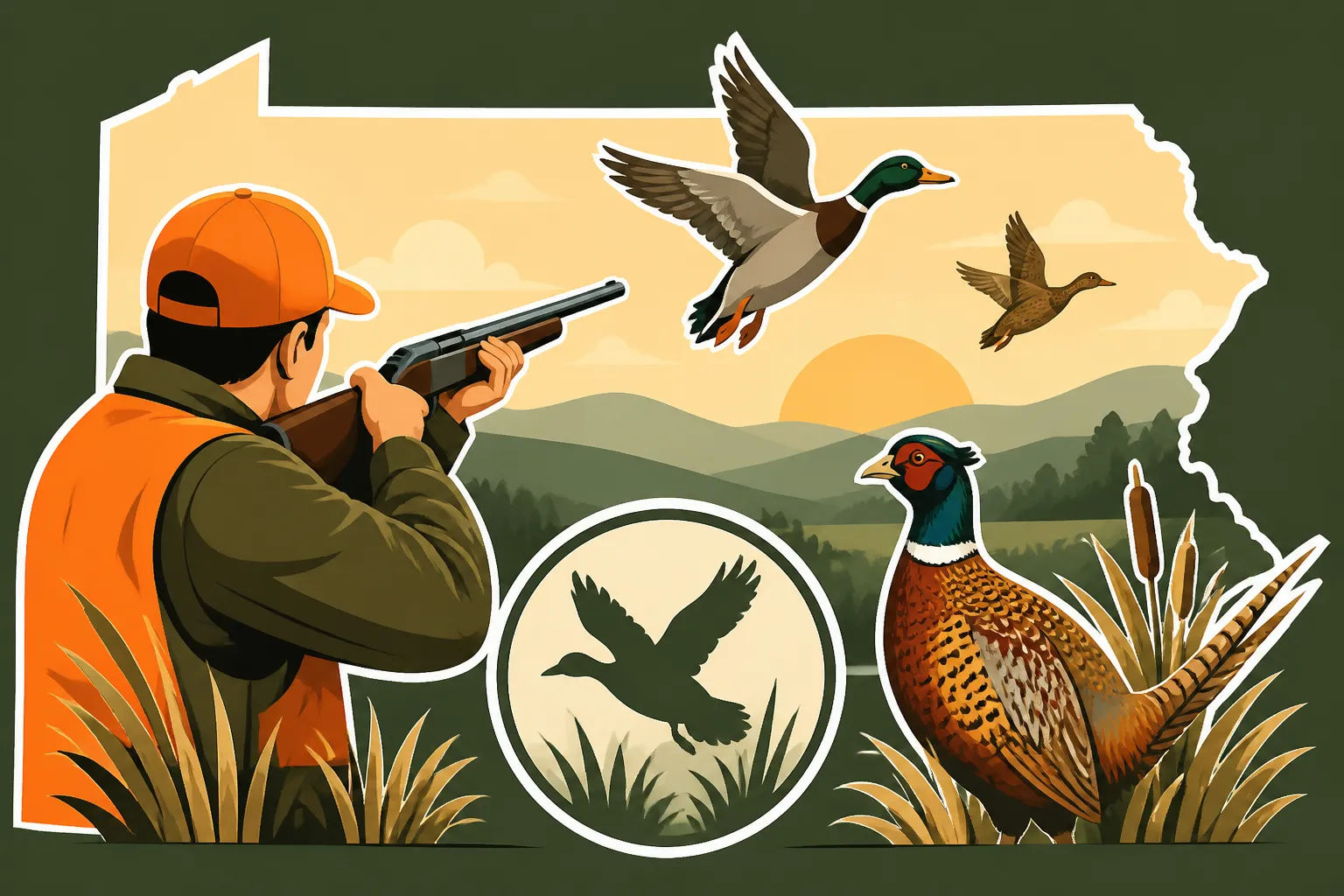
Pennsylvania Migratory Game Bird Licence
It can be incredibly confusing to keep track of all the different licences and permits required for hunting in Pennsylvania. You've got your general hunting licence, maybe an antlerless tag, a bear licence, and then suddenly you realize you want to chase some ducks or doves, and bam – another licence. This guide is here to untangle the requirements for the Pennsylvania Migratory Game Bird Licence, explaining exactly what it is, why you need it, and how to make sure you're fully compliant before heading out to the fields and wetlands.
What Exactly is the Pennsylvania Migratory Game Bird Licence?
So, you're ready to hit the marsh for some ducks or maybe a cut field for doves, and you find out your regular hunting licence isn't quite enough. The Pennsylvania Migratory Game Bird Licence is a special permit, distinct from your general hunting licence, that’s required to hunt any migratory game birds within the Commonwealth. It's a key part of how Pennsylvania manages these unique species, which, as their name suggests, don't stay put in one state.
Understanding the "Federal" Component
Unlike deer or bear, which are primarily managed at the state level, migratory birds like ducks, geese, and doves fall under both state and federal jurisdiction. This dual oversight comes from the Migratory Bird Treaty Act, an international agreement between the U.S., Canada, Mexico, Japan, and Russia to protect shared migratory bird populations. Because these birds cross state and national borders, their management requires a coordinated effort, which is why there are federal requirements layered on top of state ones. This means that while your state licence allows you to hunt in Pennsylvania, the rules for which birds you can hunt, when, and how many are often dictated by federal frameworks.
Who Needs This Licence?
Simply put, if you plan to hunt any species classified as a migratory game bird in Pennsylvania, you need this licence. This includes popular species like all duck species, Canada geese, snow geese, and Brant. It also covers mourning doves, woodcock, snipe, rails, coots, and gallinules. Even if you're just targeting doves for a quick afternoon hunt in a cut cornfield, this licence is non-negotiable. Without it, you're not legally permitted to pursue these birds. It’s important to remember this isn't just a formality; it’s a critical part of the data collection that helps ensure healthy populations for future generations of hunters.
What it Doesn't Cover
It’s just as important to understand what the Migratory Game Bird Licence doesn't cover. This licence is specifically for migratory species. If you're planning to hunt wild turkeys, you'll need a separate Pennsylvania Special Wild Turkey Licence Cost in addition to your general licence. Similarly, upland birds like stocked pheasants or ruffed grouse, while game birds, are considered resident game and are covered under your general Pennsylvania Hunting Licences and What They Cost. So, before you head out, always double-check the specific regulations for the species you intend to pursue.
Navigating the Purchase and Registration Process
Getting your Migratory Game Bird Licence isn't overly complicated, but there are a few distinct steps you absolutely cannot skip. It's not just about paying a fee; it involves a crucial registration that helps conservation efforts.
The HIP Requirement: A Critical Step
Beyond just buying the state licence, every migratory game bird hunter in Pennsylvania, regardless of age, must also register with the Migratory Bird Harvest Information Program (HIP) annually. This is a federal requirement, but you complete it through the Pennsylvania Game Commission (PGC) system. When you register for HIP, you'll answer a few simple questions about your hunting success the previous year for various migratory bird categories. Don't worry if you didn't hunt any – you simply indicate that.
The purpose of HIP is to collect data. This data is vital for wildlife managers to estimate harvest levels and make informed decisions about season lengths, bag limits, and conservation strategies across the entire Atlantic Flyway. Without accurate HIP data, the PGC and the U.S. Fish and Wildlife Service would be flying blind, literally, when it comes to managing these shared resources. It's a small step that makes a huge difference in ensuring sustainable hunting opportunities. You can typically complete your Pennsylvania HIP Registration for Migratory Birds when you purchase your licence, whether online or in person.
Buying Your State Migratory Game Bird Licence
Once you've got your general hunting licence, you can add the Migratory Game Bird Licence. The Pennsylvania Migratory Game Bird Licence cost is quite affordable, usually just a few dollars. You can purchase this in several ways:
- Online: The easiest and most convenient method for many is through the Pennsylvania Game Commission's website. You'll log in with your customer ID and can add the migratory game bird licence (and complete your HIP registration) to your cart.
- In-Person: You can also visit any authorized licence issuing agent across the state, such as sporting goods stores, county treasurers' offices, or Walmart's sporting goods counter. They can process your purchase and HIP registration on the spot.
- By Mail: While less common these days, some hunters might still opt for mail-in applications, though this can take longer to process.
Remember, this state licence is generally valid for the current licence year, which runs from July 1st to June 30th. Make sure you purchase it before you head into the field, even for early dove or teal seasons. Before you even think about buying a licence, a great resource like GoHunt can help you understand the lay of the land for specific waterfowl production areas or dove fields.
The All-Important Federal Duck Stamp
Here's where another layer of federal regulation comes into play. If you're 16 years of age or older and plan to hunt ducks, geese, or Brant, you must also purchase a Federal Migratory Bird Hunting and Conservation Stamp, more commonly known as the "Federal Duck Stamp." This stamp is a physical sticker that you sign across the front and carry with you while hunting.
The Federal Duck Stamp is an absolute conservation powerhouse. Ninety-eight cents of every dollar generated from stamp sales go directly to the Migratory Bird Conservation Fund, which is used to acquire and protect wetlands and waterfowl habitat. These funds have conserved millions of acres of vital habitat across the National Wildlife Refuge System. So, while it's an extra cost, it's one of the most effective conservation tools available to hunters. You can purchase the Pennsylvania Federal Duck Stamp Rules at most U.S. Post Offices, some sporting goods stores, and online through the U.S. Fish and Wildlife Service or the PGC website.
Why All the Extra Steps? The Conservation Connection
It might feel like a lot of hoops to jump through, especially with the state licence, HIP registration, and Federal Duck Stamp. But each of these steps plays a vital role in the conservation and management of migratory bird populations, ensuring that these incredible resources remain abundant for generations to come.
Funding Habitat and Research
Think about the impact your small purchase has. The funds generated from the Pennsylvania Migratory Game Bird Licence and, even more significantly, the Federal Duck Stamp, are directly channeled into critical conservation programs. These programs include:
- Habitat Acquisition and Restoration: Wetlands are some of the most productive ecosystems on Earth, but they are also incredibly vulnerable. These funds buy and restore critical wetland habitats, which are essential nesting, breeding, and migratory stopover points for countless species, not just game birds.
- Research and Monitoring: Scientists use these funds to study bird populations, track migration patterns, monitor disease, and assess habitat quality. This research is what allows wildlife agencies to make informed decisions about hunting seasons and bag limits, ensuring that harvest levels are sustainable.
- Enforcement: A portion also supports the enforcement of migratory bird laws, helping to deter poaching and illegal activities that could harm populations.
When you're out Waterfowl Hunting on Pennsylvania Waters, remember that the landscape you're enjoying and the birds you're pursuing are there partly because of the collective contributions of hunters like you.
Tracking Harvest for Sustainable Management
The HIP registration isn't just busywork; it's a fundamental data collection tool. The information you provide about your previous season's harvest, even if it was zero, helps federal and state biologists estimate the overall harvest of various migratory game bird species. This data, combined with banding studies and population surveys, allows them to set appropriate season lengths and bag limits each year.
Without reliable harvest data, wildlife agencies would struggle to manage these populations effectively, risking either over-harvest or missed hunting opportunities. This commitment to science-based management is why waterfowl hunting, despite its popularity, remains a sustainable activity. For instance, understanding migration patterns through such data is crucial for setting optimal Pennsylvania Waterfowl Seasons and Zones.
Specific Challenges for Migratory Birds
Migratory birds face unique challenges that necessitate this multi-layered management approach. They traverse vast distances, often crossing multiple states and international borders. This means:
- Habitat Loss: They depend on a chain of suitable habitats along their flyways. Loss of wetlands or agricultural changes in one part of the country or continent can have ripple effects on populations thousands of miles away.
- Environmental Changes: Climate change, pollution, and disease outbreaks like avian influenza can significantly impact migratory species across their entire range.
- International Cooperation: Effective management requires cooperation and consistent regulations across multiple jurisdictions, which the Migratory Bird Treaty Act and the Federal Duck Stamp help facilitate.
So, while it feels like another hoop, these steps are truly fundamental to the health and future of migratory bird hunting in Pennsylvania and beyond. GoHunt can be a handy tool for visualizing habitat types, even migratory bird specific ones, making sure your strategy is sound.
Preparing for Your Migratory Bird Hunt
Once you've got all your licences and stamps squared away, it's time to focus on the hunt itself. There are a few more things to consider to ensure a safe, legal, and successful experience.
Knowing Your Seasons and Zones
Pennsylvania is a diverse state, and migratory bird seasons can vary significantly by species and even by specific zones within the state. For example, Pennsylvania Duck Zone Boundaries divide the state into different areas, each with slightly different season dates for ducks. Goose hunting also has various seasons, including early resident goose seasons, regular seasons, and even conservation order seasons for snow geese. You'll also find specific dates for Dove Hunting a Cut Field and Woodcock in Pennsylvania Bottoms.
It is absolutely crucial to consult the current Pennsylvania Hunting & Trapping Digest every year. This digest outlines all the season dates, bag limits, shooting hours, and other important regulations for all game species. Pay close attention to:
- Season Dates: They can change annually, so never rely on memory from a previous year.
- Bag Limits: Know how many birds of each species you can legally harvest per day and possess.
- Shooting Hours: These are often different from general game and are strictly enforced for migratory birds, typically half-hour before sunrise to sunset.
- Legal Methods: Ensure your shotgun is plugged to a three-shot capacity (magazine plus chamber), and you're using non-toxic shot for waterfowl and certain other areas.
Many hunters rely on tools like GoHunt to stay updated on regulation changes and season dates, ensuring you don't miss any critical requirements for your target species.
Essential Gear and Tactics
Different migratory birds require different gear and tactics. Being prepared makes a huge difference:
- Waterfowl (Ducks & Geese): You'll typically need waders for wading into marshes or retrieving birds from water, decoys to attract birds, and calls to communicate with them. Blinds (either natural or manufactured) are essential for concealment. Don't forget your Waterfowl Loads for Pennsylvania Ducks and ensure they are non-toxic. If you're hunting Goose Hunting Pennsylvania Fields, you'll likely use large decoy spreads and field blinds.
- Doves: A fast-handling shotgun, plenty of shells, and a comfortable seat are often the primary requirements for a dove hunt in a cut field. Camouflage isn't as critical as for waterfowl, but blending in helps.
- Woodcock & Snipe: These are often hunted in dense, brushy cover. A lighter, open-choked shotgun is ideal. A good bird dog can be invaluable for finding and flushing these secretive birds.
Scouting and Safety
Just like any other hunt, scouting is paramount for migratory birds. Locate feeding areas, flight paths, and roosting spots. For waterfowl, this might mean finding ponds, rivers, or agricultural fields where they are feeding. For doves, it’s about identifying recently harvested grain fields. You can use GoHunt to cross-reference public land boundaries and identify suitable habitat before you even leave home. Remember that some Sundays are now open for hunting in Pennsylvania, but Why Sundays Are Closed for Waterfowl is an important distinction to understand.
Safety is always the top priority. Be aware of your surroundings, especially if hunting near water or with multiple hunters. Wear appropriate personal flotation devices if hunting from a boat. Always be sure of your target and what lies beyond it. Adhering to all Pennsylvania Hunter Education and Mentored Permits guidelines is a must.
Migratory Game Bird Season Overview
To give you a general idea of when various migratory bird opportunities arise, here's a simplified table. Always consult the current PGC Hunting & Trapping Digest for exact dates, bag limits, and specific WMU or zone regulations.
| Species | General Season Type | Typical Timeframe (Consult Digest for specifics) | Key Requirement |
|---|---|---|---|
| Ducks | Early Teal, Regular Duck (North, South, Lake Erie Zones) | Early Sept (Teal), Oct – Jan (Regular) | State Migratory Licence, HIP, Federal Duck Stamp |
| Canada Geese | Early Resident, Regular (Atlantic Population Zones) | Early Sept (Resident), Oct – Feb (Regular) | State Migratory Licence, HIP, Federal Duck Stamp |
| Snow Geese | Regular, Conservation Order Season | Oct – March | State Migratory Licence, HIP, Federal Duck Stamp |
| Mourning Doves | Early, Mid, Late Segments | Sept – Oct, Nov, Dec – Jan | State Migratory Licence, HIP |
| Woodcock | Regular Season | Oct – Nov | State Migratory Licence, HIP |
| Snipe | Regular Season | Sept – Nov | State Migratory Licence, HIP |
| Rails, Coots, Gallinules | Regular Season | Sept – Nov | State Migratory Licence, HIP |
This table is a general guide to help you plan. For instance, if you're interested in Duck Hunting Pennsylvania Rivers, you'll need to check the exact dates for the zone your river falls into. Similarly, for Snow Goose Hunting at Middle Creek, specific regulations, including the Conservation Order, will apply.
Disclaimer
Please note: Regulations and season dates can change annually. This article provides general information and should not be considered a substitute for the official Pennsylvania Game Commission Hunting & Trapping Digest or federal regulations. Always consult the most current digest before engaging in any hunting activities.