Pennsylvania Licence Year Dates
It's a common frustration for Pennsylvania hunters to feel like they need a roadmap just to figure out when to buy their licenses and which ones are valid for which seasons. With varying purchase windows, application deadlines, and season structures, it can be a real headache trying to keep everything straight. This guide is here to untangle the confusion surrounding Pennsylvania's hunting license year dates, making sure you're prepared and properly licensed for every adventure.
Understanding the Pennsylvania Hunting License Cycle
Navigating the complexities of Pennsylvania's hunting regulations often starts with understanding the basic license year. It’s not just a simple "buy it once and you're good" situation, especially with special tags and staggered sales. Knowing these dates is absolutely crucial for planning your hunting season and avoiding disappointment.
The Standard License Year
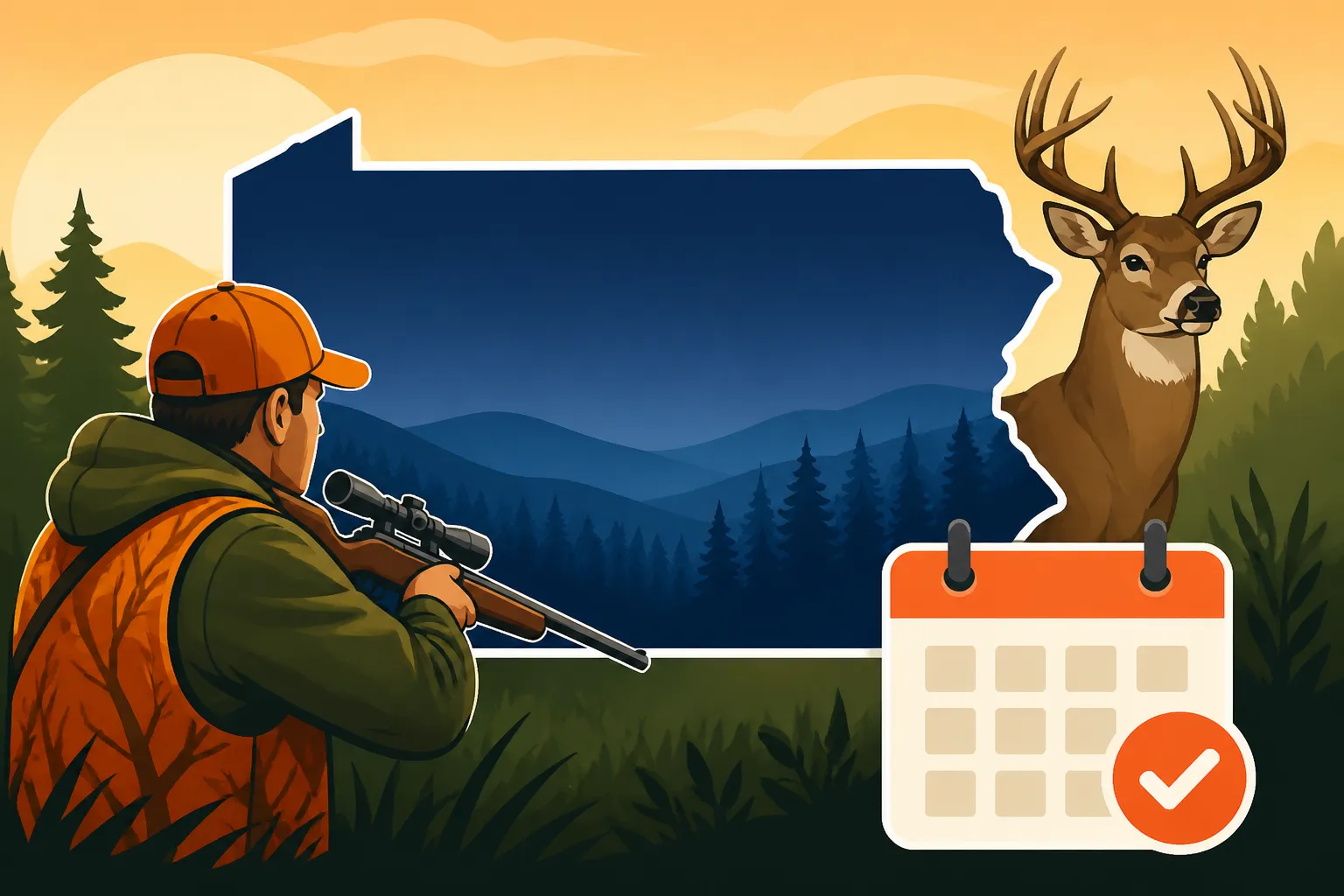
For most general hunting licenses in Pennsylvania, the license year typically runs from June 1st to May 31st of the following year. This means that if you're planning to hunt in the fall deer archery season of 2024, you'll be purchasing your 2024-2025 license sometime after June 1st, 2024. This consistent cycle provides a predictable framework, but the actual sales of licenses usually begin a bit before June 1st, often in mid-May, to give hunters ample time to prepare.
This annual reset is designed to align with the state's biological management cycles for game species, allowing the Pennsylvania Game Commission (PGC) to assess harvests, set new regulations, and allocate tags based on current population data. For you, the hunter, it means every spring brings a new opportunity to secure your permits and plan your hunts for the upcoming year, from the earliest archery openers all the way through the late small game seasons.
It's a yearly ritual for many of us, marking the unofficial start of scouting and planning. While the validity period is consistent, the actual availability date can vary slightly from year to year, so it's always a good idea to double-check the PGC's official announcements or their website as spring rolls around.
Key Dates for Purchase and Application
While the license year technically begins on June 1st, the actual process of buying your general hunting license, and especially applying for certain special tags, kicks off much earlier. General hunting licenses, which are required for anyone participating in hunting or furtaking activities, usually go on sale in mid-May. This allows hunters to get their basic license, which is a prerequisite for purchasing any other specific tags like antlerless deer licenses or bear licenses, well in advance of the June 1st start date. You can purchase your license online, through the PGC's website, or at authorized license vendors across the state.
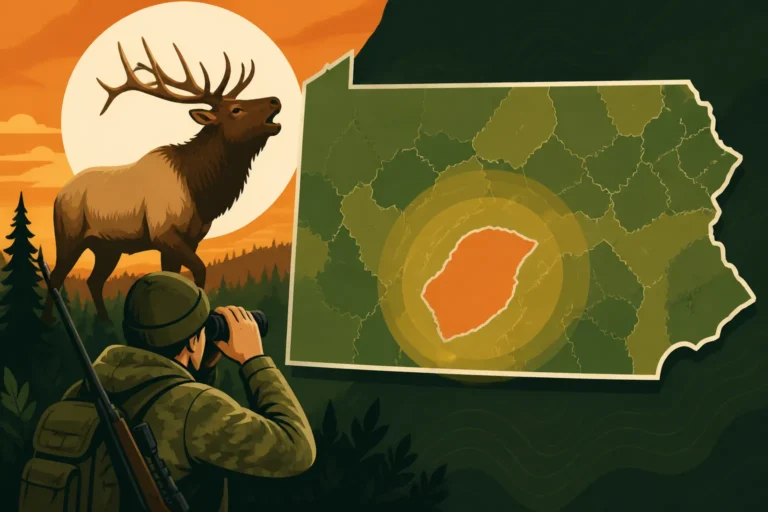
For specific species like elk or certain mentored permits, there are different application periods. For example, if you dream of hunting Pennsylvania's majestic elk, you'll need to submit your application for the draw during a specific window, typically in the spring. These applications are for a chance to draw a license, not to purchase one outright, and they have strict deadlines. Missing these deadlines means missing out on the opportunity for that year entirely. Many hunters utilize mapping and planning tools, like those offered by GoHunt, to keep track of these crucial dates and ensure they don't miss any critical deadlines.
The PGC provides a detailed calendar each year outlining these vital dates. Staying on top of this information is paramount. If you're planning your year around specific hunts, knowing exactly when you can apply, when the draw results are announced, and when you can purchase additional tags can make or break your season. Think of it as your personal hunting logistics calendar; mark it, highlight it, and set reminders!
Why the Dates Matter for Hunters
Understanding these license year dates isn't just about compliance; it's about strategic planning and maximizing your opportunities in the field. Imagine planning a week-long hunt for the Pennsylvania's Two-Week Firearms Deer Season, only to realize your general hunting license from the previous year expired a week before opening day. Or worse, missing the deadline for an antlerless tag in your preferred WMU because you thought all licenses were available at the same time. These scenarios are unfortunately common.
The staggered sales and specific application periods are designed, in part, to manage demand and ensure a fair allocation of tags, particularly for species with limited quotas or in highly sought-after areas. For example, Pennsylvania Antlerless Deer Licences Explained details how these tags are sold in staggered phases, often selling out quickly in popular WMUs. If you're a nonresident or someone targeting a specific county, getting your general hunting license early is the first step to being able to purchase those coveted antlerless tags as soon as they become available in their respective sales phases.
Furthermore, knowing the validity period helps you understand when you need to purchase your new license. If you're an avid small game hunter, you'll want to ensure your new license is in hand before the early squirrel or dove seasons kick off in late summer or early fall. For those interested in Pennsylvania Small Game and Furbearer Seasons, this foresight can prevent last-minute rushes and ensure you're ready when the season opens. It's all about being proactive rather than reactive, making sure your paperwork is as ready as your gear.
Special License Dates and Exceptions
While the June 1st to May 31st cycle covers the general hunting license, Pennsylvania has a few important exceptions and special considerations for other licenses and permits. These often have unique application windows or sale dates that deviate from the standard, and it's essential to be aware of them.
Antlerless License Application Windows
The process for obtaining an antlerless deer license in Pennsylvania is famously unique and often a source of confusion for new hunters or those from other states. Unlike the general hunting license, antlerless licenses are WMU (Wildlife Management Unit) specific and are sold in staggered rounds, prioritizing Pennsylvania residents first. This system is crucial because it directly influences the availability of tags for specific areas.
The first round of antlerless license sales typically opens in late June or early July, exclusively for Pennsylvania residents. A few weeks later, a second round opens for residents to purchase additional tags, if available. Then, usually in early to mid-July, non-residents get their first opportunity to purchase any remaining antlerless licenses. This staggered approach is designed to give resident hunters the primary chance at tags. It's vital for hunters to pay close attention to the specific dates announced by the PGC each year, as WMUs like 2B or 5C, which are close to urban areas, often sell out within minutes or hours of sales opening. For a full breakdown, check out How Pennsylvania Antlerless Licence Sales Work.
If you miss these initial sales, there's often a later period, usually in August or September, when leftover licenses are made available to anyone, regardless of residency or prior purchases, until all allocated tags are sold. This means that if you're not planning ahead or are new to hunting, you might still be able to secure an antlerless tag, but perhaps not in your first-choice WMU. Staying updated with the PGC's press releases or using a hunting app that tracks tag availability can be incredibly beneficial during these busy periods.
Bear, Turkey, and Elk License Timelines
Beyond the general and antlerless deer licenses, other major game species like bear, turkey, and elk have their own distinct licensing procedures and timelines. A Pennsylvania Bear Licence and Seasons is a separate add-on to your general hunting license. It typically goes on sale at the same time as general licenses in mid-May and remains available for purchase throughout the bear seasons. While bear licenses don't usually sell out like antlerless tags, purchasing it early ensures you're ready for the October archery bear week or the popular four-day firearms season in November.
For wild turkeys, a basic general hunting license covers one spring gobbler. However, if you want to hunt during the fall turkey season or harvest a second bird in the spring (if allowed by regulation, which it currently is not for a second bird in spring), you'll need to purchase a separate Pennsylvania Special Wild Turkey Licence Cost. These special turkey licenses also typically become available with the general licenses in mid-May and can be purchased up until the end of the fall season. Understanding these rules is critical, especially given the varying Pennsylvania Spring and Fall Turkey Seasons across different WMUs.
Elk, being a once-in-a-lifetime opportunity for many, has the most stringent application process. Hunters must apply for the Pennsylvania Elk Lottery, usually opening in February or March and closing in late July or early August. There's a non-refundable application fee, and only a limited number of successful applicants are drawn each year. The draw usually takes place in August, and successful applicants then purchase their actual elk license. This is a highly competitive draw, and missing the application window means waiting another year. GoHunt is an invaluable resource for tracking these unique application and draw dates, providing reminders so you never miss a chance.
Migratory Bird and Federal Stamp Considerations
If your hunting passion extends to migratory game birds like ducks, geese, doves, or woodcock, you'll need to be aware of additional federal and state requirements that operate on slightly different timelines. In addition to your regular Pennsylvania hunting license, you'll need a Pennsylvania Migratory Game Bird License. This state-specific permit usually becomes available for purchase around July or August, just ahead of the early goose and dove seasons.
Crucially, you'll also need a Federal Duck Stamp if you're 16 years or older and plan to hunt ducks or geese. The federal duck stamp typically goes on sale in late June or early July each year, and its validity runs from July 1st through June 30th of the following year. This means that unlike your state general license which starts June 1st, your federal stamp might become valid a month later. It's a small but significant detail, and you'll want to ensure both are in hand before heading out for Pennsylvania Waterfowl Hunting on Pennsylvania Waters or early teal season.
Finally, all migratory bird hunters are also required to register with the Harvest Information Program (HIP). This is a free, quick registration that helps the U.S. Fish and Wildlife Service gather vital harvest data. You usually complete HIP registration when purchasing your state migratory game bird license or when you buy your Pennsylvania Migratory Game Bird Licence. While there's no specific "license year" for HIP itself, you must re-register annually. These federal and state migratory bird requirements mean keeping an eye on multiple calendars, but it’s all part of the tradition for our dedicated waterfowl and upland bird enthusiasts.
Planning Your Hunting Year Around PA's Calendar
Successfully navigating Pennsylvania's hunting license dates isn't just about avoiding penalties; it's about being prepared and taking advantage of every opportunity the state offers. A little foresight goes a long way in ensuring a smooth and enjoyable hunting season.
Early Bird Gets the Worm: Securing Your Tags
When it comes to Pennsylvania hunting licenses, procrastination is rarely rewarded. The most crucial takeaway is to get your general hunting license as soon as they become available, typically in mid-May. This seemingly small act opens the door to everything else. Without a valid general license, you cannot purchase any additional tags, including those highly sought-after antlerless deer licenses. Think of your general license as the key to unlock the rest of the season's possibilities.
Once you have your general license, you can then focus on the staggered sales of antlerless licenses. As mentioned, certain WMUs are extremely popular and sell out within hours. If you have a specific WMU in mind, especially in farm country or near urban centers where deer populations are high, you absolutely must be ready to purchase your antlerless tag the moment sales open for your residency status. Many hunters set alarms and are at their computers or local license vendors precisely when the PGC's sales portal goes live. Tools like GoHunt can provide crucial alerts and data to help you target specific areas and times for purchases.
This "early bird" strategy also applies to special permits and drawings. If you dream of an elk hunt or want to participate in a specific DMAP (Deer Management Assistance Program) permit hunt, you need to mark those application deadlines in bold on your calendar. Missing an application window means you're out of luck for the entire year. Being proactive means you're not left scrambling or settling for less desirable options later in the season. For a complete guide, consider reviewing When Pennsylvania Licences Go on Sale Each Year.
Navigating Late-Season Purchases and Leftovers
Even with the best intentions, sometimes life happens, and you might find yourself needing a license or an extra tag later in the season. Don't despair entirely, but understand your options might be more limited. General hunting licenses, bear licenses, and special turkey licenses are usually available for purchase throughout their respective seasons, provided they haven't been suspended or sold out due to unforeseen circumstances (which is rare for these types). So, if you decide on a spur-of-the-moment late-season squirrel hunt, you can still typically acquire your general hunting license.
The real challenge with late-season purchases comes with antlerless deer licenses. If the initial sales rounds have passed and your preferred WMU is sold out, you'll need to look for leftover tags. The PGC typically makes these available in a phased manner throughout the summer and into the fall, sometimes even opening up sales across all WMUs to residents and non-residents alike to clear remaining inventory. While you might not get your first choice of WMU, this provides an opportunity to still fill an antlerless tag. Websites and apps often track these leftover tags, allowing you to see which WMUs still have allocations available.
It’s also important to remember that certain late-season opportunities, such as the Pennsylvania's Late Archery Season or Late Antlerless Hunting in Pennsylvania might still require a valid general hunting license from the current license year. Double-check your license expiration date before heading out in December or January, as many hunters mistakenly assume their license purchased in May for the fall seasons will automatically carry over into the new calendar year's late seasons. It will, as long as it's within that June 1st to May 31st timeframe.
The Importance of Staying Informed
In Pennsylvania, hunting regulations, season dates, and license availability can sometimes see minor adjustments from year to year. While the core license year dates remain largely consistent, specific application windows or sales phases might shift by a few days. Therefore, the most critical piece of advice is to stay informed directly from official sources. The Pennsylvania Game Commission's website is the authoritative source for all regulations, seasons, and license information. They release annual hunting and trapping digests that detail all the rules, and their news releases provide timely updates on sales and important deadlines.
Subscribing to the PGC's email alerts or following their social media channels can also be a good way to receive real-time notifications about license sales, particularly for antlerless tags or special draws. Additionally, reputable hunting organizations and lifestyle blogs, like this one, strive to provide accurate and timely information. You can also utilize dedicated hunting resources and apps, such as GoHunt, which often consolidate this information, provide alerts, and offer mapping tools to help you plan your hunts effectively.
Making a habit of checking the PGC website or your preferred hunting news source each spring ensures you have the most up-to-date information at your fingertips. This simple step can prevent missed opportunities, ensure compliance, and ultimately lead to a more successful and stress-free hunting season in the diverse landscapes of Pennsylvania.
Here's a quick reference table for key Pennsylvania license dates:
| License Type | General Availability/Application Window | Validity Period | Special Notes |
|---|---|---|---|
| General Hunting License | Mid-May | June 1st – May 31st (following year) | Required for all hunting and furtaking. Prerequisite for purchasing most other specific licenses. |
| Antlerless Deer License | Staggered: Late June/Early July (Res), Mid-July (Non-Res) | Coincides with General License | WMU-specific. Sold in multiple rounds. High-demand WMUs sell out quickly. Check PGC for specific dates by year. |
| Bear License | Mid-May | Coincides with General License | Add-on to general license. Valid for all bear seasons. |
| Special Wild Turkey License | Mid-May | Coincides with General License | Required for fall turkey season and/or a second spring gobbler (check current regulations for second spring bird availability). |
| Elk License Application | February/March – Late July/Early August | Specific hunt dates (typically Nov) | Lottery draw only. Non-refundable application fee. Very competitive. |
| Migratory Game Bird License | July/August | Coincides with General License | State permit for waterfowl, dove, woodcock, etc. HIP registration required annually with purchase. |
| Federal Duck Stamp | Late June/Early July | July 1st – June 30th (following year) | Required for waterfowl hunters 16+. Valid federally, not tied to state license year. |
Disclaimer
Please remember that hunting regulations, season dates, and license requirements can change. Always consult the official Pennsylvania Game Commission website or their current Hunting and Trapping Digest for the most accurate and up-to-date information before planning your hunt. This guide is for informational purposes only and should not be considered a substitute for official PGC publications.