Pennsylvania Youth Deer Hunt Dates
Navigating the world of Pennsylvania hunting can feel like deciphering a complex code, especially when you're trying to introduce a young person to the tradition. Many parents and guardians find themselves scratching their heads, wondering about the specific dates and unique regulations for youth deer hunts, fearing they might miss a season or, worse, inadvertently violate a rule. It's a valid concern, as the goal is always a safe, positive, and compliant experience. This guide aims to cut through that confusion, clarifying the exact Pennsylvania Youth Deer Hunt dates and outlining all the crucial details you and your young hunter need to know for a memorable and successful time afield.
Demystifying Pennsylvania's Youth Deer Hunting Program
Pennsylvania’s Youth Deer Hunting Program isn't just about getting kids into the woods; it’s a thoughtfully designed initiative by the Pennsylvania Game Commission (PGC) to foster a love for hunting and conservation in the next generation. It acknowledges that young hunters need a different entry point, one that prioritizes safety, mentorship, and a higher chance of success, without the added pressure or crowds of a regular season.
The Purpose Behind Youth-Specific Seasons
Think about your first time in the deer woods. It was probably exciting, maybe a little intimidating, and likely full of questions. For a young hunter, these feelings are amplified. The PGC understands that. Youth-specific seasons, especially the dedicated youth deer hunt, are strategically placed to give kids and their mentors exclusive access when deer activity might be more predictable, or when hunting pressure is lower. This creates a less crowded, more focused environment where the emphasis can truly be on learning and enjoying the experience, rather than competing for space or rushing a shot. It's about building foundational skills, understanding wildlife, and appreciating nature, all while under the watchful eye of an experienced hunter. It’s a chance to make those first memories truly special, setting the stage for a lifetime of ethical hunting.
Who Qualifies for a Mentored Youth Permit?
The program is structured for accessibility, but with clear guidelines to ensure safety and proper supervision. Generally, a "mentored youth" in Pennsylvania refers to individuals under the age of 17 who are hunting under the direct supervision of an adult mentor. For deer hunting specifically, the age at which a youth can participate varies slightly. Children under 7 can participate in mentored youth hunting but cannot carry a firearm or bow. However, for deer, a mentored youth typically needs to be 7 years of age or older to carry a weapon and participate directly in the take of a deer. Once a youth reaches 12 years of age, they are eligible to purchase their own junior hunting license, which still requires adult supervision, but they operate with their own tags.
It's really important to remember that these age brackets and requirements can shift, so always consult the most current Pennsylvania Hunting & Trapping Digest. But the core idea is simple: it’s about making hunting accessible to minors with the necessary safeguards in place. This includes completing specific requirements for a Pennsylvania Hunter Education and Mentored Permits, which are designed to teach safety and ethical practices from the outset.
The Importance of a Responsible Mentor
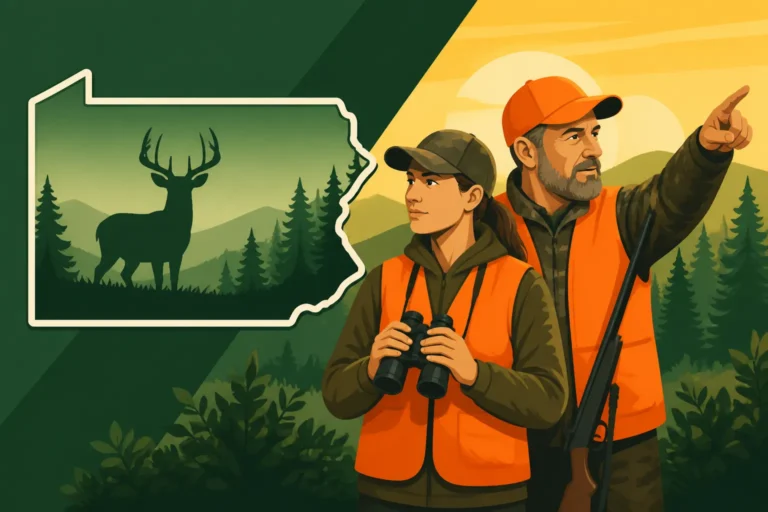
Being a mentor is more than just walking alongside a kid in the woods; it's a profound responsibility and an incredible opportunity. A mentor must be at least 18 years old, possess a valid Pennsylvania hunting license, and, crucially, be within arm's length of the mentored youth while they are hunting. This close proximity ensures immediate intervention if needed, whether for safety, guidance on shot placement, or just sharing in the moment. The mentor isn't just a chaperone; they are the primary educator, demonstrating ethical behavior, proper firearm or bow handling, and patience. They teach the nuances of woodsmanship, like reading deer sign, understanding wind direction, and the art of stillness. Beyond the technical skills, a good mentor instills respect for wildlife, the land, and the hunting tradition. It’s about passing on values, not just techniques.
Pinpointing the Official Pennsylvania Youth Deer Hunt Dates
The specific dates for Pennsylvania’s youth deer hunts are a critical piece of information, as they offer unique opportunities separate from the regular seasons. These dates are set annually by the Pennsylvania Game Commission, so always double-check the current hunting digest, but the structure remains fairly consistent year after year.
The Early Archery Season for Mentored Youth
For those eager to get out with a bow, the mentored youth archery season often runs concurrently with the general archery season opener. This means young archers, under the direct supervision of their mentors, can experience the thrill of the bowhunting woods right from the start. Typically, the statewide archery season for deer kicks off in late September or early October, depending on the Wildlife Management Unit (WMU). This early start takes advantage of cooler weather and deer patterns that haven’t yet been heavily influenced by widespread hunting pressure.
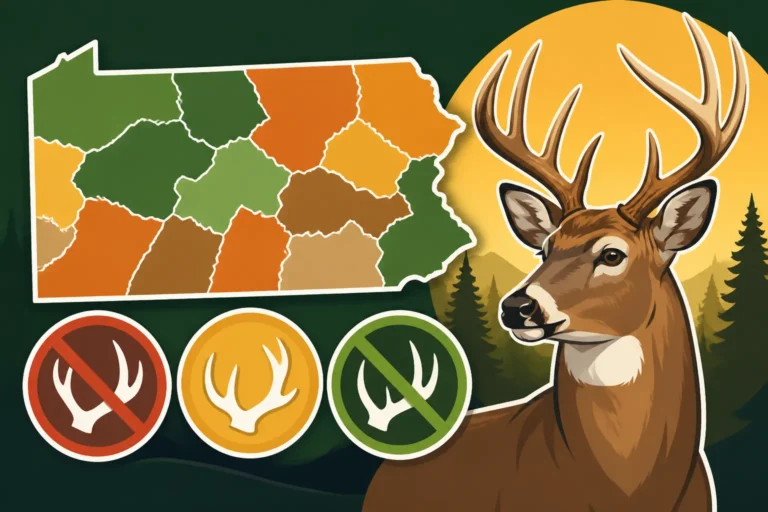
During this period, a mentored youth can harvest an antlered deer, and in many WMUs, they can also use an antlerless tag if they have one. A key advantage for mentored youth is that they are generally exempt from the standard Pennsylvania Antler Restrictions by WMU. This means they can take a buck that might not meet the 3-points-on-one-side or other antler-point requirements for adult hunters, focusing instead on the opportunity and experience. Always confirm the exact dates for your specific WMU, as there can be slight variations, especially for those Hunting the Early Archery WMUs in September.
The Statewide Youth Deer Hunt for Firearms
Perhaps the most recognized youth hunting opportunity is the dedicated two-day statewide youth deer hunt for firearms. This hunt typically takes place on a specific Friday and Saturday in late October, just before the full firearms seasons kick into high gear. This short, exclusive season is a fantastic chance for young hunters to pursue deer with a firearm without the heavy competition and crowds often seen during the general rifle opener.
During this special weekend, mentored youth and junior license holders can hunt antlered or antlerless deer, provided they possess the appropriate tags. Again, the exemption from antler restrictions usually applies to mentored youth during this season, allowing them to focus on ethical shot placement rather than counting points. This season is specifically designed to maximize the chances of success for young hunters, providing them a less pressured environment to learn the ropes of still-hunting or sitting in a blind. It’s a prime opportunity to utilize strategies like Using a Ground Blind on Pennsylvania Game Lands in areas where deer might still be in a more relaxed pattern.
Important Considerations for Specific WMUs
While the PGC strives for consistency, Pennsylvania’s diverse landscape and deer populations mean that specific rules and season lengths can vary by Wildlife Management Unit (WMU). WMUs like 5C, which encompasses much of southeastern Pennsylvania's suburban and agricultural areas, often have different tag allocations and sometimes slightly adjusted seasons to manage localized deer populations effectively. When planning your youth hunt, always verify the exact dates and regulations for the specific WMU you intend to hunt. The official PGC website and the annual hunting digest are your best resources for the most up-to-date information. Understanding Pennsylvania Wildlife Management Units Explained is crucial for any hunter, but especially when planning around specific youth opportunities. Using resources like the GoHunt app can be incredibly helpful here, as it often provides quick access to WMU-specific regulations and boundaries right in the field, which takes a lot of stress out of confirming details.
| Youth Deer Hunting Opportunity | Typical Dates (Consult Current Digest) | Legal Deer | Antler Restrictions | Required Supervision |
|---|---|---|---|---|
| Mentored Youth Archery | Late Sept./Early Oct. – Early Nov. | Antlered/Antlerless | Generally Exempt (Mentored) | Within arm's reach |
| Youth Firearms Season | Late October (specific Fri. & Sat.) | Antlered/Antlerless | Generally Exempt (Mentored) | Within arm's reach |
Note: This table provides typical dates. Always refer to the current Pennsylvania Hunting & Trapping Digest for official, up-to-date dates and regulations.
Navigating the Regulations: What Young Hunters and Mentors Need to Know
Beyond just knowing the dates, understanding the specific rules that apply to youth deer hunts in Pennsylvania is paramount. These regulations are designed to ensure safety, promote ethical hunting, and set clear expectations for both the young hunter and their mentor. Overlooking a small detail could turn an otherwise fantastic experience into a stressful one.
Licensing and Permit Requirements
First things first: you need the right paperwork. For mentored youth (typically under 12 years old), an adult mentor must possess a valid Pennsylvania hunting license. The mentored youth themselves will need a Mentored Youth Hunting Permit. This permit, while not a full license, grants them the privilege to hunt designated species under strict supervision. When a youth turns 12, they become eligible for a Junior Hunting License. This license is their own, comes with its own set of deer tags, and still requires adult supervision, though the proximity rules can be slightly different depending on the specific activity. Obtaining a Pennsylvania Resident Hunting Licence Cost or a Mentored Youth Permit is the essential first step before heading afield. Always ensure all licenses and permits are purchased and signed before the hunt begins, as conservation officers take these requirements seriously.
Legal Firearms, Archery Equipment, and Hunter Orange
Pennsylvania has specific rules about what equipment can be used for deer hunting. For firearms, this usually means centerfire rifles, shotguns, and muzzleloaders, with specific restrictions on magazine capacity. For the youth firearms hunt, it's generally open to any legal firearm for deer. It’s important to familiarize your young hunter with the specific weapon they’ll be using and ensure it's appropriate for their size and strength. A smaller-caliber, lighter-recoiling rifle might be ideal for a first-timer. You can find detailed information on Legal Firearms for Pennsylvania Deer.
For archery, standard vertical bows and crossbows are permitted, provided they meet minimum draw weight/poundage requirements. Again, ensuring the equipment fits the young archer is crucial for accuracy and safety.
Perhaps one of the most visible and vital regulations is the Pennsylvania Hunter Orange Rules. During the youth firearms deer hunt, and any other season where hunter orange is required, both the mentored youth and their mentor must wear the prescribed amount of fluorescent orange material. This usually means a minimum of 250 square inches on the head, chest, and back, visible 360 degrees. This is non-negotiable and exists for everyone’s safety, especially on public lands where other hunters may be present.
Tagging, Reporting, and Carcass Transportation Rules
Once a deer is harvested, the process doesn't end there. Proper tagging is critical. The mentored youth or junior hunter must immediately fill out their harvest tag, attach it to the deer's ear, and validate it. This is a teachable moment about responsibility and compliance. Ensure your young hunter understands how to correctly fill out the tag and that it must remain affixed to the deer until it is processed.
Reporting the harvest is also a legal requirement in Pennsylvania. This can typically be done online, by mail, or over the phone, and there's a specific deadline for doing so. This data helps the PGC manage deer populations effectively. Be prepared for this step, and make it part of the post-hunt ritual.
Finally, there are rules around transporting the carcass, particularly concerning Chronic Wasting Disease (CWD) Disease Management Areas (DMAs). If you harvest a deer within a DMA, there are restrictions on transporting certain parts of the carcass outside that area. Always check the current PGC regulations for CWD zones and carcass rules before you hunt, especially if you plan to travel a significant distance from your hunting spot. Understanding Pennsylvania Deer Tagging Requirements and CWD rules helps avoid any issues after a successful harvest.
Strategies for a Memorable and Successful Youth Deer Hunt
Beyond the rules and dates, the true success of a youth deer hunt lies in the experience itself. It’s about building a foundation of knowledge, a sense of adventure, and a deep respect for the outdoors. With thoughtful planning and the right approach, you can make this annual tradition something truly special for your young hunter.
Scouting and Preparation Tailored for Young Hunters
Preparation is key, but with a young hunter, it needs to be engaging and practical. Start with scouting long before the season opens. Use online mapping tools or apps like GoHunt to explore potential hunting areas. Look for natural funnels, food sources (like acorn flats or recent clearcuts), and bedding areas. But don't just do it yourself; involve your child in the process. Take them on walks through the woods, pointing out deer tracks, rubs, scrapes, and bedding areas. This helps them understand deer behavior and gives them ownership of the hunt.
When scouting for a youth hunt, prioritize comfort and accessibility. A long, strenuous hike might be too much for a beginner. Look for spots that are easy to get to, offer good visibility for a safe shot, and perhaps provide a comfortable ground blind or an easily accessible treestand. Consider areas where deer sign is abundant, increasing the chances of an encounter. Remember, success for a young hunter isn't always about punching a tag; it's about seeing deer, hearing the sounds of the forest, and feeling connected to nature. For deeper insights, exploring how to properly Scouting Pennsylvania Public Land Before Season can significantly improve your chances.
Field Tactics and Ethical Hunting Practices
Once you’re in the field, patience is your greatest ally. Young hunters often have shorter attention spans, so be prepared with snacks, quiet activities, and engaging conversation. Consider shorter sits, especially in colder weather. If hunting from a blind or stand, ensure it’s comfortable and warm. When a deer appears, calmly guide your young hunter through the steps: identify the animal, assess the shot opportunity, and focus on ethical shot placement.
Emphasize safety above all else. Review firearm or bow safety rules continuously. Teach them to identify their target and what lies beyond it. Discuss the importance of a clean kill and the responsibility that comes with taking an animal. If a shot is taken, immediately begin the process of tracking. This is another crucial skill to teach, as patience and persistence are often required for Tracking a Deer in Pennsylvania Snow or through thick cover. Celebrate the effort, regardless of the outcome. A missed shot or a deer not recovered can still be a valuable learning experience.
Beyond the Harvest: Building a Lifelong Passion
The hunt doesn't end when the shot is fired. Post-harvest activities are just as important for building a responsible hunter. Teach your child how to properly field dress a deer, explaining why it’s done and how it helps preserve the meat, particularly in warmer temperatures, as detailed in Field Dressing a Deer in Cold Weather. Involve them in getting the deer out of the woods, whether it’s dragging it, using a deer cart, or even learning how to quarter it for easier transport from a challenging spot like Getting a Deer Out of a Pennsylvania Hollow.
Back home, involve them in the butchering process, explaining how to care for the meat and prepare it for the table. This closes the loop, showing them the full cycle from field to plate and fostering a deep appreciation for the food they’ve provided. Most importantly, make it fun, positive, and educational. Share stories, reflect on the experience, and let them know that simply being in the woods together is a victory in itself. These shared experiences are the true legacy of youth hunting in Pennsylvania, planting the seeds for future generations of ethical, conservation-minded outdoors enthusiasts.
Disclaimer
The information provided in this guide is for general informational purposes only and does not constitute legal advice. Hunting regulations in Pennsylvania are subject to change annually. Always consult the most current Pennsylvania Hunting & Trapping Digest, published by the Pennsylvania Game Commission, for the precise and up-to-date rules, dates, and licensing requirements before participating in any hunting activity.