Pennsylvania’s Two-Week Firearms Deer Season
The anticipation leading up to Pennsylvania's two-week firearms deer season is an experience many hunters know well – a blend of excitement, tradition, and a little bit of anxiety about whether this will be the year. It's often the most popular season on the calendar, drawing thousands of hunters into the woods, but it also brings unique challenges, from crowded public lands to rapidly changing weather. This comprehensive guide is here to walk you through everything you need to know to navigate the firearms season successfully, from understanding the regulations to mastering effective hunting tactics and ensuring your gear is up to snuff.
Understanding the Firearms Deer Season Schedule
Pennsylvania's general firearms deer season is a cornerstone of the hunting calendar, a time when many families gather and traditions run deep. It's often seen as the primary opportunity for many hunters to fill their freezers, and for good reason—it's when the most deer are harvested across the state. But it's not just a free-for-all; there are specific structures and nuances that every hunter needs to understand to stay legal and maximize their chances.
The Traditional Opening Day Buzz
For generations of Pennsylvanians, the Monday after Thanksgiving has been etched into their minds as the most important hunting day of the year. While the schedule has shifted a bit in recent years, with Sunday hunting now permitted on the first Sunday of the season in some WMUs, that opening Monday still holds a special place. It's a day characterized by early alarms, frosty mornings, and the distinctive sound of distant rifle shots echoing through the timber as dawn breaks. The sheer number of hunters in the woods on opening day means increased deer movement, as whitetails are pushed from their typical bedding areas. This can be both a blessing and a curse; while it can push a trophy buck past your stand, it also means you're contending with more competition. Understanding this pressure is key to developing a solid opening day strategy, whether you choose to sit tight on a known travel corridor or employ a still-hunting approach to intercept deer on the move. Many hunters choose to participate in Deer Drives on Pennsylvania State Game Lands during this busy period.
Concurrent Antlerless Days
One of the most significant changes to Pennsylvania's firearms deer season in recent memory has been the move to a concurrent season for both antlered and antlerless deer across all Wildlife Management Units (WMUs). This means that from opening day through the entire two-week season, hunters with the appropriate antlerless tags can harvest either an antlered or antlerless deer. This contrasts with older regulations where antlerless hunting was often restricted to the second week or specific days. For many hunters, this change has been a huge boon, offering more flexibility and opportunity to fill multiple tags. It's crucial, however, to remember that antlerless tags are WMU-specific. You can't just use any antlerless tag anywhere; it must be valid for the WMU you are hunting in. This concurrent structure also means that deer are pressured for the full two weeks, which can alter their behavior and make them more nocturnal or force them into thicker cover as the season progresses.
Key Dates and WMU Variations
While the general framework of the two-week firearms season is consistent, it's vital to check the Pennsylvania Game Commission (PGC) digest each year for specific dates, as they can shift slightly. The season typically runs from the Saturday after Thanksgiving for the first designated Sunday, then continues for two full weeks. Additionally, certain WMUs may have extended seasons or specific rules that deviate from the general statewide regulations, especially those within Chronic Wasting Disease (CWD) Disease Management Areas (DMAs). For instance, some WMUs might have an earlier start for archery season, like those covered in Which WMUs Open Archery in September. Always confirm the exact dates and rules for your specific WMU before you head out. A quick check on the PGC website or using mapping tools like GoHunt can help you verify these details, showing you WMU boundaries and any special regulations overlayed on the map. This attention to detail prevents any unwelcome surprises or legal infractions in the field.
Navigating Antler Restrictions and Tagging Rules
Pennsylvania has specific rules regarding antlered deer, designed to help manage the deer herd and promote older age class bucks. Understanding these rules, along with proper tagging and reporting procedures, is non-negotiable for every hunter who steps into the woods.
The "Three Up" Rule and Its Impact
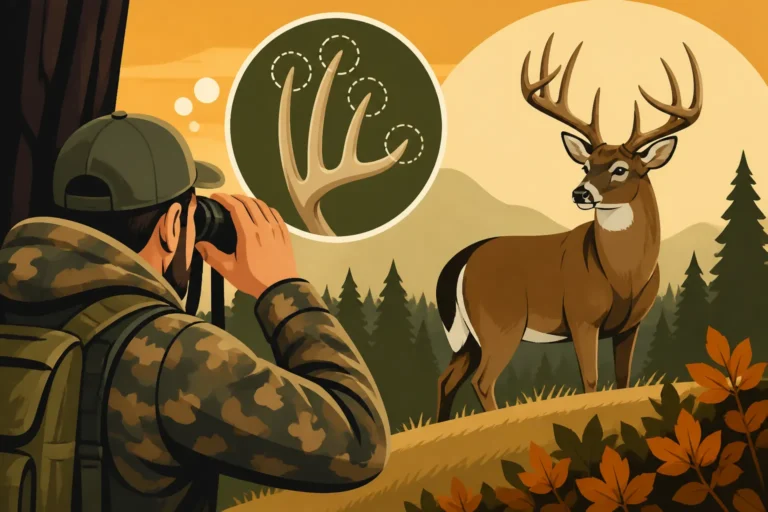
Pennsylvania employs antler restrictions based on WMU, often referred to as the "three up" rule in many areas. What does "three up" mean? It means that to be a legal antlered deer, a buck must have at least three points on one antler, excluding the brow tine. So, if a buck has a brow tine, a G-1, and a G-2 on one side, that counts as three points. However, some WMUs, particularly in the southeastern and southwestern parts of the state, require four points on one antler. This system is designed to allow younger bucks (yearlings) to survive and mature, leading to an older age structure in the buck population. It means you might need to exercise significant restraint when a young 6-point walks by, knowing it's not a legal buck in a "three up" WMU. This rule has undeniably contributed to the presence of more mature bucks in the woods, making it exciting but also challenging to judge antlers quickly in the field. Familiarize yourself with Pennsylvania Antler Restrictions by WMU before your hunt.
Proper Tagging and Reporting Your Harvest
Once you've successfully harvested a deer, the work isn't over. Proper tagging and reporting are legal requirements and crucial steps in the management of Pennsylvania's deer herd. Immediately after harvesting, you must complete the harvest tag that comes with your general hunting license. This tag needs to be filled out accurately with the date, time, and WMU of the kill. For antlered deer, you also need to indicate the number of points. This completed tag must be securely attached to the deer's ear and remain there until the deer is processed for consumption or taxidermy. Within 10 days of the harvest, you are legally required to report your kill to the PGC. This can be done online through the PGC website, by mail, or over the phone. Failing to properly tag or report your harvest can result in fines and loss of hunting privileges, so take these steps seriously.
CWD Zones and Special Regulations
Chronic Wasting Disease (CWD) continues to be a significant concern for wildlife managers in Pennsylvania. The disease, which is always fatal to deer and elk, has led to the establishment of Disease Management Areas (DMAs) in various parts of the state. If you plan to hunt within a DMA, you need to be aware of special regulations. These often include restrictions on moving certain parts of harvested deer carcasses out of the DMA, mandatory CWD testing for deer harvested within certain zones, and prohibitions on feeding deer. The goal of these regulations is to slow the spread of CWD. Before hunting, always check if your intended hunting area falls within a DMA and understand all associated rules. The PGC website provides detailed maps and current regulations for all DMAs. Adhering to these rules is not just about compliance; it's about being a responsible hunter and contributing to the health of the deer herd.
Effective Strategies for Public Land Hunting
Public hunting lands in Pennsylvania offer incredible opportunities, but they also come with a unique set of challenges, primarily increased hunting pressure. Successful public land hunting during the firearms season demands thorough preparation and adaptable strategies.
Scouting Before the Season Opens
You wouldn't head into a test without studying, and you shouldn't head into the firearms season without scouting. Pre-season scouting is paramount, especially on public land where deer behavior can change rapidly under pressure. Start by using online mapping tools. Resources like the Pennsylvania Mapping Center and even the GoHunt app allow you to study aerial photos, topographic maps, and even landowner information. Look for natural funnels, pinch points, oak ridges, thick cover, and potential bedding areas. Identify subtle features like logging roads, old clearcuts, or creek bottoms that might not be obvious on the ground but could be key deer highways.
Once you have some spots identified, get boots on the ground. Walk the areas you intend to hunt, looking for fresh sign: rubs, scrapes, tracks, and droppings. Pay attention to how deer are using the terrain. Where are the dominant food sources? Where are they bedding? How are they moving between the two? A deer that will confidently walk an open ridge in October might stick to the thickest draws once the rifles start booming. Remember, scouting isn't just about finding deer; it's about understanding how they use the landscape, particularly under pressure. This early season legwork will inform your stand placement and hunting routes, giving you a crucial edge when the season opens. Dive deeper into this by reading Scouting Pennsylvania Public Land Before Season.
Still-Hunting in Big Woods Timber
The vast tracts of Pennsylvania's "big woods" – often found in State Forests or large Game Lands – can feel intimidating during firearms season. Sitting in a stand all day might be effective in some areas, but in the sprawling, less-pressured timber, still-hunting can be incredibly productive. Still-hunting is an art form, a slow, deliberate method of hunting where you move a few steps, stop, look, and listen, often for five to ten minutes or more, before moving again.
The key is to move at a snail's pace, constantly scanning for horizontal lines in a vertical world – the back of a deer, an ear flick, a glint of antler. Pay close attention to wind direction and thermals, especially in hilly terrain. Deer in big woods often bed in benches just off the main ridges or in thick regenerating timber within hollows. When you spot a deer, assess the situation carefully. Can you get a clear, ethical shot? Do you need to reposition? Move slowly, use cover to your advantage, and remember that patience is your most valuable asset. The big woods can swallow up sound, so relying on your eyes is critical. This method allows you to cover more ground than stand hunting while still remaining stealthy. Find out more about Still-Hunting Pennsylvania Big Woods.
Organizing Safe and Productive Deer Drives
Deer drives are a time-honored tradition for many Pennsylvania hunters, especially on public land during the firearms season. When executed safely and strategically, they can be highly effective at moving deer out of thick cover. The basic premise is simple: a group of "drivers" walks through a block of cover, pushing deer towards "posters" positioned on known escape routes. However, there's an art and a science to a successful drive, and safety must always be the top priority.
First, communication is critical. Everyone involved needs to understand the plan, their role, and the boundaries of the drive. Use radios or agreed-upon signals. Second, safety zones must be respected – no shooting towards roads, dwellings, or other hunters. Always know what's beyond your target. Third, the layout of the land is key. Identify bedding areas or thickets where deer are likely to be holed up, and understand the escape routes they will likely take. Posters should be positioned where they have clear shooting lanes and a safe backdrop, often on benches, ridge lines, or along the edges of clearcuts. Drivers should move at a consistent pace, making enough noise to push deer but not so much that they simply bust out in all directions. A well-executed drive not only moves deer but can also lead to exciting, memorable hunts. Read up on specific strategies for Deer Drives on Pennsylvania State Game Lands.
Tactics for Farm Country and Smaller Tracts
Hunting in Pennsylvania's farm country or on smaller private land parcels presents a different set of challenges and opportunities compared to the big woods. Here, deer densities are often higher, but cover can be fragmented, and hunting pressure, even on private land, can be intense.
Hunting Edges and Agricultural Cover
In farm country, deer often rely heavily on the edges where agricultural fields meet woodlots, brushy fencerows, or overgrown creek bottoms. These transition zones provide food, cover, and travel corridors. During firearms season, deer will often retreat into the thickest, nastiest cover available during daylight hours, emerging to feed in the evenings or under the cover of darkness.
Focus your efforts on these edges. If you have permission to hunt around a standing cornfield, the edge of that field, especially where it meets a wooded draw, can be a gold mine. Deer will often bed deep within the corn during the day. Similarly, brushy fencerows act as highways for deer moving between different feeding and bedding areas. Overgrown creek bottoms or small woodlots surrounded by fields offer crucial bedding. Consider placing a stand or blind along one of these edges, paying close attention to wind direction. Deer will use these travel routes to their advantage, so understanding their preferred pathways is key. Learn more about Hunting Pennsylvania Farm Country Edges.
The Importance of Private Land Permission
Unlike the vast expanses of public land, hunting on smaller tracts, especially in southern Pennsylvania, almost always requires obtaining private land permission. This can be one of the biggest hurdles for hunters, but it's a vital one. Respecting private property is non-negotiable. Approaching landowners courteously and professionally is essential. Offer to help with chores, respect their property, and always follow up with a thank-you.
The advantage of private land is often reduced hunting pressure (though not always in all areas), and potentially higher deer densities due to better food sources. Once you secure permission, make sure you understand the exact boundaries of where you're allowed to hunt. Use mapping tools like GoHunt to visualize property lines and identify potential stand locations that maximize your hunting area while respecting neighboring properties. Building a good relationship with a landowner can secure hunting opportunities for years to come and is often more rewarding than battling crowds on public ground.
Using Ground Blinds Effectively
Ground blinds are a fantastic tool for hunting deer in farm country and on smaller tracts, offering concealment, protection from the elements, and the ability to set up quickly in areas where a treestand might not be feasible or desirable. They're especially effective on field edges, near food plots, or within thick cover.
When setting up a ground blind, brush it in thoroughly. Don't just pop it up; use natural vegetation to break up its outline. Think about what a deer would see; they are incredibly adept at spotting unnatural shapes. Position the blind so you have a good view of the area you expect deer to come from, considering shooting lanes and wind direction. The dark interior of a blind offers excellent concealment, allowing for some movement without being detected. However, practice shooting from your blind before the season to understand your shooting angles and any potential obstructions. Ground blinds can be particularly useful for new hunters, youth hunters participating in a Mentored Youth Permit hunt, or anyone looking for a comfortable, warm spot during a cold Pennsylvania firearms season.
Essential Gear and Preparedness
The Pennsylvania firearms season can throw a wide array of weather conditions at hunters, from mild, rainy days to bitter cold and deep snow. Being properly equipped is not just about comfort; it's about safety and success.
Rifle Calibers and Optics for Pennsylvania Woods
Choosing the right rifle and optic setup is crucial for Pennsylvania's diverse hunting terrain. While many calibers will ethically take a whitetail, popular choices often include the .270 Winchester, .30-06 Springfield, .308 Winchester, and 6.5 Creedmoor. These cartridges offer a good balance of power and trajectory for the typical shots encountered in Pennsylvania, which are often under 150 yards, sometimes even closer in thick timber. The key is shot placement, and using a rifle you are proficient and comfortable with is more important than chasing the latest magnum. You can get more information about Rifle Setups for Pennsylvania Deer.
For optics, a variable power scope with a lower magnification range (e.g., 2-7x, 3-9x) is often ideal. While high magnification might seem appealing, most shots are taken at closer ranges where a wider field of view is more beneficial for quick target acquisition. Look for a scope with good low-light performance, as deer are often most active at dawn and dusk. Ensure your rifle is zeroed correctly for the distances you anticipate shooting, and practice regularly. Knowing your rifle's capabilities and your own limitations will dramatically increase your confidence and ethical hunting success.
Cold Weather Clothing and Layering
Pennsylvania's late November and early December weather can be brutally cold, especially during an all-day sit. Proper clothing and layering are non-negotiable for comfort and safety. Start with a good base layer that wicks moisture away from your skin, such as merino wool or synthetic fabrics. Avoid cotton next to your skin, as it retains moisture and can quickly lead to chilling.
Your mid-layers should provide insulation. Fleece, down, or synthetic puff jackets work well. For the outer layer, you need something that is quiet, windproof, and water-resistant or waterproof. Many hunters swear by wool for its warmth even when wet and its quiet properties, as discussed in Clothing for a Pennsylvania December. Don't forget your extremities: a warm hat, insulated gloves or mittens (often a combination of both, like a thin glove for shooting and a thick mitten over top), and insulated, waterproof boots are critical. A good pair of boots that keeps your feet dry and warm will make an all-day sit much more bearable. When you're sitting still, blood flow to your extremities decreases, making them especially vulnerable to cold.
Safety Gear and Communication
Safety is paramount during firearms season, especially with increased hunter numbers. Always wear sufficient blaze orange, as required by Pennsylvania law. This typically means 250 square inches of solid fluorescent orange material visible 360 degrees while moving, and on your head, chest, and back while stationary. Beyond visibility, carry essential safety gear:
- First Aid Kit: For cuts, scrapes, and more serious injuries.
- Navigation: A GPS unit or a reliable phone app like GoHunt with downloaded maps, along with a compass and physical map as a backup.
- Light Source: A headlamp or flashlight, even if you plan to be out before dark. Recovering a deer or walking out of the woods after sunset can quickly turn into a dangerous situation without light.
- Communication Device: A fully charged cell phone is a must, but remember that service can be spotty in remote areas. Consider a two-way radio if hunting with a group, or even a satellite messenger for truly remote hunts.
- Emergency Whistle: For signaling if you get lost or need help.
Always tell someone where you are going and when you expect to return. Hunting can be unpredictable, and being prepared for the unexpected can save lives.
Post-Harvest Care and Meat Processing
Successfully taking down a deer is just the beginning. Proper post-harvest care is crucial to ensure you get the best possible venison from your efforts. Neglecting these steps can result in spoiled meat and wasted effort.
Field Dressing and Initial Game Care
As soon as your deer is down and you've confirmed it's expired, the clock starts ticking, especially if temperatures are mild. The most critical step is field dressing – removing the internal organs to allow the carcass to cool down quickly. This process helps prevent bacterial growth and tainting of the meat. Open the body cavity from the breastbone to the pelvis, carefully cutting around the anus and windpipe. Reach in and pull out all organs, ensuring you get everything.
Once field dressed, prop the cavity open to facilitate airflow, or hang the deer if possible. If you're hunting during an early season when temperatures are still warm, getting the deer cooled down quickly is paramount. Using game bags to protect the meat from flies and dirt is a good idea. In very cold weather, the urgency is less, but cooling is still important. Wipe any blood from the cavity, but avoid washing it out with water unless absolutely necessary, as moisture can promote bacterial growth. For a more detailed guide, see Field Dressing a Deer in Cold Weather.
Getting Your Deer Out of the Woods
This is often the most physically demanding part of the hunt, especially if you're deep in Pennsylvania's rugged terrain. A deer can weigh well over 100 pounds, and dragging it solo can be exhausting and even dangerous. Plan your extraction route before you even start hunting. Consider the easiest path out, even if it means a slightly longer route around a steep hill or through a less dense area.
Options for deer removal include:
- Dragging: The most common method. A sturdy rope or drag harness can make a significant difference. If you have a partner, one person can pull from the front while the other lifts the hindquarters.
- Deer Cart: A two-wheeled deer cart can be a lifesaver, especially on relatively flat terrain or old logging roads. However, they can be cumbersome in thick brush or steep, rocky areas.
- Quartering: If you're miles deep in the woods or on extremely steep terrain, quartering the deer on site and packing it out in a frame pack might be the most practical option. This involves butchering the deer into manageable pieces (backstraps, hindquarters, front shoulders) and carrying them out in game bags. While it requires more initial effort, it saves a lot of back-breaking dragging. Make sure you have the right tools, like a sharp knife and bone saw, if you plan to quarter.
Always make sure you have enough strength or assistance for the task. It's better to make multiple trips or take your time than to injure yourself or spoil meat.
Butchering and Preserving Your Harvest
Once your deer is out of the woods and cooled, the next step is processing the meat. You can take it to a professional butcher, which is a great option if you're short on time or experience. However, many hunters take pride in butchering their own deer. This allows you to customize your cuts and ensures you know exactly what's going into your freezer.
If butchering yourself, keep your workspace clean and cold. Use sharp knives, a sturdy cutting board, and appropriate packaging materials. Separate the cuts into roasts, steaks, and grind for burger or sausage. Vacuum sealing is an excellent way to prevent freezer burn and keep your venison fresh for a long time. Label everything clearly with the type of meat and the date. Properly handled and processed venison is lean, flavorful, and a healthy addition to your diet, making all the effort worthwhile. Remember, responsible hunting doesn't end with the shot; it extends to respectful and careful handling of the animal after harvest.
Overcoming Common Challenges
Pennsylvania's firearms season is rich with tradition and opportunity, but it's rarely without its hurdles. From crowded woods to unpredictable weather, successful hunters learn to adapt and overcome.
Dealing with Hunting Pressure
One of the biggest realities of the Pennsylvania firearms season, especially on public land, is the sheer volume of hunters. This pressure can change deer behavior dramatically, making them more nocturnal, pushing them into thicker cover, or sending them into areas less frequented by humans. Don't let this discourage you; instead, adapt your strategy.
- Hunt Remote Areas: Many hunters won't walk more than a mile from their truck. Go further. Use mapping apps like GoHunt to identify areas that are difficult to access, perhaps requiring a longer walk, crossing a creek, or navigating steep terrain. These "pressure pockets" often hold deer that have been pushed out of more accessible spots.
- Focus on Sanctuary Cover: Deer will seek out the nastiest, thickest cover they can find – dense clearcuts, laurel thickets, deep hemlock swamps. While these areas are tough to hunt, they're often where the deer are hiding during daylight hours. Consider still-hunting these areas very slowly, or setting up a ground blind on a subtle travel corridor at the edge of such cover.
- Hunt Mid-Day: While dawn and dusk are prime times, deer drives and hunter movement often peak in the morning. Many hunters leave the woods for lunch or head back to camp by mid-morning. The midday lull can actually be a great time to be in your stand, as deer might start moving again once the initial rush subsides.
- Utilize Topography: Deer will often use benches and saddles on ridgelines, or specific draws and hollows, to avoid direct pressure. Understanding Wind and Thermals on a Ridge can help you predict their movements.
Remember that while pressure can be frustrating, it also creates movement. Stay patient, be adaptable, and seek out those less obvious spots. Check out Hunting Pressure on Pennsylvania Game Lands for more tips.
Adapting to Weather Extremes
Pennsylvania weather in late November and early December is notoriously fickle. You could start the season with mild, rainy conditions and end it with a foot of snow and single-digit temperatures. Being prepared for anything is key.
- Rain and Wet Snow: Waterproof outer layers are a must. Even a light drizzle can make a long sit miserable and dangerous if you get chilled. Consider waterproof gaiters to keep your lower legs dry. Pay attention to your gear; wet optics can be useless. A good rain cover for your rifle scope is a small investment that pays off big time.
- Cold and Snow: Layering is your best friend. Insulated boots, hand warmers, and a good hat are non-negotiable. If it's very cold, consider bringing a small, portable heater for a ground blind, or a thermos of hot coffee or soup to warm you from the inside out. Fresh snow can be a blessing for tracking, but it also makes deer highly visible. Adapt your strategy – still-hunt into the wind, or focus on areas with dense evergreens where deer might seek shelter. Deer often seek out Late-Season Food Sources for Whitetails when snow covers the ground.
- Wind: High winds make it difficult to hear deer and for deer to hear you. They also scatter scent, making scent control more challenging. Strong winds often push deer into protected leeward slopes or deep hollows. Adjust your stand placement or still-hunting routes accordingly.
Never underestimate the power of cold or wet weather. Hypothermia is a real threat, even if temperatures aren't extreme. Dress appropriately, bring emergency supplies, and know when to call it a day if conditions become too dangerous.
Persistence and Mindset
Hunting is as much a mental game as it is a physical one. During the firearms season, with its often challenging conditions and competition, persistence and a positive mindset are invaluable. You might go days without seeing a deer, or blow a stalk, or have a shot opportunity ruined by a branch. It happens to everyone.
The most successful hunters aren't necessarily the luckiest; they're the ones who keep showing up, keep learning, and keep adapting.
- Stay Positive: Every sit is a new opportunity. Even if you haven't seen anything for hours, the next minute could be the one.
- Learn from Every Experience: Did deer come from an unexpected direction? Was your stand too high or too low? Did the wind betray you? Take mental notes and adjust for your next hunt.
- Enjoy the Process: Beyond the harvest, hunting offers time in nature, camaraderie with friends and family, and the quiet satisfaction of self-reliance. Cherish these moments.
The Pennsylvania firearms season is a test of skill, patience, and resolve. Embrace the challenges, learn from your experiences, and most importantly, enjoy the hunt.
Disclaimer
Please note that hunting regulations, seasons, and licensing requirements can change. While every effort has been made to provide accurate and up-to-date information, it is the sole responsibility of the hunter to consult the official Pennsylvania Game Commission (PGC) digest or website for the most current and legally binding regulations before participating in any hunting activity. This guide is for informational purposes only and does not constitute legal advice.