Waterfowl Hunting on Pennsylvania Waters
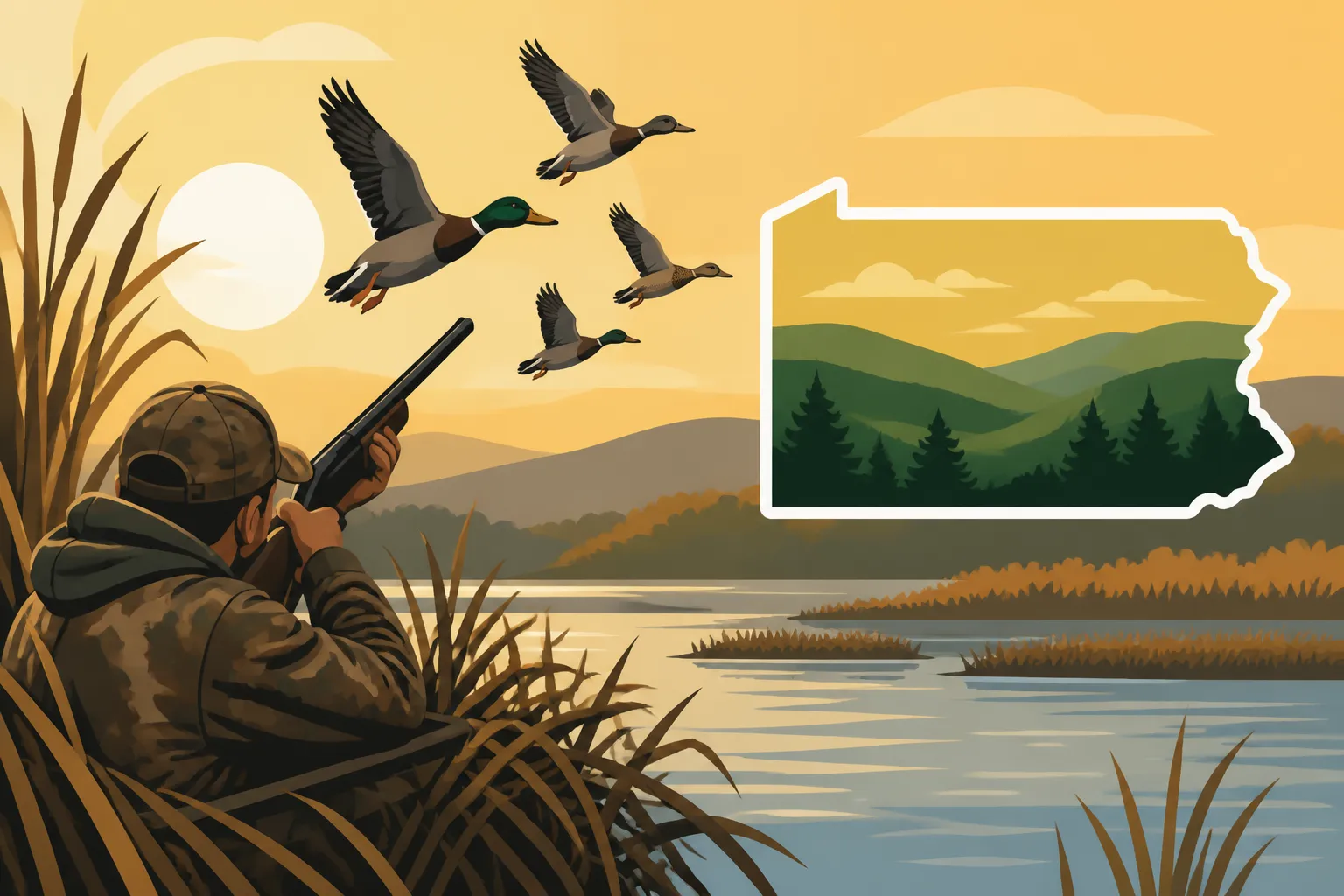
Hunting waterfowl in Pennsylvania can feel like chasing a phantom sometimes, can't it? One day the birds are there, the next they've vanished with the wind, leaving you shivering in a blind with nothing but cold coffee. It's a sport that demands dedication, patience, and a deep understanding of ever-changing conditions. This guide is here to cut through the frustration, offering you comprehensive, real-world strategies for hunting ducks and geese across the diverse waters and fields of the Keystone State.
Understanding Pennsylvania's Diverse Waterfowl Landscape
Pennsylvania might not be the prairie potholes, but it offers an incredibly varied landscape for waterfowl hunters, from mighty rivers to expansive lakes and countless small ponds. Each type of water presents its own unique challenges and rewards, and understanding these differences is the first step to consistently putting birds in the bag. You can't just throw out a dozen decoys anywhere and expect success; it's about matching your strategy to the environment.
Major Rivers and Their Role
Our major rivers, like the Susquehanna, Allegheny, Monongahela, and Delaware, are true lifelines for migrating waterfowl. These aren't just big creeks; they are massive waterways that serve as critical flyways and stopover points. Ducks and geese will often follow these river systems, using them as navigation aids and resting spots during their long journeys south.
The sheer size of these rivers can be intimidating, though, and many hunters struggle to pinpoint exactly where the birds will be. The currents can be strong, changing daily with rainfall and dam releases, which makes setting decoys a real challenge. Plus, you’re often dealing with varying water depths and limited access points. The key here is to focus on specific features that attract birds, such as shallow flats, submerged islands, or points that offer shelter from the main current. Understanding the flow, especially where smaller tributaries enter, can reveal hidden gems. Think about what a bird needs: safety, food, and water. Rivers often provide all three in various pockets. For those looking for specific access, exploring Susquehanna River Hunting Access can provide invaluable starting points.
Lake Erie and Inland Lakes
When you think of waterfowl hunting, Lake Erie might not be the first thing that comes to mind for a lot of folks, but it's a huge player, especially for diving ducks. The vast expanse of Lake Erie, particularly its Pennsylvania shoreline, serves as a major staging area for canvasbacks, redheads, scaup (bluebills), goldeneyes, and buffleheads. These birds, often called divers, prefer open, deeper water, and Lake Erie provides plenty of it.
Inland lakes, while smaller, also hold significant populations of puddle ducks and resident geese. Places like Pymatuning Reservoir, Lake Arthur (Moraine State Park), and various other large reservoirs across the state offer different hunting experiences. Unlike rivers, currents are less of a concern, but wind and wave action can be just as, if not more, challenging. The large open water means birds have many places to go, and you might need a boat to access the prime spots. Hunting these lakes often involves larger decoy spreads and more robust boat setups to handle potentially rough conditions. Familiarizing yourself with Lake Erie Access points and specific regulations for areas like Pymatuning Wildlife Area Hunting is crucial for success on these larger bodies of water.
Smaller Creeks, Ponds, and Agriculture Pits
Don't ever underestimate the power of the overlooked, intimate spots. While big water gets all the glory, countless small creeks, farm ponds, and even flooded agricultural fields (often called "pits" or "holes") across Pennsylvania offer incredible hunting opportunities, especially for puddle ducks like mallards and wood ducks, and often for Canada geese. These smaller waters are often less pressured, and birds can use them as quiet feeding and resting spots.
Hunting these spots often requires a more stealthy approach – think jump shooting or setting up a small, well-hidden blind. The beauty of these areas is their accessibility, often found on private lands where permission can be obtained, or on smaller public parcels. They might not hold thousands of birds, but they can offer consistent action with small flocks throughout the season. The challenge here is knowing landowner boundaries, finding legal access, and understanding how quickly birds can clear out if spooked. A solid mapping tool, like the one offered by GoHunt, can be incredibly helpful for identifying these smaller water bodies and their surrounding land ownership, helping you find those hidden honey holes away from the crowds.
Essential Gear for Pennsylvania Waterfowl Hunters
Waterfowl hunting, arguably more than any other type of hunting, is a gear-intensive pursuit. You're often battling the elements, trying to fool wary birds, and dealing with water—sometimes very cold water. Having the right equipment isn't just about comfort; it's about safety, effectiveness, and making sure your hunt is productive rather than miserable.
Decoys and Spreads for Different Species
Choosing the right decoys and setting them up effectively is an art form. It's not just about having any decoys, but the right decoys for the species you're targeting and the water you're hunting. For mallards and other puddle ducks on smaller waters, a dozen or two realistic mallard decoys, perhaps with a few wood ducks mixed in, can be plenty. Motion decoys, like spinning wing teal or mallards, can be incredibly effective at grabbing attention from a distance, especially on calm days.
When you move to larger waters, like the big rivers or Lake Erie, targeting divers, your spread needs to change. Diver species often prefer large, dense rafts of decoys. We're talking dozens, sometimes even hundreds, of scaup, canvasback, or redhead decoys, often rigged on long lines to keep them organized in open water. For Canada geese in fields, full-body field decoys or silhouette spreads are the norm, designed to mimic a flock feeding. The idea is to create a realistic, inviting picture for approaching birds, signaling safety and food. Knowing what the birds in your area are keying on is vital, and a quick scouting trip can tell you if they're grouping up or spread out.
Waders, Boats, and Blinds
You can't hunt waterfowl effectively without being able to get to where the birds are, or at least setting up where they want to be. For many Pennsylvania scenarios, especially on smaller creeks or marshy areas, reliable waders are non-negotiable. Breathable chest waders are often preferred for comfort and mobility, but neoprene can be a lifesaver in bitter cold water. Make sure they fit well and are leak-free – nothing ruins a hunt faster than cold, wet feet.
Boats open up a whole new world of opportunities. From small Jon boats used for setting decoys on rivers to larger duck boats equipped for rougher lake conditions, having a reliable watercraft is often essential. Always prioritize safety: ensure your boat is properly registered, carries all required safety gear, and that you know its limitations, especially on cold water. Finally, blinds are crucial for concealment. This could be a portable blind brushed into a field edge, a layout blind for field hunting geese, or a more permanent natural blind constructed along a riverbank. The goal is to disappear into your surroundings. Check out specific recommendations for Waders for River Duck Hunting to ensure you're geared up for diverse conditions. For goose hunters, Layout Blinds for Pennsylvania Cut Corn will be essential for field success.
Shotguns, Chokes, and Nontoxic Loads
The right shotgun for waterfowl is a personal choice, but reliability and ability to handle various conditions are paramount. Most hunters opt for a 12-gauge, as it offers a wide range of load options for everything from teal to large Canada geese. Semi-automatics are popular for their fast follow-up shots, but pump-action shotguns are equally effective and incredibly reliable.
Choke selection is also critical. Improved Cylinder or Modified chokes are versatile for closer shots over decoys, while Full or Extra Full chokes are often preferred for longer shots on geese or high-flying ducks. Remember, patterning your shotgun with your chosen loads and chokes before the season is absolutely essential to know your effective range and avoid missed shots or crippled birds. As for ammunition, Pennsylvania, like all states, requires the use of nontoxic shot for waterfowl hunting. Steel shot is the most common and affordable option, but bismuth, tungsten, and other alternatives offer denser patterns and better performance, albeit at a higher cost. It's vital to know Where Nontoxic Shot Is Required in Pennsylvania to stay legal and ethical. Don't cheap out on your shells; using quality Waterfowl Loads for Pennsylvania Ducks can make a significant difference in your success and reduce cripples.
Key Waterfowl Species and Their Habits
Pennsylvania is a crossroads for a wide variety of waterfowl, each with its own preferred habitats, diets, and behaviors. Successful waterfowl hunting isn't just about setting decoys; it's about understanding the specific species you're targeting, anticipating their movements, and tailoring your approach to their unique characteristics.
Mallards and Wood Ducks
Ah, the kings of the puddle ducks! Mallards are, without a doubt, the most iconic and sought-after duck in Pennsylvania. You'll find them almost everywhere: on large rivers, small creeks, farm ponds, and even feeding in harvested cornfields. They're opportunistic eaters, consuming everything from aquatic vegetation to waste grain. What makes them so appealing is their willingness to respond to calls and work into decoys, especially when hunger drives them.
Wood ducks, with their stunning plumage, are another favorite, particularly in the early season. They prefer wooded swamps, beaver ponds, and timbered creeks – places where you might not expect to find ducks. Their diet consists largely of acorns, seeds, and insects. They often feed in the dimly lit hours of dawn and dusk, making them a challenging but rewarding target. Their flight can be incredibly fast and erratic through the trees, demanding quick reflexes. Knowing these habits helps you set up in the right type of cover. The presence of these species often indicates good habitat, and for a deeper dive into their presence across the state, consider reading about Pennsylvania Mallard and Wood Duck Numbers.
Canada Geese and Snow Geese
Canada geese are a ubiquitous sight in Pennsylvania, from urban parks to agricultural fields. We have both migratory flocks that pass through and a significant population of resident Canada geese that breed here. Resident geese are often very patternable, flying from roosting water to feeding fields at predictable times. They primarily feed on grasses, clover, and waste grains like corn and soybeans. Hunting them in fields with large spreads of full-body decoys is a popular and often successful tactic, but they can be incredibly wary once pressured.
Snow geese, on the other hand, are a different beast entirely. They migrate in enormous, noisy flocks that can number in the thousands, creating a spectacle unlike any other. They are primarily grazers, preferring to feed in vast agricultural fields. Hunting them is often a high-volume affair, requiring massive spreads of decoys (sometimes hundreds or even thousands of rags or silhouettes) and specialized calling. They are notoriously difficult to decoy, but when a flock commits, the action can be phenomenal. Major staging areas like Middle Creek Wildlife Management Area are well-known for their incredible snow goose concentrations. Understanding Resident Canada Geese in Pennsylvania behavior is key to deciphering local goose patterns.
Divers: Buffleheads, Goldeneyes, and Bluebills
While puddle ducks dabble in shallow water, divers prefer the deeper, open expanses of larger rivers and lakes. These species, including buffleheads, common goldeneyes, and scaup (lesser and greater, often called bluebills), are truly specialized. Buffleheads and goldeneyes are often found close to shore on larger water bodies, diving for aquatic insects and small fish. They are small, incredibly fast flyers, and can appear seemingly out of nowhere.
Scaup, or bluebills, often congregate in large rafts on very open water, particularly on Lake Erie and some of the larger inland reservoirs. They feed primarily on mollusks and aquatic vegetation found in deeper sections. Hunting divers often requires a boat capable of handling open water, larger spreads of decoys, and a willingness to brave colder, windier conditions. These birds are less likely to respond to traditional duck calls, so decoy placement and concealment are paramount. For a comprehensive look at their migration patterns and presence, refer to articles on Diver Ducks on Lake Erie and Duck Migration Timing Through Pennsylvania.
| Species | Primary Habitat | Typical Diet | Decoy Strategy | Calling |
|---|---|---|---|---|
| Mallard | Rivers, creeks, ponds, flooded fields | Waste grain, aquatic vegetation, seeds | 12-24 decoys, J-hook or U-shaped, often with motion. | Quacks, Greeting Calls, Feeder Chuckle |
| Wood Duck | Wooded swamps, beaver ponds, timbered creeks | Acorns, seeds, insects | 6-12 decoys, placed near cover, often in timbered water. | Whistles, Squeals |
| Canada Goose | Agricultural fields, large rivers, lakes | Grasses, clover, waste grain | 24-100+ field decoys (full-body/silhouettes), spread out like feeding birds. | Honks, Clucks, Moans |
| Snow Goose | Vast agricultural fields, large open water | Roots, waste grain, grasses | Hundreds/thousands of rags, silhouettes, or full-bodies in a mass. | Loud "KOW-WOK" calls, high-volume |
| Bufflehead | Larger rivers, lakes, open bays | Aquatic insects, small fish, crustaceans | 6-12 diver decoys, tightly grouped, often near structure. | Rarely respond to calls |
| Goldeneye | Larger rivers, lakes, coastal bays | Aquatic insects, mollusks, small fish | 12-24 diver decoys, mixed with buffleheads, in open water. | Rarely respond to calls |
| Scaup (Bluebill) | Large open lakes, reservoirs | Mussels, aquatic plants, invertebrates | 50-200+ diver decoys in large, dense rafts in open water. | Rarely respond to calls |
Scouting and Reading the Water
You've heard it a thousand times, and it's just as true for waterfowl as it is for deer: you can't kill 'em if you don't know where they are. Scouting is the absolute bedrock of successful waterfowl hunting. It's not enough to know the season dates; you need to know what the birds are doing right now. Waterfowl are incredibly responsive to weather, food availability, and hunting pressure, meaning their patterns can change daily.
Pre-Season Reconnaissance and Migration Patterns
Before the season even kicks off, you should be out there, long before you ever pick up your shotgun. Pre-season scouting gives you a baseline. Where are the birds resting? Where are they feeding? Are there specific flights they take consistently from roost to feed? Look for tell-tale signs: droppings on shorelines, plucked feathers, and mud stirred up in shallow areas. Observe flight lines at dawn and dusk. This early work helps you identify potential hot spots.
Understanding general Duck Migration Timing Through Pennsylvania is also crucial. Early in the season, you'll be dealing with resident birds and early migrators like teal and wood ducks. As the fall progresses and cold fronts push down from the north, you'll start seeing waves of mallards, Canada geese, and various diver species. Keeping an eye on weather patterns to our north can give you a heads-up on when a fresh push of birds might be headed your way. Using tools like GoHunt can help immensely, allowing you to mark potential roosts, feeding fields, and public access points on detailed maps even before the season begins. This kind of planning takes the guesswork out of opening day.
Identifying Roosting and Feeding Areas
Waterfowl have a daily routine: they roost (rest) in safe areas, then fly to feed, and then return to roost. Identifying these key locations is paramount. Roosting areas are typically large, open bodies of water where birds feel safe from predators, often away from human disturbance. Think big lakes, wide river sections, or isolated ponds. Feeding areas, conversely, are where the buffet is open – flooded timber with acorns, harvested cornfields, or shallow mudflats rich with vegetation.
The trick is to position yourself between the roost and the feed, or right in the feeding area if you can do so without spooking the birds from their preferred spot entirely. Observing these patterns over several days, if possible, will show you the exact routes birds are taking. If you're setting up on a river, are they hugging the shorelines or flying down the middle? If it's a field, which direction are they approaching from? Understanding their daily commute allows you to set up your spread and blind precisely where they want to be.
Understanding Weather and Water Conditions
Waterfowl are incredibly sensitive to weather and water conditions, perhaps more so than any other game animal. A strong north wind and dropping temperatures often signal an influx of new birds, pushing them south. Conversely, calm, bluebird days can make birds incredibly wary and reluctant to fly. Rain and fog can sometimes concentrate birds and make them more willing to decoy, as visibility is reduced.
Water levels and currents are equally important, especially on rivers and lakes. High water on a river might flood new feeding areas or create new current breaks that birds will use. Low water might expose mudflats that were previously submerged, offering new food sources. On lakes, strong winds create chop that birds might seek shelter from, or they might prefer the calmer, lee side of a point. Constantly monitoring forecasts, river gauges, and being present to observe these changes firsthand is crucial. Don't just hunt where you always hunt; hunt where the conditions force the birds to be.
Effective Hunting Strategies for Pennsylvania Waters
With an understanding of the birds and the landscape, it's time to talk tactics. There's no one-size-fits-all approach to waterfowl hunting in Pennsylvania. What works for a flock of mallards on a small creek won't necessarily work for diver ducks on Lake Erie, or for Canada geese in a cornfield. Adapting your strategy to the specific situation is what separates a consistent hunter from someone who just gets lucky once in a while.
Jump Shooting Creeks and Small Ponds
For many, jump shooting is how they cut their teeth in waterfowl hunting. It's a highly active, often solitary method, perfect for smaller creeks, hidden ponds, and even beaver dams. The premise is simple: slowly and quietly approach a bend in a creek or the edge of a pond, using available cover, hoping to surprise ducks into flight. The key is to be ready for an instant shot.
This tactic works exceptionally well for mallards and wood ducks, especially in the early season when they're not as wary. You'll often find these birds tucked into quiet pockets, feeding or loafing. The thrill is in the flush; the downside is it's often a single-shot opportunity before the birds are gone. Stealth is paramount – approach with the wind in your face if possible, wear natural camouflage, and move slowly. It's a great way to explore new areas and cover a lot of ground, often finding birds that more stationary hunters miss. For specific guidance on these smaller waters, consider Jump Shooting Small Creeks.
Layout Blinds and Field Edges for Geese
Hunting Canada geese and snow geese often takes you away from the water and into the fields. Geese are grazers, meaning they spend a significant portion of their day feeding in harvested crop fields. This is where layout blinds shine. These low-profile blinds allow hunters to lie down in the middle of a field, disappearing into the stubble or cover, surrounded by a large spread of decoys.
The setup is critical: position your blinds so that geese will approach with the wind, giving them a natural landing trajectory directly over your setup. Concealment is paramount – brush your blinds in meticulously with local vegetation. Geese have incredible eyesight, and a poorly hidden blind will flare them every time. Calling is also vital, mimicking the excited chatter of a feeding flock. This strategy requires good scouting to find actively used fields, but when a flock commits, it offers some of the most exciting, in-your-face waterfowl action possible. Understanding how to use Layout Blinds for Pennsylvania Cut Corn is key here.
Stationary Blinds on Rivers and Lakes
When you're dealing with larger bodies of water, or you prefer a more comfortable, less mobile hunt, stationary blinds are the way to go. These can be boat blinds, constructed and brushed to conceal a boat, or shore blinds, built into natural vegetation along a riverbank or lake edge. The goal is to ambush birds as they fly past, or to draw them into a decoy spread.
For river hunting, position your blind near a current break, an island, or a point that birds naturally follow. On lakes, setting up where birds are known to loaf or feed, or along common flight paths, is essential. Decoy spreads on open water often need to be larger to be visible from a distance, and strategically placed to guide birds into a landing zone. Wind direction is critical; birds almost always land and take off into the wind. Therefore, your blind and decoy spread should be set up so that incoming birds have to fly over or past your shooting lane to get into the decoys. This method demands patience but can be incredibly rewarding, especially when large numbers of birds are moving.
Navigating Regulations and Safety
The world of waterfowl hunting is governed by a complex web of state and federal regulations, all designed to ensure the conservation of these migratory birds and the safety of hunters. Ignoring these rules isn't just irresponsible; it can lead to hefty fines and loss of hunting privileges. Beyond the rules, safety should always be your number one priority, especially when dealing with water, boats, and firearms.
Licencing, Stamps, and HIP Registration
Before you even step foot in a blind or launch a boat, you need to ensure all your paperwork is in order. In Pennsylvania, you'll need a general hunting license, which is your base permit. On top of that, for migratory birds like ducks and geese, you'll need to purchase a Pennsylvania Migratory Game Bird License. This state-specific stamp helps fund waterfowl conservation efforts right here at home.
But wait, there's more! Because waterfowl are migratory and managed under federal treaties, you also need a Federal Migratory Bird Hunting and Conservation Stamp, commonly known as the Federal Duck Stamp. This small stamp, which you sign and affix to your hunting license, is a major source of funding for the acquisition and preservation of wetlands across the country. Finally, you must register with the Harvest Information Program (HIP). This free registration provides the U.S. Fish and Wildlife Service with crucial data on migratory bird harvests, which helps them manage populations. It's easy to forget one of these pieces, but missing any of them makes you an illegal hunter. Make sure you understand Pennsylvania Migratory Game Bird Licence and Pennsylvania Federal Duck Stamp Rules well in advance. Don't forget your Pennsylvania HIP Registration for Migratory Birds either!
Hunter Orange and Safety Zone Requirements
While hunter orange is mandatory for certain big game seasons in Pennsylvania, the rules for waterfowl hunting are a little different. Typically, hunter orange is not required when hunting migratory birds from a blind, boat, or when hunting in conjunction with decoys. However, if you are moving to or from your hunting location, especially if you're crossing areas where big game hunting is permitted, it's always a good idea to wear orange for safety. It's about being visible to other hunters.
Safety zones are another critical regulation. You cannot discharge a firearm within 150 yards of an occupied dwelling, residence, or other building without prior permission from the owner or occupant. This rule is designed to protect people and property. When hunting on or near public waters or land that borders private property, it's vital to know where these safety zones apply. Always be aware of your surroundings and the location of homes or structures, even if they aren't directly visible. This is where detailed mapping applications, like the ones GoHunt provides, really shine, helping you identify property lines and potential safety zone conflicts.
Boating Safety and Waterfowl Retrieval
Waterfowl hunting often means being on the water, sometimes in cold, unpredictable conditions. Boating safety is paramount and often overlooked until it's too late. Always wear a life jacket, especially in cold water. Cold water immersion is a serious risk, and hypothermia can set in quickly. Ensure your boat is in good working order, has all required safety equipment (lights, sound-producing device, fire extinguisher, spare paddle, etc.), and that you know how to operate it safely, especially in current or rough water.
Retrieving downed birds, particularly in open water or strong current, can also be hazardous. Never attempt to retrieve a bird if it means risking your safety or that of others. A good retriever dog is an invaluable asset for waterfowl hunters, not only speeding up retrieval but also significantly reducing the number of lost birds. If you don't have a dog, always plan your retrieve before the shot. Consider current, wind, and obstacles. Having a reliable means of retrieval, whether it's a long pole or a well-trained dog, is a mark of a responsible waterfowl hunter.
Conservation and Responsible Hunting
Being a waterfowl hunter isn't just about bagging birds; it's about being a steward of the resource. We owe it to the birds, to future generations of hunters, and to the health of our ecosystems to hunt responsibly and contribute to conservation efforts. This isn't just a feel-good notion; it's an ethical imperative.
Supporting Habitat and Wildlife Efforts
Every federal duck stamp you buy, every state migratory game bird license you purchase, directly contributes to wetland conservation and wildlife management. These funds are vital for protecting, restoring, and creating critical habitat for waterfowl and countless other species. These efforts aren't just for ducks and geese; they benefit everything from frogs to deer.
Beyond financial contributions, consider volunteering for conservation groups like Ducks Unlimited, Delta Waterfowl, or the local chapter of the Pennsylvania Game Commission. These organizations often run habitat improvement projects, clean-ups, and educational programs. Getting involved directly helps improve the places we hunt and ensures healthy populations for years to come. Remember, healthy habitat equals healthy birds, and robust populations lead to more generous seasons and bag limits.
Ethical Shot Selection and Bird Retrieval
Ethical hunting means making clean, quick kills and minimizing suffering. This starts with knowing your effective range. Don't take Hail Mary shots at birds that are too far out. Pattern your shotgun with your chosen nontoxic loads, understand its capabilities, and stick to shots within your comfort zone. A wounded bird that flies off and is never recovered is a wasted resource.
Equally important is diligent bird retrieval. Once a bird is down, focus all your efforts on finding and retrieving it as quickly as possible. This is where a good retriever dog truly shines. If you don't have a dog, mark the fall precisely, use binoculars if necessary, and get to the bird quickly. Never leave a crippled bird if it's safe to pursue it. A responsible hunter ensures every bird shot is a bird recovered and brought to hand.
Cleaning and Preparing Your Harvest
The hunt doesn't end when the bird hits the water or the field. Proper care of your harvest is the final step in responsible hunting. Field dressing or cleaning your waterfowl immediately helps to cool the meat and ensure its quality. Remove entrails and pluck or breast out the meat as soon as possible, especially on warmer days.
Once cleaned, store the birds on ice or refrigerate them promptly. Waterfowl meat, particularly ducks, is rich and flavorful, but it needs to be handled correctly to avoid spoilage. Experiment with different recipes – grilled breasts, roasted whole birds, or delicious duck confit. Sharing your harvest with friends and family is a wonderful way to honor the animal and celebrate the bounty of the wild. It’s the ultimate culmination of all your efforts, from scouting and setup to the final, successful shot. Enjoying your hard-earned meal is a core part of the hunting tradition.
Disclaimer
Please be aware that hunting regulations in Pennsylvania, and across the United States, can change frequently. It is solely the hunter's responsibility to review and understand all current regulations, seasons, and bag limits set forth by the Pennsylvania Game Commission and the U.S. Fish and Wildlife Service before heading afield. This guide provides general information and should not be considered a substitute for official regulatory documents.