Layout Blinds for Pennsylvania Cut Corn
For many Pennsylvania waterfowl hunters, the sight of geese and ducks piling into a freshly cut cornfield is a dream come true, but getting close to these incredibly wary birds in such open terrain can feel like an impossible puzzle. You spend hours scouting, drive by countless fields, and finally spot that perfect feeding frenzy, only to realize that hiding from sharp-eyed waterfowl in a wide-open landscape is far more challenging than it looks. This comprehensive guide is here to unravel that puzzle, walking you through everything you need to know about using layout blinds effectively to put more birds in your bag when hunting Pennsylvania's cut corn.
Why Layout Blinds Shine in Pennsylvania's Cut Corn
When you're trying to fool birds that have been hunted for generations, every little detail matters. Hunting cut cornfields presents a unique set of challenges that traditional methods often can't overcome, and that's precisely where the specialized design of a layout blind truly makes a difference.
The Challenge of Field Hunting Wary Birds
Let's be honest, those Canada geese and mallards that frequent Pennsylvania's agricultural areas aren't new to this game. They’ve seen it all. They've circled countless decoy spreads, flared from a hunter trying to hide behind a lone bale of hay, and spotted the tell-tale lump of a ground blind a mile away. Their aerial perspective gives them a supreme advantage, allowing them to survey the entire field for anything out of place long before they commit to landing.
Trying to simply lie down in the stubble, even if you’re wearing the best camouflage, rarely works. Your human outline, no matter how much you try to flatten it, presents an unnatural shape on the landscape. Plus, the moment you move, or even lift your head slightly, those sharp eyes will pick you out. This wariness is compounded in areas with significant hunting pressure, where birds quickly learn to associate anything out of the ordinary with danger. It's a frustrating cycle for many hunters who put in the effort but continually get busted by birds that just won't commit.
Maximizing Concealment in Low-Profile Environments
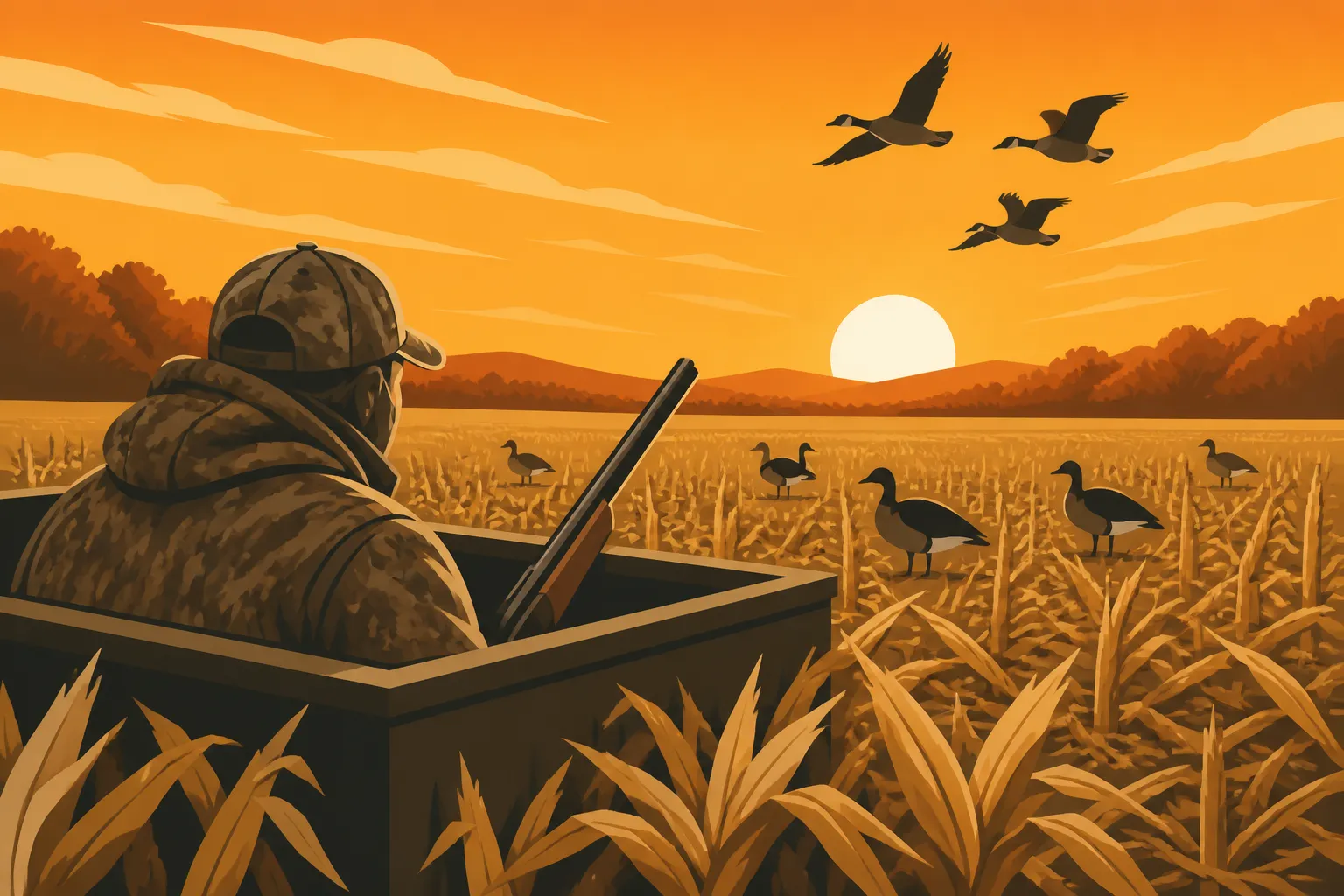
This is where the layout blind steps in as a true game-changer. Designed specifically to get you as low to the ground as possible, these blinds literally help you disappear into the field. Imagine a small, coffin-like structure, often with a spring-loaded lid, that allows you to lie down almost completely flat. The magic is in the low profile; it mimics the natural undulations of a cut field, breaking up your outline into something completely innocuous.
When you're tucked into a layout blind, your entire body is concealed. Only your head might peek out slightly, and even that is often hidden by stubble straps or the blind's design until the moment you sit up to shoot. From a goose or duck's perspective high above, your blind simply looks like another small rise in the field, or if properly stubbled, an extension of the field itself. This level of seamless blending is nearly impossible to achieve with any other type of blind in such an open environment. Whether you're targeting big flocks of Canada geese or cunning mallards, the ability to become one with the cut corn is paramount.
Key Features to Look For in a Layout Blind for Pennsylvania Conditions
Choosing the right layout blind for Pennsylvania's diverse conditions means looking beyond just the camouflage pattern. You need a blind that can stand up to the elements, be easily transported, and offer superior concealment. Think of it as investing in a piece of critical infrastructure for your waterfowl season.
Durability and Weather Resistance
Hunting waterfowl in Pennsylvania often means dealing with a wide range of weather conditions. One morning might be crisp and dry, the next could be a freezing rain, and a week later you might be slogging through muddy fields under a gray sky. Your layout blind needs to be a trooper. Look for robust materials in the frame and fabric. Aluminum or steel frames are common, but ensure the connection points are solid and won't easily bend or break under stress. The fabric itself should be heavy-duty, preferably with a waterproof or highly water-resistant coating.
A waterproof floor is absolutely non-negotiable. There's nothing worse than lying in a puddle all morning, slowly getting soaked and chilled to the bone. Many blinds feature a durable, often rubberized or PVC-coated, bottom to keep you dry even when the ground is saturated. Also, consider the wear and tear from dragging the blind across fields, through stubble, and loading it in and out of trucks. Reinforced stitching and abrasion-resistant fabrics will significantly extend the life of your investment. It’s also worth considering how well the fabric will hold up to repeated exposure to UV rays, as prolonged sun exposure can degrade materials over time.
Portability and Ease of Setup
Pennsylvania often demands hunters to be mobile, especially when chasing feeding birds across multiple fields. A heavy, cumbersome blind that takes ages to set up or take down can quickly become a deterrent to chasing those last-minute opportunities. Look for blinds that are relatively lightweight and designed for quick assembly and disassembly. Many models feature a folding frame that collapses efficiently, making them manageable for one person.
Backpack straps are a huge plus, allowing you to carry the blind hands-free along with your decoys, gun, and other gear. If you’re like most of us, you’re already hauling a lot of stuff, so minimizing the effort to transport your blind is key. Pay attention to the overall packed size as well; some blinds are much more compact than others, which can be a deciding factor if you have limited space in your vehicle. Test out the setup process in your backyard before your first hunt. You don't want to be fumbling with unfamiliar poles and fabric in the pre-dawn darkness with geese already calling overhead.
Concealment Options and Camouflage Patterns
The best layout blind is one that virtually disappears into its surroundings. This isn't just about the printed camouflage pattern on the fabric, although that's important too. The most critical feature for concealment is the presence of stubble straps or pockets. These are loops or sleeves sewn onto the blind's exterior, specifically designed for you to weave in natural vegetation from the field you are hunting. We'll dive deeper into this in a moment, but suffice it to say, a blind with ample stubble straps is superior.
Regarding camouflage patterns, choose one that generally matches the color and texture of Pennsylvania's fall and winter agricultural fields. Think shades of tan, brown, dried greens, and some darker accents to mimic shadows and dirt. Patterns that mimic corn stubble, dried grass, or even bare dirt are ideal. Some popular options come in versatile patterns that work across various agricultural settings. Remember, the goal isn't just to match the field, but to break up your shape completely. Even the best factory camo pattern will fail if you don't add natural elements to further blend your blind into the environment. Many hunters consult resources like GoHunt for advice on optimal gear, including camouflage and blind design features.
Practical Tips for Hunting Pennsylvania Cut Corn with a Layout Blind
Having the right gear is only half the battle. Knowing how to use it effectively, coupled with smart hunting strategies, is what truly leads to success. When it comes to field hunting in Pennsylvania, preparation is everything.
Scouting is Non-Negotiable
This might sound like a broken record, but I can't stress it enough: if you're hunting field birds, you must scout. Wary waterfowl don't just land anywhere; they have preferred fields, specific entry and exit routes, and often particular areas within those fields where they feel most comfortable feeding. You can have the best layout blind on the market and the most realistic decoys, but if you're in the wrong field, you're just enjoying a nice morning in the outdoors without any action.
Drive rural roads, preferably in the late afternoon or early morning, looking for concentrations of birds. Pay attention to where they are feeding, where they land, and where they lift off. Use binoculars or a spotting scope to observe them from a distance so you don't spook them. Note the wind direction on the day you scout, as this often dictates their approach. Many hunters swear by the detailed scouting information found on platforms like GoHunt to pinpoint these crucial locations and understand flight patterns. A critical aspect of this observation is Reading Roost-to-Field Flight Lines, understanding where the birds are coming from and where they're going after they leave the feeding field. Also, consider scouting for new opportunities even during the season; Scouting Pennsylvania Public Land Before Season is invaluable, but in-season scouting keeps you on hot birds.
Decoy Spreads and Positioning
Your decoy spread is the lure that convinces wary birds your spot is safe. For geese in cut corn, popular spreads include a "U" or "J" shape, with the open end facing the direction you expect the birds to approach, providing a clear landing zone right in front of your blinds. For ducks, a more scattered, natural-looking spread might work, mimicking small groups feeding. Consider using a mix of feeder and sentry decoys to create a realistic scene.
Position your layout blinds downwind of your decoy spread, facing into the wind. Birds typically land into the wind, so this setup gives you the best shot angle as they commit. Place your blinds so they are slightly staggered or in a natural contour of the field, avoiding a perfectly straight line that might look unnatural. Don't be afraid to leave large gaps in your spread; sometimes a "less is more" approach with quality decoys can be more effective than a cluttered field of cheap ones. If you're hunting both geese and ducks, often a combined spread can be effective, with larger goose decoys creating a visible beacon and smaller duck decoys filling in the foreground. For deeper insights into waterfowl behavior and how to set up effective spreads, consider cross-referencing with information on Goose Hunting Pennsylvania Fields and Duck Hunting Pennsylvania Rivers (as many ducks feed on agricultural fields even if they roost on rivers).
Blending In: The Art of Stubbling Your Blind
This is the make-or-break step for layout blind hunting. Your blind will come with a factory camouflage pattern, but no pattern is perfect for every field. You need to use natural vegetation from the actual field you are hunting to break up the blind's hard lines and help it vanish.
Here’s how to do it:
- Gather Local Cover: Before setting up your blind, walk around the edges of the field and collect stalks of corn, dried weeds, grass, and any other natural debris. You want enough to completely cover your blind, leaving no bare spots.
- Weave and Secure: Start with the base of your blind and work your way up. Weave the cornstalks and grass into the stubble straps. Don't just lay them on top; weave them in so they look like they're growing out of the ground. Pay extra attention to the edges and corners of the blind to soften any unnatural angles.
- Break Up the Outline: The goal is to eliminate any discernible "blind" shape. Overlap your stubbling materials, creating texture and shadow that matches the surrounding field. Look at your blind from several angles and distances. If you can still see a defined shape, add more cover. Many seasoned hunters will even use a small mirror to check their blind's appearance from a bird's eye view.
- Cover Your Head and Gun: Don't forget to put some natural cover on the head flap of your blind and around your gun barrel. That shiny barrel or your exposed face can be a dead giveaway.
The effort you put into stubbling will directly correlate with your success. A poorly stubbled blind is just as bad as no blind at all.
Staying Comfortable and Safe in a Layout Blind
Field hunting, especially in a layout blind, can be a test of endurance. You’re lying prone in potentially cold, wet conditions for hours, often with limited movement. Ensuring your comfort and safety is paramount not just for a successful hunt, but for an enjoyable one.
Battling the Elements: Warmth and Dryness
Pennsylvania weather can be unforgiving during waterfowl season. You need to dress in layers to adapt to changing temperatures and activity levels. Start with a moisture-wicking base layer, add insulating layers (fleece or down are great), and top it off with a waterproof and windproof outer shell. Even if the forecast calls for clear skies, having a good rain jacket and pants is smart – a surprise shower can quickly turn a comfortable hunt into a miserable one.
Your feet and hands are critical for staying warm. Invest in high-quality, insulated, waterproof boots. Rubber boots are often preferred for their ability to handle mud and wet ground, and they also help control scent. Carry hand warmers and consider an insulated blind bag to keep them accessible. Remember, even though your blind offers some protection, you're still lying close to the cold, damp ground. A good, thick mat or insulated padding inside your blind can make a huge difference. Don't underestimate the benefits of a Cold Weather Sitting Strategy when you're going to be stationary for extended periods.
| Gear Item | Purpose | Key Features for PA Conditions |
|---|---|---|
| Layout Blind | Concealment in open fields | Durable fabric, waterproof floor, ample stubble straps, quick setup |
| Insulated Boots | Warmth and dryness for feet | Waterproof, good traction for mud, rated for cold temperatures |
| Layered Clothing | Adapt to changing temperatures | Moisture-wicking base, insulating mid-layers, waterproof outer shell |
| Hand Warmers | Keep hands functional and warm | Long-lasting chemical warmers, rechargeable electric options |
| Headlamp | Navigation in pre-dawn/post-dusk | Red light option to preserve night vision, bright main beam |
| Decoys | Attract birds to your spread | Realistic paint, varied poses, durable construction |
| Gun & Ammo | Ethical harvest | Nontoxic shot required for waterfowl, appropriate gauge/choke |
| Backpack/Blind Bag | Carry essentials | Weather-resistant, organized compartments, comfortable to carry |
Field Safety and Communication
Hunting from a layout blind requires extra attention to safety, particularly regarding communication and shooting zones. When birds are working, it’s easy to get tunnel vision. Before the hunt, discuss clear shooting lanes with your hunting partners. Establish a signal for when it's time to sit up and shoot, and always know where your partners are. Muzzle control is especially important from a prone position; always keep your muzzle pointed in a safe direction, away from other hunters.
Another crucial safety aspect is visibility when you are not actively hunting from inside the blind. Walking into a field in the pre-dawn darkness or retrieving birds after a successful pass, you are no longer concealed. This is when wearing hunter orange is essential, even if it's not strictly required while you're tucked away in the blind. A blaze orange hat or vest can be quickly donned when you stand up or move around the field. Always be mindful of other hunters who may be in adjacent fields or passing by. Ensuring you have essential items like a first aid kit and a fully charged cell phone (or a two-way radio if cell service is spotty) are also smart precautions, especially when hunting remote public lands. GoHunt often provides valuable resources on field safety and communication best practices for hunters.
Disclaimer
This article is for general informational purposes only and does not constitute professional advice. Laws, prices and regulations vary by location and change over time. Consult a qualified professional for guidance on your specific situation.