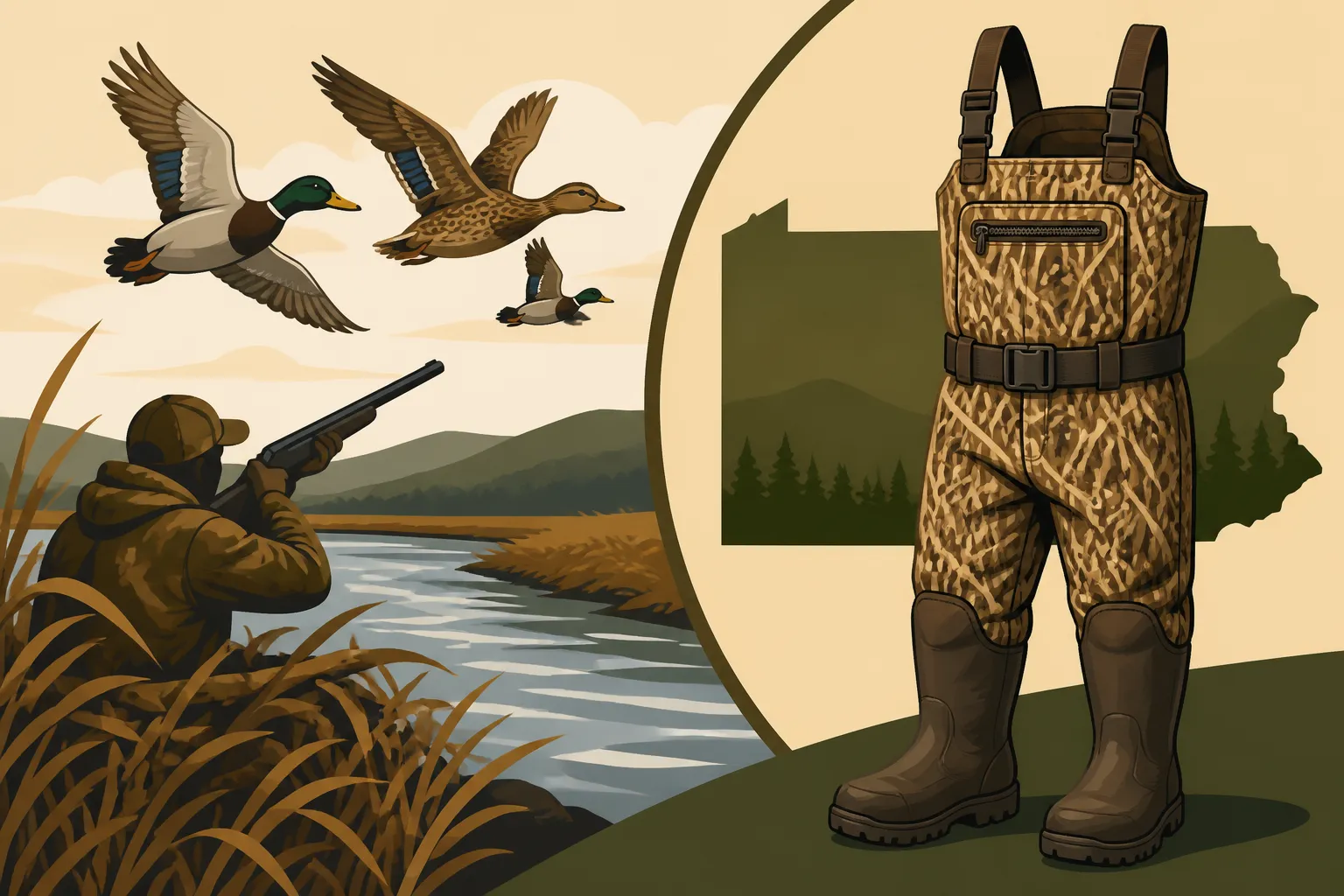
Waders for River Duck Hunting
Hunting ducks on Pennsylvania's rivers can be an incredibly rewarding experience, offering dynamic action and stunning scenery, but it also presents a unique set of challenges. Cold, flowing water, unseen obstacles, and slippery bottoms demand gear that can withstand the elements and keep you safe. This guide is dedicated to helping you understand the critical role of waders in river duck hunting in Pennsylvania, ensuring you make informed choices that keep you dry, warm, and comfortable, no matter what the river throws your way.
The Unique Demands of Pennsylvania River Duck Hunting
Pennsylvania's rivers and larger creeks, like the Susquehanna, Allegheny, or even smaller tributaries, are not still ponds. They are constantly moving, often deceptively deep, and filled with potential hazards. Ignoring these realities when choosing your gear can quickly turn an exciting hunt into a miserable, or even dangerous, ordeal.
The Unforgiving Nature of Flowing Water
Imagine standing chest-deep in the Susquehanna River in November, the current tugging at your legs, unseen rocks shifting underfoot, and frigid water pressing against your waders. This isn't just about getting wet; it's about cold shock, hypothermia risk, and maintaining your footing. The constant flow of water draws heat away from your body much faster than still air, meaning inadequate insulation can lead to dangerous levels of cold in a surprisingly short time. Furthermore, river bottoms are notoriously uneven, littered with submerged logs, sharp rocks, and soft mud that can trip you up or suck at your boots. You need confidence in your footing, and that starts with the right wader design.
Beyond the physical challenges, the sheer effort required to navigate currents while carrying decoys, your shotgun, and other gear is considerable. Bulkier, less mobile waders can turn a manageable wade into an exhausting struggle. The physical toll of fighting current, especially when setting decoys or retrieving downed birds, makes the need for lightweight yet durable gear even more pronounced. This isn't just about staying dry; it's about conserving energy and remaining agile.
Why Standard Hunting Gear Falls Short
Many hunters, especially those new to waterfowling, might think their regular rain gear or a pair of tall rubber boots will suffice. Unfortunately, this is a dangerous misconception for river hunting. Standard rain jackets and pants offer no real protection against prolonged immersion, and a small splash over the top of regular boots means instant cold and discomfort. The depths of most productive river hunting spots often exceed the height of even knee-high boots, necessitating full-body waterproof protection.
Waders are specifically designed to offer that continuous, seamless barrier against water intrusion. They integrate foot protection with a waterproof body, allowing you to walk into the river, set up decoys, or retrieve game without getting soaked. Their construction considers insulation, mobility, and the abrasive nature of the aquatic environment. Trying to make do with less will not only result in a miserable hunt but can also put your safety at serious risk, especially if you're navigating strong currents or cold temperatures far from shore. For comprehensive tips on navigating these waters, check out Duck Hunting Pennsylvania Rivers and Duck Hunting the Susquehanna River.
Navigating Wader Types for Pennsylvania's Diverse Waterways
Choosing the right wader material and style is probably the most crucial decision you'll make. Each type offers distinct advantages and disadvantages, making it essential to match your waders to the typical conditions you'll encounter on Pennsylvania's rivers.
Neoprene Waders: The Cold-Water Champions
Neoprene waders are the traditional choice for cold-weather waterfowling, and for good reason. They are essentially thick wetsuits for hunters.
Pros:
- Exceptional Insulation: Neoprene provides fantastic thermal insulation, trapping a layer of warm water (or air if you stay dry) next to your body. This is invaluable when the air temperature drops, or when you find yourself standing in icy river water for extended periods. This is a huge advantage for late-season hunts when temperatures consistently dip below freezing.
- Durability and Puncture Resistance: The material itself is quite robust, offering good resistance to punctures from sticks, briars, and sharp rocks, which are abundant along riverbanks and bottoms.
- Buoyancy: Neoprene offers a degree of buoyancy, which can be a double-edged sword. While it might provide a little extra help if you accidentally go for a swim, it also makes it harder to stay submerged if you're trying to hide in deeper water.
Cons:
- Bulk and Weight: Neoprene is inherently bulky and heavy. This can make long walks to your hunting spot quite a chore, and moving through strong currents more exhausting.
- Lack of Breathability: This is their biggest drawback. Neoprene doesn't breathe. What goes on inside, stays inside. On warmer days, or during strenuous activity like carrying a decoy bag upriver, you'll quickly become soaked with sweat. This can lead to a chill once you stop moving, effectively negating the insulation benefits.
- Limited Mobility: The thick, stiff material can restrict your range of motion, making it harder to climb banks or swing your shotgun quickly.
Ideal Scenarios: Neoprene waders shine during the coldest parts of the Pennsylvania waterfowl season, especially late November through January, when you anticipate minimal walking and prolonged sitting in frigid water. If you're primarily hunting from a stationary position in an icy river, these are your go-to.
Breathable Waders: Versatility for Varying Conditions
Breathable waders, typically made from multi-layered synthetic fabrics like Gore-Tex or similar proprietary membranes, have gained immense popularity for their comfort and versatility.
Pros:
- Superior Comfort and Mobility: They are significantly lighter and less bulky than neoprene, allowing for much greater freedom of movement. This is a game-changer if your hunt involves hiking to river access points, wading long distances, or setting up blinds.
- Breathability: Their namesake feature. These waders allow perspiration vapor to escape while preventing water from entering. This dramatically reduces the clammy, sweaty feeling common with neoprene, keeping you drier and more comfortable, especially during active hunts or on warmer early-season days.
- Layering Versatility: Because they offer minimal inherent insulation, breathable waders are designed to be used with a layering system underneath. This allows you to precisely adapt your warmth to changing weather conditions, from cool early fall mornings to bitter mid-winter days. You can layer up or down as needed, making them suitable for the entire season. Consider principles from Layering for a Pennsylvania Deer Stand for ideas on thermal regulation.
Cons:
- Less Inherent Warmth: Without proper layering, breathable waders offer little warmth on their own. You must plan your under-wader clothing carefully.
- Potentially Less Durable: While modern breathable waders are very tough, some can be more susceptible to punctures or abrasions than thick neoprene, especially cheaper models. Quality construction and reinforced areas are critical.
- Higher Cost: High-quality breathable waders can often be more expensive upfront than their neoprene counterparts.
Ideal Scenarios: Breathable waders are excellent for the entire Pennsylvania waterfowl season, from the relatively mild early teal season to the brutal late season, provided you adjust your layering appropriately. They are perfect for active hunters who need to cover ground, wade through various depths, and want maximum comfort. If you're using a mapping tool like GoHunt to scout different river sections before the season, you'll appreciate the reduced bulk when hiking to check out potential spots.
Bootfoot Versus Stockingfoot: A Critical Choice
Once you've settled on a material, you need to decide on the foot style. This choice significantly impacts convenience, warmth, and traction.
-
Bootfoot Waders: These waders have insulated rubber or neoprene boots permanently attached to the wader body.
- Pros: Incredible convenience – just step in and go. The integrated boots are often insulated, contributing to overall warmth. They prevent water, mud, and debris from entering around the ankles, a common issue with separate boots. The bootfoot design is generally warmer for your feet, especially in very cold water.
- Cons: Less precise fit for the foot, as you're limited to standard boot sizes. This can lead to rubbing or a clunky feel if the fit isn't spot-on. Integrated boots are usually heavier and bulkier, adding to the overall weight and making them less packable. If the boot gets damaged or the sole wears out, replacing the entire wader is often the only option.
- Ideal for: Cold, stationary hunting where convenience and maximum foot warmth are priorities. Perfect for sitting in a blind by the river's edge or for hunters with limited mobility who prefer a quick on-and-off.
-
Stockingfoot Waders: These waders end in neoprene "socks" that fit like oversized, thick socks. You then wear separate wading boots over these neoprene feet.
- Pros: Customizable fit – you can choose wading boots that perfectly fit your foot and offer the exact type of traction you need. This is a huge advantage for river hunting, where varied terrain demands specialized soles. Much lighter and more packable than bootfoot waders, making them easier to hike with. If your boots wear out, you simply replace the boots, not the entire wader. Generally offer better ankle support than bootfoots.
- Cons: Requires purchasing separate wading boots, increasing the initial cost. Takes slightly longer to put on and take off. More potential for sand, grit, or small pebbles to get between the neoprene sock and the wading boot, which can be annoying. Less inherent warmth for the feet than well-insulated bootfoots, requiring good quality wading socks.
- Ideal for: Active river hunters who hike, wade long distances, or navigate challenging, slippery river bottoms. The ability to choose specialized wading boots for superior traction is invaluable on Pennsylvania's rocky rivers. If you're jump shooting small creeks or stalking birds, the added mobility and traction are critical.
When it comes to Jump Shooting Small Creeks, the maneuverability and traction offered by stockingfoot waders with purpose-built wading boots are often preferred.
| Wader Type | Primary Material | Key Advantage | Key Disadvantage | Ideal Pennsylvania Conditions |
|---|---|---|---|---|
| Neoprene | Neoprene | Excellent insulation/warmth | Bulky, heavy, non-breathable | Late season, icy water, stationary hunting from a blind/shore |
| Breathable | Multi-layer fabric | Comfortable, lightweight, breathable | Requires layering for warmth | All-season, active hunting, long hikes, varied temperatures |
| Bootfoot | Integrated boot | Convenience, maximum foot warmth | Less precise fit, heavier, bulkier | Cold weather, less active hunting |
| Stockingfoot | Separate boots | Customizable fit, superior traction | Requires separate boots, less inherent foot warmth | Active hunting, varied river bottoms, hiking, multiple seasons |
Essential Features for Optimal River Performance
Beyond the basic material and foot type, several key features elevate a good pair of waders to a great pair for river duck hunting in Pennsylvania. These details can make all the difference in your comfort, safety, and overall success afield.
Durability and Puncture Resistance
River environments are harsh. Submerged branches, sharp rocks, barbed wire fences along private property, and even abrasive river ice can quickly turn a small scrape into a major leak. Look for waders that feature:
- Reinforced Knees and Seat: These areas take the most abuse from kneeling, sitting on rough surfaces, or pushing through brush. Extra layers of fabric or a more robust material in these zones dramatically extend the life of your waders.
- Quality Seam Construction: Wader seams are often the weakest point. Look for double-stitched, taped, and glued seams. Ultrasonic welding is another advanced technique that creates incredibly strong, waterproof bonds. Poorly constructed seams will be the first place your waders fail.
- Overall Fabric Denier: For breathable waders, the denier (a measure of fabric density) indicates its toughness. Higher denier fabrics generally mean better puncture and abrasion resistance, albeit at a slight increase in weight.
While no wader is completely puncture-proof, investing in a model designed with durability in mind will save you countless headaches and cold surprises. Using a mapping app like GoHunt to scout riverbanks and potential entry points can also help you identify areas with less dense brush or fewer obvious hazards, reducing the chances of a snag.
Traction and Stability on Slippery River Bottoms
This is perhaps the most critical safety feature for river hunting. Pennsylvania's rivers are infamous for their treacherous bottoms, covered in slick algae-covered rocks, slimy mud, and shifting gravel. Good traction is paramount to prevent slips, falls, and potential injury.
- Felt Soles: Traditionally popular with fly fishermen, felt soles offer excellent grip on algae-covered rocks by creating a large contact patch. However, they can load up with mud on dry land and aren't ideal for walking long distances. They are also easily clogged with invasive species, so thorough cleaning is essential.
- Rubber Soles with Aggressive Lugs: These are becoming increasingly common and are often preferred by duck hunters. They offer good all-around traction on varied terrain—mud, gravel, and some rocks—and perform better than felt on dry land or snow. Look for deep, widely spaced lugs that shed mud easily.
- Studs and Cleats: For truly treacherous, icy, or extremely slippery conditions, some wading boots allow for the addition of metal studs or cleats. These provide an incredible bite into the river bottom, offering superior stability. However, they can be noisy, damage boat floors, and aren't pleasant for walking long distances on solid ground.
- Ankle Support: Especially with stockingfoot waders and separate wading boots, good ankle support in your boots is vital when navigating uneven river bottoms and strong currents. A twisted ankle far from shore is a serious problem.
Before heading out, use a tool like GoHunt to examine aerial photos of your chosen river section. While you can't see the river bottom, you might identify areas with rock bars or faster currents that hint at challenging wading conditions, allowing you to prepare with the right footwear.
Smart Storage and Practical Accessories
Thoughtful design beyond the basic waterproof shell can significantly improve your hunting experience.
- Handwarmer Pockets: These are a godsend on cold mornings. Fleece-lined handwarmer pockets positioned at chest height allow you to warm your hands quickly after handling cold decoys or retrieving a bird, helping you maintain dexterity for calling or shooting.
- Internal Pockets: Zippered internal pockets are perfect for keeping valuables like your phone, keys, or wallet dry and secure. Other internal mesh pockets can hold calls, extra shells, or small tools.
- External Pockets: Easily accessible external pockets with waterproof zippers or storm flaps are ideal for quick access to calls, extra shells, or a rangefinder.
- D-Rings and Gear Loops: Small attachment points on the waders are useful for clipping on lanyards for calls, dog whistles, or small accessories, keeping them within easy reach.
- Adjustable Suspenders: Comfortable, adjustable suspenders are key to distributing the weight of the waders and ensuring a good fit. Look for wide, padded straps that don't dig into your shoulders. Some models offer quick-release buckles for easy on/off.
- Wading Belt: A wading belt isn't just about cinching the waders tight; it's a critical safety feature. In the event of a fall in deep water, cinching the belt prevents water from rushing into the waders from the top, which can weigh you down and make it incredibly difficult to regain your footing or swim. Always wear your wading belt.
Achieving the Perfect Fit and Maximizing Comfort in the Field
A poorly fitting pair of waders is a recipe for misery. They can chafe, restrict movement, make you cold, or even become a safety hazard. Taking the time to ensure a proper fit and understanding how to layer underneath is paramount for comfort and success on the river.
Sizing Your Waders for Success
Waders are not like regular pants; you can't just pick your waist and inseam. They need to accommodate layers underneath and allow for a full range of motion.
- Chest and Torso: Ensure there's enough room in the chest and torso to bend, crouch, and swing your shotgun without feeling restricted. You should be able to lift your knees to your chest comfortably. Remember, you'll likely be wearing a base layer, a fleece, and maybe even a vest underneath.
- Leg Length: The legs shouldn't be too tight, restricting blood flow, nor too baggy, which can create unnecessary bulk and drag in the water. A good fit allows for natural leg movement without excessive fabric bunching.
- Foot Size (Bootfoot): With bootfoot waders, your foot size needs to be accurate. Too small, and your feet will be cramped and cold; too large, and you'll experience rubbing and poor stability. Always try them on with the type of socks you intend to wear.
- Foot Size (Stockingfoot): For stockingfoot waders, the neoprene foot needs to fit snugly but not constrictively, like a thick sock. The wading boots you pair them with are where you get your precise foot fit and traction. Don't forget to account for thick wading socks.
When trying on waders, wear the layers you'd typically hunt in, sit down, stand up, and mimic wading movements. Better to feel a little silly in the store than suffer in the field.
Layering Systems for Variable Pennsylvania Weather
Breathable waders especially depend on a smart layering strategy. Even with neoprene, layering helps manage moisture and warmth.
- Base Layer (against skin): This is crucial for wicking moisture away from your body. Avoid cotton, as it retains moisture and chills you once wet. Opt for synthetic materials (polyester, polypropylene) or merino wool. The thickness should vary based on anticipated temperatures. This is your first line of defense against sweat and cold.
- Mid-Layer (insulation): This provides the bulk of your warmth. Fleece jackets and pants, down or synthetic insulated vests and jackets are excellent choices. Again, avoid cotton. Having multiple mid-layers allows you to adapt to temperature changes throughout the day or season. Think about how you would dress for Cold Weather Sitting Strategy or Hunting Pennsylvania's Late Archery Season and adapt those principles.
- Socks: This is often overlooked. Two pairs of socks are usually ideal: a thin, moisture-wicking synthetic or merino wool liner sock underneath a thicker, insulated wool or synthetic sock. This prevents blisters and provides critical warmth.
The beauty of layering is its adaptability. Start with more layers than you think you need, especially in the cold, and shed them as you warm up during active wading, or add them back during stationary periods.
Accessorizing for Extended River Stays
A few key accessories can significantly enhance your comfort and safety.
- Wading Belt: We mentioned this for safety, but it also helps snug the waders, reducing internal air pockets that can make you feel colder or create drag in the current.
- Headwear: A warm, waterproof hat is essential, as a significant amount of body heat is lost through the head. On colder days, a balaclava or neck gaiter can add considerable warmth.
- Gloves/Mittens: Your hands will be exposed to cold water when deploying decoys or retrieving birds. Waterproof, insulated gloves or convertible mittens are vital for maintaining dexterity and preventing frostbite.
- Dry Bag: Even if your waders have internal pockets, a small dry bag is a smart addition for anything you absolutely cannot afford to get wet, like your phone, truck keys, or fire-starting materials. Many hunters rely on a good Blind Bags and Cold-Weather Gear setup to keep these essentials organized and protected.
Maintaining Your Investment: Wader Care and Repair
Waders are an investment, and proper care is crucial to maximize their lifespan and performance. Neglecting them can lead to premature leaks, unpleasant odors, and expensive replacements.
Post-Hunt Cleaning and Drying
This is perhaps the most important step for longevity.
- Rinse Thoroughly: As soon as possible after your hunt, rinse your waders, inside and out, with fresh water. This removes mud, silt, algae, and any potential contaminants (especially if hunting in areas with CWD or other wildlife diseases). If you've been in saltwater (though less common in PA river hunting, it can happen near estuaries), a thorough freshwater rinse is even more critical.
- Spot Clean as Needed: For stubborn mud or stains, a soft brush and mild soap (like dish soap or a dedicated wader cleaning solution) can be used. Avoid harsh detergents or bleach, which can damage the fabric and seam tapes.
- Dry Completely – Inside and Out: This is where many go wrong. Waders must be dried completely, inside and out, before storage. Hang them upside down first to drain any water from the boots/feet, then turn them right side out. Use a fan to circulate air inside if needed. Neoprene can take longer to dry. Never put them away damp, as this leads to mildew, odor, and degradation of the material and seam tapes. Mildew isn't just smelly; it can actually eat away at the fabric.
Storage Best Practices
Once clean and thoroughly dry, how you store your waders also makes a difference.
- Hang, Don't Fold: Ideally, hang your waders from the boots in a cool, dry, well-ventilated area. This prevents creases and folds that can weaken the fabric and seam tapes over time. If hanging isn't an option, roll them loosely rather than folding them tightly.
- Avoid Extreme Temperatures: Don't store waders in direct sunlight, hot attics, or freezing garages for extended periods. Extreme temperatures can degrade the materials, especially neoprene and rubber boots.
- Away from Pests: Keep them in a place where mice or other critters can't get to them and chew holes.
Field Repairs and Patch Kits
Even the most durable waders can suffer a puncture from a sharp stick or a rogue piece of rebar. Being prepared for a quick field repair can save a hunt.
- Carry a Patch Kit: Always keep a wader repair kit in your blind bag or hunting pack. These typically include patches (self-adhesive or requiring cement), glue, and sometimes sandpaper. For breathable waders, Aquaseal or similar urethane-based glues are excellent for sealing small holes.
- Identify the Leak: If you feel a cold spot, try to mark it immediately. If it's a slow leak, you might have to fill the wader with water or spray it with alcohol to find the source.
- Temporary Fixes: For a quick, temporary fix in the field, sometimes even duct tape can buy you enough time to finish your hunt, though it's not a permanent solution.
- At-Home Repairs: For more significant damage, or to make a field repair permanent, follow the patch kit instructions carefully, ensuring the area is clean and dry. Many wader manufacturers also offer repair services or warranty programs.
By taking these steps, your waders will be ready when you are, allowing you to focus on the hunt itself, not on staying dry or warm. Using resources like Scouting Pennsylvania Public Land Before Season can help you avoid particularly thorny or rough terrain along river access points, further extending the life of your waders.
Disclaimer
This article is for general informational purposes only and does not constitute professional advice. Laws, prices and regulations vary by location and change over time. Consult a qualified professional for guidance on your specific situation.