Layering for a Pennsylvania Deer Stand
One of the biggest frustrations for any deer hunter in Pennsylvania is battling the weather. You bundle up, shiver through the morning sit, only to be sweating buckets by noon, or you try to dress light and get blasted by a sudden cold front. This guide will walk you through the art and science of layering for a Pennsylvania deer stand, ensuring you stay comfortable, quiet, and focused from the first archery opener to the last late-season sit.
Understanding Pennsylvania's Shifting Weather Patterns
Pennsylvania weather is famously unpredictable. You can experience all four seasons in a single week, or sometimes, even a single day, especially during hunting season. This constant flux is precisely why a rigid "one-size-fits-all" hunting outfit just doesn't cut it. To truly master layering, you first need to appreciate the unique challenges each part of our deer season throws at us.
The Early Archery Season's Warm Surprises
When Pennsylvania Archery Deer Season Dates arrive, especially in September and early October, many hunters underestimate the lingering warmth. You might leave the truck in crisp, cool air, feeling perfectly comfortable in a light jacket. But as the sun climbs higher, beating down on your stand, that light jacket quickly becomes a sweat trap. The frustration of silently peeling off layers, only to have your hard-earned scent control compromised by sweat, is all too real.
Early season often brings bluebird skies and surprisingly strong sun. Even a thin layer can feel oppressive when you're perched in a treestand with no shade. The ground might be cool, but the radiant heat can quickly build, turning your comfortable outfit into a sauna. This is where sweat management becomes absolutely critical, not just for comfort, but for keeping your presence concealed from a wary whitetail. If you're sweating, you're emitting more human odor, and that's the last thing you want on an early morning sit.
Then, just as quickly, an evening cold front can sweep through, dropping temperatures by 15-20 degrees. You might have dressed for a 60-degree afternoon, only to find yourself shivering as the temperature plunges to 45 degrees by last light. This rapid change means your layering system needs to be flexible enough to handle significant temperature swings, often within a matter of hours. Without that adaptability, you're either too hot, too cold, or constantly fidgeting to adjust, which is a surefire way to spook game.
The Peak Rut and Mid-Season Chill
November in Pennsylvania is, for many, the pinnacle of deer hunting, aligning with Hunting the Peak Rut Week in Pennsylvania. But it also presents a truly mixed bag of weather. You can have glorious, crisp days with brilliant sunshine, or you can endure driving rain, sleet, or even early snowstorms. The mornings are almost always cold, often dipping below freezing, making that initial walk to the stand a chilly affair.
Sitting motionless for hours in a mid-November treestand demands a lot from your clothing. The air might be still, but the latent cold can seep into your bones, especially if you're not adequately insulated. The challenge intensifies when a light drizzle turns into a steady rain, or a gentle breeze picks up, creating a wind chill that cuts right through inadequate outer layers. This is the time of year when a good layering system truly shines, allowing you to shed a layer if the afternoon warms up or quickly add one back if the weather takes a turn for the worse.
Furthermore, hunters often find themselves pushing deeper into the woods during the rut, chasing scrapes and rubs. This means longer walks and greater exertion. The last thing you want is to arrive at your carefully chosen stand location soaked in sweat from the hike, only to have that moisture turn icy cold as you sit still. Balancing the need for warmth while stationary with the need for breathability during exertion is a constant tightrope walk throughout the mid-season.
Late Season's Bitter Reality
As December rolls into January, Pennsylvania's late deer seasons, like Hunting Pennsylvania's Late Archery Season and Pennsylvania Flintlock Season Rules, usher in truly brutal conditions. This is when the wind bites with a vengeance, the snow can pile up deep, and temperatures often hover in the single digits or even go below zero. If you're not dressed properly for these conditions, you won't last long on stand, let alone have a productive hunt.
The biggest challenge in late season is combating prolonged exposure to extreme cold while remaining completely still. Your body isn't generating much heat when you're just sitting there, waiting, so your clothing needs to provide all the insulation. Wind becomes a huge factor, stripping away any warmth not protected by a robust outer shell. Rain turns to freezing rain or heavy snow, demanding uncompromising waterproof protection.
Many hunters simply give up on late season due to the cold, missing out on opportunities when deer are concentrated on Late-Season Food Sources for Whitetails. The commitment to endure requires not just mental toughness but a layering system built like a fortress. You're not just trying to be comfortable; you're trying to prevent hypothermia. Every layer plays a vital role in trapping precious body heat and keeping the bitter elements at bay. A single failure in your system—a damp base layer, a leaky jacket, or thin gloves—can send you retreating to the truck far sooner than you'd like.
The Core Principles of Effective Layering
Mastering layering isn't just about throwing on a bunch of clothes. It's about understanding how different fabrics and garment types work together to manage your body temperature, wick away moisture, and protect you from the elements. There's a method to the madness, and once you grasp these core principles, you'll be well on your way to comfortable, effective hunting in any Pennsylvania weather.
The Base Layer: Moisture Management is Key
The base layer is arguably the most critical component of any effective layering system, yet it's often overlooked. Its primary job is to wick moisture—specifically your sweat—away from your skin. When you're walking to your stand, climbing a tree, or even just processing a deer, you're going to sweat. If that sweat stays on your skin, it cools down and rapidly chills you, leading to discomfort and potentially hypothermia, especially when you stop moving and the ambient temperature drops.
For materials, you really have two main champions: merino wool and synthetics. Merino wool is incredible because it's soft, naturally antimicrobial (meaning it resists odor, a huge plus for hunters!), and it continues to insulate even when damp. It's a fantastic choice for both cool and cold weather, offering breathability when you're active and warmth when you're still. Synthetics, often made from polyester or similar materials, excel at quickly moving moisture away from the skin. They're typically very durable, dry quickly, and are often more budget-friendly than merino. The downside is that some synthetics can retain odor more easily, though many modern versions have odor-fighting treatments. Deciding between them often comes down to personal preference and budget, but both are light years better than cotton.
The fit of your base layer is also crucial. It needs to be snug against your skin to effectively draw moisture away. Think of it like a second skin. If it's too loose, there will be air gaps, reducing its wicking efficiency. However, it shouldn't be so tight that it restricts your movement or feels uncomfortable. Remember, the goal is to manage your internal microclimate. A good base layer starts that process right against your body. And I can't stress this enough: never wear cotton as a base layer for hunting. Cotton absorbs moisture like a sponge, holds it against your skin, and then loses all its insulating properties, chilling you rapidly once you stop moving. It’s truly the enemy of comfort and safety in the woods.
The Mid-Layers: Insulation and Warmth
Once your base layer is handling moisture, the mid-layers step in to provide the bulk of your insulation. Their job is simple: trap warm air close to your body. Air is an excellent insulator, and these layers are designed to create pockets of air that your body heat can warm up, forming a thermal barrier against the cold outside. This is where you adjust your warmth level based on the current conditions and your activity.
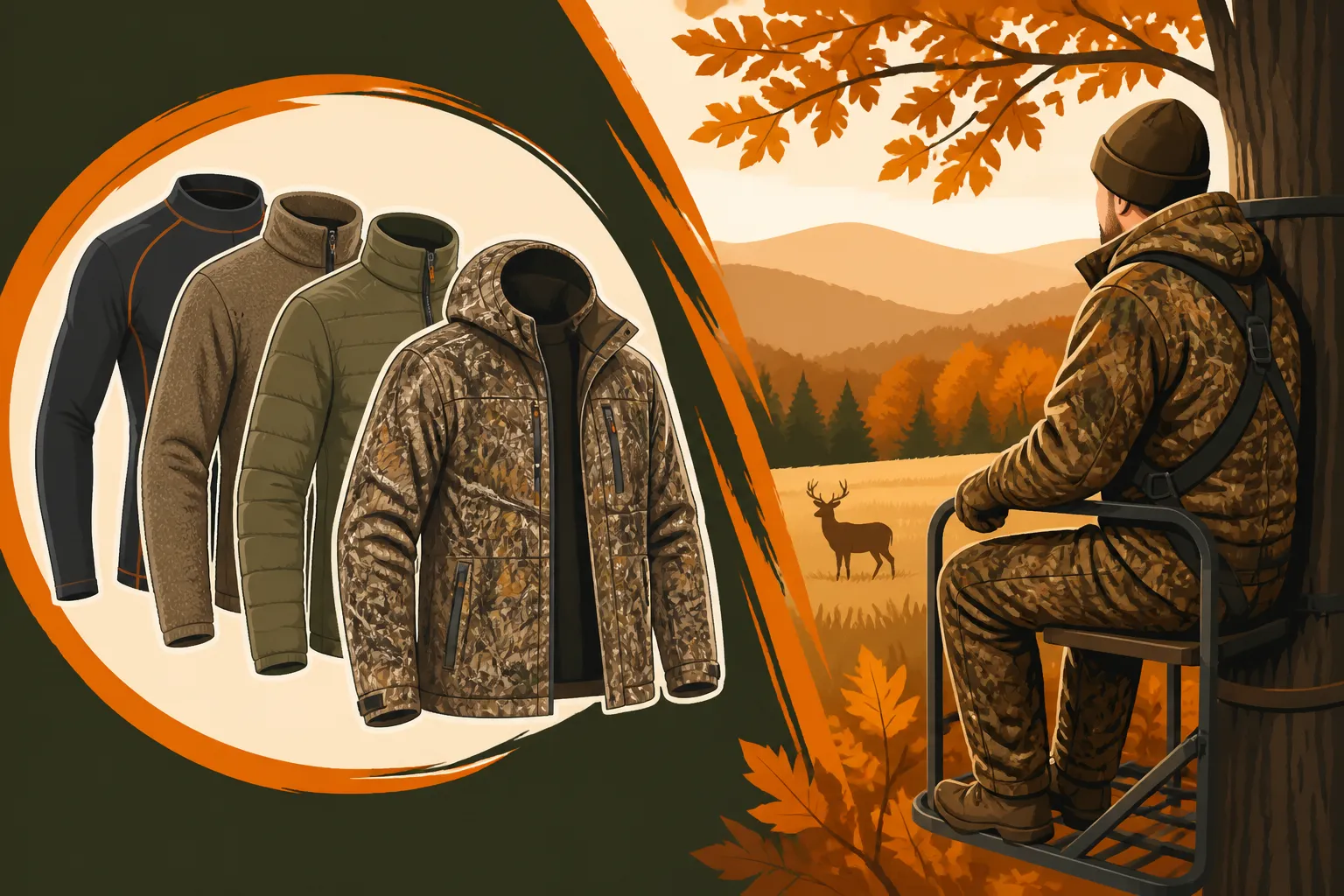
Common materials for mid-layers include fleece, down, and synthetic fills. Fleece is a classic for a reason—it's relatively lightweight, breathable, and insulates well even when damp. It's also usually quiet, which is a huge plus when you're trying to move stealthily. Down, made from the soft feathers of ducks or geese, offers incredible warmth-to-weight ratio and is supremely compressible. The main drawback to down is that it loses most of its insulating power if it gets wet. Synthetic fills, like PrimaLoft or Thinsulate, are designed to mimic down's insulating properties but perform much better when wet, making them a more reliable choice in damp Pennsylvania weather. Wool Versus Synthetics in Wet Cold is a discussion many hunters have, and for mid-layers, synthetics often win for reliability in variable moisture conditions.
The beauty of mid-layers is their versatility. You might wear one light fleece jacket for a cooler early season morning, or combine a heavy fleece with a puffy synthetic-fill vest for a colder late-rut sit. These layers should fit comfortably over your base layer without being too baggy, which would reduce their insulating efficiency, or too tight, which would restrict blood flow and warmth. The ability to add or subtract these layers is what gives you the adaptability to remain comfortable as the temperature changes throughout your hunt. Pack them in, put them on when you stop moving, and take them off before you start the walk out.
The Outer Layer: Protection from the Elements
The outer layer, often called the shell, is your first line of defense against the external environment. Its primary functions are to shield you from wind, rain, and snow, and to be durable enough to withstand the abuse of the Pennsylvania woods. If your outer layer fails, the performance of all your carefully chosen inner layers will be severely compromised.
When it comes to materials, you're looking for something that is both windproof and waterproof (or at least highly water-resistant) while still being breathable enough to allow some internal moisture to escape. Technologies like GORE-TEX, eVent, or proprietary brand membranes are designed to do just that. They prevent external water from getting in, but allow water vapor (sweat) to escape, preventing that clammy feeling inside. The fabric also needs to be quiet. A crinkly, noisy jacket might keep you dry, but it will scare every deer within a hundred yards. Many hunting-specific outer layers use soft, brushed fabrics to minimize noise.
Beyond protection, your outer layer often dictates your visibility. Depending on the season and specific regulations, you'll need to consider blaze orange requirements. Some outer layers come in camouflage patterns with blaze orange panels, or you might wear a separate orange vest over your camouflaged jacket. The outer layer is also critical for scent control. Many hunting brands incorporate scent-absorbing technologies into their outer garments, or you might rely on meticulous washing and storage to keep your outer layers as scent-free as possible. It's the layer that faces the world, so it needs to perform on multiple fronts: protection, stealth, and visibility when needed.
Building Your Pennsylvania Deer Stand Layering System
Now that we've covered the principles, let's talk about putting it into practice for the various stages of Pennsylvania's deer season. Each period demands a slightly different approach to layering to maximize comfort and effectiveness.
Early Season Strategy: Prioritizing Breathability and Scent Control
Early archery season, especially in September and early October, can be notoriously warm, often lulling hunters into a false sense of security. The biggest challenge is managing sweat during the hike in and then staying comfortable if the temperature drops after sunset. Your core strategy here should focus on lightweight, breathable materials and rigorous Scent Control on Small Pennsylvania Tracts.
For your base layer, opt for a lightweight merino wool or a high-performance synthetic. Think thin, almost like a running shirt. This will be crucial for wicking away the sweat you'll inevitably generate walking to your stand, even if it's just a short distance. You might even consider wearing just this base layer on your walk, with your outer layers stowed in your pack. For mid-layers, often you'll only need a very light fleece vest or a thin long-sleeve shirt. The goal is just a touch of warmth for cooler mornings, but nothing that will cause you to overheat quickly.
Your outer layer in the early season should be lightweight, quiet, and offer some wind resistance. A breathable softshell jacket is often perfect. You want something that can cut the chill but won't be overly insulated. If rain is in the forecast, a very light, packable rain jacket that you can throw over everything else is a smart addition to your pack. Always pack a slightly warmer layer than you think you'll need, as temperatures can drop quickly once the sun goes down or a cloud bank moves in. Remember, the sun is often your enemy in early season when it comes to scent and comfort, but it can quickly become your friend when the chill sets in.
Mid-Season Adaptability: The Versatility of Removable Layers
The mid-season, particularly throughout November, demands the most adaptable layering system. This is when Pennsylvania truly shows off its meteorological mood swings, from mild, sunny days to frigid, wet, and windy conditions. Your strategy here is all about versatility and the ability to quickly add or subtract layers. This flexibility is key to successfully executing Cold Weather Sitting Strategy over long periods.
Start with a medium-weight base layer, again either merino or synthetic, to handle both activity and stillness. This provides a good foundation for moisture management. For your mid-layers, this is where you build your customizable warmth. A medium-weight fleece jacket is a staple, and you might add a puffy vest with synthetic insulation over that. This combination allows you to adjust. If it’s a mild morning, maybe just the fleece. If it gets colder, add the vest. If it's truly frigid, you might layer both. The key is that these are removable layers. You can put them on when you settle into your stand and take them off if you need to stalk or if the day warms up significantly.
Your outer layer for mid-season needs to be robust: genuinely windproof and waterproof. A good quality hunting jacket with a durable outer fabric and a breathable membrane is essential. This is also when your blaze orange requirements are often in full effect, so ensure your outer layers meet the square inch requirements for public land. Don't forget extremities: thin liner gloves under heavier gloves or convertible mitts for your hands, and good quality wool socks with Insulated Boots for All-Day Sits for your feet. A warm hat or balaclava is also critical, as you lose a significant amount of heat through your head. Keeping all these options handy in your pack, ready to deploy, is the secret to enduring those long, variable rut sits.
Late Season Fortress: Max Insulation for Extreme Cold
Hunting in December and January during the late archery or flintlock seasons means embracing the cold. This isn't about adapting to minor temperature shifts; it's about building a fortress of warmth to withstand sustained, bitter cold. If you're going Hunting Deer in Deep Pennsylvania Snow, your layering system needs to be bombproof.
Your base layer for late season should be heavy-weight merino wool or a thick synthetic. This provides a substantial amount of warmth directly against your skin, while still wicking away any sweat from the walk in. For mid-layers, this is where you pile on the insulation. Think a heavy fleece jacket, perhaps a thick wool sweater, and definitely a substantial puffy jacket with high-quality synthetic fill or treated down that resists moisture. Many hunters even opt for multiple thinner mid-layers to create more trapped air pockets, which can be more effective than one single thick layer.
Your outer layer in late season needs to be a beast. It must be completely windproof, fully waterproof, and highly durable. Look for features like reinforced elbows, knees (if you're using bibs), and large, insulated pockets. It should be oversized enough to comfortably accommodate all your bulky mid-layers without compressing them, which would reduce their insulating power. Bibs or insulated pants are highly recommended over just a jacket for comprehensive warmth. For extremities, invest in serious hand protection like insulated mittens or hand muffs with hand warmers inside. Heavy, insulated, waterproof boots are non-negotiable, possibly paired with boot blankets or heated insoles for maximum warmth. A thick, insulated hat and a heavy balaclava or face mask are also essential. This system isn't about style; it's about survival and extending your hunt when others have retreated.
| Layer Type | Early Season (Sept-Oct) | Mid-Season (Nov) | Late Season (Dec-Jan) |
|---|---|---|---|
| Base Layer | Lightweight merino or thin synthetic | Mid-weight merino or synthetic | Heavyweight merino or thick synthetic |
| Mid-Layer(s) | Light fleece vest or thin long-sleeve | Medium fleece jacket + optional synthetic puffy vest | Heavy fleece, wool sweater, substantial puffy jacket (synthetic/treated down) |
| Outer Layer | Lightweight softshell or breathable windbreaker | Durable, windproof, waterproof hunting jacket/pants | Heavily insulated, windproof, waterproof jacket & bibs/pants |
| Extremities | Light gloves, light beanie | Liner gloves + mid-weight gloves/mitts, insulated hat, neck gaiter | Insulated mittens/muffs, heavy insulated hat, balaclava, heated boot insoles |
| Key Focus | Sweat management, scent control, portability | Versatility, wind/rain protection, quick adjustments | Maximum insulation, absolute wind/water proofing, endurance |
Specialized Considerations for Comfort and Success
Beyond the basic three-layer system, there are specific areas and tactics that require extra thought when it comes to layering. Neglecting these details can often be the difference between a comfortable, successful hunt and an early retreat from the woods.
Hands, Feet, and Head: Your Vulnerable Extremities
It's an old hunter's adage, but it rings true: if your hands, feet, or head are cold, you are cold. These extremities are critical because they have a large surface area for heat loss and are often exposed to the elements. Ignoring them leads to overall body chill, reduced dexterity, and a significant drop in your hunting focus and endurance.
For hands, a multi-stage approach works best. Start with thin liner gloves, often made of merino or a thin synthetic. These provide a bit of warmth and dexterity, allowing you to manipulate calls, bows, or rifle safeties. Over these, you can wear a heavier glove or, even better for prolonged stillness, convertible mitts. Mittens keep your fingers together for more warmth and can be pulled back to expose your fingers when precision is needed. For truly frigid sits, a hand muff with chemical hand warmers inside is a game-changer. This allows you to pull your hands completely out of your gloves and warm them up, then slip them back into your warm gloves as needed.
Feet are another major cold sink. Always start with high-quality wool socks—not cotton. Merino wool socks come in various thicknesses and will wick moisture while retaining warmth. For your boots, ensure they are adequately insulated for the temperature you expect, and importantly, that they are waterproof. Nothing chills your feet faster than dampness. If you’re sitting for hours in bitter cold, consider heated insoles or pull-over boot blankets that add an extra insulating layer over your already-insulated boots.
Finally, your head. You lose a surprising amount of body heat through your head, especially if it's uncovered. A simple beanie hat is a good start for most conditions. For colder weather, a fleece or wool stocking hat that covers your ears is essential. When the wind picks up or temperatures plummet, a balaclava provides coverage for your face and neck, which are often overlooked but highly susceptible to windburn and frostbite. Some outer jackets also have insulated hoods that can be pulled up over your hat for an extra layer of protection when conditions get truly nasty.
The Walk In and Out: Managing Exertion and Sweat
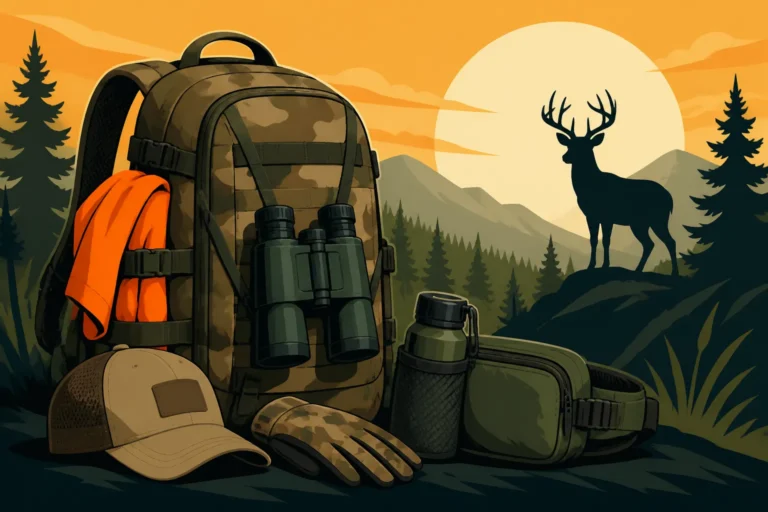
One of the most common mistakes hunters make is wearing all their warm layers on the walk to the stand. This inevitably leads to sweating, and as we've discussed, sweat is the enemy of warmth once you stop moving. The key is to manage exertion and sweat specifically during the walk to and from your stand. This is where a good Packs for a Day on Game Lands becomes indispensable.
Your strategy should be to underdress slightly for the walk. Wear only your base layer and maybe a light mid-layer that allows for good ventilation. Your heavier mid and outer layers, especially those thick, insulated pieces, should be carried in your pack. As soon as you arrive at your stand location, before you start to cool down, quickly put on those heavier layers. This ensures you're dry when you settle in, and your body can start warming up the air trapped within your insulation.
Similarly, when the hunt is over and you're ready to head back to the truck, reverse the process. Take off your heaviest outer and mid-layers and pack them away. This prevents you from overheating and sweating on the walk out, keeping you comfortable and ready for the drive home, or for processing your harvest. This "dress for the sit, not the walk" philosophy is a fundamental component of effective layering, especially when dealing with steep terrain or long treks on public land.
Quietness and Movement: Stealth in Your Layers
No matter how warm and comfortable your layers make you, if they're noisy, they're hindering your hunt. Every rustle, every swish of fabric, can be magnified in the quiet woods, alerting deer to your presence. Stealth is paramount for success, and your layers need to contribute to it, not detract.
When choosing fabrics, pay close attention to how they sound when you move. Stiff, crinkly synthetic rain gear or noisy fleece can be a deal-breaker. Look for soft, brushed fabrics, often found in high-quality hunting-specific clothing lines. Wool is naturally very quiet, which is one of its enduring appeals for hunters. Test your layers by moving around in them—walk, raise your arms, twist your torso—and listen for any unnatural sounds.
The fit of your layers also affects quietness and movement. Layers that are too baggy can create excess fabric that rubs and rustles. Layers that are too tight can restrict movement, causing strain and potentially more noise as you try to adjust. Your layering system should allow for a full range of motion, especially for drawing a bow or shouldering a rifle smoothly and silently. This might mean sizing up your outer layer slightly to comfortably accommodate your insulating mid-layers without compression or restriction. Remember, the quietest hunter is often the most successful, and your clothing plays a huge part in maintaining that stealth.
Leveraging Technology and Tools: Mapping, Forecasting, and Gear
While physical layers are paramount, modern technology and smart gear choices can significantly enhance your layering strategy. Knowing what weather to expect and where you'll be sitting can help you choose the right combination of layers for the day. Brands like GoHunt, while primarily focused on Western big game, often offer excellent planning tools for weather and terrain that are applicable anywhere, including Pennsylvania.
Utilizing a reliable weather app on your phone (or a dedicated weather device if you're in an area with poor cell service) before heading out is non-negotiable. Don't just check the temperature; look at the "feels like" temperature, wind speed, wind direction, and precipitation chance. This information will inform your layer selection, helping you decide if you need that extra puffy jacket or if your Rain Gear for a Mountain Downpour is going to be essential. Planning ahead can save you from being miserable or having to leave your stand early.
Mapping applications, such as those available through services like GoHunt or other popular outdoor apps, can also play a crucial role. By using these tools to understand the topography of your hunting area, you can predict how Wind and Thermals on a Ridge might affect your stand. Knowing if you'll be exposed to prevailing winds or sitting in a thermal sink can help you select appropriate outer layers for wind protection or additional insulation. Furthermore, using GPS Units Versus Phone Apps for navigation can help you plan the most efficient and least-sweat-inducing route to your stand, allowing you to carry your layers rather than wearing them in. These technological aids don't replace good old-fashioned clothing, but they certainly optimize your choices for a better outcome.
Disclaimer
This article is for general informational purposes only and does not constitute professional advice. Laws, prices and regulations vary by location and change over time. Consult a qualified professional for guidance on your specific situation.