Cleaning a Rifle After a Wet Sit
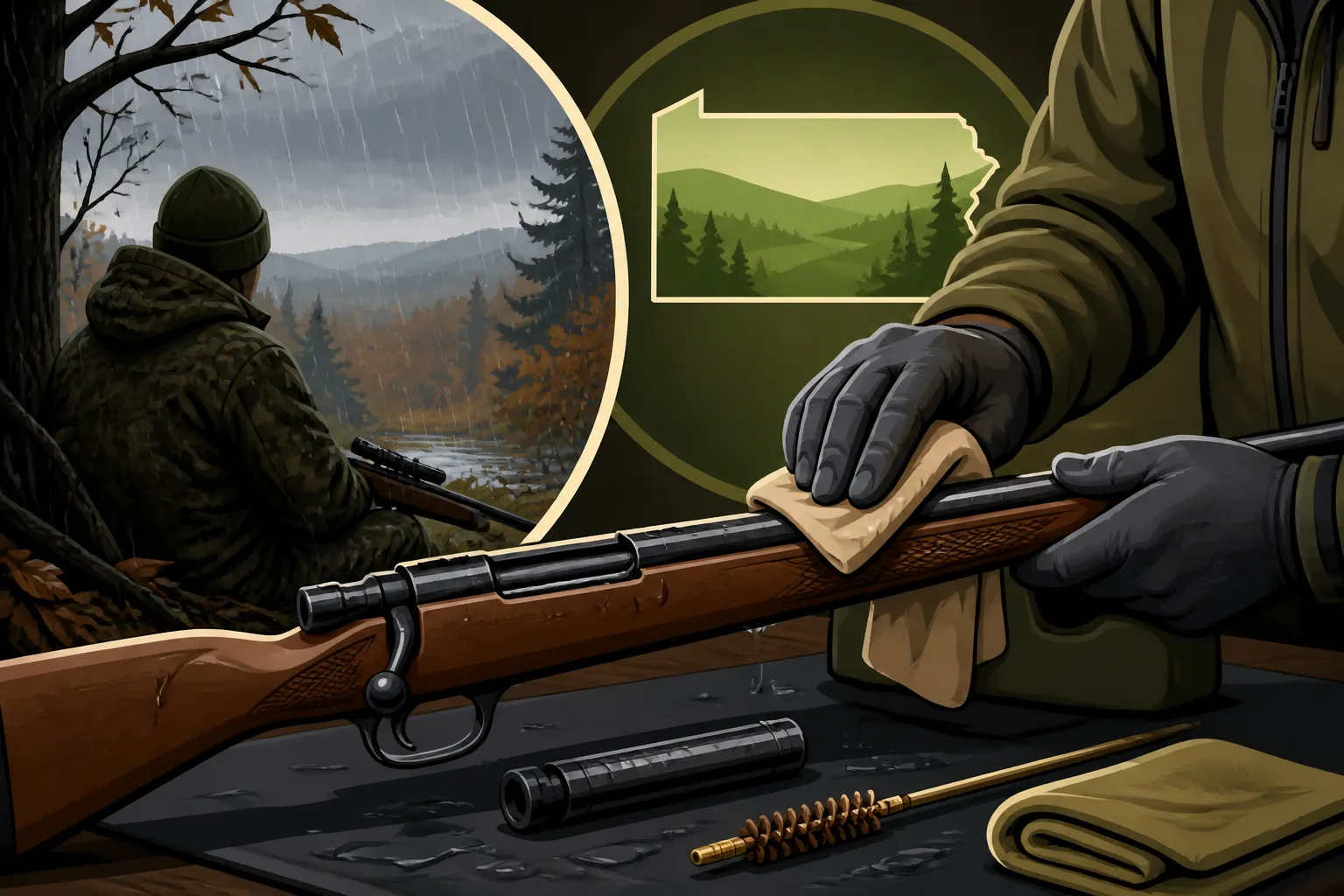
Oh, the joy of a perfect hunting day in Pennsylvania! Crisp air, golden leaves, the whisper of the wind through the hemlocks… and then it rains. Or sleets. Or you slip into a creek bottom on a still-hunt. Suddenly, that carefully zeroed rifle that felt so good in your hands is soaked, gritty, and silently, insidiously, a target for rust. It's a frustrating reality for any hunter, especially when you've invested time, effort, and hard-earned money into your firearm. This isn't just about aesthetics; a wet rifle can lead to serious operational issues, impacting accuracy and reliability when it matters most. This comprehensive guide is here to walk you through exactly how to properly clean and care for your rifle after a wet sit, ensuring it's ready and reliable for your next Pennsylvania adventure, no matter what Mother Nature throws your way.
The Inevitable: Why Your Rifle Gets Wet in Pennsylvania
Let's be honest, Pennsylvania's weather is as unpredictable as a mature buck's midday movements. One minute you're enjoying a crisp, clear autumn morning, and the next, a cold rain is soaking you to the bone. From the rolling farmlands of the southeast to the vast Hunting Pennsylvania Big Woods for Deer of the north-central mountains, moisture is a constant companion during hunting season. It's not just rain, either; morning dew, melting snow, or even the heavy fog that settles in low-lying areas can leave your rifle glistening with moisture.
Understanding Pennsylvania's Weather Challenges
Imagine setting up for an all-day sit in a treestand, hoping to catch a cruising buck during Hunting the Peak Rut Week in Pennsylvania. You've layered up with your best Clothing for a Pennsylvania December, feeling prepared for anything. Then, an unexpected drizzle turns into a steady downpour. Or maybe you're out for Flintlock and Muzzleloader Deer Hunting in Pennsylvania in January, and the snow starts to melt, running down your barrel. These aren't isolated incidents; they're common scenarios for Pennsylvania hunters. The fluctuating temperatures, particularly in late fall and early winter, often mean going from dry cold to wet and humid conditions within hours. This constant exposure to moisture, combined with temperature changes, creates an ideal environment for rust to form on unprotected metal surfaces.
Even if you're meticulously cautious, a simple walk through damp brush or tall, wet grass after a morning rain can leave your rifle covered in droplets. The dense cover often found on Pennsylvania Game Lands can be particularly good at holding moisture, transferring it directly to your gear as you push through. It’s part of the challenge and charm of hunting in the Northeast, but it also demands diligence in gear maintenance. You can't control the weather, but you can control how you respond to its effects on your firearm.
The Impact of Moisture on Firearms
The primary enemy of a wet rifle is rust. Rust is simply oxidized metal, and it begins to form surprisingly quickly when moisture meets steel, especially if there's any surface damage or previous corrosion. Initially, it might just be a light film, but if left untreated, it can pit the metal, weaken springs, seize moving parts, and dramatically affect the performance and safety of your firearm. Beyond rust, moisture can also carry dirt, grit, and organic matter into the intricate mechanisms of your rifle. Mud, tiny bits of leaves, or even pine needles can work their way into the action, trigger group, or magazine well.
Consider a scenario: you're out Hunting Pennsylvania's Uninterrupted Firearms Season, and after a damp morning, you take a shot. The combination of moisture and fouling from the fired round can accelerate corrosion within the bore, degrading accuracy over time. Water can also seep into the stock, especially if it's wood, causing it to swell, warp, or crack, which can also impact accuracy. Even synthetic stocks, while generally impervious to water, can harbor moisture in crevices or beneath recoil pads, leading to rust on underlying metal components. Optics, too, suffer; fogging is an immediate concern, but long-term moisture can damage internal coatings or even lead to mildew growth inside the sealed housing, ruining your expensive Optics for Pennsylvania Timber Hunting. Ignoring a wet rifle after a hunt is like leaving a leaky boat unattended – eventually, you'll have a much bigger problem on your hands.
Immediate Field Care: Preventing the Worst After a Wet Sit
You’ve just returned from a long, wet sit in the woods. The temptation might be to kick off your Boots and Packs for Steep Country, grab a hot coffee, and postpone the rifle care until tomorrow. Resist that urge! The immediate actions you take can make all the difference in preventing serious damage to your firearm. This isn't about a full breakdown and deep clean just yet, but rather a quick triage to stabilize the situation.
The First Line of Defense: External Wipe-Downs
As soon as you're out of the elements, or at least in a sheltered area like your truck or camp, grab a clean, dry rag or a few paper towels. Your first priority is to wipe down every external metal surface of your rifle. Start with the barrel, working from the muzzle back towards the receiver. Don't forget the receiver itself, the bolt handle, the trigger guard, and any exposed screws or pins. The goal here is to remove visible moisture, dirt, and any obvious grit. Pay particular attention to areas where metal meets wood or synthetic stocks, as water often collects in these seams.
This initial wipe-down isn't just about drying; it's also about preventing mud or fine particulate matter from being dragged into the action or under the scope mounts. For those hard-to-reach spots, like around the bolt release or safety lever, a cotton swab or a corner of a paper towel can be invaluable. Don't worry about getting everything perfectly dry at this stage, but aim to get rid of the bulk of the moisture. This simple step can dramatically slow down the onset of rust and keep superficial corrosion at bay. Think of it as patching a small leak before it becomes a flood.
Clearing the Barrel and Action: Essential Early Steps
Once the exterior is addressed, turn your attention to the barrel and action. While you might not be doing a full bore cleaning right here, you need to ensure no large debris or standing water is present. If you have a bore snake and a small bottle of gun oil in your pack—and honestly, every hunter should—now is the time to use it. Run the bore snake through the barrel a couple of times. This will help to push out any moisture, dirt, or loose powder residue. It's a quick and easy way to provide some basic internal protection.
Next, open the action. For a bolt-action rifle, cycle the bolt a few times, inspecting the chamber and bolt face for any visible moisture or debris. Wipe down the bolt itself, especially the locking lugs and extractor. For a semi-automatic or lever-action, work the action repeatedly to dislodge any water or grit that might have found its way in. A quick spray of a water-displacing lubricant, like a light gun oil, into the open action and around the trigger group can also be a good idea at this stage, but be careful not to overdo it, as some lubricants can attract dirt if applied too heavily. The key is to displace the water, not just trap it. This quick attention to the internal workings will keep things moving smoothly and prevent more serious corrosion from taking hold before you can get to a proper cleaning station.
Protecting the Optics: A Clear View is Crucial
Your scope is your window to the shot, and a fogged or water-damaged optic can render your rifle useless. After a wet sit, your Optics for Pennsylvania Timber Hunting need immediate attention. First, use a clean, soft cloth—preferably a microfiber cloth designed for optics—to gently wipe away any water droplets from the external lenses. Resist the urge to use your shirt or a rough cloth, as this can scratch the delicate lens coatings. If you have a lens pen or a small bottle of lens cleaning solution, use it sparingly.
Beyond the lenses, wipe down the body of the scope, the turrets, and the scope rings. Water can pool around these areas, leading to rust on the scope body or the ring screws. If your scope caps are wet, remove them and dry them thoroughly before putting them back on. The goal is to prevent moisture from being trapped against the metal or glass. If your scope has been submerged or heavily soaked, it's worth checking for any signs of internal fogging once you're in a warm environment. If you notice any, it might indicate a compromised seal, which would require professional service. A clear, functional scope is paramount for accurate shooting, especially when Counting Antler Points From a Stand.
Bringing it Home: Deep Cleaning Your Wet Rifle
Once you're back home and have some dedicated time, it's time to perform a thorough, deep clean. This is where you address any lingering moisture, grime, and the potential for rust that immediate field care couldn't fully mitigate. Don't rush this process; your rifle deserves careful attention.
Disassembly for Thorough Inspection: What to Look For
To truly clean a wet rifle, you need to get inside. Start by safely unloading your firearm and then fully disassembling it according to the manufacturer's instructions. This usually involves removing the bolt, separating the action from the stock, and potentially removing the trigger group. Lay out all the components on a clean, dry surface, ideally covered with a gun mat or a clean towel. This allows you to inspect every part for signs of moisture, dirt, or developing rust.
As you disassemble, pay close attention to areas that collect moisture, such as the nooks and crannies of the receiver, inside the magazine well, beneath the recoil pad, and especially any areas where different materials meet. Look for reddish-brown spots, which indicate rust, or any gritty residue. Even small amounts of debris can cause malfunctions or contribute to wear. If your rifle has a wooden stock, check for any signs of swelling, discoloration, or moisture ingress, particularly around the action and barrel channel. For hunters using resources like GoHunt to scout and plan their trips, meticulous gear inspection is another layer of preparedness, ensuring no surprises when you're deep in the woods. This detailed visual check is crucial for identifying problem areas that need extra attention during the cleaning process.
Cleaning the Bore: Eradicating Rust and Residue
The bore is the heart of your rifle's accuracy, and it's particularly susceptible to corrosion from moisture combined with powder fouling. Start by running a few patches soaked in a good quality bore cleaner through the barrel, always pushing from the breech to the muzzle if possible. Let the cleaner sit for a few minutes to break down carbon and copper fouling. Then, use a properly sized bore brush, again pushing from breech to muzzle, for several passes. Follow this with more patches until they come out clean.
After the bore cleaner, switch to a dry patch, then a patch soaked in a rust preventative or a light gun oil. This will provide a protective layer against future moisture. If you notice any faint streaks of rust in the bore, you might need a more aggressive rust remover or a bronze brush, but always proceed with caution to avoid damaging the rifling. Never use steel wool or harsh abrasives inside the bore. Proper bore cleaning not only prevents rust but also maintains the precision needed for those critical shots, whether you're targeting a deer or just out practicing to improve your Zeroing a Rifle for Woods Distances. A clean bore ensures consistent projectile flight, which is essential for ethical hunting.
The Action and Moving Parts: Smooth Operation is Key
The action of your rifle is a complex system of moving parts that needs to be clean and free of obstruction for safe and reliable operation. Use a dedicated gun cleaning solvent and brushes (nylon or bronze, depending on the material) to thoroughly clean the receiver, bolt, and trigger group. Pay special attention to the bolt face, extractor, ejector, and the locking lugs, as these areas are critical for feeding, chambering, and extracting cartridges. A good quality gun solvent will help cut through powder residue, old lubricant, and any grime that has accumulated.
Use cotton swabs, pipe cleaners, and even an old toothbrush to reach into all the crevices and internal surfaces. For the trigger group, a light spray of solvent, followed by compressed air, can help clean out internal mechanisms without full disassembly, which can be complex for some rifles. Ensure all parts are free of water and debris. Any stickiness or grittiness here can lead to cycling issues, failures to fire, or unsafe operation. A smooth, clean action is a hallmark of a well-maintained rifle, providing the reliability you depend on in the field.
Stock, Sling, and Other Accessories: Don't Forget the Details
While the metal parts of your rifle demand the most attention after a wet sit, don't overlook the stock and any attached accessories. For wooden stocks, if it's damp, wipe it down thoroughly with a dry cloth and allow it to air dry slowly in a well-ventilated area, away from direct heat sources. Rapid drying can cause warping or cracking. Once dry, you might want to apply a good quality gun stock wax or oil to nourish the wood and provide some water resistance. Check for any hairline cracks that moisture might exploit in the future.
Synthetic stocks are generally easier to clean; a simple wipe-down with a damp cloth (if still dirty) followed by a dry one is usually sufficient. Inspect for any trapped debris underneath the recoil pad. Your sling, if it's leather or fabric, needs to be dried as well to prevent mildew or rot. Remove it from the rifle, wipe it clean, and let it air dry completely. Consider treating leather slings with a conditioner. Any other accessories, like bipods or detachable magazines, should also be cleaned and dried to prevent rust or malfunction. Even small items like your Field Dressing Knives Worth Carrying can become rusty if neglected after a wet hunt, so applying the same principles of cleaning and drying to all your gear is a good habit.
Drying, Lubrication, and Storage: The Final, Critical Steps
You've cleaned your rifle thoroughly, and now you're in the home stretch. These final steps are just as crucial as the cleaning itself to ensure your firearm is fully protected and ready for its next outing. Proper drying, appropriate lubrication, and smart storage will keep your rifle in prime condition for years to come.
Ensuring Complete Dryness: Patience is a Virtue
After cleaning, it's absolutely vital to ensure every component of your rifle is completely dry before applying lubricants or reassembling. Even a tiny, hidden droplet of water can lead to rust. Air drying is usually the best method. Lay out all the disassembled components on a clean, absorbent cloth in a well-ventilated area. Avoid placing them in direct sunlight or using artificial heat sources like hair dryers, as extreme temperatures can damage finishes or warp materials. Let them sit for several hours, or even overnight, especially if they were heavily soaked.
For difficult-to-reach areas, like inside the trigger housing or the recesses of the receiver, compressed air can be a huge asset. A can of compressed air (the kind used for electronics) can effectively blow out any remaining moisture from tight spots. Once you're confident everything is bone dry, give each component one final wipe with a clean, dry cloth to remove any dust that might have settled during the drying process. This meticulous approach to drying is your best defense against insidious rust that can form in unseen places.
Choosing the Right Lubricants for Protection
With your rifle sparkling clean and dry, it's time to lubricate. Lubrication serves two critical purposes: it ensures smooth operation of moving parts and provides a protective barrier against moisture and corrosion. Not all lubricants are created equal, and the right choice depends on your rifle and the conditions it will face. A thin coat of a good quality gun oil is usually sufficient for most parts. Apply it sparingly; more is not always better. Excessive oil can attract dust and grime, creating a sticky mess that can hinder performance.
For the bore, after cleaning, a patch with a light coat of a rust-preventative oil should be run through. For the bolt and other sliding metal-on-metal parts, a slightly heavier lubricant or gun grease might be appropriate, especially in cold weather where lighter oils can thin out. Always check your rifle's manual for specific lubrication recommendations. Many hunters find that a product combining a cleaner, lubricant, and protectant (CLP) is a convenient option. Brands like Break-Free CLP or Hoppe's offer excellent protection. Remember, the goal is a thin, even film, not a sticky coating. A properly lubricated rifle cycles reliably, and its components move without undue friction, which is essential when you're making a Cold Weather Sitting Strategy where every movement counts.
Proper Storage for Longevity and Readiness
Once your rifle is clean, dry, and lubricated, proper storage is the final step to ensuring its longevity and readiness for the next hunt. Store your rifle in a dry, temperature-controlled environment. A gun safe is ideal, offering both security and protection from environmental factors. Avoid storing your rifle in soft cases for extended periods, especially if there's any residual moisture. Soft cases can trap humidity against the metal, leading to rust. If you must use a soft case for transport, make sure the rifle is completely dry before placing it inside, and remove it as soon as you arrive home.
Consider using a dehumidifier or desiccant packs inside your gun safe or cabinet, particularly in humid environments common throughout Pennsylvania. These products absorb moisture from the air, creating a drier microclimate for your firearms. When storing a rifle for a long period, especially after a rough season, a more generous application of a protectant like Cosmoline or a heavy gun grease might be warranted on external metal surfaces, but always remember to clean it off before shooting. Whether you're planning your next big woods adventure with GoHunt or simply heading out for an afternoon sit, knowing your rifle is clean, protected, and ready offers immense peace of mind. Consistent care, especially after wet conditions, will keep your rifle a reliable partner in the field for many seasons to come.
| Cleaning Step | Immediate Field Care (Wet Sit) | Deep Clean (At Home) |
|---|---|---|
| External Surfaces | Wipe with dry rag/paper towel | Disassemble, wipe with solvent & cloth |
| Bore | Run bore snake (optional oil) | Solvent, brush, patches, oil |
| Action & Moving Parts | Cycle action, light wipe, spray oil | Disassemble, solvent, brushes, wipe |
| Optics | Soft cloth wipe, check for fog | Soft cloth wipe, lens cleaner |
| Stock/Sling | Wipe dry, air dry | Clean, dry, condition (wood) |
| Drying | Manual wipe | Air dry completely (hours/overnight) |
| Lubrication | Light spray oil (metal) | Specific gun oil/grease (sparingly) |
| Storage | Not for storage | Dry safe, dehumidified, no soft cases |
Disclaimer
This article is for general informational purposes only and does not constitute professional advice. Laws, prices and regulations vary by location and change over time. Consult a qualified professional for guidance on your specific situation.