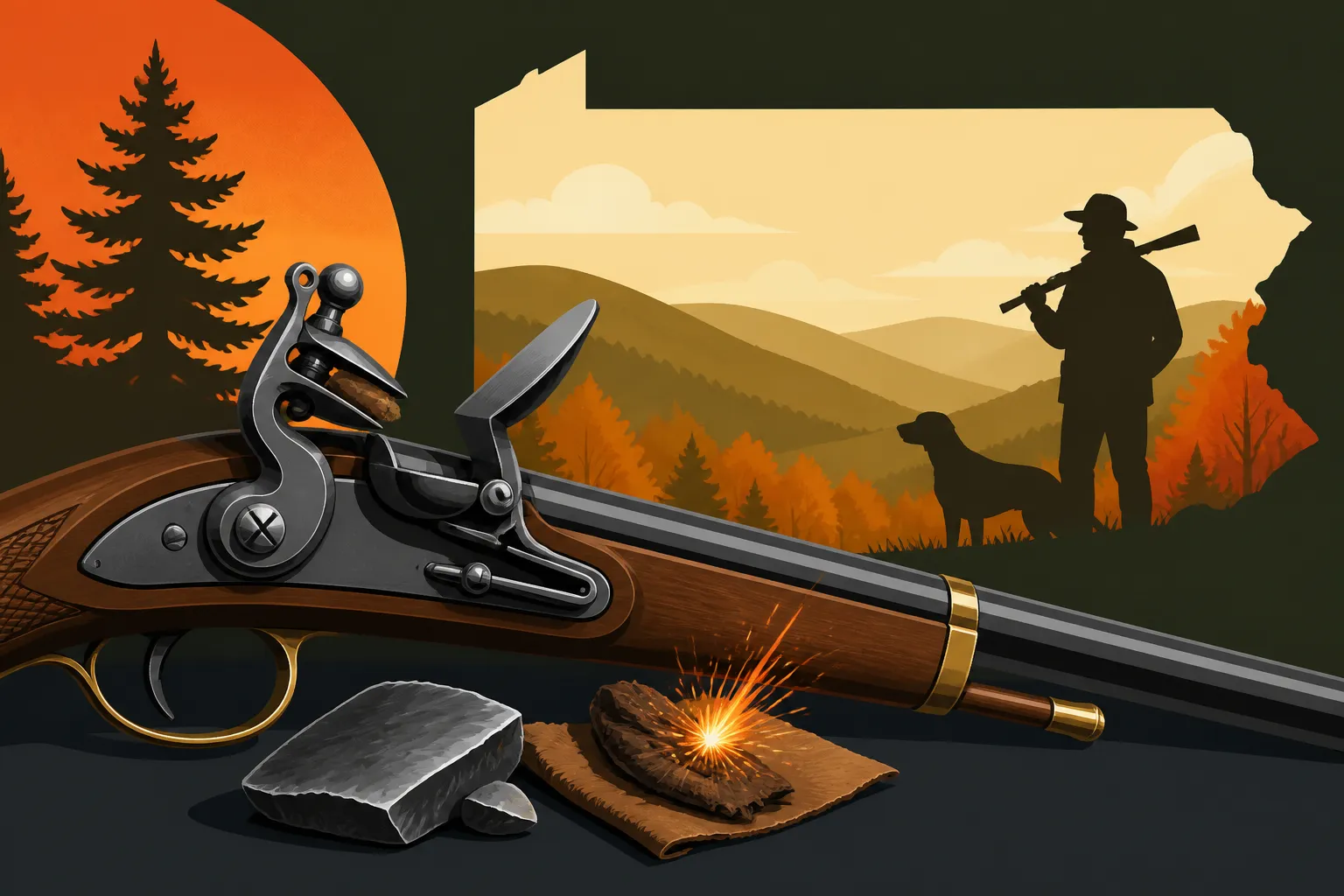
Flints, Frizzens and Reliable Ignition
There's nothing quite like the crack of a flintlock echoing through the frozen Pennsylvania woods, but there are few things more frustrating than raising your meticulously prepared rifle to a deer, pulling the trigger, and getting nothing but a dull click or a flash in the pan. We've all been there, and it's enough to make you second-guess your dedication to traditional hunting. This guide will walk you through the often-overlooked components and crucial techniques for achieving truly reliable ignition with your flintlock, ensuring your next shot is a successful one.
Understanding the Core Components of Flintlock Ignition
Getting a flintlock to fire consistently is an art, but it's an art built on science and meticulous attention to detail. Every part of the ignition system plays a critical role, and neglecting just one can lead to heartbreaking misfires when it matters most. Let's break down these essential components.
The Flint: Heart of the Spark
At the very core of your flintlock's ability to ignite is the flint itself. This seemingly simple piece of stone is responsible for striking sparks that will, hopefully, set off your priming powder. Not all flints are created equal, though. You'll typically find flints categorized by their origin, like English, French, or even various types of local chert. English flints are often prized for their durability and sharp edges, capable of throwing a consistent shower of hot sparks. French flints, while sometimes more brittle, can also perform exceptionally well. Local chert, found in different parts of the world, varies widely in quality. A good flint will have razor-sharp edges and a consistent hardness that resists crumbling too quickly.
The critical importance of a sharp edge cannot be overstated. A dull or rounded flint edge won't bite into the frizzen steel effectively, leading to weak, sparse, or even no sparks at all. This is why proper knapping – the art of shaping the flint – is so vital. Over time, even the best flint will wear down with repeated firing. You'll notice the edge rounding off, or it might chip and lose its optimal angle. Knowing when to resharpen a flint with a small piece of steel or a specialized knapping tool, or when to simply replace it, is a skill honed through experience. Imagine you're out hunting on a damp, foggy morning, a common occurrence during Flintlock Season Tactics in Pennsylvania. A high-quality, freshly knapped flint is your best friend against the elements, ensuring that precious spark when moisture tries to steal your shot.
The Frizzen: The Steel Striker
If the flint is the heart, the frizzen is the anvil against which that heart beats. This curved piece of hardened steel, which also acts as the pan cover, is where the flint strikes to shear off sparks. The quality of your frizzen's steel is paramount. A frizzen made from good, properly hardened steel will produce a loud "ring" when struck by a flint, indicating it's hard enough to create excellent sparks. Conversely, a soft frizzen will often produce a dull "thud" and show excessive pitting and wear after only a few shots, leading to an inconsistent spark production.
The face of the frizzen, where the flint makes contact, needs to be clean, smooth (yet hardened), and free of deep pits or gouges. Pitting can occur from repeated strikes, especially if your flint is dull or incorrectly angled. A pitted or excessively worn frizzen face reduces the surface area for the flint to scrape, resulting in fewer, weaker sparks. Some hunters will occasionally "true up" or lightly file a worn frizzen face, but this should be done with extreme caution as it can remove the hardened outer layer of steel. Consider a scenario where you've spent weeks scouting, found the perfect spot for Hunting the Second Week of Rifle Season, and then, when your moment comes, a worn frizzen only gives you a meager puff of smoke. That's a memory you don't want.
The Pan and Priming Powder: Fueling the Fire
Once the flint strikes the frizzen and sends a shower of sparks into the pan, the next crucial step is for those sparks to ignite the priming powder. The pan itself is designed to hold a small charge of very fine black powder, typically FFFFg (4Fg). This fine powder ignites very quickly, sending a flash of flame through the touch hole, a small hole connecting the pan to the main powder charge in the barrel. The touch hole needs to be clear and precisely sized – too small, and the flame struggles to get through; too large, and it can bleed pressure from your main charge, reducing velocity.
Proper priming is key. You want enough powder in the pan to reliably catch a spark, but not so much that it overflows or creates a huge, slow-burning flash. Over-priming can result in a delayed ignition or even a "flash in the pan" where the priming powder burns but fails to ignite the main charge. Under-priming, on the other hand, means there might not be enough fuel to catch the spark, leading to a complete misfire. Many traditionalists will carry a small priming horn or flask dedicated solely to FFFFg powder, ensuring a consistent and fresh supply. Imagine using a coarse powder from your main charge in the pan—the slower burn might lead to a perceptible delay, causing you to flinch or the deer to move. This is why having the right, fine powder is so important for immediate and reliable ignition.
Techniques for Maximizing Ignition Reliability in the Field
Having the right components is only half the battle. Knowing how to properly prepare and maintain your flintlock, especially when you're out in the unpredictable Pennsylvania woods, is what truly sets a successful hunter apart.
Preparing Your Flintlock for the Hunt
Before you even step foot into the timber, thorough preparation of your flintlock is non-negotiable. This isn't like a modern centerfire rifle where you can pull it out of the safe, load it, and go. Every part of the ignition system needs attention. Start with a meticulous cleaning. Ensure the pan, frizzen, and touch hole are spotless. Any residue or oil can hinder spark production or powder ignition. For inspiration on the overall setup, you might find guidance in articles discussing Flintlock Rifles and Loads.
Next, inspect your flint. Is it sharp? Is it seated securely in the vise jaws? The flint should be clamped tightly, angled slightly downward so that its sharp edge strikes the frizzen about two-thirds of the way up its face. A loose flint can shift on impact, resulting in a weak strike or even falling out entirely. After cleaning and seating the flint, do a few dry fires (with a leather pad over the frizzen to protect it) to ensure a strong, crisp spark. Listen for the satisfying "clack" of the hammer and the shower of sparks. This pre-season check-up can save you from discovering a critical flaw when a big buck steps out. I once spent an evening before an early season hunt adjusting my flint's angle, realizing it had become slightly canted. That simple fix prevented what would have been a frustrating misfire the very next morning.
Weatherproofing Your Flintlock
Pennsylvania weather can be notoriously fickle, especially during the colder hunting seasons. One moment it's dry and crisp, the next you're hunting in a sleet shower. Moisture is the arch-nemesis of flintlock reliability. Even a small amount of dampness in your priming powder or main charge can turn a fiery ignition into a frustrating fizzle. This is why weatherproofing isn't just a good idea; it's absolutely essential.
Many traditional hunters utilize pan covers, often made of leather or rubber, that fit snugly over the pan and frizzen. These are removed just before the shot. The way you carry your rifle also matters. Keep the pan pointed down as much as possible to prevent rain or snow from falling directly into it. When sitting, use your body to shield the lock from the elements. While hunting, it's wise to carry your priming powder in a small, waterproof container, and only prime the pan when you anticipate a shot. This meticulous approach is key to Keeping a Flintlock Dry in Wet Weather. Whether you're dealing with Flintlock Hunting in Pennsylvania Snow or just a persistent drizzle, a proactive approach to moisture management will dramatically improve your chances of a successful hunt.
Field Maintenance and Troubleshooting
Even with the best preparation, things can go wrong in the field. A flint might chip, the touch hole might get fouled, or your powder might somehow get damp. Being able to quickly diagnose and remedy these issues can save your hunt. Always carry spare flints – perhaps two or three – along with a small piece of steel or a specialized knapping tool for quick resharpening. A small, stiff brush is excellent for clearing powder residue from the pan and frizzen face.
One of the most common issues is a clogged touch hole, which can lead to a dreaded "flash in the pan." Always carry a touch hole pick or vent pick. If you experience a flash in the pan, carefully remove any remaining powder from the pan, gently insert the pick into the touch hole from the outside, and twist it to clear any blockage. Be gentle; you don't want to enlarge the hole. If you're using a quality flintlock, companies like Thompson/Center often provide durable components, and resources available through platforms like GoHunt can offer fantastic instructional videos or articles on flintlock maintenance, helping you troubleshoot on the fly. Knowing these little tricks can turn a potentially ruined hunt into a successful one.
Common Ignition Problems and How to Solve Them
When your flintlock doesn't bark as expected, it's typically one of a few common problems related to the ignition system. Knowing what to look for can save you a lot of headache and ensure you're ready for your next opportunity.
Weak or Non-existent Sparks
This is perhaps the most fundamental problem: the flint strikes, but you see little to no spark, or the sparks are weak and quickly die out. This issue almost always traces back to your flint or frizzen.
| Problem | Likely Cause(s) | Solution(s) |
|---|---|---|
| No sparks/Weak sparks | Dull flint edge | Resharpen flint edge with a knapping tool or fine file; replace flint |
| Loose flint in vise jaws | Tighten vise jaws securely; adjust flint angle | |
| Worn or soft frizzen steel | Lightly abrade frizzen face with fine sandpaper; replace frizzen | |
| Flint positioned incorrectly (too high/low) | Adjust flint in jaws to strike center-to-upper frizzen face | |
| Flash in the pan (no main) | Clogged touch hole | Clear touch hole with a vent pick |
| Insufficient or damp priming powder | Re-prime with fresh FFFFg powder; use pan cover in wet weather | |
| Main charge damp or improperly seated | Reclean barrel; ensure powder is dry and fully seated against bullet | |
| Slow lock time / Hangfire | Damp priming powder or main charge | Use fresh, dry powder; ensure touch hole is clear |
| Coarse priming powder (e.g., FFFg instead of FFFFg) | Use FFFFg powder specifically for the pan | |
| Weak mainspring | Inspect and replace mainspring if necessary (consult gunsmith) |
If your flint is dull, it won't bite into the frizzen steel properly. The solution is straightforward: resharpen it or replace it. Carry a small knapping tool or even a fine file to put a fresh edge on the flint in the field. Another common culprit is a loose flint, which can shift or wobble upon striking, preventing a solid, spark-producing impact. Always ensure your flint is held rock-solid in the vise jaws of the hammer. Finally, a worn-out or soft frizzen can be the cause. Over time, even good steel will wear, and if your frizzen isn't hardened properly, it will quickly develop pits and grooves. If your frizzen isn't throwing good sparks after addressing the flint, it might be time for an upgrade.
Flash in the Pan (No Main Charge Ignition)
This is a particularly disheartening event: you pull the trigger, the pan ignites with a satisfying flash, but the main charge in the barrel fails to fire. This often means your main charge isn't getting ignited. The most common reason for a flash in the pan is a clogged touch hole. Even a tiny speck of unburnt powder or residue can block the flash from reaching the main powder. A good quality vent pick is indispensable for clearing this blockage. After a flash in the pan, always use your pick to ensure the touch hole is clear before re-priming.
Another cause can be insufficient or damp priming powder. If there's not enough priming powder, or if it's gotten damp, the flash might not be strong or long-lasting enough to ignite the main charge, especially if it's also a bit damp. Always ensure your priming powder is fine (FFFFg) and kept dry. Sometimes, the main charge itself can be the issue, either being damp or improperly seated, creating an air gap between the powder and the bullet. This is why a proper loading sequence and keeping your powder dry are absolutely crucial for Flintlock Season Tactics in Pennsylvania.
Slow Lock Time and Hangfires
A "slow lock time" refers to a noticeable delay between the fall of the hammer and the ignition of the main charge. A "hangfire" is an extreme version of this, where the delay is so significant you might drop the gun or even hear the shot go off moments after you've lowered the rifle. Both are dangerous and can lead to missed shots.
The primary cause of slow lock time or hangfires is typically damp powder – either in the pan or the main charge. If your priming powder is slightly damp, it will burn slower. The same goes for your main charge. Always store your black powder in a cool, dry place and keep it sealed. Ensure you're using FFFFg in the pan; coarser FFFg, while suitable for many main charges, is too slow for priming. Another less common but serious cause can be a weak mainspring in your lock. If the hammer isn't striking the frizzen with sufficient force, the flint might not generate hot enough sparks, or the pan might not open with enough speed to contain the flash. Resources like GoHunt often have detailed articles on assessing and replacing mainsprings, or you can consult a reputable gunsmith. Imagine waiting for that buck to clear the brush, finally getting a clear shot, pulling the trigger, and then experiencing that agonizing, split-second delay. It’s enough to make your heart jump out of your chest.
Choosing Quality Components for Peak Performance
When it comes to flintlocks, you truly get what you pay for. Skimping on the critical ignition components can lead to endless frustration and missed opportunities. Investing in high-quality parts is an investment in reliability and confidence in the field.
Selecting the Right Flint
Don't underestimate the impact of a good flint. While you might be tempted by cheaper options, a high-quality flint, such as an English or French agate, will provide more consistent sparks and last longer. When choosing a flint, consider its material, sharpness, and size. The size needs to be appropriate for your lock; a flint that's too small won't get enough leverage in the vise, and one that's too large might not fit or could cause improper striking. Look for flints with clean, sharp edges and a consistent dark color, which often indicates good quality.
While local chert can sometimes work, its hardness and flaking properties can vary wildly, leading to unpredictable performance. For serious hunting, especially if you're targeting deer during Late Antlerless Hunting in Pennsylvania when conditions can be harsh, a reliable, durable flint is non-negotiable. Many traditional muzzleloader suppliers offer premium flints specifically for hunting.
Frizzen Quality Matters
A soft frizzen is a liability. It will quickly pit and wear, leading to poor spark production and endless frustration. When selecting a frizzen, look for one made from properly hardened tool steel. Some manufacturers even offer cryo-treated frizzens, which boast superior hardness and longevity. The "ping" or "ring" test – gently tapping the frizzen with a small metal object – can sometimes give you a crude indication of its hardness. A clear, resonant ring is generally better than a dull thud.
The interaction between the flint and frizzen is a finely tuned dance. A high-quality frizzen will allow your good flint to shear off hot sparks with minimal effort and wear. If you're constantly fighting weak sparks or excessive pitting, upgrading your frizzen might be the single best investment you can make for your flintlock's reliability. For specific recommendations or to explore options, resources found on GoHunt or specialized traditional muzzleloader forums are often invaluable. Knowing that your Choosing a Flintlock for Pennsylvania involves reliable components is peace of mind.
Priming Powder and Touch Holes
The choice of priming powder seems simple, but it's another area where attention to detail pays off. Always use FFFFg (4Fg) black powder for priming. Its fine granulation means it ignites very quickly, delivering a swift flash to the main charge. Do not use FFFg (3Fg) or coarser powders for priming; they burn too slowly and are a common cause of hangfires and flashes in the pan. Keep your priming powder in a dedicated, small, waterproof container to ensure it stays absolutely dry and fresh.
Finally, consider your touch hole. It’s a small component, but critically important. The touch hole should be clear and of the correct diameter for your rifle. Over time, touch holes can wear or become slightly obstructed. Some flintlock enthusiasts replace their touch holes periodically for optimal performance. You can find specialized touch hole liners that are engineered for superior ignition. Making sure this small but mighty passageway is clean, clear, and appropriately sized will tie your entire ignition system together, ensuring that when your flint delivers its spark, the fire is truly set.
Disclaimer
This article is for general informational purposes only and does not constitute professional advice. Laws, prices and regulations vary by location and change over time. Consult a qualified professional for guidance on your specific situation.