Bird Dog Boots and Cut Pads
Few things are more heartbreaking for a bird dog owner than seeing their partner limping back to the truck, pads torn and bleeding, after a hard day’s hunt. Pennsylvania's diverse landscapes, from the sharp shale of the mountains to the frozen stubble of agricultural fields, are incredibly tough on canine paws. This guide will walk you through everything you need to know about protecting your bird dog's feet with boots and proper care, ensuring they can hunt hard and long, season after season.
Why Your Bird Dog Needs Boots for Pennsylvania Terrain
Pennsylvania offers some incredible hunting opportunities, but it’s not always a gentle landscape underfoot. Our fields, forests, and thickets are full of hidden dangers for a dog's paws, and a single cut or abrasion can quickly sideline your best hunting companion. Proactive protection isn't just about preventing injury; it's about extending their career and ensuring their comfort.
The Unforgiving Nature of Pennsylvania's Outdoors
Think about the sheer variety of ground your dog covers in a single day of hunting here. One minute, they might be tearing through a Grouse Hunting Pennsylvania Cover of multiflora rose and hawthorn thickets, where thorns can easily puncture delicate pads. The next, they're navigating a rocky streambed or scrambling over shale slides in big woods country, where sharp edges and abrasive surfaces grind down their skin. Then, as the seasons change, they might be slogging through frozen mud, icy crusts, or even standing corn stubble that can be like razor blades.
Even seemingly innocuous terrain can be problematic. Long stretches of dry, hard ground, like those found when Hunting Pressure on Pennsylvania Game Lands leads you deeper into less-traveled areas, can cause pads to crack and become painfully sore. If you’re hunting in areas recently timbered, there might be sharp branches and stumps just waiting to catch an unwary paw. All these elements combined mean that a dog’s natural paw pads, while tough, often aren't enough to withstand the cumulative assault of a full Pennsylvania hunting season.
Common Paw Injuries and Their Consequences
The most frequent culprits we see are cuts and punctures. A sharp stick, a piece of glass, or a metal shard can easily get embedded, leading to infection if not treated promptly. Abrasions are also common, especially after a long day on rough surfaces; these are essentially road rash for paws, wearing away the outer layer of skin and exposing sensitive tissue. Think of trying to Rabbit Hunting Thick Brush and Briars for hours on end, and you can imagine the scrapes.
Beyond cuts and abrasions, we also need to consider less obvious issues. Extreme cold can lead to frostbite, especially for dogs that are new to prolonged exposure or have thinner fur between their toes. Conversely, hunting early in the season on hot days can lead to pads overheating and burning on sun-baked rocks or pavement near parking areas. If a dog pulls a nail or tears a dewclaw, that's also a significant setback. Any of these injuries can lead to lameness, require veterinary intervention, and unfortunately, put a swift end to your dog's hunting days until fully healed, which can take weeks.
Enhancing Performance and Longevity Afield
When your dog's paws are protected, they can hunt with more confidence and less hesitation. They won't be picking their way gingerly through cover, worrying about the next thorn or sharp rock. This translates directly to better performance, as they can focus on their job – finding and flushing game – rather than managing pain or discomfort. It means they can maintain their speed and stamina throughout the day, whether you're chasing ringnecks in a Hunting Stocked Pheasants in Pennsylvania field or looking for grouse in dense cover.
Furthermore, investing in good paw protection is an investment in your dog's long-term health and hunting career. By preventing chronic issues like repeated cuts, persistent soreness, or even early-onset arthritis from years of unprotected impact, you're ensuring your companion remains healthy and enthusiastic about hunting for many seasons to come. It allows them to enjoy the pursuit, and you to enjoy their company, without the constant worry of injury.
Choosing the Right Bird Dog Boots for the Hunt
With so many options on the market, picking the right boots can feel overwhelming. It's not a one-size-fits-all situation, as different dogs and different hunting conditions in Pennsylvania will call for specific features. The key is to balance durability, comfort, and appropriate traction for the environments you frequent most.
Understanding Boot Materials and Durability
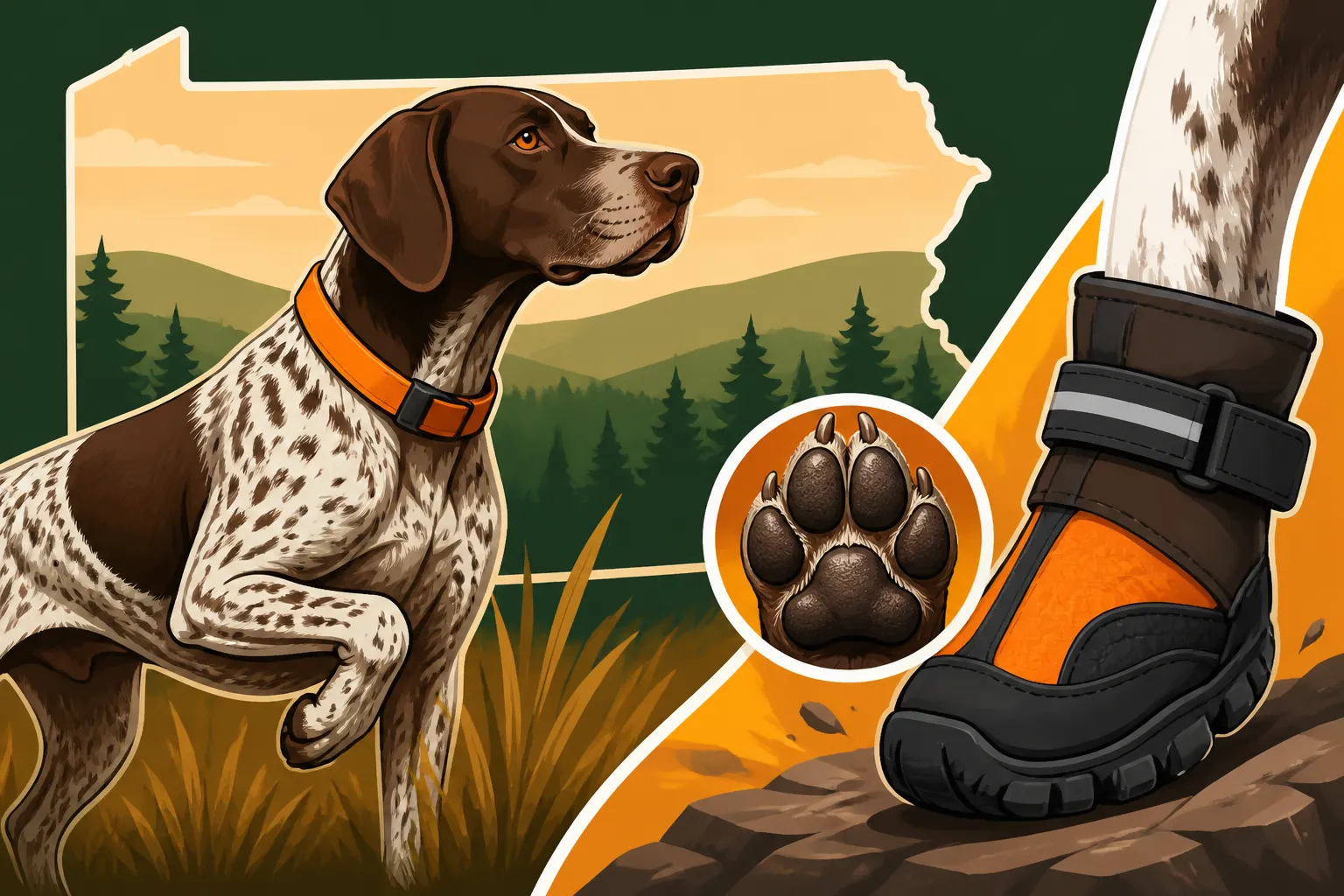
The material of the boot is paramount. You want something that can stand up to the punishment of thick cover, sharp rocks, and wet conditions. Many quality boots feature rugged Cordura or ballistic nylon for the upper portion, offering excellent tear and abrasion resistance. Some even incorporate leather for added durability and a more natural feel, though leather often requires more breaking in. For truly harsh conditions, look for boots with reinforced stitching and toe caps, as these areas take the brunt of impact.
Consider also the climate you’ll be hunting in. For colder weather, some boots offer neoprene or fleece lining, providing insulation against snow and ice. However, in warmer early season hunts, this can cause overheating and sweating, leading to rubs. For those situations, a more breathable, unlined material is better. The best approach is to consider your primary hunting conditions and choose materials designed for those specific challenges, rather than assuming one boot will do it all. You might find yourself needing a couple of different sets for different seasons.
Sole Traction for Diverse Hunting Conditions
Just like your Boots for Pennsylvania Mountains need aggressive tread, your dog's boots need soles designed for grip. The sole material and tread pattern are critical for preventing slips and falls on various surfaces. Rubber soles are common, offering good grip and durability. Look for soles with multi-directional lugs or patterns that can shed mud and snow effectively. A deep, aggressive tread is vital for navigating steep, leaf-covered slopes or crossing icy patches that are common during late-season hunts.
If you're primarily hunting rocky, uneven ground, a stiffer, more protective sole can prevent bruising and absorb impact. For wet, muddy fields, a flexible sole with good siping can provide better traction. Some specialized boots even offer reinforced soles made from tougher, puncture-resistant materials for extreme protection against sharp debris. When planning your hunting adventures, perhaps using a tool like GoHunt to scout various terrain types, make a note of the ground conditions you expect to encounter, and match the boot's sole to those needs.
Secure Fit and Design Considerations
A boot is only effective if it stays on and doesn't cause discomfort. This is where design and closure systems come into play. Many boots rely on Velcro straps, which are easy to adjust and can provide a snug fit. However, Velcro can collect burrs and debris, and over time, may lose its grip. Some designs incorporate elastic bands or toggles to cinch the boot more securely around the ankle, preventing it from slipping off.
Look for boots that extend high enough on the leg to prevent debris from entering but aren't so tall that they restrict movement. Some boots come in sets of four identical boots, while others offer different sizes for front and hind paws, which can be beneficial as many dogs have larger front paws. The overall shape should allow for natural paw flexion and not pinch toes or rub against dewclaws. Pay attention to reflective elements if you hunt in low light, and ensure any seams are smooth and won't cause chafing during extended periods of activity.
Getting the Perfect Fit and Maintaining Your Dog's Boots
Having the right boots is only half the battle; ensuring they fit correctly and are properly maintained is just as crucial. A poorly fitting boot can cause more problems than it solves, leading to rubs, blisters, and frustration for both you and your dog.
Accurate Sizing and Initial Break-In
Measuring your dog's paws is the first, most important step. Don't just guess. Have your dog stand on a piece of paper, trace their paw (including the nails), and then measure the widest part and the length. Compare these measurements to the manufacturer's sizing chart. Remember, a common mistake is ordering too small, thinking a snug fit is best. Too tight can restrict circulation and cause blistering. Too loose, and the boots will twist, rub, or fall off. If possible, consider measuring both front and back paws, as they often differ in size.
Once you have the boots, don't just throw them on your dog on opening day. Introduce them gradually. Start with short wear times around the house, offering plenty of positive reinforcement and treats. Take your dog for short walks in them, gradually increasing the duration and terrain difficulty. This allows your dog to get used to the sensation and allows the boots to soften and mold slightly to their paws. Just like a new pair of hiking boots for humans, a good break-in period is essential to prevent hot spots and discomfort when it really counts.
Cleaning, Storage, and Repair for Extended Use
After every hunt, or at least regularly, take the time to clean your dog’s boots. Mud, burrs, dirt, and even game blood can accumulate, which can degrade the materials and harbor bacteria. A simple rinse with water, perhaps with a mild soap, is usually sufficient. Make sure to thoroughly dry the boots, especially if they have any fabric components, to prevent mildew and unpleasant odors. Leaving them damp can also make them stiff and uncomfortable for the next use.
Proper storage is key to extending their lifespan. Keep them in a cool, dry place, away from direct sunlight, which can break down materials like rubber and Velcro. If straps are removable, take them off and clean them separately. Regularly inspect the boots for signs of wear and tear, like loose stitching, thinning soles, or frayed straps. Many brands offer repair kits or replacement parts, and addressing minor issues promptly can prevent them from turning into major problems that require purchasing a whole new set. It's a small investment in time that pays off in durability.
Preventing Rubs and Discomfort
Even with a perfect fit and careful break-in, some dogs are prone to rubs, particularly on the sensitive skin above the paw or around the dewclaws. Just like you might wear Brush Pants for Pennsylvania Briars to protect your legs, your dog might benefit from additional layers inside their boots. Thin dog socks, especially those made from moisture-wicking materials like merino wool, can provide an extra barrier against friction. These socks can also help keep dirt out and provide a little extra insulation in cold weather.
If you notice signs of rubbing – redness, irritation, or your dog trying to chew the boots off – stop and address it immediately. It might be a sign that the boot is too loose, allowing it to shift, or too tight in one area. Adjusting the straps, trying a different size, or adding a sock layer can often resolve the issue. Pay close attention to your dog's gait and behavior while wearing boots; any unusual limping or reluctance to walk could indicate a problem that needs immediate attention. Sometimes, even the best boots won't perfectly suit every dog, and knowing when to adjust or try a different brand is crucial.
Beyond Boots: Comprehensive Paw Care and Field First Aid
While boots are a fantastic tool, they're not a set-it-and-forget-it solution. A holistic approach to paw health involves preventative measures, constant vigilance, and knowing how to handle injuries when they inevitably occur. Even with boots, accidents can happen.
Proactive Paw Toughening and Moisturizing
Before the season even begins, you can take steps to strengthen your dog’s paw pads. Regular exercise on varied terrain helps build natural calluses. For dogs with particularly sensitive paws, there are paw toughening balms and sprays available. These products often contain ingredients that help harden the paw pads, making them more resilient to cuts and abrasions over time. Start applying them several weeks before the season opens to allow them to take effect.
Conversely, paw pads can also become dry and cracked, especially in extreme weather. This is where moisturizing balms come in handy. After a long, dry, or cold hunt, a soothing paw balm can help prevent cracking and keep the pads supple. A dog’s pads need to be tough, but also flexible to absorb shock and maintain grip. Think of it as part of their Cold Weather Sitting Strategy – protecting them from the elements. Regularly checking your dog's paws, cleaning between the toes, and trimming excess hair can also prevent matting and debris accumulation, which can lead to irritation or infection.
Recognizing and Treating Minor Paw Injuries in the Field
Even with the best preparation and boots, a paw injury can happen. It’s vital to carry a compact first aid kit that includes supplies for paw care. This should include antiseptic wipes, gauze pads, self-adhering vet wrap (like CoFlex), medical tape, blunt-nosed scissors, and possibly some antibiotic ointment. If your dog starts limping or licking a paw, stop immediately and inspect it. Look for cuts, punctures, thorns, or swelling.
For minor cuts or abrasions, clean the area thoroughly with an antiseptic wipe, apply a dab of antibiotic ointment, and then cover it with a sterile gauze pad. Secure the gauze with vet wrap, ensuring it's snug but not too tight to cut off circulation. You can check tightness by pressing on a toe and seeing how quickly the color returns. Punctures can be tricky; if you can see a foreign object, try to gently remove it with tweezers. If it’s deep or you can’t get it out, don’t dig for it. Just clean and cover the wound and get to a vet. Having a field dressing for a paw injury can make the difference between continuing the hunt for a short while or having to bail out.
When to Prioritize Rest and Professional Care
Sometimes, despite your best efforts, an injury is severe enough that it requires more than field first aid. If your dog has a deep laceration, a broken nail that’s bleeding profusely, a suspected fracture, or is in obvious, persistent pain, it’s time to call it a day and seek professional veterinary attention. Don't try to tough it out or rationalize it; your dog's well-being comes first.
Knowing when to rest your dog is also crucial. A minor cut or abrasion might heal quickly with a day or two off, whereas pushing through it could lead to a more serious infection or chronic lameness. Pay attention to their enthusiasm, their gait, and any unusual licking or favoring of a paw. If you notice any of these signs, it's often better to give them a day off to recover. Utilizing resources like GoHunt to scout future hunting locations can help you plan days with less strenuous terrain if your dog needs a bit of a break, while still allowing you to get out there. Remember, a well-cared-for dog is a happy and effective hunting partner for many years to come.
Disclaimer
This article is for general informational purposes only and does not constitute professional advice. Laws, prices and regulations vary by location and change over time. Consult a qualified professional for guidance on your specific situation.