Hunting Stocked Pheasants in Pennsylvania
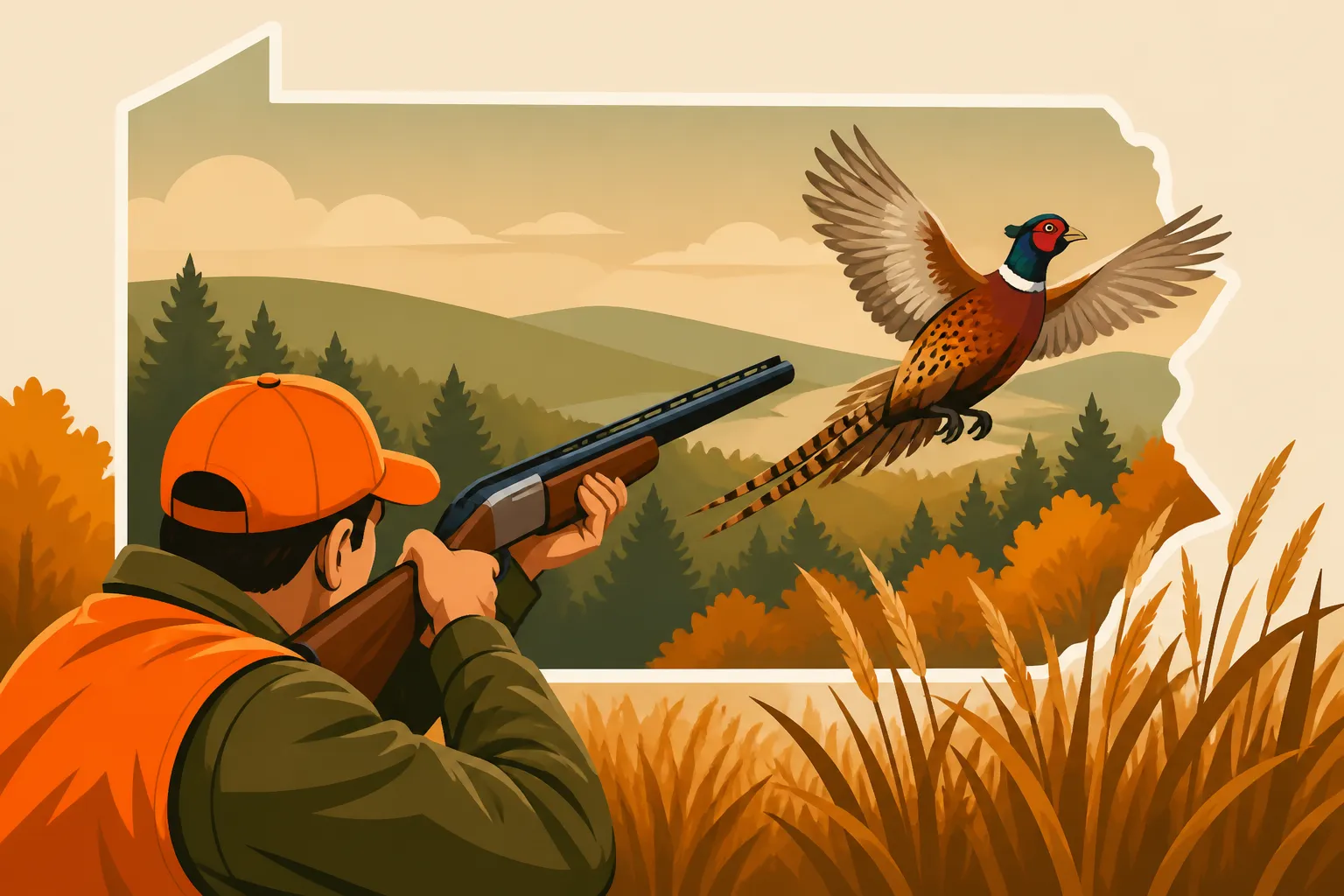
If you've ever tried hunting pheasants in Pennsylvania, you know it can be a real challenge – or sometimes, a walk in the park, depending on when and where you go. There's a lot of confusion, and frankly, some frustration, around hunting these beautiful birds, especially when they're stocked. This guide is here to unravel the mysteries of hunting stocked pheasants in our great state, giving you the real-world rundown on how to find them, hunt them effectively, and navigate the regulations without losing your mind.
Understanding Pennsylvania's Pheasant Program
For many Pennsylvania hunters, especially those of us who grew up in the last few decades, pheasants are synonymous with stocked birds. While wild pheasants once thrived across much of the state, habitat changes and other factors led to a significant decline. To keep the tradition alive and provide hunting opportunities, the Pennsylvania Game Commission (PGC) runs an extensive pheasant propagation and stocking program. It's a huge undertaking, often unseen by the average hunter, but it's the backbone of pheasant hunting here.
The History and Purpose of Stocking
Back in the day, seeing a wild pheasant explode from a hedgerow was a common occurrence in many parts of Pennsylvania. My grandfather used to talk about fields "full of them" when he was a boy. But agriculture changed, suburbs spread, and those dense hedgerows and fallow fields that pheasants loved began to disappear. The birds are native to Asia, and while they adapted well for a time, they eventually couldn't keep pace with the changes to their preferred habitat. That's where the PGC stepped in. Their stocking program isn't about re-establishing self-sustaining wild populations statewide, though they do have some areas dedicated to that. Primarily, it's about providing a recreational hunting opportunity for thousands of Pennsylvanians who still cherish the experience of flushing a rooster pheasant. It fills a void left by the decline of wild birds and ensures that new generations can experience this classic upland hunt.
The PGC raises tens of thousands of pheasants each year at their state game farms. These birds are specifically bred for hunting purposes, meaning they're robust enough to withstand release and provide a good challenge for hunters. It's an expensive, labor-intensive process, but one that many hunters, especially those with young hunters or bird dogs, deeply appreciate. Without this program, pheasant hunting would be a relic of the past for most of us in Pennsylvania.
Where Our Pheasants Come From
The pheasants you'll be pursuing on public lands throughout Pennsylvania originate from three PGC game farms: the Western Game Farm in Cambridge Springs, the Northcentral Game Farm in Williamsport, and the Southeast Game Farm in Schwenksville. These facilities are dedicated to raising ring-necked pheasants specifically for release. It's a year-round operation involving egg incubation, chick rearing, and then housing thousands of juvenile birds until they reach maturity and are ready for release just before and during hunting seasons.
The birds are transported in large, specially designed crates to designated release sites across the state, primarily on State Game Lands, certain State Forest lands, and areas enrolled in the PGC's Hunter Access Program. The goal is to distribute them widely enough to provide opportunity but also to concentrate them in areas where they have some cover and where hunters can access them safely. When planning your hunt, knowing that these birds are farm-raised gives you a bit of an edge – they aren't quite as wild as birds that have grown up dodging predators their whole lives, but they are certainly not pushovers either. Don't expect them to just sit there!
Finding Stocked Pheasant Release Sites
Finding where the PGC releases pheasants is half the battle, and it can be a bit of a scavenger hunt if you don't know where to look. The PGC doesn't publish precise, real-time drop locations to prevent overcrowding, but they do provide resources that are incredibly helpful. The key is knowing which areas are designated for stocking and then doing a bit of legwork, or map work, beforehand.
Locating Designated Release Areas
The Pennsylvania Game Commission provides maps and lists of properties where pheasants are routinely stocked. These are usually public lands like State Game Lands or specific tracts enrolled in the Hunter Access Program, which are private lands opened to public hunting. You can find this information on the PGC's website. They often have an interactive map or a PDF list that identifies general areas, usually by Wildlife Management Unit (WMU) or specific Game Lands numbers. It’s important to familiarize yourself with these general locations. Think of them as your starting point. When Scouting Pennsylvania Public Land Before Season, you should prioritize these known pheasant release zones.
Once you have a general area in mind, like State Game Land 205 in Bucks County or SGL 156 in Lancaster, you'll want to dig deeper into the actual terrain. These areas typically feature a mix of cover types that pheasants favor: dense hedgerows, tall grasses, corn stubble fields, brushy creek bottoms, and thickets. Using a mapping app like GoHunt, you can overlay public land boundaries and even identify different habitat types. Look for areas with diverse cover that also offer good hunter access points. This preparation is crucial, as blindly wandering large tracts of land hoping to stumble upon pheasants will likely lead to frustration.
Understanding Stocking Schedules and Frequency
The PGC generally begins stocking pheasants just before the regular statewide pheasant season opener and continues through specific periods. They aim to provide hunting opportunities across several weeks, often with multiple stocking rounds. You can find the specific When Pennsylvania Stocks Pheasants schedule on the PGC website, usually broken down by week or specific dates. This information is vital because hunting birds that have been recently released greatly increases your chances of success. Birds released a few days prior are generally still close to the release site and haven't had much time to disperse or become extremely wary.
However, it's a double-edged sword: newly stocked birds often attract more hunters. Early in the season, especially on opening day or the first few days after a stocking, popular spots can be quite crowded. This is a common frustration for many hunters. If you prefer a more solitary hunt, consider hunting later in the week after a stocking, or focusing on less accessible parts of a known release area. Later in the season, say during the late archery or flintlock seasons when pheasants are also legal, the pressure significantly decreases, but the birds are much more spread out and educated. Being aware of the Pennsylvania Pheasant Season Dates is paramount to planning your trips.
Tactics for Hunting Stocked Pheasants
Hunting stocked pheasants isn't just about showing up; it requires strategy. These birds, while farm-raised, aren't sitting ducks. They can run, hide, and flush hard, especially after being in the wild for a few days. Your approach, whether you have a dog or not, and how you work the cover will dictate your success.
Working Cover Effectively with or Without a Dog
The most crucial element of hunting pheasants is knowing how to work the cover. Pheasants are runners, not always fliers. When disturbed, their first instinct is often to put distance between themselves and the threat on foot. This means you need to systematically push through or along cover that might hold them. Look for thick, tangled areas: multiflora rose thickets, tall switchgrass fields, heavy creek bottoms, brush piles, and the edges of standing corn or cut corn fields. These areas provide both protection and food sources.
If you're hunting without a dog, a common strategy is "blocking and pushing." This involves having a line of hunters walk through a strip of cover towards another hunter or group positioned at the end of the cover to "block" any running birds. This works well with a small group of friends. If you're solo, you'll need to work edges and smaller pockets of cover more meticulously. Zigzagging through cover, pausing frequently, and then moving again can sometimes make a pheasant nervous enough to flush. Remember, those birds are trying to sneak away from you, so don't give them an easy path. Always be prepared for a flush, because when they do go, it's often explosive and startling.
With a good bird dog, your chances skyrocket. Breeds like German Shorthaired Pointers, English Setters, or Labrador Retrievers excel at finding and flushing pheasants. They can pick up scent trails that you'd never detect, and their relentless drive can force a bird to fly. A well-trained dog will range, find the bird, go on point or flush, and retrieve it after the shot. The dog becomes your nose and your legs, covering ground more efficiently and thoroughly. Investing in Bird Dog Gear for Pennsylvania Cover and training is a commitment, but it truly transforms the pheasant hunting experience.
Group Hunting and Safety Considerations
Pheasant hunting, especially on stocked grounds, is often a social affair. Group hunts are very effective for covering ground and ensuring birds are flushed within shooting range. However, with more hunters comes a greater responsibility for safety. Communication is absolutely paramount. Before you start, establish clear shooting lanes and zones of fire. Know where everyone in your group is at all times. Use a common call or whistle to signal a flush, or to alert others to your position.
It’s also crucial to be aware of other hunting parties. On popular State Game Lands, you will encounter other hunters. Be respectful, give them space, and never interfere with another group's hunt. When moving between cover types, ensure all firearms are unloaded and carried safely. And always remember the importance of Pennsylvania Hunter Orange Rules. While pheasants don't have the best color vision, a substantial amount of visible orange is required for safety during the small game seasons, typically 250 square inches on the head, chest, and back. This ensures you are visible to other hunters, reducing the risk of accidents.
When hunting in groups, the strategy often revolves around pushing blocks of cover. A typical setup might have several "walkers" pushing through heavy cover, and one or two "blockers" positioned at the downwind end of the cover or along likely escape routes. The blockers need to remain vigilant and ready for birds attempting to run out the end of the cover. This coordinated effort is usually the most effective way to hunt pheasants in denser areas, but it absolutely requires strict adherence to safety protocols.
Essential Gear and Preparation
A successful pheasant hunt isn't just about finding the birds; it's also about being properly equipped. From your shotgun and ammunition to your clothing and navigation tools, having the right gear makes the experience more enjoyable and productive. Pennsylvania weather can be fickle, and the cover can be brutal on clothing and boots.
Shotgun and Ammunition Choices
For pheasants, a 12-gauge or 20-gauge shotgun is generally preferred. Both gauges offer sufficient power and pattern density to humanely dispatch a pheasant. Many hunters, myself included, find the 20-gauge to be a fantastic choice for upland birds – it's lighter to carry all day, and with modern ammunition, it performs exceptionally well. If you're pondering the choice, consider this deep dive into 12 Gauge Versus 20 for Stocked Pheasants. Your shotgun should be choked appropriately; a Modified or Improved Cylinder choke is often ideal for pheasants, as shots are typically taken at medium range in cover. A more open choke allows for a wider pattern, increasing the chance of hitting a fast-flushing bird.
As for ammunition, lead shot is generally allowed for pheasants, though always check specific regulations or zones for any lead-free requirements. Shot sizes like 4, 5, or 6 are popular choices. Number 6 shot is versatile for pheasants, offering a good balance of pellet count and energy. If you're in very dense cover and anticipate closer shots, number 7.5 shot can also work, but 6 is a good all-around choice.
Here’s a quick guide to common shot sizes and their uses for upland birds:
| Shot Size | Pellet Diameter (in) | Typical Use | Notes |
|---|---|---|---|
| 4 | 0.13 | Large Birds, Pheasants, Geese | Heavier hitting, fewer pellets. |
| 5 | 0.12 | Pheasants, Larger Ducks | Good balance of power and density. |
| 6 | 0.11 | Pheasants, Grouse, Rabbits | All-around excellent choice for pheasants. |
| 7.5 | 0.095 | Quail, Doves, Closer Grouse | High pellet count, less energy. |
While some might use 4 shot, it’s often more than needed unless you're expecting longer shots. For most stocked pheasant scenarios in Pennsylvania, 5 or 6 shot will serve you well. For a broader understanding of shot sizes in cover, you might also find this article on Shot Size for Grouse in Thick Cover helpful, as many principles translate to pheasants.
Apparel, Footwear, and Navigation
Comfort and safety are key when hunting pheasants. You'll be walking through thorny briars, tall grasses, and potentially wet fields, so durable clothing is a must. Brush pants or chaps are highly recommended to protect your legs from cuts and scratches. A good upland vest or game bag with plenty of pockets for shells, water, and harvested birds is indispensable. Look for vests that incorporate blaze orange for safety. An article on Upland Vests With Water Capacity can give you some good ideas. Layers are your friend, as temperatures can fluctuate throughout the day, especially during the fall.
Your footwear should be sturdy, waterproof, and comfortable. Briar-proof boots that provide ankle support are ideal for navigating uneven terrain and wet conditions. Nothing ruins a hunt faster than cold, wet feet.
Finally, don't forget navigation. While many stocked pheasant areas are on well-marked public lands, it's easy to get disoriented in dense cover, especially when focused on a bird. A reliable GPS unit or a smartphone with a mapping app like GoHunt is invaluable. These tools allow you to track your movement, mark potential hot spots, find your way back to your vehicle, and confirm land boundaries. Understanding Reading Game Lands Boundary Blazes is also crucial to ensure you stay on legal hunting ground. Always carry a compass and a physical map as a backup, especially if hunting in more remote sections of larger game lands.
Navigating Regulations and Seasons
Hunting stocked pheasants in Pennsylvania isn't just about having the right gear and tactics; it's also about understanding and adhering to the specific rules set by the Pennsylvania Game Commission. These regulations are in place to manage the resource, ensure fair chase, and promote safety.
The Pennsylvania Pheasant Permit
This is perhaps the most critical regulation unique to pheasant hunting in Pennsylvania: the requirement for a special pheasant permit. In addition to your regular resident or nonresident hunting license, anyone hunting pheasants (except Mentored Youth hunters, who are exempt) must purchase a separate The Pennsylvania Pheasant Permit. This permit helps fund the PGC's extensive pheasant propagation program. It's a small cost for the opportunity to pursue these popular birds, and it’s important to remember that without it, your pheasant hunt is illegal. You can purchase this permit, like your regular hunting license, online through the PGC's HuntFishPA system or at any authorized license vendor. Make sure you have it in your possession along with your general hunting license whenever you are afield pursuing pheasants.
Season Dates and Bag Limits
Pennsylvania's pheasant season typically runs for several weeks in the fall, often concurrently with other small game seasons. There's usually a general statewide opener, and sometimes there are extended seasons in certain areas or late seasons open concurrently with other deer seasons. It’s absolutely vital to check the current year’s digest or the PGC website for the exact Pennsylvania Pheasant Season Dates. These dates can vary slightly year to year, so don't rely on memory from previous seasons. Pay particular attention to legal shooting hours, which typically begin a half-hour before sunrise and extend until sunset.
The bag limit for pheasants is generally two birds per day, and these must be identified as pheasants. For safety and conservation, ensure you can properly identify your target before shooting. While hens were once legal, current regulations primarily focus on harvesting male pheasants (roosters) to maximize breeding potential in areas where wild populations are being encouraged. However, for stocked birds, the focus is more on providing opportunity. Always consult the official digest for the most current and specific bag limits, as these can occasionally change or have specific stipulations.
Overcoming Common Challenges and Solutions
Hunting stocked pheasants, while exciting, isn't without its challenges. From dealing with crowds to outsmarting birds that quickly learn to be wary, you'll encounter situations that test your patience and skill. Understanding these challenges and having a plan to address them can significantly improve your experience.
Dealing with Hunting Pressure and Educated Birds
One of the biggest frustrations for hunters pursuing stocked pheasants, especially on easily accessible State Game Lands, is the sheer amount of Hunting Pressure on Pennsylvania Game Lands. Everyone wants to be where the birds are, and freshly stocked sites can sometimes feel like a public park. This pressure can make birds incredibly wary, causing them to run further, flush wilder, or hide deeper in cover. It's a common complaint, but there are ways to adapt.
To combat pressure, consider hunting mid-week instead of weekends, or later in the day when some hunters might have packed up. Explore less obvious or harder-to-reach areas within known release sites. Many hunters stick to the easy-access fields and parking lots; venturing a little further into denser, more rugged cover can often lead you to birds others have overlooked or pushed. These "educated" birds that have survived a few days of hunting pressure become much tougher adversaries, making their harvest even more rewarding. They learn quickly, opting for stealthy retreats over immediate flushes. You might need to slow down, be quieter, and spend more time working dense escape cover that other hunters might skip.
The Impact of Weather and Habitat on Bird Behavior
Weather plays a huge role in pheasant behavior. On cold, windy days, pheasants often hold tighter in dense cover, making them harder to flush but potentially offering closer shots. On warmer days, especially early in the season, they might be more prone to running and less likely to hold. Rain can suppress scent trails, making it harder for dogs to work, but it might also encourage birds to seek denser thermal cover. Understanding these nuances can help you adjust your tactics.
Habitat diversity is also critical. While the PGC aims for good release habitat, the quality and type of cover can vary. Some sites might be mostly open fields with sparse hedgerows, while others could have extensive switchgrass, cornfields, or wetlands. Learn to read the land. GoHunt's satellite imagery can be incredibly useful here. Look for transitions in cover, field edges, and natural bottlenecks that might funnel birds. These areas are prime spots for pheasants and can concentrate them, especially if they're trying to evade pressure. Even small patches of thick cover, like a forgotten corner of briars or a dense multiflora rose patch, can hold a wily rooster. Don't overlook the seemingly insignificant spots; these often hold the birds that have outsmarted previous hunters.
Disclaimer
Please note that hunting regulations, season dates, and permit requirements in Pennsylvania can change. Always consult the most current Pennsylvania Game Commission digest or their official website (www.pgc.pa.gov) before planning your hunt to ensure you have the most up-to-date information. This guide is for informational purposes only and does not supersede official regulations.