Goose Hunting Pennsylvania Fields
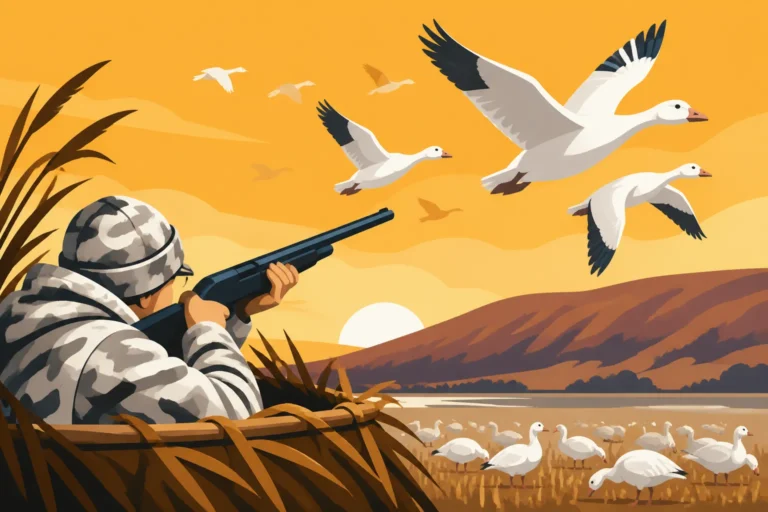
There's nothing quite as frustrating as spending hours hunkered down in a cold field, watching flock after flock of Canada geese mockingly fly by, completely ignoring your meticulously arranged decoys. Many hunters experience this, feeling like they've done everything right only to be left with empty skies and a chill in their bones. This guide is here to walk you through the nuances of goose hunting in Pennsylvania's diverse fields, offering practical advice and strategies to help you turn those fly-bys into successful harvests.
Understanding Pennsylvania's Field Geese
Pennsylvania is a prime location for goose hunting, largely due to its position within the Atlantic Flyway and its abundance of agricultural lands. However, not all geese are created equal, and understanding the specific birds you're targeting is the first step to success.
Canada Goose Subspecies and Behavior
When we talk about Canada geese in Pennsylvania, we're largely referring to a mix of migratory and resident birds. Historically, migratory geese were the primary targets, passing through on their long journeys south. These birds are often more wary and react differently to hunting pressure. However, over the decades, Pennsylvania's resident goose population has exploded, thriving on the state's abundant food sources and often breeding locally. These resident birds can be a bit more predictable in their daily routines, often feeding in the same fields day after day until disturbed. Knowing whether you're dealing with a local flock that's been around for weeks or a fresh wave of migrants can significantly impact your scouting and hunting strategy. Migratory geese, for instance, might be less wary of a new decoy spread, whereas resident geese might have seen every trick in the book already.
Why Fields are Prime Real Estate
Fields, particularly those with leftover grain, cover crops, or even just fresh green shoots, are absolute magnets for geese. These birds are primarily grazers, and a wide-open field offers an all-you-can-eat buffet that's easy to access and provides excellent visibility for spotting predators. Cornfields, especially after harvest, are goldmines. The geese will pick through the stubble, gleaning dropped kernels. Soybean fields, winter wheat, and even grassy pastures can also draw in hungry flocks. What makes fields so appealing is not just the food, but also the safety. Geese prefer to feed in open areas where they can see danger coming from a distance. This is why you rarely find them deep in thick timber; they need that visual security. Understanding this inherent need for both food and safety is crucial when you're trying to figure out where they'll be next.
Migratory vs. Resident Birds
The distinction between migratory and resident geese is more than just academic; it dictates tactics. Resident geese often have very established patterns: they'll roost on a local lake or large pond, fly out to a specific feeding field at dawn, spend the day there, and return to the roost in the evening. Their flight paths are often consistent, making them somewhat easier to pattern if you can gain access to their preferred fields. They also tend to be larger, robust birds. Migratory geese, on the other hand, are often in larger, looser flocks, sometimes pushed by severe weather fronts further north. They might only be in an area for a few days before moving on, making scouting a continuous effort. Their behavior can be more unpredictable, and they might shy away from fields that show signs of recent hunting pressure or unfamiliar setups. Knowing your quarry allows you to tailor your calling, decoy spread, and even your approach to the field, making you a more effective hunter whether you're pursuing a local giant or a weary traveler from Canada. You might also find it helpful to understand the general Pennsylvania Waterfowl Migration Timing to anticipate when these migratory birds will be moving through.
Scouting for Success: Finding the Right Fields
You've heard it a thousand times: scouting is paramount. But for goose hunting in fields, it's not just important, it's the absolute make-or-break factor. You can have the best gear, the most expensive decoys, and be a master caller, but if you're not where the birds want to be, you might as well stay home.
Timing Your Scouting Missions
Effective scouting for geese isn't a one-and-done deal. It's an ongoing process, especially with migratory birds, but even resident flocks can shift their feeding preferences. The best time to scout is typically late afternoon, a day or two before your planned hunt. This allows you to observe their flight patterns, where they're entering and exiting fields, and precisely which areas they're feeding in. Pay close attention to how they land; do they come in on a stiff wind, or do they circle multiple times? Are they landing directly among other geese, or are they setting down a distance away and walking in? The closer you get to your hunt date, the more accurate your scouting will be, as goose behavior can change rapidly due to weather, hunting pressure, or new food sources emerging. You're looking for fresh sign – droppings, tracks in the mud, or clipped stubble – which confirms recent activity.
Identifying Key Feeding Patterns and Roosts
Geese are creatures of habit. They'll typically fly from a roosting area (a large body of water like a lake, reservoir, or wide river) to a feeding field, often multiple times a day. Your scouting mission should focus on identifying both. First, locate the primary roosting waters in your hunting area. Then, observe their flight lines at dawn and dusk. These flight lines are like invisible highways in the sky, leading you directly to their preferred dining spots. Once you spot birds in a field, watch them carefully. Are they in the middle? Along an edge? Are they comfortable and calm, or are they skittish? Pay attention to the types of crops. Are they in cut corn, winter wheat, or a recently tilled field? Over time, you'll start to recognize patterns. For instance, after a hard frost, they might shift from green fields to cornfields where grain is easier to access. Remember, a field without geese is just a field; a field with geese is a potential hunting spot. Consider how this plays into Goose Hunting Pennsylvania Cut Corn specifically.
Utilizing Mapping Tools and Local Intelligence
In today's age, technology is your friend. Online mapping tools like those offered by GoHunt or similar services provide invaluable aerial views that can help you identify potential roosting waters and feeding fields from the comfort of your home. You can often spot large, open fields adjacent to water, or even see where crops have been harvested. These maps can also show you property boundaries, which is crucial for determining access. Overlaying public land maps with your observed flight paths can sometimes reveal overlooked opportunities on state game lands or other public access areas, though field hunting on public land can be challenging due to competition. Don't underestimate local intelligence, either. Chat with farmers (respectfully!), gas station attendants, or folks at the local diner. They often know where the geese are moving, which fields are hot, and who owns what land. Just be sure to approach these conversations with genuine curiosity and respect, not an expectation of a secret spot.
Essential Gear and Setup for Field Hunting
Once you've done your homework and found a promising field, the next step is to ensure your gear is up to snuff. Field hunting geese requires specific equipment and a thoughtful setup to fool these sharp-eyed birds.
Decoy Spreads: Types and Numbers
Decoys are your primary tool for luring geese into range. You'll find a wide variety: full-bodies, shells, and silhouettes.
- Full-bodies: These are the most realistic, three-dimensional decoys. They are heavier and more expensive, but their realism can be key, especially on pressured birds or clear, calm days. They cast a natural shadow, which is visible from a distance.
- Shells: These are hollow plastic bodies that sit on stakes. They are lighter and more compact than full-bodies, making them easier to transport and set up in larger numbers. They offer a good balance of realism and practicality.
- Silhouettes: These are flat, two-dimensional decoys that are very lightweight and easy to carry. While less realistic up close, they can create the illusion of a massive flock from afar, especially on cloudy days or when the birds are flying high.
For geese, more is often better. A spread of at least 2-3 dozen decoys is a good starting point, but experienced hunters often run 50, 100, or even more, especially in open fields. The goal is to mimic a large, confident flock that's found a great food source. Mix and match types for a natural look, putting full-bodies closer to your blind and shells or silhouettes further out. Don't forget to include some "active" positions – feeders, sentries, and resting birds – to make the spread look alive. A realistic spread is far more convincing than a perfectly symmetrical one.
Blinds and Concealment: Staying Hidden
Geese have incredible eyesight, and they'll spot anything out of place from hundreds of yards away, even thousands of feet in the air. Effective concealment is non-negotiable.
- Layout blinds: These low-profile blinds are designed for field hunting. You lie flat on your back, popping up to shoot. They are generally comfortable, well-camouflaged, and offer excellent concealment as long as they are brushed in properly. Brands like Avery, Final Approach, and GoHunt often offer high-quality options. The key is to make them disappear into the field.
- Natural cover: Sometimes, the best blind is no blind at all. If a field has a fence line overgrown with weeds, a ditch, a patch of standing corn, or even a rise in the terrain, you can use natural cover to hide. The trick is to position yourself downwind or crosswind from your decoy spread, where the geese will typically approach.
- Brushing in: This is critical regardless of your blind choice. Use natural vegetation from the field itself – corn stalks, grass, weeds – to break up the outline of your blind. Don't be afraid to overdo it. The blind should look like just another clump of natural cover, not a suspicious lump in the field. Leave small shooting windows and ensure your face and hands are covered with camouflage.
Calls and Calling Strategies
Goose calling is an art, but even beginners can achieve success with a few basic calls. You'll primarily be using short-reed Canada goose calls.
- Basic sounds: Learn the "honk" (a loud, single note for distant birds), the "cluck" (a shorter, sharper note for birds closer in), and the "feed call" (a rapid series of clucks and moans mimicking feeding geese). The "hail call" is a series of loud honks, used to grab the attention of high-flying flocks.
- When to call: Call at distant birds to get their attention. As they get closer, reduce the volume and switch to clucks and feed calls to reassure them. When they start to commit and cup their wings, go silent or use very soft clucks. Overcalling can scare birds away, especially those that are pressured.
- Practice: Practice makes perfect. Listen to real geese and try to imitate their sounds and rhythm. There are countless online tutorials and instructional videos. A good call, properly used, can make a huge difference in turning a looker into a lander. Always remember to call with the birds, not at them. If they are looking, give them some encouragement. If they are turning away, try a different sequence or more aggressive calling.
Field Hunting Tactics That Work
Once your decoys are set and your blinds are hidden, it’s time to put your plan into action. This is where patience meets precision, and the smallest details can make the biggest difference between a successful hunt and a frustrating one.
Setting the Decoy Spread Effectively
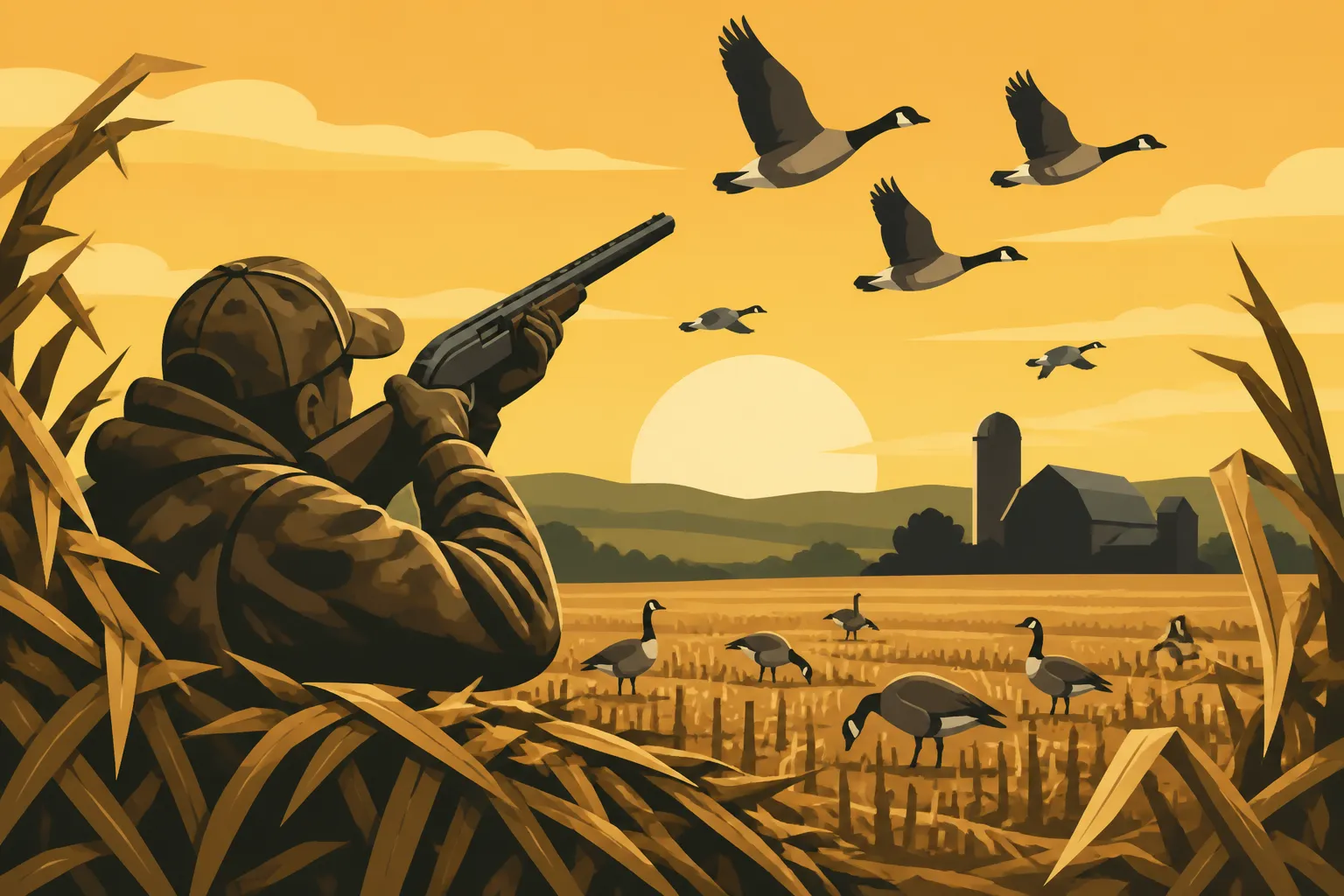
The way you arrange your decoys is critical. The most common and effective setup is a "J" or "U" shape, or even a wide "W," creating a landing zone directly in front of your blind. Geese prefer to land into the wind, so position your blind downwind of this landing zone. This forces the birds to fly directly over your setup or approach within easy shooting range as they try to settle in.
- The Landing Zone: This is the empty space within your decoy spread, typically 15-25 yards from your blind, where you want the geese to land. Make it inviting.
- Family Groups: Geese often fly and feed in family units. Arrange your decoys in small clusters of 3-5, facing different directions. This looks natural and less like a military formation. Place a few "sentry" decoys (upright, alert positions) on the outer edges of your spread, but mostly use feeders.
- Edge Placement: Don't put decoys too close to field edges or obstacles. Geese like open space. Keep them well within the field, especially if you're targeting those wary large flocks.
- Motion Decoys: Consider adding a few motion decoys, like flags or windsock decoys that move with the breeze. Subtle motion adds realism and can grab the attention of high-flying birds. A flapping "flair" or a rotary machine can simulate movement, giving your spread that extra lifelike quality. However, be cautious not to overdo it, as excessive motion can sometimes spook wary birds.
Calling Sequences and When to Use Them
Calling is about communication, not just making noise. The goal is to sound like a flock of happy, contented geese inviting others to join their feast.
- Distant Birds: When you see geese far off, hit them with a loud hail call or a series of aggressive honks. You want to get their attention and turn them towards your spread. If they respond or turn, reduce the volume.
- Approaching Birds: As they start to work, switch to softer, more contented calls – clucks and murmurs. Give them a few confidence calls, then go quiet. Let them finish the deal.
- Working Birds: If they're circling, let them make a pass. Sometimes a soft feed call or a single cluck is all it takes to convince them on the second or third pass. If they start to drift away, hit them with a series of pleading clucks or a soft comeback call to try and turn them back.
- Silence is Golden: Once the birds are committed, wings cupped, and dropping into your landing zone, go completely silent. Any sudden noise can send them flaring. Let them get within easy range, then sit up and shoot.
- The Importance of Rhythm: Vary your calling. Don't just blast away. Listen to the real geese; they communicate in bursts, with lulls in between. Mimic that natural rhythm. You might find some excellent advice on specific calling techniques in articles like Rattling and Grunting in Pennsylvania, even though that's for deer, the principle of understanding animal communication applies.
Shot Placement and Follow-Up Shots
When the birds are locked in and coming, it's easy for adrenaline to take over. But controlled, ethical shooting is paramount.
- Wait for the Moment: Resist the urge to jump up too early. Let the geese get into your landing zone, with their feet down, wings set, or actively working towards it. This usually means they are within 25-35 yards, offering a high-percentage shot.
- Target One Bird: Pick a single goose and focus on it. Don't swing wildly into the flock. Aim for the head and neck, or the front half of the bird for a clean kill.
- Lead Properly: Geese are big, but they are fast. You'll need to lead them, especially if they are crossing. Practice at a shooting range with clays to get a feel for lead.
- Follow-Up Shots: If your first shot doesn't bring the bird down cleanly, be ready for a follow-up. Always have a second and third shot ready. If a bird is crippled, prioritize putting it down immediately and ethically. Don't let a wounded bird fly off.
- Ammunition: For geese, you'll want heavy loads of steel shot (non-toxic shot is required for all waterfowl hunting). 3-inch or 3.5-inch shells in BB or #2 shot are common choices. Always check local regulations for shot size and material restrictions. Understanding your shotgun and choke for different scenarios is vital; for instance, you might use different chokes for Turkey Shotguns and Chokes compared to goose hunting.
Navigating Regulations and Public vs. Private Land
Hunting geese in Pennsylvania fields isn't just about finding the birds and setting up. It also involves understanding the legal framework and, most importantly, securing access to land. Pennsylvania has a mix of opportunities, but they each come with their own set of considerations.
Licensing and Permitting Requirements
Before you even think about stepping into a field, ensure all your paperwork is in order. This isn't just a suggestion; it's the law, and penalties for violations can be steep.
- General Hunting License: Every hunter, resident or non-resident, must possess a valid Pennsylvania General Hunting License. This is your foundational permit.
- Migratory Game Bird License: In addition to the general license, you'll need a Pennsylvania Migratory Game Bird License. This specific license covers all migratory birds, including geese, ducks, doves, woodcock, and snipe.
- Federal Duck Stamp: If you are 16 years of age or older, you are also required to purchase a Federal Migratory Bird Hunting and Conservation Stamp, commonly known as a "Federal Duck Stamp." This stamp contributes significantly to wetland conservation efforts across the nation. Remember to sign your duck stamp across the face.
- HIP Registration: All migratory bird hunters must also register with the Harvest Information Program (HIP). This is a free registration that helps wildlife agencies gather data on migratory bird harvests. It's usually done when you purchase your migratory game bird license.
- Bag Limits and Season Dates: Always, always check the current Pennsylvania Game Commission (PGC) hunting regulations for specific goose season dates and daily bag limits for your particular Wildlife Management Unit (WMU). These can change annually and may vary by zone or species. For example, there are often different seasons and bag limits for resident Canada geese versus migratory Canada geese or snow geese. Understanding Pennsylvania Waterfowl Seasons and Zones is critical to avoid violations.
These licenses and stamps are readily available online through the PGC website, at any license issuing agent, or through platforms like GoHunt for easy access. Make sure you have them on your person while hunting.
Gaining Access to Private Fields
The vast majority of prime goose feeding fields in Pennsylvania are on private land. This means gaining permission from landowners is usually necessary, and it’s a process that requires respect, courtesy, and often, persistence.
- Asking for Permission: This is often done face-to-face. Approach landowners well in advance of the season, neatly dressed, and during a convenient time (not during dinner or when they're busy farming). Explain who you are, what you want to hunt, and assure them you will be respectful of their property, close gates, pick up your spent shells, and respect their crops. Offering to share some of your harvest can also go a long way.
- Written Permission: While not always legally required in Pennsylvania for hunting on private land that isn't posted (unless it's Sunday hunting), having written permission is always a good idea. It protects both you and the landowner. A simple note stating your name, the date, the specific land you have permission to hunt, and the landowner's signature is usually sufficient. Some landowners might be more comfortable with a formal lease agreement, especially for prime spots.
- Building Relationships: If you get permission, cherish it. Be a model hunter. Send a thank-you note, offer to help with chores, or bring them a gift (like some processed venison or goose breast). Maintaining a good relationship can secure hunting access for years to come. Breaking trust can ruin opportunities for all hunters.
- Hunter Access Program: The PGC also has a Hunter Access Program where they work with private landowners to open up land for public hunting. Check the PGC website or mapping resources to see if any fields in your target area are part of this program. This can be a great way to find additional opportunities if direct landowner permission is proving difficult.
Public Land Opportunities and Challenges
While private land dominates field hunting, there are some public land opportunities in Pennsylvania, particularly on State Game Lands (SGLs) or other designated public access areas.
- State Game Lands: Many SGLs include agricultural fields or managed food plots specifically designed to attract wildlife. These fields are often planted with corn, soybeans, or winter wheat. However, hunting pressure can be intense on opening days or weekends. You'll need to scout these areas meticulously to find fields that are actively being used by geese and that offer enough space to set up without interfering with other hunters. Utilizing mapping tools to understand How Much State Game Land Pennsylvania Owns can help you locate these areas.
- Challenges: The biggest challenge on public land is competition. Other hunters will likely be targeting the same fields. This means getting there early, being courteous, and being prepared to move if another group has already set up. Also, some SGLs have specific regulations regarding decoys, blinds, or vehicle access, so always consult the SGL rules before hunting.
- Respecting Others: On public land, safety and courtesy are paramount. Always be aware of other hunters, maintain safe shooting lanes, and respect their space. A good general rule is to maintain at least 150-200 yards between hunting parties, or more if possible, to avoid interfering with each other's hunts.
| Decoy Type | Realism | Portability | Cost (per dozen) | Best Use Cases |
|---|---|---|---|---|
| Full-Body | High | Low | $$$ | Pressured birds, clear days, smaller spreads, close to blind |
| Shell | Medium | Medium | $$ | Creating large numbers, easy transport, mixed spreads |
| Silhouette | Low | High | $ | Building massive numbers, distant birds, cloudy days |
| Motion (Flags) | High | High | $$ | Adding realism, attracting high flyers |
Advanced Strategies and Common Challenges
Even with perfect scouting and gear, goose hunting can throw curveballs. Truly successful hunters are those who can adapt to changing conditions and overcome common obstacles.
Hunting Pressured Geese
Geese are incredibly intelligent birds, and they learn quickly. Once a field has been hunted a few times, or if they've encountered too much hunting pressure on their flight path, they become "educated" and incredibly wary.
- Change It Up: Don't use the same decoy spread or calling sequence every time. Vary your setup. Try different shapes, fewer decoys, or spread them out more. Sometimes, a smaller, more natural-looking spread can be more effective than a massive one for pressured birds.
- Go Minimalist: For super wary geese, sometimes less is more. A small spread of ultra-realistic full-body decoys with almost no calling, relying purely on stealth and precise setup, can be effective.
- Hunt Mid-Week: Weekends often bring heavy hunting pressure. If possible, hunt on a Tuesday or Wednesday when fewer hunters are in the field. The birds might be more relaxed and less likely to shy away from your setup.
- Target New Fields: The best way to beat pressured geese is to find a field they haven't been hunted in yet. This goes back to diligent, ongoing scouting and developing relationships with multiple landowners.
- Location, Location, Location: Even within a field, subtle changes in where you set up can make a difference. Observe exactly where the geese are feeding and try to put your spread right in their comfort zone. If they're hitting the exact same 50-yard strip of a 40-acre field, that's where you need to be.
Adapting to Weather Changes
Weather isn't just a factor; it's often the dominant force in waterfowl hunting. Geese react significantly to changes in temperature, wind, and precipitation.
- Wind Direction: Always set up with the wind at your back, forcing the geese to land into the wind, ideally in your landing zone. A strong wind can make geese fly lower and be more committed to landing. However, gusty winds can also make them erratic. Pay attention to changes in wind direction throughout the day and be prepared to adjust your blind or decoy spread.
- Temperature Drops: A sudden cold front or a significant drop in temperature will often push migratory birds south, creating new opportunities. It also increases their need to feed, making them more aggressive about finding food.
- Snow and Rain: Light snow or drizzle can often improve hunting, as it reduces visibility and makes geese less wary. They might also feed more heavily before or after a snowstorm. Heavy rain or blizzards, however, can ground birds or make them seek shelter. Keep an eye on the forecast and plan accordingly.
- Fog: Fog can be a double-edged sword. It significantly reduces visibility for both you and the geese. While it might make birds less wary if they're close, it can also prevent them from flying at all, or make it impossible to see approaching flocks until they're too close or too far.
- Bluebird Days: Clear, calm, sunny days (often called "bluebird days") are typically the most challenging. Geese have excellent visibility, and the lack of wind makes motion decoys less effective. On these days, extreme concealment and ultra-realistic spreads are crucial. You might also want to consider Cold Weather Sitting Strategy if hunting late in the season.
Field Etiquette and Safety
As hunters, we are ambassadors for our sport. Practicing good etiquette and prioritizing safety ensures enjoyable hunts for everyone and helps maintain public support for hunting.
- Respect Property: Whether on private or public land, always respect the property. Don't litter, damage crops, or leave gates open. Pick up all your spent shells. Leave the field better than you found it.
- Safety First: Always follow the four primary rules of firearm safety: treat every gun as if it's loaded, always point the muzzle in a safe direction, keep your finger off the trigger until ready to shoot, and be sure of your target and what is beyond it.
- Hunter Orange: While not always required for waterfowl hunting, if you are walking to or from your blind during times when hunter orange is mandated for other species, wear it. Always check the current Pennsylvania Hunter Orange Rules to be compliant. Even if not required, carrying an orange hat or vest to wear when retrieving birds or walking in low light is a good practice.
- Communicate: If hunting with a group, communicate clearly. Establish shooting zones and ensure everyone knows where other hunters are. Call out "birds left," "birds right," or "taking the front bird" to avoid confusion and ensure safety.
- Retrieval: Always ensure you have a plan for retrieving downed birds. If hunting near water, a boat or waders might be necessary. If a bird falls on posted private land where you don't have permission, you must seek permission to retrieve it. Crossing property lines without permission, even for retrieval, is trespassing.
- Know Your Limits: Don't take risky shots at birds that are too far out. Wounding birds is unethical. It's better to pass on a shot than to take a low-percentage shot and potentially injure a bird that flies away.
By mastering these elements, you'll not only increase your success rate but also uphold the highest standards of sportsmanship and conservation, ensuring that goose hunting in Pennsylvania's fields remains a cherished tradition for years to come.
Disclaimer
Hunting is an inherently dangerous activity. This guide provides general information and recommendations but cannot cover every scenario. Always prioritize safety, understand and follow all current Pennsylvania Game Commission (PGC) regulations, local laws, and landowner rules. It is your responsibility as a hunter to know and abide by all legal requirements. This content is for informational purposes only and should not be considered legal advice.