Predator Hunting Contests in Pennsylvania
Predator hunting contests in Pennsylvania can feel like a bit of a gray area for many hunters. You see them advertised, hear whispers in camp, and sometimes wonder what the real rules are, if they’re even ethical, and how you can get involved without stepping over any lines. This guide is going to strip away the confusion, diving deep into what these contests entail, the specific regulations you need to know, and how to participate responsibly in the Keystone State.
Understanding Predator Hunting Contests in Pennsylvania
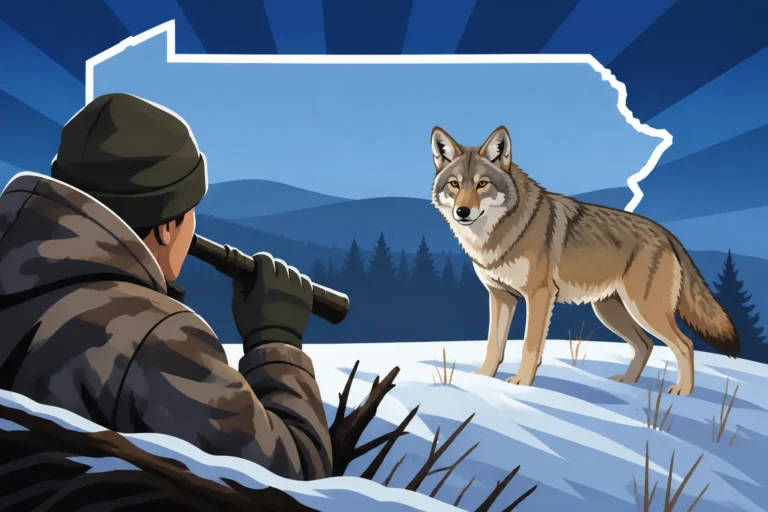
For those new to the concept, predator hunting contests are organized events where hunters compete to harvest specific predatory species, primarily coyotes and foxes, within a set timeframe. These events often have entry fees, offer prizes for the heaviest or most animals harvested, and aim to bring hunters together for a challenging and often intense experience.
What Defines a Predator Contest?
At its heart, a predator contest is a structured hunting event with competitive elements. Participants usually register individually or in teams, and then head afield to call, stalk, and harvest target species. The animals most commonly targeted in Pennsylvania contests are coyotes, red foxes, and gray foxes. While some contests might focus solely on coyotes due to their increasing numbers and reputation as a challenging quarry, many include foxes as well. The goals for hunters vary from the thrill of competition and winning prizes to contributing to local predator management efforts and simply enjoying the camaraderie with fellow hunters. It's a way to put your skills to the test, especially your calling abilities and knowledge of predator behavior.
These contests can range from small, local events organized by sportsmen's clubs, like the Franklin County Trappers & Predator Hunters Association, to larger, regional tournaments spanning multiple counties. They often take place over a weekend, requiring hunters to check in harvested animals at designated stations for weighing, measuring, and verification. While the competitive aspect is certainly a draw, for many, it's also about honing their craft and sharing time in the woods during the off-season for other game.
The Core Species Targeted
In Pennsylvania, the main species you'll find targeted in predator hunting contests are coyotes and foxes. Coyotes, in particular, have seen a significant population increase across the state over the last few decades, becoming a staple of winter hunting activities. They're intelligent, adaptable, and offer a real test of a hunter's patience and skill. Red foxes and gray foxes are also popular targets, especially in areas with good habitat for smaller furbearers.
It's crucial to remember that while foxes and coyotes can be hunted year-round in Pennsylvania, if you plan to participate in a contest, you must adhere to all Pennsylvania Furtaker Licence Requirements. For bobcats, which are also predators, there's a much stricter framework. You cannot legally harvest a bobcat without first obtaining a specific bobcat permit, which is a limited-draw lottery. Most organized predator hunting contests in Pennsylvania will not include bobcats as a target species due to these stringent regulations, focusing instead on the more commonly hunted coyotes and foxes. Always double-check the contest rules to understand exactly which species are fair game, and be absolutely certain you hold the proper licenses and permits for any animal you intend to harvest.
Here’s a quick overview of common contest species and their general season status:
| Species | General Hunting Season in PA | Notes |
|---|---|---|
| Coyote | Year-round | Can be hunted any time of year with a general hunting license. |
| Red Fox | Specific fall/winter season (e.g., Oct-Feb) | Requires a furtaker license. Check the current Pennsylvania Game Commission (PGC) digest for exact dates, as seasons can change. |
| Gray Fox | Specific fall/winter season (e.g., Oct-Feb) | Requires a furtaker license. Similar to red fox, always confirm dates with the latest PGC digest. |
| Bobcat | Specific fall/winter season (with permit) | Requires a furtaker license AND a special bobcat permit, which is obtained through a lottery. Without this permit, bobcats are NOT legal to harvest. |
Navigating Pennsylvania's Regulations for Contests
Participating in any hunting contest means you're operating under a magnifying glass, and it's absolutely vital to be above reproach when it comes to the law. The Pennsylvania Game Commission (PGC) sets clear rules for all hunting and furtaking activities, and these apply directly to contests. There are no special "contest rules" that override the PGC's regulations.
General Hunting and Furtaker License Requirements
First and foremost, you need the appropriate licenses. For hunting coyotes, a general hunting license is sufficient. However, if the contest includes foxes, or if you plan to hunt any furbearer for their fur outside of contest activities, you will need a Pennsylvania furtaker license. This is a separate license from the general hunting license and covers species like foxes, raccoons, skunks, opossums, and weasels. Don't forget that a separate bobcat permit is required for bobcats, on top of the furtaker license. Getting caught without the correct licensing for the species you harvest in a contest can lead to significant fines, loss of hunting privileges, and disqualification from the event. It’s always best to have both a general hunting license and a furtaker license if you plan on participating in a predator contest that targets a variety of species, ensuring you're covered for anything that might come in. You can learn more about these requirements and specific season dates by checking the latest Predator and Furbearer Hunting in Pennsylvania regulations.
Always buy your licenses well in advance and keep them with you in the field. Digital licenses on your phone are generally accepted, but having a physical copy or a picture on your phone can save you a headache if you’re in an area with no service.
Legal Firearms, Ammunition, and Night Hunting Rules
Pennsylvania has specific rules regarding legal firearms and ammunition for hunting various species, and these rules absolutely apply to predator contests. For coyotes and foxes, you generally have a wide range of options, including centerfire and rimfire rifles, shotguns, and bows. When it comes to night hunting, the rules become more stringent. Night Hunting Rules for Pennsylvania Coyotes permit the use of lights and night vision equipment, but only for coyotes and foxes. Thermal optics are also legal for coyotes. This is a significant advantage for predator hunters, as many predators are most active after dark. However, it's crucial to confirm that any equipment you use complies with the PGC's latest regulations. For instance, while you can use a spotlight to locate a coyote at night, you cannot shoot from a vehicle while using an artificial light.
For foxes, specific night hunting restrictions might apply depending on the season, so always consult the most current PGC digest. Shot size also matters; for example, if using a shotgun, you need to be aware of maximum shot sizes permitted for small game and furbearers. During daylight hours, remember to adhere to Pennsylvania Hunter Orange Rules if you're hunting during an open big game season, as this can often overlap with predator contest dates. Even if it's predator season, if it's concurrent with, say, the archery deer season, you might still need to display orange, so consult the digest for specifics on when and where hunter orange is mandated. Furthermore, it's critical to respect Pennsylvania Legal Shooting Hours, especially for species other than coyotes, which have extended night hunting privileges.
Ethical Considerations and the Law
Beyond the letter of the law, ethical considerations play a massive role in predator hunting, especially in a competitive setting. The PGC encourages ethical hunting practices, which include fair chase, respect for wildlife, and responsible reporting. This means avoiding practices like baiting with non-natural attractants (which is illegal in PA for furbearers), ensuring clean kills, and making every effort to recover any animal you shoot. While some debate the purpose of contests, responsible participation can highlight the role of hunters in wildlife management and control, especially for rapidly expanding species like coyotes.
Avoiding waste is also a legal and ethical imperative. In Pennsylvania, all edible portions of game animals must be retrieved and either consumed or properly disposed of. While many predators are not typically consumed, the hides and other parts can often be salvaged and utilized by a fur buyer or for tanning. Contests that simply require a carcass for weigh-in and then offer no direction for the disposition of the animal can sometimes draw criticism. Responsible hunters participating in contests should make every effort to utilize any harvested animals to the fullest extent possible, whether through fur processing, educational purposes, or other means that demonstrate respect for the animal. It's about upholding the integrity of hunting and showing respect for the game and the public's perception of hunting.
Finding and Maximizing Your Success in a Pennsylvania Predator Contest
So, you've decided to jump into the world of predator hunting contests. The next step is finding a reputable contest and gearing up for success. It’s not just about pulling a trigger; it’s about strategy, preparation, and knowing your hunting grounds.
Locating Reputable Contests
The best way to find legitimate predator hunting contests in Pennsylvania is through local sportsmen's clubs, fire companies, and established hunting organizations. Many small towns and rural communities host these events annually as fundraisers or community gatherings. A quick online search for "Pennsylvania predator hunting contest" or checking local sporting goods stores and gun shops in your area will often yield flyers or announcements. Online forums and social media groups dedicated to Pennsylvania hunting are also excellent resources. You’ll often find announcements, rules, and entry forms posted there.
Always vet the contest organizer. Look for transparency in their rules, weigh-in procedures, and prize distribution. A good contest will clearly outline all legal requirements, ethical expectations, and how disputes will be handled. Be wary of any contest that seems to skirt PGC regulations or promotes unethical practices. You can also leverage mapping tools like GoHunt to scope out potential hunting areas near contest check-in points. GoHunt, for example, offers detailed satellite imagery and public land boundaries, which are invaluable for identifying promising spots to target coyotes or foxes within the contest's geographical limits. Checking their platform for community event listings or local club information might also lead you to new opportunities.
Scouting and Strategy
Success in a predator contest largely hinges on thorough scouting and a solid strategy. You can't just show up on contest day and expect to win. Start by researching Pennsylvania Coyote Range and Numbers and fox populations in the specific region where the contest is held. Understanding the population density will give you a better idea of your odds and help you prioritize areas. Aerial photos, easily accessible through platforms like GoHunt, are indispensable for this. Look for key terrain features that predators use, such as thick cover, brushy draws, clear-cuts, and the edges of agricultural fields. Water sources and known travel corridors are also prime locations.
Pre-scouting helps you identify promising stands and entry/exit routes. For example, understanding Coyote Calling in Pennsylvania Winter means knowing how coyotes react to different calls in cold weather and what kind of terrain they might favor. A typical strategy involves setting up downwind of likely travel paths, using calls (mouth calls, electronic calls) to mimic prey in distress or other canids, and remaining perfectly still and silent. Time of day and weather conditions also play a huge role. Early morning and late evening, especially on calm, overcast days, can be highly productive. If you're planning to hunt at night, pre-scouting during the day is critical to familiarize yourself with the terrain and potential hazards. Knowing where to set up your lights or thermal optics ahead of time will dramatically increase your efficiency once the sun goes down.
Gear and Tactics for Competition
Your gear can make or break your contest performance. A good electronic caller with a variety of sounds (rabbit distress, fawn distress, coyote howls, pup distress) is almost a necessity for effective calling. Supplement this with a few mouth calls for versatility. Proper concealment is paramount, so a good set of camouflage, including a face mask and gloves, is essential. During winter contests, warm, layered clothing is critical, especially when sitting still for long periods. Good quality optics, like binoculars and a reliable rifle scope, are also incredibly important for spotting incoming predators at a distance, especially in low light. For night hunting, a powerful spotlight, headlamp, and potentially night vision or thermal imaging devices are game-changers, provided they are legal for the species you are targeting.
When it comes to tactics, versatility is key. Don't rely on just one calling sequence or one type of terrain. Adapt to the conditions and the response (or lack thereof) from the animals. For instance, in areas with heavy hunting pressure, subtle calls might be more effective than aggressive ones. If you're on public land, consider areas that might be overlooked by other hunters. Scouting Pennsylvania Public Land Before Season is an absolute must, as it helps you locate those hidden pockets of cover or less-traveled ridges where coyotes and foxes might feel safer. Remember, competition means others are doing the same thing, so finding unique approaches or overlooked spots can give you a significant edge. Utilizing detailed topographic maps on GoHunt can help you identify these subtle terrain changes that might funnel animals or provide a strategic advantage.
Addressing the Controversy: Ethics and Public Perception
Predator hunting contests, while legal and popular among a segment of the hunting community, are often a lightning rod for controversy. It's crucial for participants and organizers to understand these concerns and proactively address them through ethical practices and clear communication.
The Role of Predator Management
One of the primary arguments in favor of predator hunting, and by extension, predator contests, is the role they play in wildlife management. Species like coyotes, with their adaptability and prolific breeding habits, can sometimes reach population levels that impact other wildlife, particularly deer fawns, wild turkeys, and small game populations. Hunting, including through organized contests, is viewed by some as a tool to help manage these populations and reduce predation pressure on other game species. While the scientific community often debates the overall effectiveness of recreational hunting in significantly impacting large predator populations over the long term, local efforts can certainly reduce numbers in specific areas.
For many hunters, it's not just about the numbers; it’s about stewardship. They believe that by actively pursuing predators, they are contributing to the health and balance of the ecosystem, especially in areas where top predators like wolves have been absent for centuries. It's an active form of conservation that resonates with those who spend countless hours in the woods observing the intricate relationships between species.
Promoting Responsible Participation
To counter negative public perception and ensure the longevity of predator hunting, responsible participation is non-negotiable. This means strict adherence to all PGC laws and regulations, without exception. It also means upholding the highest ethical standards. Avoiding any actions that could be perceived as cruel, wasteful, or disrespectful to wildlife is paramount. For example, ensuring quick, humane kills and making every reasonable effort to recover harvested animals are not just legal requirements but moral obligations.
Contest organizers have a significant role to play here too. They should implement clear rules that promote ethical behavior, require proper licensing, and provide guidance on the respectful disposition of harvested animals. Transparent communication about the purpose of the contest – whether it's for population control, scientific data collection (if applicable), or simply sport – can help inform and educate the public. It's about showing that hunters are responsible, respectful members of the wildlife management community, not simply seeking to kill for sport. Engaging in practices like donating hides to tanneries or taxidermists, or even working with local wildlife agencies on data collection, can transform the image of these contests from mere killing sprees to valuable community events with a broader conservation benefit.
Disclaimer
Please remember that hunting regulations in Pennsylvania can change. Always consult the most current Pennsylvania Game Commission hunting and trapping digest or visit their official website before heading afield. This guide provides general information and should not be considered a substitute for official regulations.