Night Hunting Rules for Pennsylvania Coyotes
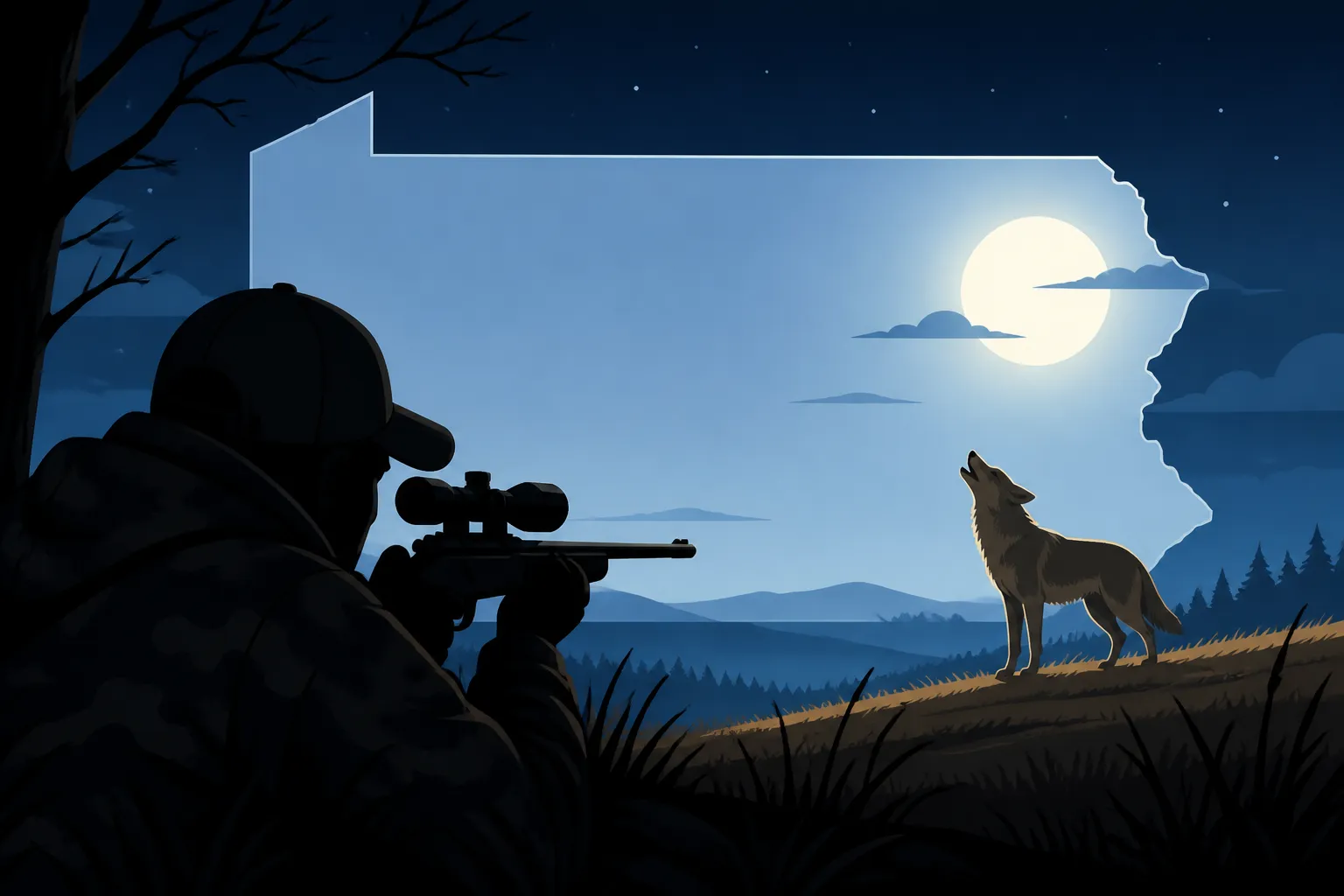
The thrill of a coyote hunt under the cloak of darkness is an experience unlike any other, but for many Pennsylvania hunters, the regulations surrounding night hunting can feel like navigating a dense thicket without a map. There's a lot of confusion, especially with evolving laws and the general caution around using artificial lights or specialized optics after sunset. This guide is here to untangle those rules, lay out exactly what's permitted, what gear you'll need, and how to stay safe and legal when you're out pursuing coyotes beneath the moon and stars.
The Unique World of Night Hunting Coyotes in Pennsylvania
Hunting coyotes in Pennsylvania offers a year-round opportunity, a significant departure from many other game species. While deer and bear seasons have very specific timelines and regulations, coyotes can be pursued almost anytime, giving hunters incredible flexibility. However, the game changes dramatically when you transition from daylight hours to the deep shadows of the night. This isn't just about packing a flashlight; it's about understanding a distinct set of rules that apply specifically to hunting certain furbearers after dark.
During the daytime, coyote hunting is fairly straightforward, following general hunting regulations. You're out there with your rifle, shotgun, or bow, often employing calls to bring them in, much like you would during the daylight hours for other predators. You’re typically covered by your general hunting license. You can even check out some excellent tips for Coyote Calling in Pennsylvania Farm Country to refine your daytime strategies. But when the sun dips below the horizon, and the woods transform, a whole new layer of considerations comes into play. The darkness amplifies sounds, changes visibility, and, most importantly, triggers specific legal provisions that you absolutely must know before you step afield. Ignoring these can lead to serious fines or even losing your hunting privileges, so a solid understanding of the nuances is paramount.
Decoding Pennsylvania's Specific Night Hunting Rules for Coyotes
Alright, let's get down to brass tacks: what exactly are the rules for hunting coyotes after legal shooting hours in Pennsylvania? This is where many hunters, even seasoned ones, can get tripped up, because the regulations are specific to certain species and the methods employed. It's not a blanket allowance for all night hunting.
The good news is that hunting coyotes at night is indeed legal in Pennsylvania, year-round, except on Sundays during certain periods, which we’ll cover. This means you can be out there from sunset to sunrise, pursuing these intelligent canids. But here's the crucial part: you can use artificial lights, including weapon-mounted lights, and electronic calls to assist your hunt. This is a special exception for specific furbearers, namely coyotes, foxes, and raccoons. For most other species, shining a light on game, or even suspected game, at night is strictly prohibited and considered poaching. This is why knowing the difference is so vital.
The Role of Artificial Lights and Illumination
When it comes to artificial lights, the Pennsylvania Game Commission (PGC) allows their use specifically for hunting coyotes, foxes, and raccoons at night. This includes handheld spotlights, headlamps, and, critically, lights mounted directly onto your firearm. These can be white lights, or colored lights (red or green are popular as some believe animals react less to them), as long as they aid in target identification and shot placement. However, there's a huge caveat: you cannot cast a light from a vehicle while hunting. This means you can't drive around shining a spotlight out the window trying to spot coyotes. You must be dismounted from your vehicle. Once you're out of the vehicle and actively hunting, you can use your lights. This distinction is incredibly important for staying on the right side of the law.
Many hunters planning their night hunts effectively use mapping tools to scout terrain and property lines before heading out. Platforms like GoHunt can be invaluable here, allowing you to identify potential calling setups, safe shooting lanes, and, most importantly, verify property boundaries well in advance. This pre-scouting is even more critical at night when visibility is limited.
Electronic Calls and Other Gear Legalities
Electronic calls are another tool that often falls under scrutiny, but for coyotes in Pennsylvania, they are perfectly legal, day or night. This means you can use a high-quality e-caller to mimic rabbit distress, coyote howls, or pup distress to entice them into range. This is a game-changer for night hunting, as the calls can be incredibly effective in drawing coyotes out of the shadows.
What about hunter orange? Unlike many daytime seasons, hunter orange is generally not required when hunting furbearers (like coyotes) at night. However, always double-check the current regulations annually, especially if your night hunt overlaps with the opening day or concurrent antlerless hunting periods for deer or bear, where hunter orange rules are very strict. For general night coyote hunting, the focus shifts more to stealth and minimal visibility for the hunter, rather than high-visibility clothing.
A quick table to summarize key regulations for night hunting coyotes:
| Regulation Aspect | Pennsylvania Coyote Night Hunting Rule |
|---|---|
| Legal Hours | Sunset to sunrise (year-round), except on Sundays during certain periods. |
| Artificial Lights | PERMITTED for coyotes, foxes, and raccoons only. Includes handheld, headlamps, and weapon-mounted lights. |
| Lights from Vehicle | PROHIBITED. You cannot cast a light from a vehicle onto animals. You must be dismounted. |
| Electronic Calls | PERMITTED for coyotes. |
| Hunter Orange | NOT GENERALLY REQUIRED for furbearers at night. (Always confirm annual regulations, especially if overlapping with major big game seasons). |
| Firearms | Legal firearms for furbearers (rifles, shotguns, handguns) are permitted. |
| Vehicle Use | Cannot use a vehicle to chase or pursue coyotes. |
| Safety Zone | Must not hunt within 150 yards of an occupied dwelling, residence, or building without express permission. |
| Sunday Hunting | Allowed for coyotes on authorized Sunday hunting dates for furbearers. Check current PGC regulations, as What Sunday Hunting Changed in Pennsylvania still has specific nuances. For instance, migratory bird hunting generally remains closed on Sundays. |
Hunting on Sundays and Other Specifics
While Pennsylvania has expanded Sunday hunting opportunities in recent years, it's vital to stay current on the specifics for furbearers. Historically, all Sunday hunting was prohibited, but changes have allowed Sunday hunting for deer, bear, and certain furbearers like coyotes. However, these specific dates and species can vary, so always consult the most current Pennsylvania Game Commission Digest. For instance, while hunting Pennsylvania Coyote Hunting Rules Year-Round are quite liberal, knowing which Sundays are open for furbearers is a must. Many people planning hunts like these will use their GoHunt app to check current regulations if they’re on the go.
One final, critical rule: the 150-yard safety zone. This applies day or night. You cannot discharge a firearm or bow within 150 yards of an occupied dwelling, residence, or other building, or within 50 yards of any other building or encampment, without the express permission of the owner or occupant. This becomes incredibly important at night when visibility is poor and you might be hunting near rural homes. Always confirm your location, and if there's any doubt, move to a safer spot.
Essential Gear and Safety Considerations for Night Hunting
Night hunting coyotes isn't just about legality; it's about being effective and, above all, safe. The darkness introduces unique challenges that demand specialized gear and a heightened sense of awareness.
Lighting and Optics: Seeing in the Dark
Your primary tool for night hunting, besides your firearm, will be your lighting and optics setup.
- Weapon-Mounted Lights: These are incredibly popular and effective. They illuminate your target directly in line with your point of aim, simplifying shot placement. Many come with adjustable beams and sometimes even interchangeable colored lenses. Streamlight and Fenix are popular brands that offer robust weapon lights suitable for hunting.
- Headlamps: Crucial for hands-free navigation, setting up your call, packing gear, and blood trailing. A good headlamp with a red light option (to preserve night vision) and a powerful white light for tracking is indispensable.
- Thermal Optics: This is where technology truly shines. Thermal scopes and handheld monoculars detect heat signatures, allowing you to spot coyotes (or any animal) in complete darkness, thick brush, or even light fog. Brands like Pulsar, ATN, and Trijicon offer excellent thermal options. While a significant investment, thermal significantly increases your ability to locate and identify targets at night. It's truly a game-changer for night hunting.
- Night Vision (NV) Optics: NV devices amplify ambient light (starlight, moonlight). They work well on clear, moonlit nights but can struggle in heavy overcast or complete darkness. They present a green or monochrome image. Quality NV devices, like those from PVS-14 or a variety of digital night vision scopes, can be very effective but generally don't perform as well in truly challenging conditions as thermal.
When using any form of night vision or thermal, target identification is paramount. You need to be 100% sure of your target and what's beyond it. Never take a shot if there's any doubt. This leads us right into safety. Many successful night hunters rely on detailed topographical maps and satellite imagery to identify prime calling locations and safe shooting lanes – something platforms like GoHunt provide invaluable assistance with, allowing you to scout potential spots long before you head into the field.
Firearms and Ammunition
For coyote hunting, most standard hunting firearms are legal. Rifles like .223 Rem, .204 Ruger, .243 Win, or even larger calibers are common. Shotguns loaded with buckshot or heavy predator loads can also be very effective at closer ranges. Handguns are also permitted, provided they meet legal requirements for hunting. The key is to choose a caliber that is appropriate for coyotes, ensuring a clean, ethical kill, and that you are proficient with it under low-light conditions.
Always use ammunition designed for hunting. Expanding bullets that transfer energy effectively are crucial for furbearers. When hunting at night, you're usually shooting at a stationary or slow-moving target that's responding to a call, so precision is more important than rapid-fire capability. This is particularly true if you're engaging a coyote that might be focused on your call.
The Importance of a Partner and Communication
Night hunting is best done with a partner. Not only does it enhance safety by having an extra set of eyes and ears, but it can also be more effective. One hunter can run the call and scan for eyes, while the other is ready on the firearm. If you're hunting in remote areas, carrying two-way radios can be a lifesaver. Even with cell service, batteries die, and physical radios offer a reliable backup. Remember, hunting partners should always know each other's positions, especially when moving or setting up.
Before you even step out, make sure someone not with you knows your hunting plans – where you're going, when you expect to return, and who you're with. This is basic hunting safety but gains even more weight when you're operating in the dark.
Navigating Property Lines and Public Land After Dark
Understanding who owns the land you're hunting on is always important, but it becomes absolutely critical when you're night hunting coyotes. The consequences of trespassing are amplified in the darkness, and landowners are often less tolerant of nighttime activity.
Private Land Permission
If you plan to hunt on private land, you absolutely must have permission from the landowner. While verbal permission is generally accepted for daytime hunting in Pennsylvania, for night hunting, it is highly recommended to get written permission. This protects both you and the landowner. A simple note stating you have permission to hunt coyotes at night on their property, signed and dated, can prevent a lot of headaches if you encounter a curious neighbor or law enforcement. Make sure your permission slip specifies night hunting and, ideally, the dates you'll be there.
Confirming property boundaries, especially crucial when you're focusing intensely through a thermal scope or straining to see in dim light, is where resources like GoHunt really shine. Their mapping capabilities, showing detailed property lines and landowner information, can save you from inadvertently crossing onto forbidden ground. Imagine hearing a coyote howl on the edge of what you think is your hunting area; a quick check on a mapping app can confirm whether you can safely pursue it or need to hold back.
Hunting on Pennsylvania Public Lands
Pennsylvania offers a vast amount of public hunting land, including State Game Lands (SGLs), State Forests, and portions of the Allegheny National Forest. Each of these has its own set of rules, and while night hunting for coyotes is generally permitted, specific regulations regarding access, vehicle use, and camping can vary.
- State Game Lands: These lands, managed by the PGC, are primarily for hunting and trapping. Night hunting for coyotes is permitted. However, pay close attention to any specific parking restrictions or road closures that might apply after dark. Vehicle access might be restricted to certain hours or designated roads. It's always a good idea to scout these areas during the day and know your entry and exit points. Remember, for the detailed rules on these areas, you can always refer to the official Pennsylvania State Game Lands Rules.
- State Forests: Managed by the Department of Conservation and Natural Resources (DCNR), State Forests also offer extensive hunting opportunities. Similar to SGLs, night hunting coyotes is generally allowed, but be aware of DCNR's specific regulations regarding camping, vehicle access, and any temporary closures due to logging or other activities. Some roads may be gated at night or seasonally.
- Allegheny National Forest: This federal land also allows coyote hunting at night, following both federal and state regulations. While it's a massive area, understanding its specific zones and rules is important.
It’s not just about the rules; it’s about understanding the land. Tools found on GoHunt can help you visualize elevation changes, potential bedding areas, and escape routes, which is vital for planning your approach and ensuring safety, especially when you're hunting alone. Knowing where you are relative to roads, trails, and potential hazards like steep drops or water bodies is paramount. Always carry a reliable GPS device or a mapping app on your phone, and make sure you have downloaded offline maps, as cell service can be spotty in many of Pennsylvania's remote hunting areas. For general navigation and scouting, checking out resources like Scouting Pennsylvania Public Land Before Season can be incredibly helpful.
Disclaimer
The information provided in this guide is for general informational purposes only and does not constitute legal advice. Hunting regulations in Pennsylvania are subject to change, and it is the hunter's responsibility to consult the most current Pennsylvania Game Commission Digest and local ordinances before engaging in any hunting activity. Always prioritize safety and ethical hunting practices.