Hunting Turkeys in Pennsylvania Big Woods
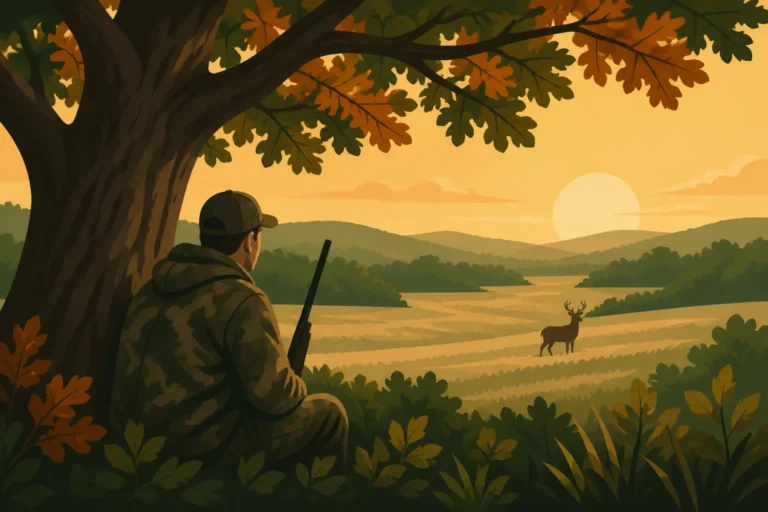
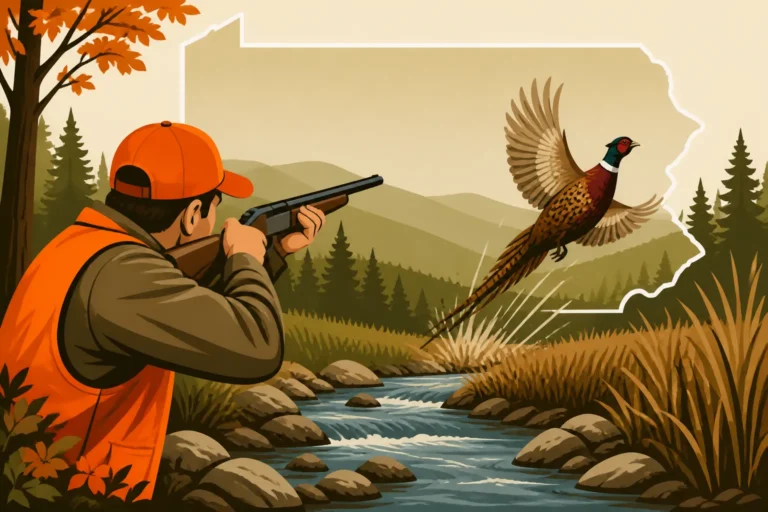
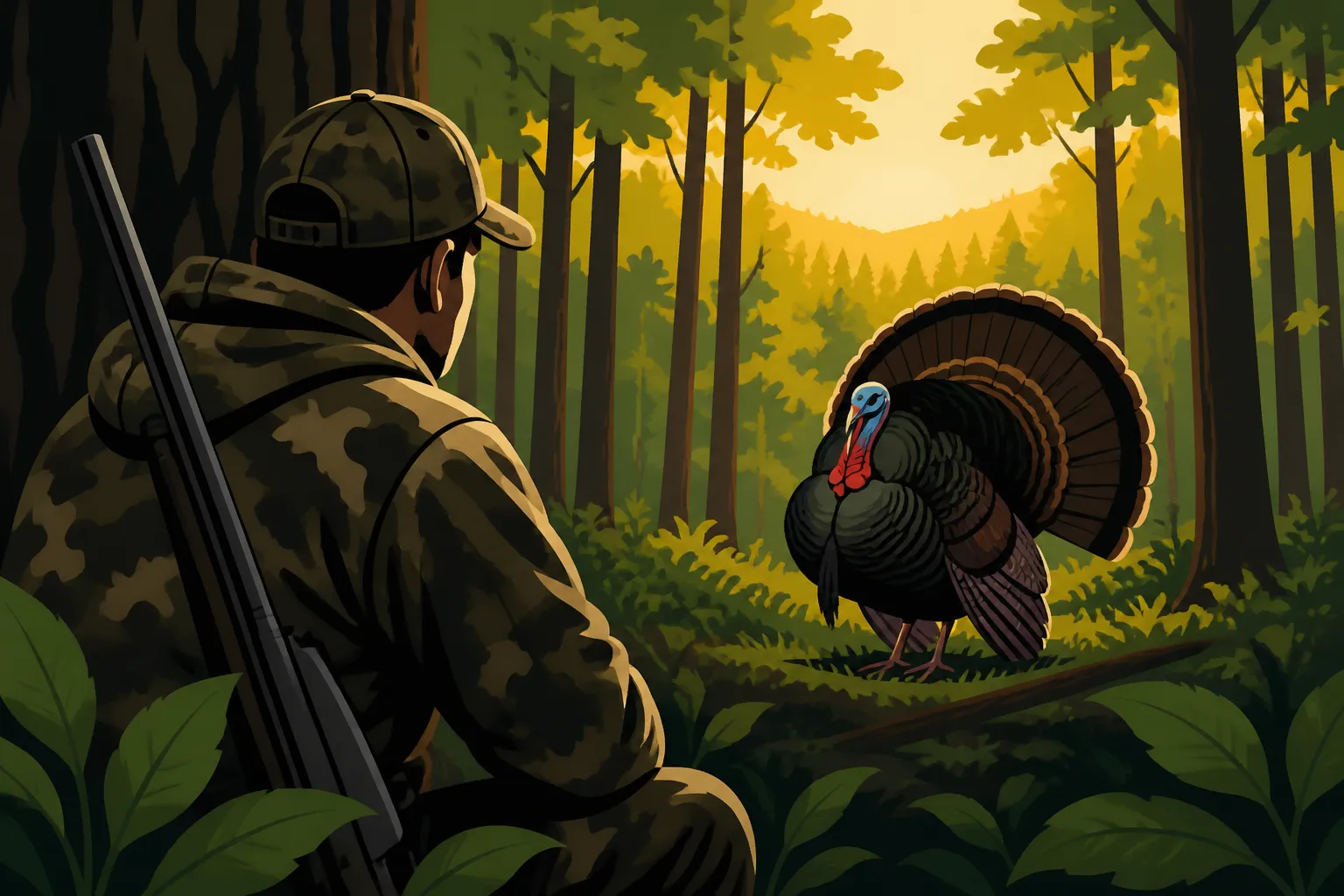
Hunting turkeys in Pennsylvania’s vast Big Woods can feel like searching for a needle in a haystack, especially when those gobblers go quiet or play hard-to-get in the dense timber. The sheer scale of these forests, with their deep hollows, steep ridges, and thick undergrowth, presents a unique challenge that often leaves even experienced hunters scratching their heads. This guide is here to walk you through the nuances of tackling those mountain monarchs, giving you practical strategies to increase your chances of success in Pennsylvania’s most challenging turkey habitat.
Understanding the Pennsylvania Big Woods Turkey Habitat
Chasing turkeys in Pennsylvania's extensive wilderness areas is a world away from hunting them in farm country. Forget about seeing them strutting across open fields; here, they are masters of concealment, using the terrain to their advantage in ways that can be incredibly frustrating for a hunter.
The Unique Challenges of Mountain Terrain
It's not like flat farmland where you can often spot birds from a distance. Here, a gobbler can hear your softest cluck from a mile away, yet seemingly vanish into a dip in the terrain or a thick patch of mountain laurel. Pennsylvania's Big Woods are characterized by their steep slopes, rocky outcrops, and dense patches of rhododendron and mountain laurel, often interspersed with mature timber. This varied terrain impacts how turkeys move, feed, and respond to calls.
Gobblers in these environments use elevation for safety, often roosting high on a ridge or a steep bench where they have a commanding view and can pitch down into a hollow. They move differently too, sometimes covering ground quickly by contouring a hillside, other times heading straight up or down a drainage. Understanding thermals is absolutely crucial here; these air currents rise in the morning, carrying sound and scent uphill, and fall in the evening, taking everything downhill. If you're calling from below, your sound might get "lifted" away over the gobbler's head, or worse, your scent could be carried straight to him. Picture standing on a bench overlooking a deep hollow. You call, and it sounds great, but the gobbler on the opposite ridge hears it perfectly and decides to wait for you to come to him, using the thermal to his advantage. This is where understanding Wind and Thermals on a Ridge becomes paramount.
Food Sources and Roosting Preferences
Just like any animal, turkeys are driven by their stomachs. In the Big Woods, their primary food sources often revolve around mast crops. Acorns, especially from various oak species (white oaks are a particular favorite), are king. When the acorn crop is good, turkeys can be found spending a lot of time on oak flats and benches, raking through leaves. Beech nuts are another high-energy food source, as are wild berries like blackberries and blueberries when in season. Insects are also a significant part of their diet, and they will scratch and forage extensively for them in leaf litter.
The challenge is that these food sources can be widely scattered across hundreds or even thousands of acres, making it incredibly tough to pattern birds to a specific location. They might be on one ridge one day and miles away on another the next.
When it comes to roosting, turkeys in the Big Woods tend to seek out the tallest, most dominant trees on high ridges, along steep benches, or sometimes near a water source in a hollow. Pines and hemlocks often provide excellent cover from both aerial predators and harsh weather. They prefer trees that offer a relatively clear flight path for them to pitch down into the woods at first light. Knowing where they'll likely roost significantly narrows your search area. Think about how turkeys use the land: a ridge with mature oak trees overlooking a spring or stream is often prime real estate. You might want to refer to Where Pennsylvania Gobblers Roost for more detailed insights.
Scouting and Locating Birds in Vast Timber
You can't just drive around in the Big Woods hoping to spot a flock of turkeys in a field. This is a habitat that demands serious, dedicated scouting, both remotely and on the ground.
Pre-Season Reconnaissance and Remote Scouting Tools
The sheer scale of public lands like those found within Tioga State Forest or the Allegheny National Forest means you can't walk every acre. This is where remote scouting becomes your best friend. Start by pouring over topographical maps and aerial photos. These tools are invaluable for identifying potential roosting ridges, benches, saddles, and travel corridors even before you step foot in the woods. Look for old logging roads, small clearcuts, power lines, and subtle changes in elevation that might concentrate turkey activity.
Modern mapping apps, like those from GoHunt, offer excellent overlays that show public land boundaries, elevation changes, timber types, and even historical timber cuts. I've personally spent countless hours poring over GoHunt's satellite imagery, marking potential roosting sites and strut zones in state forests like Sproul or Tioga. It’s a game-changer for narrowing down those vast expanses. You can identify a promising saddle between two ridges, note a mature oak flat just below it, and see thick mountain laurel patches for cover—all from your couch. These remote scouting sessions can save you miles of strenuous walking. For deeper dives into mapping, check out Scouting With the Pennsylvania Mapping Center.
Listening for Roosts and Locating Strut Zones
Once you've identified promising areas on your map, it's time to hit the ground. The best way to locate birds in the Big Woods is often with your ears. Get out before dawn and position yourself on a high point or a ridge where you can hear well across hollows and ridges. Listen intently for gobblers on the roost. They tend to gobble most frequently on clear, calm mornings, especially right before fly-down.
You can use locator calls—owl hoots, crow calls, or even a coyote howl—sparingly to try and provoke a "shock gobble" from a bird. Sometimes, simply slamming a car door or letting out a loud whistle can do the trick. The key is to be patient and listen. Let the woods wake up. Don't rush into an area and start blasting calls.
Once you’re on the ground, actively look for physical sign. Turkeys leave tracks, droppings, and shed feathers. Strut zones are particularly exciting finds; these are typically flat, relatively open areas where gobblers display for hens. They might be old logging roadbeds, ridgetop clearings, or even just patches of open timber. Look for wingtip drag marks on the ground. These signs might be few and far between in the Big Woods, but finding one is a goldmine. Your morning routine should involve getting to your chosen listening point well before legal shooting light. Let the woods wake up naturally around you. Position yourself where you can hear well but also move quietly towards a bird if he gobbles. This is a critical aspect of Roost Hunting Pennsylvania Gobblers.
Effective Calling and Decoy Strategies
Calling turkeys in the Big Woods is an art form, especially when dealing with the tricky acoustics of mountainous terrain. And decoys? They have their place, but often require a more strategic approach than in open fields.
Adapting Calls for Long-Range and Thick Cover
One of the biggest frustrations for hunters in the Big Woods is how sound travels—or doesn't. Echoes bounce off hillsides, thick cover absorbs calls, and terrain features can distort your carefully crafted yelps. This means you need to adapt your calling strategy. Start soft, but be ready to get loud if you need to reach across a deep hollow or through dense timber. A good box call or pot call, like a slate or crystal, can project sound incredibly well over long distances. Mouth calls are excellent for soft, close-in work, allowing you to purr and cluck subtly without moving your hands, which is crucial when a gobbler is nearing your setup.
The golden rule here is often: don't overcall. Sometimes, less is genuinely more, especially with pressured birds that have heard every trick in the book. A few clucks and yelps, followed by a long period of silence, can often be more effective than continuous loud calling. It makes the gobbler curious and encourages him to come looking. I remember a morning in the Bald Eagle State Forest where I had a gobbler hammering on the opposite ridge, but every time I called, he'd gobble once and then shut up. I switched to soft tree yelps and purrs, mimicking a hen just waking up, and finally, he committed. That's when I learned that sometimes, subtle yelps and soft purrs from a mouth call can be more persuasive than aggressive hen cutting, especially when they're already pressured. You might also want to explore Turkey Calls Worth Carrying in Pennsylvania.
Decoy Placement for Tricky Mountain Gobblers
Decoys in the Big Woods can be a double-edged sword. On one hand, they can provide that visual confirmation that a gobbler needs to commit to your setup. On the other, if a gobbler is coming in through thick cover, he might not see them until he's too close and spots you, or he might hang up out of range because he can't quite make them out.
My strategy typically involves a single hen decoy or, occasionally, a jake/hen combo. The key is to place them where the gobbler has to come into your shooting lane to investigate. Don't set them so far out that he can hang up out of range, just admiring them. If you're on a relatively flat bench or an old logging road, placing them at 20-25 yards, slightly quartering away from your position, can often draw a gobbler right into a curious inspection, turning his attention away from your actual position. Always be mindful of other hunters, especially when using decoys on public land. Hunter orange, carried when moving and only removed when set up, is key for safety. For more on decoy use, check out Decoy Placement for Pressured Birds.
| Calling Scenario / Terrain | Recommended Call Types | Decoy Strategy | Movement |
|---|---|---|---|
| Roosted Bird on Ridge | Soft tree yelps, clucks, purrs; locator calls to shock gobble | Single hen (submissive) placed 20-25 yds out, facing away from approach | Silent approach under darkness, set up well before fly down |
| Bird on Opposite Ridge (Far) | Loud box or pot calls, aggressive cutting to get attention, then soft yelps | No decoy or single hen if terrain allows visibility | Try to get on same elevation, then subtle movement to cut distance |
| Gobbler Hung Up (Mid-range) | Soft clucks, purrs, light yelps; maybe a kee-kee run to mimic lost bird | Single hen or jake/hen combo to draw attention, placed to create shooting lane | Minimal, quiet movement; let bird work to you |
| Still-Hunting & Locating | Sporadic locator calls (owl/crow), soft clucks, yelps every 15-20 min | None (mobile), or compact strutting gobbler if very aggressive & confident | Slow, deliberate movement; stop, call, listen, repeat |
Movement and Setup Tactics for Success
Once you've located a bird, or are actively searching, your movement and setup are paramount. Turkeys in the Big Woods are incredibly wary, and a wrong move can send them scattering.
Still-Hunting and Run-and-Gun Approaches
Given the vastness of the Big Woods, you can't just sit in one spot all day. You need to cover ground. One effective method is "still-hunting," which involves moving slowly, taking a few steps, then stopping to scan your surroundings and listen intently. Use your binoculars constantly, sweeping for any movement, however slight. This allows you to cover ground without making too much noise and potentially bumping birds before you know they're there. It’s also great for absorbing the subtle nuances of the terrain and identifying fresh sign.
Alternatively, the "run-and-gun" approach is excellent for covering more territory and trying to locate scattered birds. This involves moving quickly between strategic points, stopping frequently to call, and then relocating if you don't get a response within a reasonable time (say, 15-20 minutes). It's physically demanding, especially in steep terrain, but it can be incredibly productive when you're trying to find that one vocal gobbler in a vast area. Using GoHunt's satellite maps on your phone, you can plan your run-and-gun routes in advance, identifying potential calling points along old logging roads or atop small knobs. It helps you maximize your time and effort in these massive tracts, especially in areas where you are Hunting Pennsylvania's Big Woods for Deer and might stumble across turkey sign. This strategy is perfectly detailed in Run-and-Gun Turkey Tactics on Game Lands.
Setting Up Smart in Steep and Brushy Areas
Picking the right setup spot before the bird gets too close is arguably the most critical aspect of hunting Big Woods turkeys. You need a setup that offers good visibility, a clear shooting lane, and excellent concealment, ideally against a wide, sturdy tree to break up your outline and provide a comfortable backrest.
In steep country, try your absolute best to get above the bird if possible, or at least on the same contour line. Gobblers are often notoriously hesitant to come directly downhill to a call, preferring to stay on higher ground or traverse a bench. However, they will readily come uphill or along a contour. Use natural terrain features like fallen logs, thick rhododendron patches, or subtle changes in elevation for concealment. Blend into the landscape.
Consider this real-life scenario: You hear a gobbler on a steep mountainside. Instead of charging straight at him and hoping for the best, use your map or GoHunt app to find a bench or a subtle finger ridge that runs towards his position, allowing you to approach out of sight and maintain a tactical advantage. Set up on that bench, ensuring you have a clear shooting lane down the hill and good cover behind you. Call softly, mimicking a content hen, and let him work his way to you. I've learned this the hard way trying to rush a bird up a steep incline; patience, a good vantage point, and a solid setup, perhaps against a Setting Up Against a Big Oak on a ridgetop, will pay dividends. Remember, Big Woods turkeys are wary, and they often expect the hen to come to them. Make them work for it.
Disclaimer
Please note: Hunting regulations, seasons, and licensing requirements can change. Always consult the most current Pennsylvania Game Commission regulations before planning any hunting trip. This guide is for informational purposes only and does not supersede official regulations.