Finding Ground Others Walk Past
It's a frustrating reality for many hunters in Pennsylvania: you head out to public land, full of anticipation, only to find crowded parking lots and well-worn trails, signaling that every deer within a mile has likely been bumped already. This guide is all about changing that narrative, helping you identify and hunt those hidden pockets of ground that other hunters consistently walk right past, where whitetails find sanctuary.
Understanding Hunter Behavior and Pressure on Public Land
Before we can find those overlooked spots, we've got to understand why they're overlooked. It's not usually because they lack deer, but because they lack easy human access or seem less appealing at first glance. Most hunters, understandably, gravitate towards what's convenient, and deer quickly learn to exploit that.
The Low-Hanging Fruit Mentality
Think about the busiest spots on any given State Game Land or State Forest parcel. They're almost always within a short walk of a road, a parking area, or a clearly marked trail. It's human nature to take the path of least resistance. People want to get into the woods and start hunting, not embark on an expedition just to reach their starting point.
This creates predictable patterns of pressure. The first ridge line you encounter after leaving the truck? It's likely been walked a dozen times. That nice, wide logging road that snakes into the timber? You can bet deer know it's a highway for human activity, especially during firearms season. What happens is deer get pushed off these easily accessible areas. They don't vanish into thin air; they simply relocate to adjacent, less disturbed cover. Understanding this fundamental behavior is your first step to finding unpressured deer. They’re often just a little further, or in a slightly nastier spot, than the average hunter is willing to go.
The Edge Effect and Predictable Patterns
Hunters are often drawn to "edges." We talk about hunting field edges, creek bottoms, the transition lines between different types of timber, or the top of a prominent ridge. These are indeed natural travel corridors and feeding areas for deer. The problem is, everyone else knows it too. On public land, these classic "edge" spots become high-traffic areas for humans, negating their appeal for deer seeking security.
For example, a beautiful oak ridge might hold acorns, a prime food source. However, if it runs parallel to a popular hiking trail or a well-used hunter access road, deer will likely feed there at night or during periods of extremely low pressure, but they won't feel safe bedding nearby during daylight hours. They’ll gravitate to interior pockets of cover that are harder to reach and less obvious from these frequented edges. You've got to consider what a deer sees and smells from these popular spots and deduce where they'd go to escape that constant intrusion. For more context on public land pressure, check out our guide on Hunting Pressure on Pennsylvania Game Lands.
Season-Specific Pressure Points
Hunter pressure isn't static; it ebbs and flows throughout the various seasons, creating different "hotspots" and overlooked areas. Early archery season might see concentrated pressure around prime food sources like apple orchards or standing corn, especially near farm country. Come the rifle opener, that pressure explodes, and deer are driven into the thickest, nastiest cover they can find – often spots hunters avoid.
Later in the firearms season, especially the second week, many hunters have gone home or limited their efforts. The deer are still there, just even more wary. This is a prime time to find those overlooked spots, as the general human activity has significantly decreased. Similarly, late archery season might see deer concentrated on specific thermal cover or late-season food, but fewer hunters are out braving the cold, making certain remote areas less disturbed. Understanding these seasonal shifts helps you predict where deer will be pushed to and, consequently, where you should be looking.
Identifying Overlooked Terrain Features with Smart Scouting
The key to finding ground others walk past often starts long before you ever step foot in the woods. Modern technology has revolutionized how we scout, allowing us to find these hidden gems from the comfort of our homes.
Diving into Topographic Maps and Aerial Imagery
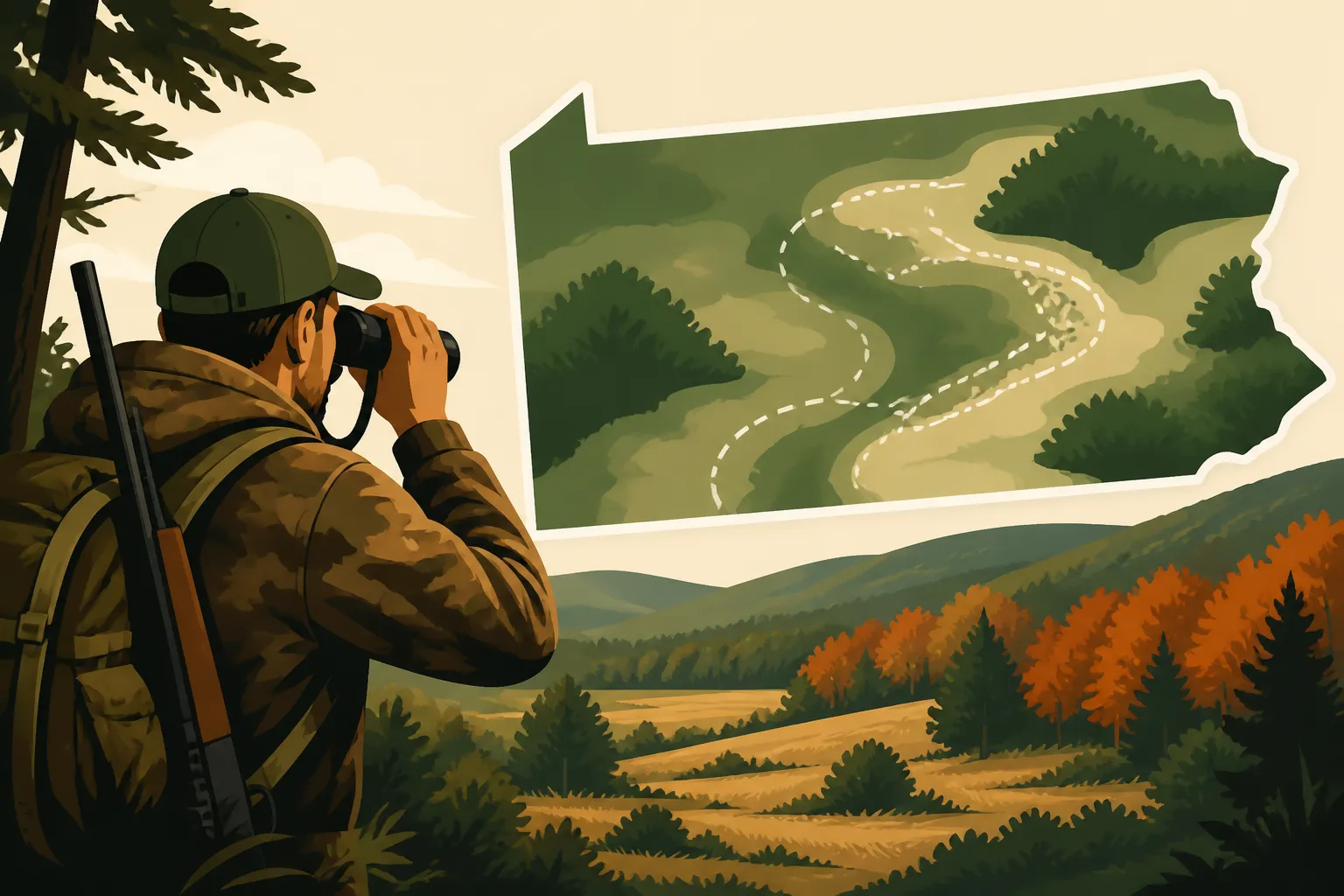
This is where your digital scouting skills truly shine. Forget just looking at green blobs on a map; you need to dig into the details. Use powerful mapping applications, like GoHunt, to analyze topography and aerial imagery. What you're looking for are subtle nuances that aren't immediately obvious on the ground or to the casual observer.
Think about small, isolated draws that snake up a hillside, not wide enough to be a prominent valley, but just enough to offer cover and funnel deer. Look for tiny benches or flat spots on steep slopes that are difficult to access from below or above. These can be prime bedding areas because deer feel secure knowing they can see or hear anything approaching from multiple directions, while also having a quick escape route down or along the bench. Pay close attention to changes in vegetation on aerial photos – areas that look darker green or more "textured" often indicate thicker cover that deer will flock to. These tools are invaluable for Scouting With the Pennsylvania Mapping Center, helping you pinpoint these secret spots.
Undulating Ground and Hidden Benches
Deer are masters of using topography to their advantage, and so should you. Often, what looks like a uniform hillside on foot can reveal subtle undulations on a topo map. These small rises, dips, and benches become crucial micro-habitats where deer will bed down, feed, or travel, feeling secure from two-legged predators.
A "bench" is essentially a relatively flat, narrow strip of land along a hillside. They're like natural deer highways and bedding platforms. The key is to find benches that aren't obvious and don't connect to easy access points. Look for them on the backside of a prominent ridge, or tucked into a re-entrant (a small valley or draw cutting into the hillside). These spots offer deer a clear advantage: they can often observe the terrain below and to the sides, feeling relatively safe from anything approaching from the more accessible high ground or valley floor. Learning to identify these from a map, then verifying them on foot, is a game-changer. Our piece on Hunting Oak Ridges and Benches delves deeper into these specific features. If you find one with some nice mature oaks, it might even be worth Hanging a Stand on an Oak Bench.
Isolated Thickets and Regenerating Timber
The absolute best spots to find deer that others walk past are almost always the nastiest, most uncomfortable places for a human to navigate. We're talking about impenetrable thickets of briars, dense patches of mountain laurel, or young, regenerating timber from an old clearcut. These areas offer supreme security cover that deer crave, especially when pressured.
Hunters often shy away from these spots because they're noisy to walk through, tear up clothing, and offer limited visibility. But that's precisely why deer love them! They can lie low, hidden from view, and easily detect anything pushing through the dense foliage. Often, a deer will only move a few yards into this kind of cover when spooked from more open woods, rather than running a mile. Dedicating the time and effort to carefully still-hunt the edges of, or even carefully push through, these thick areas can pay huge dividends. They are veritable sanctuaries, and they are critical to understanding deer movement, particularly when considering Hunting Pennsylvania Clearcuts and Regrowth.
Leveraging Access and Timing for Success
Beyond finding the physical spots, how and when you approach them is equally vital in finding unpressured deer. It’s about being smarter than the crowds, not necessarily faster or stronger.
The "Walk Further" Principle
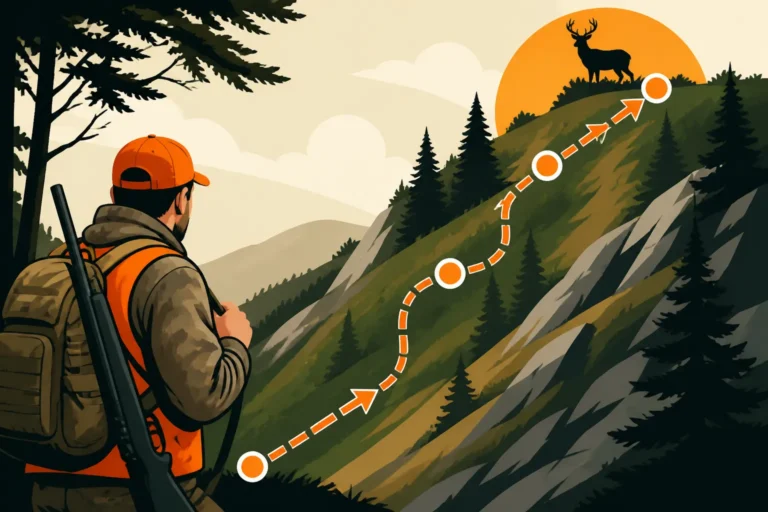
This is perhaps the simplest, yet most effective, strategy to find ground others walk past. Most hunters on public land have an invisible perimeter they rarely breach, typically a half-mile to a mile from their vehicle. Anything beyond that, especially in tough terrain, sees significantly less human traffic. The deer know this. They will instinctively push deeper into the woods, or into more challenging terrain, to escape the immediate vicinity of roads and trails.
It requires more physical exertion, planning, and sometimes an early start, but the rewards are often worth it. You'll frequently encounter fresher sign, less wary deer, and a more peaceful hunting experience overall. Use your mapping apps (like GoHunt) to plot out entry and exit routes that take you a mile or more from the nearest public access point. Don't be afraid to put in the miles; it's often the deciding factor in connecting with a mature whitetail. We cover more on this in our article on How Far to Walk From the Parking Lot.
Utilizing Difficult or Unconventional Entry Points
Don't limit yourself to the obvious parking lots and trailheads. Sometimes, the "secret" to finding overlooked ground is using an overlooked way in. This might involve finding a small, legal pull-off along a remote dirt road, even if it adds a bit more walking to your journey. It could mean crossing a small creek (where legal and safe) or traversing a steeper, less appealing section of terrain to get to your desired area.
Think like a deer: where would they go to avoid humans? And then, where would a human be least likely to follow? Often, that's where you'll find your entry point. This requires thorough map study and sometimes a bit of on-the-ground reconnaissance outside of hunting season. Look for those subtle changes in property lines, easements, or obscure forest roads that might not be clearly marked but offer legitimate access. Identifying and utilizing Entry Routes on Steep Ground can sometimes make all the difference.
Mid-Week and Mid-Day Exploitation
The hunting pressure on Pennsylvania public land is rarely consistent. Weekends, especially opening days of popular seasons, are often a circus. But what happens mid-week, or even just mid-day? The crowds thin out dramatically. Many hunters only have Saturdays to dedicate to the woods. This creates a golden opportunity for those with flexible schedules.
Hunting mid-week, particularly Tuesday through Thursday, can feel like you have the entire forest to yourself, even in areas that were packed on the previous Saturday. Similarly, while many hunters focus on prime morning and evening hours, hitting the woods mid-day can also be productive. Deer that have been bumped during the morning rush will often settle into thick cover. If you can slip into those overlooked bedding areas or adjacent thickets around 10 AM or 11 AM, you might catch them making a small shift or standing up for a stretch. This strategy is particularly effective during Hunting the Second Week of Rifle Season when many hunters have already punched their tags or given up.
Advanced Scouting and In-Season Adaptations
Even with the best pre-season planning, the woods are dynamic. Learning to adapt and react to real-time information, both from deer and other hunters, is critical for consistent success.
Reading Sign for Pressure and Movement
Deer sign tells a story, and learning to interpret it effectively is paramount. When looking for overlooked ground, you're not just looking for any sign; you're looking for sign that indicates deer are using an area because of pressure, or that they feel secure enough to use it during daylight. This means fresh rubs and scrapes that are not along obvious travel corridors, but rather tucked deep in thickets or on those hidden benches.
Pay attention to subtle browsing, fresh tracks that indicate purposeful movement through dense cover, or even small bedding areas that show recent use in a spot you wouldn't expect. If you find a series of scrapes along an old logging road that's deep within the woods and not heavily traveled, that's a classic example of Scrape Lines Along a Logging Road that could indicate a mature buck's core area, especially if other hunters aren't bothering to walk that far.
Human Sign and Avoiding the Crowds
Just as deer leave sign, so do humans. Learning to read human sign can be just as important as reading deer sign. Fresh boot prints on a trail, discarded snack wrappers, an old, forgotten treestand, or even the scent of human presence can tell you where other hunters have been. This information isn't always negative. If you see signs of consistent human activity in one area, it tells you two things:
- That area is probably pressured, and
- The deer in that area are likely pushed into adjacent, less-traveled spots.
Use this knowledge to your advantage. If you find a popular access point with fresh tracks, make a conscious effort to swing wide, go deeper, or find an alternative route to get away from that immediate pressure. The goal isn't to avoid other hunters, but to hunt where they aren't.
Using Wind and Thermals to Your Advantage
Even in the most remote and overlooked spots, wind and thermals remain your most critical allies and enemies. Finding unpressured deer doesn't negate the fundamental rules of scent control and approach. In fact, it might make them even more crucial, as these deer are likely even warier than their counterparts closer to roads.
Always consider your approach based on the prevailing wind and the thermal currents, especially in hilly terrain. Thermals tend to rise as the sun warms the earth in the morning and fall as it cools in the evening. This means approaching a ridge from below in the morning, or from above in the evening, can carry your scent directly to any deer bedded there. Understanding Wind and Thermals on a Ridge is non-negotiable, particularly when you're venturing into unfamiliar, overlooked ground. Combine your knowledge of hidden terrain features with impeccable wind discipline, and you'll significantly increase your odds.
Hunter Behavior vs. Overlooked Spots
Here's a quick comparison of common hunter locations versus the overlooked spots you should be targeting:
| Characteristic | Common Hunter Location | Overlooked Hunter Location (Your Target) |
|---|---|---|
| Access Distance | < 0.5 mile from vehicle/road | > 0.75-1 mile from vehicle/road, or difficult access |
| Terrain Features | Prominent ridge tops, wide draws, field edges | Small, isolated benches; steep, brushy draws; deep re-entrants |
| Cover Type | Open hardwoods, mature timber | Dense briars, mountain laurel thickets, young clearcuts |
| Human Sign | Fresh boot prints, old stands, clear trails | Sparse human sign, overgrown old roads, subtle game trails |
| Time of Day/Week | Early morning/late evening, weekends, opening days | Mid-day, mid-week, rainy/inclement weather |
| Deer Activity | Nocturnal, wary, easily spooked | More daylight activity, less wary initially |
By understanding these distinctions and actively seeking out the latter, you'll be well on your way to finding those hidden gems where Pennsylvania whitetails feel safe, giving you a distinct advantage. Happy hunting!
Disclaimer
Hunting is an inherently dangerous activity. Always prioritize safety, understand and obey all Pennsylvania Game Commission regulations, and be aware of your surroundings. The advice provided here is for informational purposes only, and individuals should exercise their own judgment and skill when hunting.