What Changes When Beech Nuts Drop
Many Pennsylvania hunters know the frustration of having deer vanish from their usual spots overnight, especially as fall deepens. Often, this isn't just random movement; it's a direct response to a changing food source. When the elusive beech nuts finally begin to drop, it can completely reshuffle deer patterns and impact other game species across the Commonwealth, forcing hunters to adapt their strategies quickly. This guide will explore exactly how this natural phenomenon alters the hunting landscape.
The Silent Feast of Beech Nuts
Pennsylvania's forests are a tapestry of diverse tree species, but the American Beech (Fagus grandifolia) stands out, especially when it comes to wildlife forage. You can spot a mature beech tree fairly easily, even without its leaves. Look for that smooth, light gray bark – almost like elephant hide – that stays distinct even on older trees. Unlike the fissured bark of oaks or maples, beech bark is remarkably consistent and often carved with initials, a testament to its smooth surface. These trees prefer well-drained, fertile soils and are often found mixed within mature hardwood stands, particularly in the northern tier and central mountains of Pennsylvania, though they exist across the state.
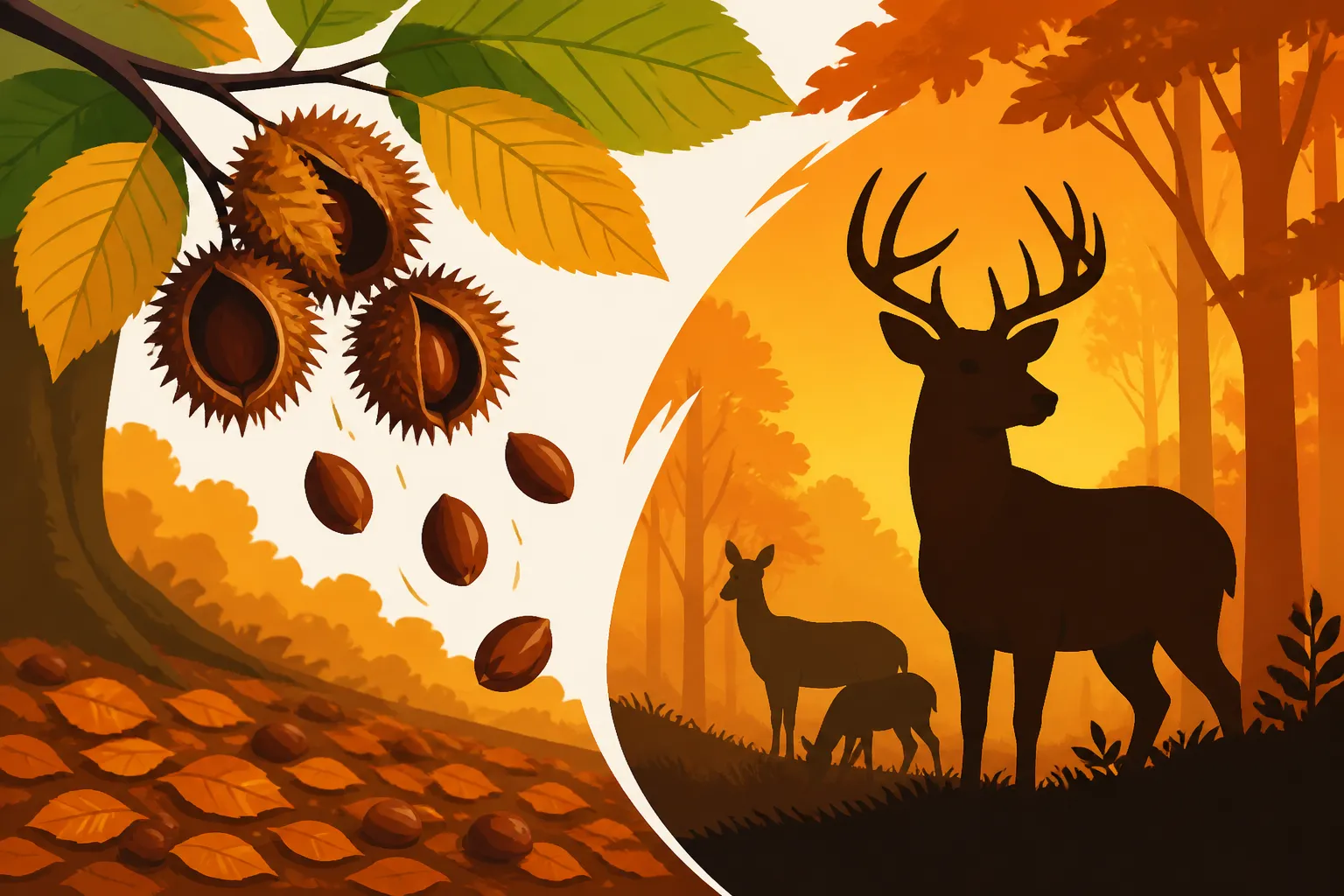
The real prize, though, is their fruit. Beech nuts are small, triangular nuts encased in a distinctive prickly burr. Each burr typically holds one or two of these shiny, edible nuts. Unlike the large, easily visible acorns that rain down from oaks, beech nuts are much smaller and often hidden within the leaf litter once they fall. This can make scouting for them a bit more challenging. However, their high fat and protein content makes them incredibly attractive to a wide array of wildlife, sometimes even more so than acorns, especially after an early acorn crop has been heavily consumed. Hunters who can locate these trees and understand their annual production cycle often gain a significant advantage in the woods.
The Nutritional Powerhouse for Wildlife
When beech nuts drop, it's like a sudden gourmet buffet for forest animals. These small, nutrient-dense nuts are incredibly rich in fats and proteins, offering a concentrated energy source that is vital for deer, bears, and turkeys as they prepare for the lean winter months. Compared to acorns, which also provide essential energy, beech nuts often have an even higher fat content, making them a crucial component of a wildlife diet, particularly in years when acorn crops might be sparse. This nutritional punch influences everything from weight gain to reproductive success for the animals that heavily rely on them.
The sheer appeal of beech nuts means that once they start hitting the forest floor, many animals will shift their focus almost entirely to these areas. It’s not just a subtle change; it can be a dramatic one. Deer that were consistently feeding on clover plots or acorns from white oaks might suddenly abandon those areas to converge on a productive beech flat. This concentrated food source provides everything they need to pack on critical calories, making them a high-value target for any hunter willing to seek them out. Understanding this intense draw is the first step in adjusting your hunting strategy when these precious nuts begin to fall.
How Deer and Other Game Adapt
The moment beech nuts start dropping, deer, especially mature bucks, often undergo a significant shift in their daily routines. They'll abandon less appealing food sources, even prime acorn flats that might have been hot just a week prior. Instead, they'll often bed closer to productive beech stands, making shorter, more efficient trips to feed. This means that if you've been patterning deer around an oak ridge, you might find those patterns completely disrupted. Instead of long travel corridors, deer might only move a few hundred yards from their bedding to a beech-laden area, making their movements more localized and harder to predict without intimate knowledge of the area.
This shift isn't just about where they eat, but when and how they eat. Deer will often spend more time actively foraging under beech trees, diligently sifting through leaf litter to find every last nut. This can lead to increased daylight activity in these specific locations. When hunting areas with good beech crops, you might observe deer feeding well into the morning or starting earlier in the afternoon than they would in other feeding zones. This concentrated feeding behavior, however, can also make them more vulnerable if a hunter knows where to be and when, provided the hunter can avoid creating excessive pressure. You’ll also find increased rubbing and scraping activity along the edges of these preferred feeding zones, as bucks mark their territory close to this valuable resource.
Impact on Bear and Turkey Behavior
It's not just deer that get excited about beech nuts. Black bears, especially in areas like the vast woods of northern Pennsylvania or the Allegheny National Forest, are massive fans of these fatty morsels. Before denning for winter, bears enter a hyperphagia phase, where they eat almost continuously to pack on as much fat as possible. A heavy beech crop is a goldmine for them, often causing them to congregate in beech stands, sometimes to the exclusion of other food sources. If you're considering Pennsylvania Black Bear Hunting, understanding this seasonal shift is absolutely critical. Bears will spend hours, even days, raking through the forest floor under these trees, and their scat will be full of the distinctive prickly burrs.
Wild turkeys also have a keen eye for beech nuts. While acorns are a staple, turkeys will readily consume beech nuts when available, supplementing their diet of insects and other seeds. You'll often find entire flocks scratching and pecking beneath beech trees, their noisy rustling a dead giveaway. This makes locating turkeys much easier, as they become more predictable in their feeding. If you're scouting for Fall Turkey Hunting in Pennsylvania, a productive beech flat can be an excellent starting point. The presence of these other species reinforces the idea that beech stands become high-traffic zones, and recognizing the signs of their presence—tracks, droppings, and disturbed leaf litter—can provide invaluable clues to a hunter.
Hunting Strategies When Beech Nuts Drop
When beech nuts are dropping, traditional scouting methods might need a tweak. Instead of just focusing on oak flats or agricultural fields, your first priority should be identifying mature beech stands. Look for those smooth, gray-barked trees, often growing in clusters or along benches and ridges. You can use mapping tools like GoHunt to identify areas with a high concentration of hardwoods, which often indicates potential beech habitat. Once you've located these areas on a map, it's time for boots on the ground. Walk through these stands, looking for fresh signs: disturbed leaves where deer have been pawing, fresh tracks, droppings full of nut particles, and the distinctive prickly burrs on the ground.
Stand placement around a beech stand requires careful consideration. Unlike an open food plot where deer might enter from any direction, beech stands often have more subtle travel corridors within or around them. Look for pinch points, subtle saddles, or small draws leading into the feeding area. If possible, set up on the downwind side of the prevailing wind, slightly off the main feeding area, catching deer as they approach or leave. For archery season, especially during Bowhunting Pennsylvania's October Archery Season, a stand 20-25 yards off the densest feeding sign can be deadly. Remember, deer will be focused on feeding, but still highly alert. Minimizing your entry and exit noise and scent is paramount.
Still-Hunting and Drives in Beech Stands
Still-hunting becomes incredibly effective in beech-heavy timber once the nuts start dropping. Because deer are often intently focused on picking through the leaf litter for nuts, they tend to be less aware of their surroundings, offering a unique opportunity for a slow, methodical hunter. Move at a snail's pace, pausing frequently, using your binoculars to pick apart every shadow and patch of cover. Pay close attention to subtle movements – a flick of an ear, a twitching tail, or the slight shifting of leaves. The rustling of your own footsteps can be masked by the natural sounds of deer feeding, but you still need to be exceptionally quiet. This tactic works best in larger, more open beech stands where visibility is decent. For hunters keen on Still-Hunting Pennsylvania Big Woods, focusing on beech stands during a mast drop can dramatically increase success rates.
For those hunting in groups, small, organized deer drives can be particularly successful through these concentrated feeding areas. Knowing that deer are likely congregated in a specific beech flat gives a drive a clear objective. Position standers at known escape routes or along benches leading away from the feeding area, understanding that deer will often try to circle back or slip out quietly. The pushers should move slowly and deliberately, pausing to listen and ensuring they cover the area thoroughly. This is especially true when organizing Deer Drives on Pennsylvania State Game Lands, as deer can be pressured and will quickly learn to avoid obvious movement. GoHunt’s mapping features can assist greatly in planning these drives by identifying terrain features that naturally funnel deer movement through beech-rich areas.
Broader Seasonal Shifts to Consider
While beech nuts are fantastic, they don't exist in a vacuum. Pennsylvania's forests offer a variety of mast, and understanding how beech nuts fit into the broader picture is key. Acorns, from both white and red oak species, are often the primary mast crop. White oak acorns drop earlier, are less bitter, and are often consumed first. Red oak acorns drop later and are more bitter but last longer into the winter, providing a critical late-season food source. When beech nuts hit the ground, they can actually outcompete acorns in terms of deer preference due to their higher fat content, temporarily drawing deer away from even plentiful oak flats. This means that Hunting Oak Ridges and Benches might not be as productive if a significant beech crop is available elsewhere.
However, a good beech crop isn't an every-year occurrence. Beech trees, like oaks, have mast cycles, and a bumper crop might only happen every few years. Hunters need to be adaptable. If beech nuts are sparse, deer will rely heavily on acorns, especially from red oaks as the season progresses. Other food sources, like wild grapes, apples, or even browse, become more important during years of low mast production. Your scouting should always be dynamic, adapting to the current year's natural food availability. Consulting resources like GoHunt can provide insights into historical mast crop trends in different regions, helping you predict potential hotspots and understand What Changes When Beech Nuts Drop in comparison to acorn failures.
| Mast Type | Drop Time (PA) | Preference (Deer) | Key Nutrients | Common Location | Notes |
|---|---|---|---|---|---|
| White Oak Acorns | Early-Mid Fall | High | Carbohydrates | Mixed Hardwoods, Ridges | Less bitter, preferred early. Can draw deer heavily. |
| Beech Nuts | Mid-Late Fall | Very High | Fats, Protein | Mixed Hardwoods, Moist Soils | Small, high calorie. Can trump acorns when available. |
| Red Oak Acorns | Late Fall-Early Winter | Moderate | Carbohydrates | Mixed Hardwoods, Ridges | More bitter, lasts longer. Crucial late-season food, especially after other mast is gone. |
| Hickory Nuts | Mid Fall | Moderate | Fats, Protein | Mixed Hardwoods | Hard to crack, but bears and squirrels love them. Deer will eat if other mast is scarce. |
| Soft Mast (Apples, Grapes) | Early-Mid Fall | High | Sugars, Water | Field Edges, Old Orchards | Highly attractive but short-lived. Provides quick energy burst. |
Preparing for Late Season Challenges
The arrival of beech nuts often coincides with a transition period in the hunting season, moving from the peak rut into the late archery and firearms seasons. As winter approaches, food becomes even more critical for survival. Deer are looking to regain lost weight from the rut and build up reserves, making calorie-dense beech nuts an undeniable draw. This makes understanding their impact crucial for Hunting Pennsylvania's Late Archery Season or when trying to fill a tag during the colder, post-rut firearms days, such as during Pennsylvania's Two-Week Firearms Deer Season.
Furthermore, weather patterns play a huge role. Early snowfall can quickly cover fallen beech nuts, making them harder for deer to find. In these situations, deer might revert to browsing on woody stems or seeking out agricultural fields where food might still be accessible above the snow. Your gear choices, from insulated clothing to proper boots for walking through snow and slick leaves, become even more critical when pursuing game in these colder conditions. Always be prepared to adapt your strategy, not just to the current food source, but also to the ever-changing weather of a Pennsylvania fall and early winter. This adaptable approach is key for consistent success, whether you're navigating Flintlock and Muzzleloader Deer Hunting in Pennsylvania or Hunting Deer in Deep Pennsylvania Snow.
Disclaimer
Hunting is an inherently dangerous activity. Always prioritize safety, follow all Pennsylvania Game Commission regulations, and obtain appropriate licenses and permits before heading into the field. This guide provides general information and should not replace professional guidance or personal experience. Conditions in the field can change rapidly, and hunters are responsible for their own safety and ethical conduct.