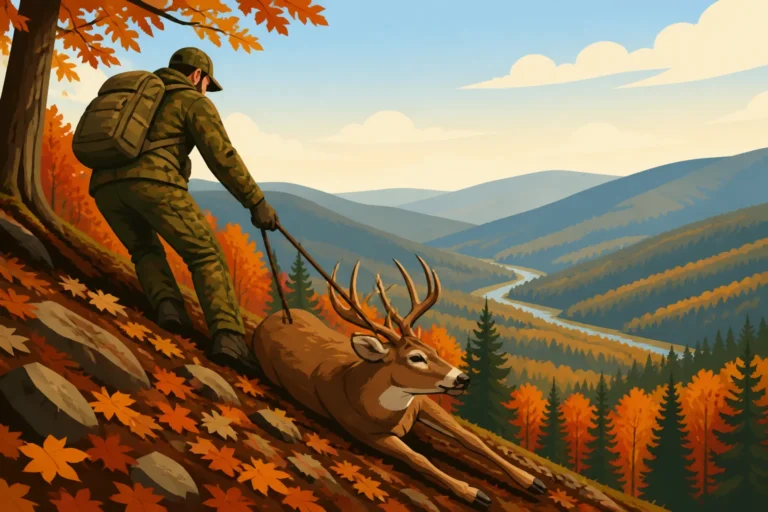
Pennsylvania Black Bear Hunting
There's nothing quite like the rush of hunting black bears in Pennsylvania. For many, it represents the ultimate challenge in the Keystone State's woods – a formidable animal in dense cover, demanding skill, patience, and a deep understanding of its habits. But navigating the various seasons, regulations, and vast public lands can feel overwhelming. This comprehensive guide will demystify Pennsylvania black bear hunting, offering detailed insights and practical advice to help you confidently pursue one of our most impressive game animals.
Understanding Pennsylvania's Black Bear Population and Habits
Pennsylvania boasts a thriving black bear population, a testament to effective wildlife management and diverse habitats. Before you even think about hitting the woods, it's vital to understand where these magnificent creatures live and how their behavior changes throughout the year.
Where Pennsylvania Bears Range
Black bears are surprisingly adaptable, and you can find them across much of the state, from the dense, mountainous "big woods" regions of the north-central tier to the sprawling farm country of the south and even creeping into more suburban areas. The highest concentrations, however, are typically found in the northern and northeastern parts of the state. Counties like Potter, Tioga, Lycoming, Clinton, Centre, and Pike are legendary for their bear numbers and harvest potential. These areas provide the expansive, contiguous forest habitat bears prefer, offering ample cover and a variety of natural food sources.
However, don't overlook areas further south. As the bear population has grown, bears have expanded their range into more agricultural and mixed-use landscapes. Here, they might feed heavily on corn, apples, or other crops, often creating different patterns of movement and bedding than their big woods counterparts. Understanding this geographic distribution and the specific characteristics of your chosen hunting area is your first step towards success. For detailed insights, you can explore resources like the Pennsylvania Black Bear Population Estimate, which provides a scientific look at where bears are thriving.
Bear Behavior Through the Seasons
A bear's life revolves around food, and their behavior shifts dramatically with the changing availability of sustenance. In the early fall, leading up to the archery bear season, bears are in a hyperphagic state, meaning they're eating almost constantly to put on fat reserves for hibernation. This is when acorns, beechnuts, and wild berries are critical. Identifying these prime food sources is paramount. Look for oak flats, hickory ridges, and areas with abandoned apple orchards. Bears will often move between these feeding areas and dense cover for bedding, creating predictable travel corridors.
As the weather cools and the general firearms season approaches, natural food sources may become scarcer, especially if there's an early hard frost or a poor mast crop year. Bears might then focus on remaining soft mast, conifer seeds, or even move towards agricultural fields to feed on corn. If significant snow falls, bears may begin to seek out denning sites. However, they don't typically enter full hibernation until consistent, deep cold sets in, often well after the bear seasons have concluded. A warm fall can keep bears active and feeding longer, potentially making them more accessible to hunters. Conversely, an early, brutal cold snap can push them towards dens earlier, making them harder to find.
Population Health and Trends
Pennsylvania's black bear population is a conservation success story. The Pennsylvania Game Commission (PGC) diligently manages the herd, using scientific data to set season lengths and bag limits, ensuring sustainable hunting opportunities while maintaining a healthy population. Historically, the bear population has steadily increased, allowing for expanded seasons and record harvests in recent years. This healthy population means hunters have an excellent chance of encountering a bear.
The PGC monitors harvest trends, age structures, and disease prevalence, all contributing to informed management decisions. Knowing that you're hunting in a state with a robust, well-managed bear population adds to the excitement and ethical responsibility of the hunt. This commitment to conservation is why Pennsylvania remains one of the top bear hunting destinations in the country. For more on this, check out the Pennsylvania Black Bear Harvest Trends which offers a good overview of the state's success.
Navigating Pennsylvania's Bear Seasons
Pennsylvania offers a diverse lineup of bear seasons, each with its own nuances, challenges, and opportunities. Understanding the different periods is crucial for planning your hunt and maximizing your chances of success.
Archery Bear Season
For the dedicated bowhunter, the archery bear season is a highly anticipated event. Typically held in mid-October, often overlapping with the peak of the deer rut in some areas, it presents a unique blend of challenge and reward. This early season usually means bears are still actively feeding, trying to put on as much weight as possible before winter. They're often focused on acorns and other hard mast crops, making food source scouting incredibly important.
Bowhunting bears demands stealth, precision, and proximity. You'll need to get within close range, typically 30 yards or less, which requires impeccable scent control and silent movement. The woods during archery bear season can be beautiful, with vibrant fall foliage, but also thick with cover, making visibility limited. Many archers choose to hunt from treestands overlooking active feeding areas or dense travel corridors connecting bedding and food. It's a truly immersive experience that pits your skills directly against one of Pennsylvania's most cunning animals. For specific strategies, our guide on Archery and Muzzleloader Bear Tactics can provide more detailed information.
The General Firearms Bear Season
This is the big one – the traditional four-day firearms bear season, usually starting the Saturday after Thanksgiving. This season draws the largest number of hunters and often results in the highest harvest numbers. The atmosphere in bear country during this time is electric, with camps full and hunters eager to hit the woods.
Hunting during the general firearms season often means cooler temperatures, and sometimes even snow, which can be a double-edged sword. Snow makes tracking easier and quiets your footsteps, but also makes bears harder to spot if they're bedded down and camouflaged. Due to the high hunter pressure, many bears will become nocturnal or seek refuge in the thickest, nastiest cover they can find. This is where bear drives become particularly effective, as organized groups of hunters work together to push bears out of dense pockets of habitat. Understanding hunter density and moving away from easily accessible areas can be key to finding unpressured bears.
Extended Bear Seasons by WMU
Beyond the general firearms season, Pennsylvania offers extended bear seasons in many Wildlife Management Units (WMUs). These seasons often run concurrently with a portion of the deer firearms season or even the late archery/flintlock deer seasons. These extended opportunities are a result of increasing bear populations and the need for additional harvest to manage the herd effectively.
Hunting the extended seasons can be a different experience. Hunter numbers are generally lower than during the main four-day season, and bears might have settled back into more natural patterns after the initial burst of pressure. If the season overlaps with deer season, you'll need to be extra vigilant about hunter orange requirements, which can differ for bear versus deer. These later seasons can also mean colder weather, requiring different gear and endurance. These extended opportunities are particularly valuable for hunters who might not have had success in the earlier seasons or prefer a less crowded hunting experience. Check the PGC regulations carefully for specific WMU dates and rules, as they can vary year to year.
Allowed Weapons and Special Firearms Seasons
Pennsylvania permits various firearms during bear season, including most centerfire rifles, shotguns with slugs, and muzzleloaders. Handguns are also permitted, provided they meet specific caliber and barrel length requirements. While there isn't a dedicated muzzleloader-only bear season like there sometimes is for deer, muzzleloaders are a legal weapon during the general and extended firearms bear seasons. This gives hunters flexibility in their choice of weapon, allowing them to use what they are most comfortable and proficient with.
It's always critical to consult the current Pennsylvania Hunting & Trapping Digest for the precise legal firearms and ammunition requirements for each season and WMU. Ensure your chosen firearm is adequately powerful for black bear, capable of delivering a humane and ethical kill. While a .243 Win might be sufficient for deer, many hunters prefer larger calibers like a .30-06 Springfield, .308 Win, or .300 Win Mag for bears to ensure maximum knockdown power and penetration, especially through heavy bone.
| Season Type | Typical Dates | Legal Weapons | Key Characteristics | Hunter Orange |
|---|---|---|---|---|
| Archery | Mid-October | Bows, Crossbows | Stealthy, close-range; focused on feeding areas | Not Required* |
| General | Saturday after Thanksgiving | Rifles, Shotguns (slugs), Muzzleloaders, Handguns | High hunter pressure; drives common; colder weather | Required |
| Extended | Late Nov – Early Dec | Rifles, Shotguns (slugs), Muzzleloaders, Handguns | Lower pressure; often concurrent with deer seasons | Required |
Note: While hunter orange isn't required for archery bear hunters, it's always a good idea to wear it when moving to and from your stand, especially if deer season overlaps or if you are on public land during times of higher hunter density. Always check current regulations.
Essential Bear Hunting Tactics and Strategies
Hunting Pennsylvania black bears requires a blend of keen observation, strategic planning, and often, a good dose of perseverance. Bears are notoriously reclusive, and success often comes down to understanding their habits and anticipating their movements.
Scouting for Bear Sign
This is perhaps the most critical component of a successful bear hunt. Bears leave a treasure trove of clues if you know what to look for. Start scouting well before the season opens, focusing on areas known for good mast crops like acorns, beechnuts, and wild grapes. Look for:
- Tracks: Large, five-toed tracks in soft soil or mud are unmistakable. Pay attention to the direction of travel.
- Scat: Bear droppings vary greatly depending on their diet. Berry-filled scat is common in early fall, while mast-heavy scat (crushed acorn shells) is prevalent later. Fresh scat is a strong indicator of recent activity.
- Claw Marks and Rubs: Bears will climb trees, leaving visible claw marks, especially on beech trees when foraging for nuts. They also rub their backs and shoulders on trees, leaving fur and distinctive marks, often along trails or near bedding areas.
- Feeding Areas: Overturned rocks, torn-up logs, and paw prints in berry patches or cornfields are all signs of a bear's mealtime. In oak flats, look for disturbed leaves under trees where bears have been gorging on acorns.
- Travel Corridors: Identify distinct trails connecting bedding areas (often dense laurel thickets or swamps) to feeding areas. These can be prime spots for an ambush or stand placement.
Tools like the mapping features on GoHunt can be invaluable here. You can identify potential food sources, locate dense cover for bedding, and mark historical bear sign to develop a comprehensive scouting plan. Look for areas in the Allegheny National Forest Hunting or various State Game Lands where these signs might be concentrated.
Still-Hunting and Stalking
For the solitary hunter, still-hunting and stalking can be incredibly effective, especially in dense Pennsylvania cover. This method involves moving slowly and deliberately through the woods, pausing frequently to scan and listen. Bears, despite their size, can be incredibly quiet. The key is to blend in with your surroundings, use the wind to your advantage (bears have an incredible sense of smell), and move at a snail's pace. Think "one step, stop, look, listen, repeat."
Focus your still-hunting efforts in areas with abundant bear sign, especially along the edges of thick cover or between known food sources. Use binoculars to thoroughly scan every shadow and brush pile. During the general firearms season, when many bears are pushed into dense sanctuaries, a slow, methodical still-hunt can surprise a bedded bear or intercept one moving through heavy timber. This is particularly effective in large tracts of Hunting Pennsylvania State Forests where human pressure might be less concentrated in specific spots.
Bear Drives in Pennsylvania
Bear drives are a time-honored tradition in Pennsylvania, especially on public lands during the general firearms season. When bears are pressured, they often hunker down in thick laurel patches, clearcuts, or deep swamps. A well-organized bear drive can effectively push these bears out of their sanctuaries and past waiting "posters" or standers.
A successful drive requires careful planning, communication, and adherence to safety protocols. A designated "drive captain" should assign roles (drivers vs. posters), delineate boundaries, establish safe firing lanes, and ensure everyone understands the plan. Drivers move through the cover, making noise to push bears, while posters are strategically positioned along escape routes, typically on benches, ridge lines, or logging roads. The goal is not to "run" the bear, but to get it to move naturally along its preferred escape routes. Drives are physically demanding for the drivers and require patience from the posters, but they can be incredibly productive for moving stubborn bears. Learn more about effective group tactics from Deer Drives on Pennsylvania State Game Lands as many of the principles apply directly to bear.
Ambush Hunting and Stand Placement
Ambush hunting, whether from a treestand or a ground blind, is another highly effective tactic, particularly during the archery season or in less-pressured areas. The strategy here is to identify key choke points, feeding areas, or travel corridors and set up to intercept a bear.
When choosing a stand location, consider:
- Food Sources: Overlooking an oak flat, a hickory ridge, or an abandoned apple orchard.
- Travel Routes: Funnels between two dense pieces of cover, along the edge of a clearcut, or a natural bench on a hillside.
- Water Sources: Especially important during dry periods.
- Wind Direction: Always set up so your scent is carried away from the likely approach of a bear.
- Escape Routes: Plan how you'll get in and out of your stand without alerting animals.
A treestand offers a wider view and helps with scent dispersal, while a ground blind provides excellent concealment, especially in thick cover. If using a ground blind, ensure it's brushed in thoroughly and set up well in advance to allow animals to become accustomed to its presence. This tactic demands patience and long hours on stand, but can pay off with a close-range encounter.
Gear and Preparation for a Successful Bear Hunt
Hunting black bears in Pennsylvania demands reliable gear that can withstand the rigors of the terrain and weather. Being prepared ensures both safety and success.
Firearms and Ammunition Choices
Choosing the right firearm is paramount for ethical bear hunting. While a .243 Winchester might be adequate for deer, bears are tougher animals, and a more powerful cartridge is generally recommended. Calibers like the .270 Win, .30-06 Springfield, .308 Win, .35 Whelen, or larger magnum cartridges (.300 Win Mag, 7mm Rem Mag) offer sufficient energy and penetration for black bear.
- Rifles: Most modern centerfire rifles are suitable. Focus on accuracy and a cartridge you can shoot proficiently.
- Shotguns: If hunting in Special Regulations Areas where rifles are prohibited, a 12- or 20-gauge shotgun with high-quality slugs is necessary. Rifled barrels significantly improve accuracy with modern sabot slugs.
- Muzzleloaders: Legal during firearms seasons, muzzleloaders require specific projectile choices for bears. Conical bullets or heavy saboted projectiles are preferred over patched round balls for increased energy and penetration.
Regardless of the weapon, use premium, heavy-for-caliber bullets designed for deep penetration and controlled expansion. Practice extensively at the range to ensure you can place your shots accurately under pressure. For ethical shot placement on a black bear, aim for the lung/heart region, just behind the shoulder.
Optics and Essential Accessories
Quality optics are crucial for spotting bears in dense cover and confirming ethical shot opportunities.
- Binoculars: A good pair of 8×42 or 10×42 binoculars will be your best friend for scanning thick woods. Look for good low-light performance.
- Rangefinder: Bears are often larger than they appear, and judging distance in the woods can be tricky. A rangefinder ensures you know your exact shot distance.
- Mapping Technology: A reliable GPS unit or a robust hunting app on your smartphone (like GoHunt) is indispensable. These tools allow you to navigate public lands, mark bear sign, record travel routes, and ensure you know your location relative to property lines. The detailed topographic maps and public land overlays are fantastic for scouting and hunting the Public Hunting Land in Pennsylvania.
- Headlamp/Flashlight: Essential for early morning walks to your stand and for tracking or field dressing after dark.
- First-Aid Kit: Always carry a basic first-aid kit, especially when hunting in remote areas.
- Knife/Multi-tool: For field dressing and general utility.
- Survival Gear: Whistle, fire starter, emergency blanket, and extra water are smart additions, particularly in the big woods.
Clothing and Footwear for Bear Country
Pennsylvania weather during bear season can range from mild and rainy to frigid and snowy, sometimes all in one day. Layering is key.
- Base Layers: Moisture-wicking base layers are essential to regulate body temperature and prevent chilling from sweat.
- Mid-Layers: Fleece or wool layers provide insulation. Wool is excellent for its warmth-when-wet properties and quiet movement.
- Outerwear: A durable, waterproof, and windproof outer shell is critical for protection against the elements. Look for quiet fabrics.
- Hunter Orange: During the firearms seasons (general and extended), hunters are required to wear specific amounts of hunter orange on the head, chest, and back. Make sure your outerwear meets the minimum 250 square inches requirement from all angles. For specifics, see Pennsylvania Hunter Orange Rules.
- Footwear: Sturdy, waterproof boots with good ankle support are non-negotiable for traversing rugged, uneven terrain. Consider insulated boots for colder conditions. Rubber boots can also be valuable for scent control and crossing wet areas.
- Gloves and Hat: Protect your extremities from the cold.
Post-Harvest Gear and Procedures
Successfully harvesting a bear is just the beginning of another challenging phase: recovery and processing.
- Dragging System: Bears are heavy animals, often weighing hundreds of pounds. A sturdy deer drag, a deer cart (where terrain permits), or a heavy-duty sled can make a significant difference in getting your bear out of the woods. If hunting with a group, a game cart is a huge asset.
- Field Dressing Supplies: Sharp knives, a bone saw (or knowledge of the gutless method), and game bags are essential for field dressing. Consider bringing a tarp or ground cloth to keep the meat clean.
- Coolers/Ice: If temperatures are warm, especially during early archery season, you'll need large coolers filled with ice to rapidly cool the meat to prevent spoilage. This is covered in more detail in Handling a Bear After the Shot.
- Check Station Information: Know the location and operating hours of the nearest Pennsylvania Game Commission bear check stations. This is a mandatory step for all harvested bears.
Hunting Public Land for Pennsylvania Bears
Pennsylvania is blessed with vast amounts of public land, offering incredible opportunities for bear hunters. However, successful public land hunting often means navigating both the terrain and the presence of other hunters.
State Game Lands and State Forests
Pennsylvania boasts over 1.5 million acres of State Game Lands (SGLs) and an additional 2.2 million acres of State Forests, all open to hunting. These areas are bear strongholds, providing the expansive habitat and cover bears need.
- State Game Lands: The PGC manages these lands specifically for wildlife and public recreation. Many SGLs have interior roads or trails that can provide access, but often the best hunting is found by walking further off the beaten path. Look for thick clearcuts, dense laurel thickets, and remote swampy areas – these are bear magnets. Websites and apps like GoHunt can help you identify these features on maps, and many hunters utilize the Pennsylvania Mapping Center for detailed topographic and aerial views of these tracts.
- State Forests: Administered by the Department of Conservation and Natural Resources (DCNR), State Forests also offer immense hunting opportunities. They tend to be less intensely managed for hunting than SGLs, often meaning fewer food plots or designated access points, but also potentially less hunter pressure in some areas. These are excellent places for Hunting Pennsylvania State Forests.
Both types of public land offer excellent bear habitat. The key is to scout thoroughly and identify areas that provide food, water, and cover that bears prefer.
Navigating Crowds and Pressure
During the general firearms bear season, public lands can see significant hunter pressure. This isn't necessarily a bad thing, as hunter activity can often move bears. However, if you prefer solitude or are still-hunting, you'll need strategies to find less-pressured areas.
- Walk Further: The old adage holds true – most hunters don't venture far from their vehicles. A willingness to hike a mile or more into remote areas often gets you away from the crowds and into unpressured bear country.
- Hunt Difficult Terrain: Bears often seek refuge in the nastiest, steepest, or thickest cover they can find. If you're willing to tackle a dense mountain laurel thicket or a steep ravine, you're more likely to find a bear that other hunters have passed by.
- Hunt Mid-Week: If possible, consider hunting on weekdays during the general season when hunter numbers typically decrease.
- Focus on Extended Seasons: As mentioned earlier, extended seasons generally see lower hunter densities, offering a more relaxed hunting experience.
Remember that understanding Hunting Pressure on Pennsylvania Game Lands is crucial for effective public land strategies, especially for a game animal as sensitive to disturbance as a bear.
Understanding Bear Habitat on Public Land
Public lands offer diverse bear habitat. Your scouting should focus on:
- Mast-Producing Trees: Oak and beech ridges are magnets when mast is falling.
- Berry Patches: Blackberry, raspberry, and blueberry thickets are heavily used in early fall.
- Mountain Laurel and Rhododendron Thickets: These dense evergreen shrubs provide crucial bedding cover and escape routes. Bears will often spend daylight hours bedded deep within these areas.
- Swamps and Wet Bottoms: These areas often hold thick cover and provide important water sources.
- Clearcuts and Regenerating Timber: Young growth offers browse and berries, and the dense cover provides excellent bedding. These areas are fantastic for Hunting Pennsylvania Clearcuts and Regrowth.
Using topographic maps to identify these features and then verifying them with boots on the ground is the most effective approach. Look for transition zones where two different habitat types meet, as these are often prime travel corridors for bears.
Safety and Regulations You Must Know
Hunting bears in Pennsylvania, like any big game pursuit, comes with strict regulations designed for safety, conservation, and ethical hunting practices. Ignorance of the law is never an excuse, so familiarize yourself thoroughly with the current Pennsylvania Hunting & Trapping Digest.
Hunter Orange Requirements
This is a critical safety rule. During the general and extended firearms bear seasons, all hunters are required to wear a minimum of 250 square inches of fluorescent orange material on the head, chest, and back combined, visible 360 degrees. This rule applies even if you are hunting bear during a concurrent deer season where orange rules might be different for deer hunters. It is your responsibility to ensure you meet these requirements. While not required during archery bear season, it's a wise practice to wear orange when traveling to and from your stand, especially on public land.
Tagging and Reporting Your Bear
Once you've harvested a bear, there's a specific legal process you must follow:
- Tagging: Immediately after the kill, you must fill out your kill tag completely and attach it to the bear's ear (or another conspicuous location if the ear is damaged) before moving the carcass from the kill site. The tag must include the date, time, and WMU of the kill.
- Reporting: Within 24 hours of harvest, you must report your bear to the Pennsylvania Game Commission. This can be done online through their website, via phone, or in person at a regional office or bear check station.
- Check Station: This is perhaps the most important step for bear hunters. All harvested bears must be presented at a PGC bear check station within 24 hours of harvest. Game Commission staff will collect biological data, such as the bear's sex, weight, age (by extracting a tooth), and often, a DNA sample. This data is vital for managing the bear population. It's a fantastic experience, and you'll get a lot of information about your bear.
Failure to follow these tagging and reporting rules can result in penalties, so always err on the side of caution. Ensure you know the locations and operating hours of check stations before your hunt.
Bear Check Stations
Bear check stations are typically set up in various locations across the state during the general and extended bear seasons, often at PGC regional offices, State Game Lands headquarters, or temporary sites. These stations are more than just regulatory checkpoints; they are crucial scientific data collection points. When you bring your bear to a check station, PGC biologists and technicians will take measurements, determine its age, and record its overall health. This information helps the PGC monitor the bear population's health, track age structures, and adjust management strategies for future seasons. It's also a great opportunity to talk with wildlife professionals and learn more about bear management in Pennsylvania.
CWD and Bear Hunting
Chronic Wasting Disease (CWD) is a neurological disease affecting deer and elk, but not typically found in bears. However, if you hunt in a CWD Disease Management Area (DMA), there may be specific regulations regarding the movement of harvested cervid (deer or elk) carcasses. While these rules don't directly apply to bear carcasses, it's crucial to be aware of DMA boundaries and any general regulations that might affect your hunting trip, such as restrictions on baiting or feeding, which apply to all wildlife. Always check the current PGC regulations for any CWD-related rules in your hunting area.
Common Challenges and How to Overcome Them
Black bear hunting is inherently challenging, and every hunter faces obstacles. Knowing what to expect and how to adapt can turn potential frustrations into opportunities.
Locating Bears in Vast Timber
Pennsylvania's big woods can feel overwhelmingly vast, and finding a needle in a haystack (or a bear in thousands of acres) is a common dilemma. Don't let the scale intimidate you.
- Break It Down: Instead of looking for a bear in the entire forest, focus on smaller, manageable sections. Concentrate on areas with fresh bear sign, active food sources, or dense cover.
- Focus on Edges and Transitions: Bears often travel along the edges of different habitat types—where a clearcut meets mature timber, where a ridge drops into a swamp, or along the banks of a creek. These transition zones act as natural funnels.
- Utilize Topography: Bears, like deer, use topography to their advantage. Look for benches on hillsides, saddles in ridges, and draws or hollows that provide sheltered travel routes. Reading a Pennsylvania Hollow for Deer can offer insights applicable to bear movement as well.
- Scout Beyond the Obvious: While primary food sources are great, also consider secondary options like wild cherry trees or abandoned fruit trees which can draw bears in unexpected places.
Effective scouting, coupled with mapping tools from GoHunt to identify key features, will significantly increase your chances of narrowing down a bear's location in extensive timber.
Dealing with Weather Fluctuations
Pennsylvania weather is notoriously unpredictable, especially during the fall and early winter hunting seasons. A warm archery day can quickly turn into a cold, rainy, or snowy mess for firearms season.
- Layer Up (or Down): Always dress in layers you can add or shed. A warm, sunny morning can turn into a chilly, wet afternoon.
- Waterproof Everything: Good rain gear is essential. Pack dry clothes in a waterproof bag. Even on clear days, dew and melting snow can soak you.
- Adapt Tactics:
- Rain: Bears may become more active during light rain, as the damp ground helps muffle sound. Heavy rain might push them into dense cover.
- Snow: Fresh snow makes tracking much easier and quiets your steps, but also makes bears harder to spot. Focus on fresh tracks and follow them slowly. For insights on this, you might find tips in Still-Hunting After a Fresh Snow useful.
- Warm Weather: Bears will be more active in mornings and evenings, and may bed down in cooler, shadier spots during midday. Focus on water sources. Rapidly cool your bear meat if harvested in warm temps.
- Cold Weather: Bears will be motivated to feed, but might also hunker down in thick cover to conserve energy. This is where drives can be effective to get them moving.
Being prepared for all conditions and having adaptable tactics will significantly improve your chances and comfort.
The Physical Demands of Bear Hunting
Harvesting a black bear is an incredible accomplishment, but the work isn't over when the shot is fired. Bears are large, heavy animals, and getting one out of the rugged Pennsylvania mountains can be an immense physical challenge.
- Physical Fitness: Start preparing physically before the season. Hiking, strength training, and endurance exercises will pay dividends when you're faced with a drag.
- Location Awareness: When hunting, always be mindful of how you'll get a bear out of a potential kill zone. Is there a logging road nearby? Is it a steep, rocky hollow? Sometimes, passing on a shot in an impossible recovery spot is the most ethical decision.
- Teamwork: If hunting with friends or family, plan for recovery. Many hands make light work. A well-organized bear drive doesn't just push bears; it often provides a crew for extraction.
- Utilize Gear: Deer drags, game carts, or sleds (in snow) are invaluable. Consider boning out a bear and packing it out in sections if you're alone or in truly remote, rugged terrain. This requires knowledge of field butchering, but it's often more manageable than a full drag. Our guide on Getting a Deer Out of a Pennsylvania Hollow provides principles that are easily scalable for a bear.
Don't underestimate the effort required for recovery. Planning for it in advance will save you immense effort and potential heartache after a successful harvest.
Disclaimer
Please note: Hunting regulations and seasons are subject to change. Always consult the most current Pennsylvania Game Commission Hunting & Trapping Digest for the official rules and dates before planning your hunt. This guide is for informational purposes only and does not supersede official regulations.