Allegheny National Forest Hunting
For many Pennsylvania hunters, the thought of tackling the vastness of the Allegheny National Forest can feel like staring up at a mountain you're not sure you can climb. It’s an intimidating landscape, far removed from the familiar woodlots and farm fields, where the sheer scale of the terrain can make even finding a deer seem like an impossible task. This comprehensive guide is here to demystify hunting the ANF, breaking down its unique challenges and arming you with the knowledge to approach this incredible public land with confidence, turning daunting expanses into exciting opportunities.
The Allegheny National Forest: A Hunter's Grand Challenge
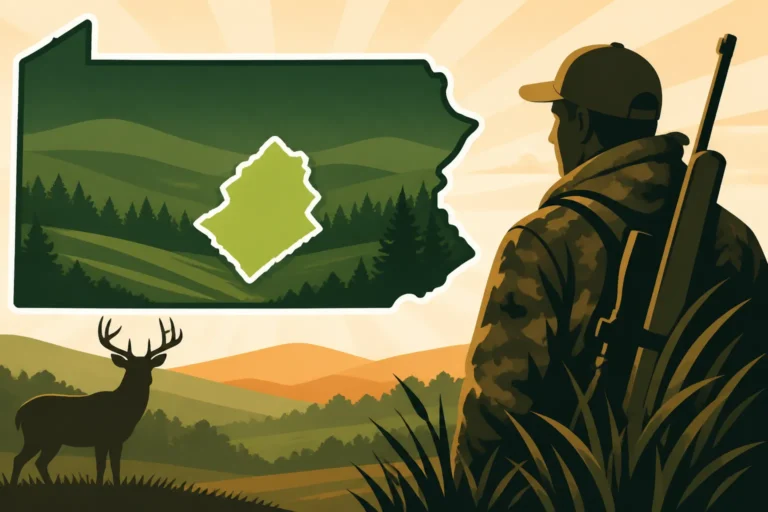
The Allegheny National Forest (ANF) isn't just another patch of public ground; it’s a living, breathing testament to wild Pennsylvania. Spread across parts of Warren, Elk, Forest, and McKean counties, it represents a hunting experience that often stands in stark contrast to much of the state's more accessible, fragmented habitat. Many hunters feel overwhelmed by its scale, unsure where to even begin in such a massive, undifferentiated landscape. This feeling is entirely valid, as the tactics that work in a 50-acre woodlot simply won't cut it here.
Understanding the Unique Character of the ANF
Imagine standing in a sea of trees, with rolling hills stretching to the horizon, intersected by deep hollows and winding waterways. This is the ANF. Its vastness, encompassing over half a million acres, means true remoteness is possible, and with it, the potential for encountering less pressured game. Unlike the smaller state game lands or private woodlots, where deer and other animals might be accustomed to frequent human presence, the ANF's sheer size allows game to hold out in secluded pockets, often far from roads and trails. This demands a different mindset, one focused on self-reliance and the ability to cover significant ground.
The terrain itself is rugged. While not boasting the sharp peaks of the Rockies, the Allegheny features constant ups and downs, with steep creek drainages and long, winding ridge systems that can quickly exhaust an unprepared hunter. You'll encounter dense undergrowth in some areas, particularly in historical timber cuts, and more open, mature hardwoods in others. The iconic Allegheny Reservoir, a massive body of water created by the Kinzua Dam, also adds another layer of complexity, influencing game movement, access points, and even local weather patterns. Understanding these nuances is the first step to unlocking its hunting potential.
Dominant Flora and How It Dictates Game Movement
The timber types within the ANF are a critical factor in understanding where game will be and why. The forest is predominantly made up of mixed hardwoods, including vast stands of oak, maple, and cherry. These oak groves, especially during a good mast year, become absolute magnets for deer, bears, and turkeys in the fall. Hunters who can locate areas with abundant acorn crops will often find the freshest sign and the most consistent game activity. Without acorns, deer and bear diets will shift to other mast sources like beech nuts, if available, or browse.
Interspersed among the hardwoods, you'll find significant stands of hemlock and various pine species. These conifer thickets are invaluable, particularly during cold weather or heavy snow, providing essential thermal cover for both deer and bears. When the temperatures drop, smart hunters know to check the edges of these evergreen stands, as deer will often bed just inside them to escape the elements. Mountain laurel thickets, though challenging to navigate, also provide incredibly dense, protective cover, often serving as bedding areas for mature bucks and bears looking for solitude.
The history of timbering also plays a significant role in habitat. Past and ongoing forest management practices, including clearcuts, create dense areas of regenerating forest. While these areas can be nearly impenetrable for hunters, they provide crucial browse and cover for deer, making their edges prime hunting spots. Knowing how to read a map to identify these cuts, or spotting them from a distance, can reveal hidden pockets of activity. The younger growth also supports ruffed grouse, making these spots ideal for upland bird hunters.
Prime Game Species of the Allegheny National Forest
The Allegheny National Forest is truly a diverse hunting ground, offering opportunities for a variety of species. However, its reputation as a "big woods" destination primarily revolves around two magnificent animals: the white-tailed deer and the black bear. Understanding the behavior of these animals in this unique environment is key to a successful hunt.
Unlocking the Secrets of ANF Whitetails
Hunting white-tailed deer in the ANF is a different beast than hunting them in agricultural areas. Here, deer densities are generally lower, and the bucks are often more elusive and nomadic, covering wider ranges in search of food and security. These are true "mountain whitetails"—hardy, wild, and incredibly adept at surviving in a vast, rugged landscape where human pressure is consistent during season but spread thin. They rarely show themselves in the open and are masters of using the terrain to their advantage, often moving silently through dense cover or over benches and saddles that are hard for a hunter to detect.
Success here often hinges on understanding their seasonal movements. In early fall, they might be scattered, browsing on various plants and early mast. As acorn crops drop, deer will converge on these food sources, and finding fresh sign around oak flats becomes paramount. During the rut, bucks will still travel widely, but their movements will often be tied to ridge systems and creek bottoms, using these natural highways to search for does. Expect these bucks to be warier, relying on their senses and the forest's cover to evade detection. The age structure of bucks in the ANF, thanks in part to statewide antler restrictions, tends to be better than in some farm country regions, offering a realistic chance at a mature animal if you put in the work.
Pursuing Pennsylvania's Black Bears in Their Stronghold
If Pennsylvania has a stronghold for black bears, the Allegheny National Forest is certainly it. The sheer amount of dense cover, combined with diverse food sources and relatively low human population density, makes it prime bear habitat. Hunters targeting bears here have excellent odds of success, provided they are willing to put in the effort required to find these elusive creatures. Bears are masters of stealth, capable of disappearing into the thickest mountain laurel or hemlock stands, making them incredibly challenging to track down.
Locating bear sign is paramount. Look for fresh scat, especially those filled with berries or mast during the fall. Claw marks on beech trees, indicating bears climbing for nuts, are another dead giveaway. Bear rubs on trees, where they scratch their backs or mark territory, can also indicate their presence. During the fall, bears will key in heavily on mast crops, particularly acorns, so focusing your efforts around productive oak stands is a smart move. They will also browse on berries and other vegetation. Understanding their seasonal shifts and where they might bed down for the winter is critical. Remember, a bear's metabolism is driven by food, so following the food will often lead you to the bears.
From Turkeys to Small Game: Diversity in the ANF
While deer and bear often dominate the conversation, the ANF offers fantastic opportunities for other game species, adding a wonderful diversity to your hunting calendar. Wild turkeys thrive in the mixed hardwood forests, especially where openings and logging roads provide dusting areas and insects. Both spring and fall turkey hunting can be incredibly rewarding here. In the spring, listening for gobblers echoing across the vast hollows is an experience in itself, requiring hunters to be patient and skilled callers. Fall turkey hunting offers a different challenge, often involving locating flocks and breaking them up to call individual birds back.
The ruffed grouse, Pennsylvania's state bird, also calls the ANF home, particularly in areas with regenerating forest and dense understory. While grouse populations have seen declines in many parts of the state, pockets of good cover in the ANF can still provide exciting hunting. It often requires walking miles through thick stuff, but the explosive flush of a grouse is worth every step. Grouse Hunting Pennsylvania Cover is a great resource for targeting these birds. Additionally, gray and fox squirrels are abundant throughout the hardwood ridges, providing a fun, accessible hunt for both seasoned hunters and beginners. Don't overlook the opportunities for predator hunting, as coyotes roam these woods year-round, offering an exciting challenge, especially in winter.
Navigating the Allegheny: Tools and Access for the Hunter
The sheer scale of the Allegheny National Forest demands a robust approach to navigation and access. Unlike hunting a small, familiar parcel, getting lost or disoriented in the ANF is a real possibility if you’re not prepared. Many hunters, even experienced ones, underestimate the importance of reliable tools and a well-thought-out plan when venturing into such vast terrain.
Essential Mapping and Digital Navigation
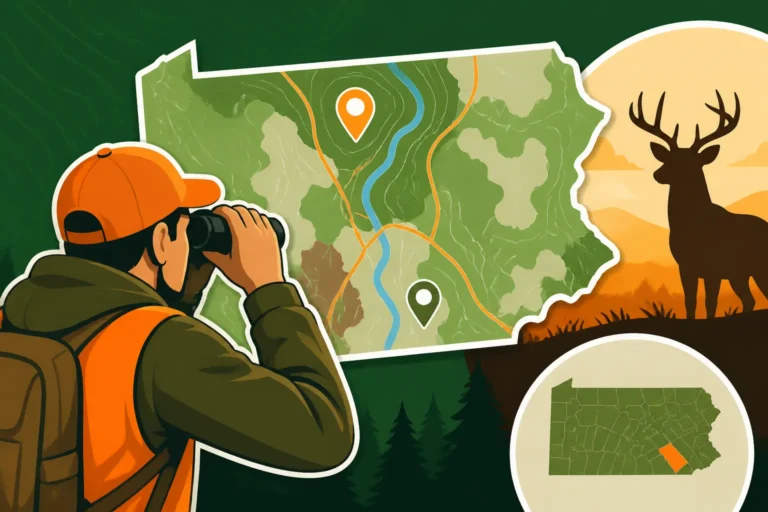
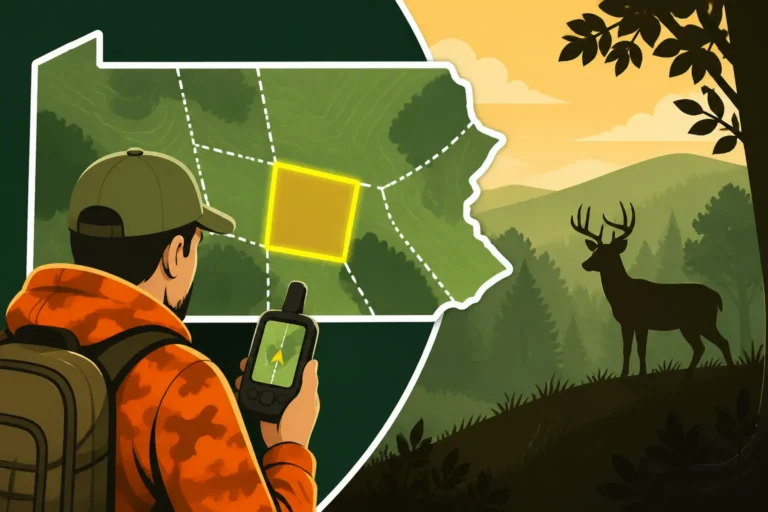
In the ANF, your navigation tools are as crucial as your firearm or bow. A reliable GPS unit, or a robust mapping application on your smartphone, is not a luxury; it’s a necessity. Platforms like onX Hunt have revolutionized public land hunting by offering incredibly detailed topographical maps, property boundaries, and satellite imagery that can be downloaded for offline use. This is absolutely critical in the ANF, where cell service is often spotty or non-existent in the deeper hollows and remote ridges. Being able to pinpoint your exact location, track your movement, and identify key terrain features without a signal gives you an immense advantage.
Beyond digital tools, never underestimate the value of physical maps and a compass as a backup. Batteries die, screens crack, and technology can fail. A well-folded topographical map of your hunting area, coupled with a basic compass, provides a fail-safe. Learning to read contour lines to identify subtle benches, steep drops, and drainage systems on a topo map is a skill that will serve you well, especially when planning your approach to a remote area. Utilizing a tool like GoHunt's planning features can also help in pre-season scouting, giving you insights into potential hot spots and access routes before you even set foot in the woods. These comprehensive tools, used in tandem, provide the highest level of confidence and safety.
Accessing the Interior: Roads, Trails, and Waterways
The ANF is crisscrossed by an extensive network of forest roads. Some are paved and open year-round, providing easy access to certain areas, while others are gravel, dirt, or gated seasonally or permanently. Understanding which roads are open and when is vital for planning your hunt. The U.S. Forest Service often provides motor vehicle use maps (MVUMs) that detail road statuses. Driving in as far as legally allowed can save miles of walking, but remember, the best hunting often lies beyond the vehicular access points.
Designated hiking trails, like parts of the North Country Trail or various local loops, can serve as excellent entry points into deeper sections of the forest. While you might encounter other hikers, these trails provide a relatively easy path for the first part of your journey before you branch off into the woods. Often, the hunting pressure drops significantly just a few hundred yards from these main trails. For the adventurous, leveraging water access via the Allegheny River or the Kinzua Reservoir can open up completely isolated sections of the forest, though this requires careful planning, appropriate watercraft, and a thorough understanding of safety on the water. Regardless of your chosen access method, always have a clear entry and exit strategy, especially if you plan to be miles deep in the timber. Parking regulations are also important; make sure you're not blocking a gate or private access.
Camping and Lodging Considerations
For many hunters, the ANF experience is best enjoyed with an immersive approach, which often means camping. The Allegheny National Forest offers ample opportunities for dispersed camping, meaning you can pitch a tent almost anywhere, often for free, as long as you follow Leave No Trace principles and specific regulations regarding campfires and length of stay. This allows you to set up a base camp deep in your hunting area, minimizing travel time each morning and evening. Just be sure to check for any fire restrictions, especially during dry periods.
If rustic camping isn't your style, there are also designated campgrounds within the ANF, some with basic amenities like picnic tables and pit toilets. These can be a good option for families or those who prefer a more structured camp. For hunters who prefer a roof over their head, the towns surrounding the ANF – like Warren, Kane, Bradford, or Marienville – offer a range of lodging options, from motels to cabins. While these options mean a drive to your hunting spot each day, they provide comfort and easy access to supplies, restaurants, and other services. Balancing convenience with the desire for a remote experience is a personal choice, but having these options ensures every hunter can find their comfort zone.
Strategic Hunting Tactics for ANF Success
Hunting the Allegheny National Forest isn't about luck; it's about strategy, patience, and a deep understanding of how game animals interact with this vast, rugged landscape. The tactics that yield success here often differ significantly from those used in smaller, more fragmented habitats. It requires a willingness to adapt, to cover ground, and to truly immerse yourself in the environment.
The Art of Still-Hunting and Scouting Big Woods Deer
Still-hunting in the ANF is arguably the most effective and rewarding method for big woods deer. It's not about sitting and waiting; it's about becoming part of the forest, moving incredibly slowly and deliberately, taking a few steps, then pausing to observe and listen. This method requires extreme patience and a keen eye for detail. You're constantly scouting as you move, looking for subtle signs like freshly turned leaves, rub lines, faint tracks, or the flicker of a deer's ear in the dense undergrowth. The key is to cover ground, but to do so with the stealth of a predator.
Wind and thermals are your best friends (or worst enemies) in this environment. In the rolling hills and deep hollows of the ANF, thermals often draw air uphill in the morning as the sun warms the ground, and pull it downhill in the evening as temperatures drop. Wind and Thermals on a Ridge can give you an edge. Planning your route to keep the wind in your face or quartering into it is critical to avoid alerting game. Focus on natural funnels – places where the terrain pinches down, forcing deer into predictable travel corridors. Look for saddles between ridges, benches along steep hillsides, and the edges of dense cover. These are the highways deer use, and by moving slowly and quietly through these areas, you increase your chances of intercepting a deer on the move. For a more in-depth look at this technique, check out Still-Hunting Pennsylvania Big Woods.
Effective Stand Placement in ANF Terrain
While still-hunting is highly effective, strategic stand placement can also be incredibly productive, especially if you've done your homework. In the ANF, finding those subtle terrain features that concentrate deer movement is paramount. Look for benches – flat spots on a steep hillside that deer use as travel routes or bedding areas. These can be hard to spot on a map but are gold when found on the ground. Saddles, depressions in a ridge line, also act as natural crossing points. Deer will often take the path of least resistance over a ridge, and a well-placed stand overlooking a saddle can intercept those movements. Hanging a Stand on an Oak Bench offers detailed advice on this.
Food sources are another key factor. During a good mast year, finding active oak flats or beech groves will dictate deer movement. A stand placed overlooking a productive food source, especially one hidden deep in the woods away from easy access, can be deadly. When choosing a tree for your stand, consider prevailing winds, sun angle, and your entry and exit routes to minimize disturbance. Remember, on public land like the ANF, you'll need to adhere to specific regulations regarding stand placement and removal. Treestand Setups in Pennsylvania Hardwoods provides comprehensive guidance on this topic. Don't just set up anywhere; make every stand count by selecting locations based on solid sign and terrain analysis.
Specialized Tactics for Bear and Other Species
Hunting black bears in the ANF often calls for specialized tactics due to their dense habitat preferences and incredible stealth. One effective method, especially during the firearms season, is organizing bear drives. This involves a group of hunters strategically pushing through dense cover, like mountain laurel thickets or hemlock swamps, while other hunters (the "posters") are stationed on escape routes or ridges. This requires significant planning, good communication, and strict adherence to safety protocols. Organising a Pennsylvania Bear Drive offers detailed advice. For solo hunters, still-hunting for bears in thick cover, similar to deer still-hunting but even slower and more deliberate, can also be successful. Focus on fresh sign and areas known for heavy mast crops. Hunting Pennsylvania Bear in the Big Woods will give you more context for still-hunting bears.
For wild turkeys, spring gobbler hunting often involves locating a bird on the roost, then quickly setting up and calling. In the vast ANF, turkeys can be spread out, making locator calls essential. Once you get a response, stealthily approaching and setting up against a large tree is crucial. Calling a Pennsylvania Gobbler Off the Roost details the nuances of this approach. Fall turkey hunting often involves breaking up a flock and then calling the scattered birds back. For small game like grouse and squirrels, simply walking slowly through the appropriate habitat – young, regenerating clearcuts for grouse, and mature hardwoods for squirrels – will yield opportunities.
Preparing for the Rigors of an ANF Hunt
Hunting the Allegheny National Forest is not for the faint of heart or the unprepared. The rugged terrain, vast distances, and unpredictable weather demand a higher level of physical fitness, mental toughness, and meticulous gear preparation. Underestimating these elements can quickly turn an exciting adventure into a miserable, or even dangerous, ordeal.
Gear Essentials for Comfort and Survival
Your gear choices can make or break an ANF hunt. First and foremost, invest in high-quality, waterproof, and well-broken-in boots with excellent ankle support. You’ll be covering miles over uneven, often steep, terrain, and foot comfort is paramount. For more on this, check out Boots and Packs for Steep Country. Layering your clothing is also non-negotiable. Mountain weather can change rapidly; what starts as a crisp morning can turn into a warm afternoon, only to be followed by a cold, wet evening. Wool or synthetic base layers, insulating mid-layers, and a waterproof/windproof outer shell will allow you to adapt to any conditions.
Beyond clothing, a comprehensive navigation system (GPS with downloaded maps, plus a physical map and compass), a reliable headlamp with extra batteries, a robust first-aid kit, and fire-starting materials are non-negotiable for safety. Carrying a water filter or enough water for a full day is also critical, as finding reliable water sources in some areas can be challenging. For optics, consider binoculars that offer good low-light performance, as game often moves during the dim hours of dawn and dusk, and a quality rifle scope that performs well in the often dark timber. Optics for Pennsylvania Timber Hunting can help guide your choices.
Game Recovery and Processing in Remote Locations
The joy of a successful harvest in the ANF is often quickly followed by the daunting reality of game retrieval. Unlike flat farm country, dragging a deer or bear out of a deep hollow or off a steep ridge can be an exhausting, multi-hour, or even multi-day, endeavor. Many hunters underestimate the physical challenge involved. Having a plan for game recovery before you pull the trigger is crucial. This might involve scouting potential drag routes, knowing the layout of forest roads, or considering methods to reduce the weight of the animal.
Learning the "gutless method" for field dressing can be a game-changer in remote, rugged terrain. This technique allows you to quarter an animal and pack out the meat without having to drag the entire carcass, saving immense effort and time. A sharp, durable field dressing knife and a bone saw are essential tools for this. Getting a Deer Out of a Pennsylvania Hollow offers insights into these strenuous recovery situations. During early archery seasons, when temperatures can still be warm, rapidly cooling the meat is also vital to prevent spoilage. Game bags and a plan for ice or refrigeration immediately after recovery are important considerations.
Safety Protocols and Ethical Considerations
Hunting in the ANF, while incredibly rewarding, comes with inherent risks that must be taken seriously. Always inform someone reliable about your hunting plan – your specific hunting area, your expected return time, and who to contact if you don't check in. This simple step can be a lifesaver if you become injured or disoriented. Weather awareness is also critical; a sudden downpour or an unexpected cold snap can lead to hypothermia if you’re not prepared.
During firearms seasons, the ANF can see significant hunter presence, especially near roads. Always be aware of other hunters, wear the required amount of hunter orange as specified by Pennsylvania Hunter Orange Rules, and always identify your target and what's beyond it before shooting. Encounters with bears are also a possibility; while generally shy, knowing how to react defensively if a bear acts aggressively is important. Beyond safety, ethical hunting practices are paramount: respecting wildlife, adhering to fair chase principles, and practicing Leave No Trace are all part of being a responsible ANF hunter.
Understanding ANF Hunting Regulations and Seasons
Navigating the regulations for hunting in Pennsylvania, and specifically within the Allegheny National Forest, can sometimes feel like trying to solve a complex puzzle. While the ANF largely falls under state game laws, there can be additional federal regulations or specific local nuances that hunters need to be aware of. Misunderstanding these rules can lead to fines, loss of privileges, or even dangerous situations.
General Pennsylvania Regulations Applicable to the ANF
Before you even consider stepping foot into the ANF, you'll need the appropriate Pennsylvania hunting licenses and permits. This includes your general hunting license, which is the baseline requirement for most species. Depending on what you're targeting, you'll also need specific permits like an antlerless deer license (WMU-specific), a bear license, or a special wild turkey license. The costs and availability of these licenses vary, so it's crucial to consult the Pennsylvania Game Commission (PGC) website well in advance. For a comprehensive breakdown of these fees and requirements, refer to Pennsylvania Hunting Licences and What They Cost.
Beyond licenses, understanding basic state regulations like legal shooting hours (which are uniform across the state) and tagging requirements for harvested game is critical. You must immediately tag your deer or bear after harvest and report it to the PGC within a specific timeframe. Antler point restrictions also apply statewide, though the specific rules (e.g., three points on one side, or "three up") vary by Wildlife Management Unit (WMU). The ANF encompasses several WMUs, so confirming the rules for your specific area of interest is a must. Lastly, mandated hunter orange requirements during firearms seasons are non-negotiable; you must wear the specified amount of visible orange. You can find detailed information on this in Pennsylvania Hunter Orange Rules.
Specific ANF Rules and Federal Oversight
While state game laws govern hunting within the ANF, it's essential to remember that you are on federal land, managed by the U.S. Forest Service. This means there can be additional rules regarding general forest use that hunters must adhere to. For example, specific regulations apply to camping, campfires, and firewood collection. While dispersed camping is generally allowed, there might be areas where it's restricted, or specific rules about not building fires during high-risk periods. Vehicle use on forest roads is strictly regulated, with many roads gated seasonally or permanently. Always check the U.S. Forest Service's Allegheny National Forest website for current conditions, road closures, and specific regulations regarding vehicle access or any temporary area closures.
Regarding Chronic Wasting Disease (CWD), while the ANF generally lies outside the primary Disease Management Areas (DMAs) in Pennsylvania, CWD is a dynamic issue. It's imperative to check the most current PGC maps to see if any part of your hunting area in the ANF falls within a DMA. If it does, there will be specific rules about transporting deer carcasses out of the area and mandatory CWD testing requirements. Staying informed about these regulations protects both the deer herd and your hunting privileges.
Key Seasons for Maximum Opportunity
The ANF offers a long and varied hunting calendar, with opportunities for different species across several seasons. The archery deer season is particularly popular, stretching from early fall into November, providing chances to hunt during the pre-rut and peak rut. Bowhunting Pennsylvania's October Archery Season and Hunting the Pre-Rut in Late October are excellent resources. For firearms hunters, the traditional two-week rifle season in late November and early December is a major draw. Pennsylvania's Two-Week Firearms Deer Season covers this in detail, including how the season no longer breaks for Sunday.
Beyond general firearms, the ANF is a fantastic destination for flintlock and late archery seasons, which often run concurrently in late December and January. These cold-weather hunts offer a unique challenge and a chance to fill tags after the main seasons have closed. Flintlock and Muzzleloader Deer Hunting in Pennsylvania and Hunting Pennsylvania's Late Archery Season provide insights into these colder hunts. Bear season in the ANF is highly anticipated, with early archery opportunities in October (Pennsylvania's October Archery Bear Week) followed by an extended firearms season in November. Pennsylvania Black Bear Hunting gives you the full picture. Spring gobbler season in May and the diverse fall turkey seasons also offer thrilling pursuits. Spring Gobbler Hunting in Pennsylvania and Fall Turkey Hunting in Pennsylvania are great starting points for turkey hunters.
Beyond the Trigger: Stewardship and Respect in the ANF
Hunting in the Allegheny National Forest is more than just pursuing game; it's an immersive experience that connects you deeply with nature. With such a privilege comes a profound responsibility to protect and preserve this incredible resource for future generations. Ethical hunting, environmental stewardship, and respect for all users of the forest are not just good ideas; they are fundamental principles that define a true ANF hunter.
Practicing Leave No Trace and Forest Etiquette
The vastness of the ANF can give the illusion that your impact is negligible, but every hunter contributes to the overall health and appearance of the forest. Practicing Leave No Trace principles is crucial. This means packing out everything you pack in, including spent shell casings, food wrappers, and any other trash. Do not leave anything behind, as even biodegradable items can take years to break down and detract from the wilderness experience for others. Properly dispose of human waste and ensure any campfires are completely extinguished.
Beyond trash, minimize your physical impact on the environment. Stay on established trails or roads where possible, especially in sensitive areas, and avoid disturbing fragile vegetation or waterways. Respect wildlife by giving them space and not leaving food scraps that might habituate them to human presence. The ANF is also used by hikers, campers, birdwatchers, and other outdoor enthusiasts. Showing courtesy and respect to all forest users ensures a harmonious coexistence and maintains a positive image for hunters. A simple nod or polite greeting goes a long way.
Hunter's Role in ANF Conservation and Management
As hunters, we are not just consumers of wildlife; we are integral to its conservation. The funds generated through hunting license sales directly support habitat management, wildlife research, and law enforcement efforts by the Pennsylvania Game Commission and the U.S. Forest Service. By purchasing your licenses and permits, you are directly contributing to the health of the ANF's ecosystems. Participating in voluntary surveys or reporting unusual wildlife sightings also helps wildlife managers track populations and identify potential issues.
Understanding forest management practices, such as timber sales and prescribed burns, can also deepen your appreciation for the ANF. While these activities might seem disruptive in the short term, they are often crucial for creating diverse habitat, promoting healthy forest growth, and preventing catastrophic wildfires. These managed disturbances create the very young forest habitat that grouse, rabbits, and deer thrive in. Engaging with forest managers, attending public meetings, or simply staying informed about their plans helps you understand how these actions benefit the game animals you pursue.
Off-Season Preparation for On-Season Success
The hunt for a trophy buck or a wary bear in the ANF doesn't begin on opening day; it starts months, sometimes even a year, in advance. Off-season scouting is arguably one of the most effective ways to increase your chances of success. Without the pressure of hunting season, you can move freely through the woods, identifying old rub lines, historical bedding areas, subtle funnels, and potential food sources. Scouting Pennsylvania Public Land Before Season offers comprehensive advice on year-round preparation. Learning the terrain in different seasons, seeing how water flows, and understanding where deer and bears might move in various conditions is invaluable.
Physical conditioning is another critical aspect. The rugged, expansive terrain of the ANF demands a higher level of fitness than many other hunting areas. Long walks, steep climbs, and the potential for a difficult game recovery mean you need to be prepared physically. Incorporate hiking with a weighted pack into your routine. Finally, continuous education on game behavior, hunting techniques, and current regulations will always improve your skills. Read, watch, learn, and talk to other experienced ANF hunters. Every bit of knowledge and preparation you put in during the off-season pays dividends when the season finally opens.
Disclaimer
This article is for general informational purposes only and does not constitute professional advice. Laws, prices and regulations vary by location and change over time. Consult a qualified professional for guidance on your specific situation.