Bedford County Game Lands Access
Hunting public land in Pennsylvania can feel like trying to find a needle in a haystack, especially when you're looking for quality access in a specific region like Bedford County. It's frustrating to drive around, see "State Game Lands" signs, but have no real idea where to park, what the terrain is like, or where the deer actually are. This guide is designed to cut through that confusion, giving you a detailed look at accessing and successfully hunting the State Game Lands available within Bedford County.
Understanding Bedford County's State Game Lands Landscape
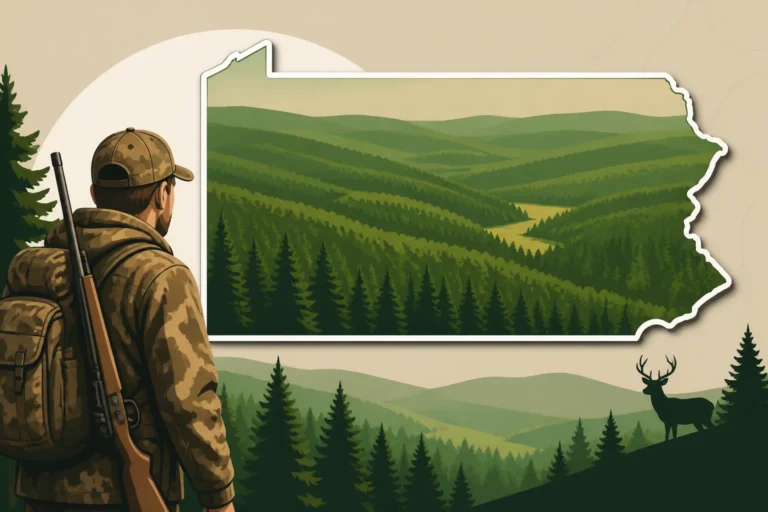
Bedford County, nestled in the scenic Ridge and Valley Province of south-central Pennsylvania, offers a diverse landscape for public land hunting. While it might not have the vast, unbroken wilderness of the state's northern tier, what it lacks in sheer scale, it often makes up for in variety and opportunity, especially for those willing to put in the legwork. Many hunters get discouraged when they don't immediately find "big woods" deer, but Bedford's public lands present their own unique charm and challenges that can be incredibly rewarding.
The Lay of the Land: Terrain and Habitat
The terrain across Bedford County's State Game Lands is a classic Pennsylvania mix of rolling hills, steep ridges, and fertile valley bottoms. You'll find a patchwork of mature hardwood forests, often dominated by oaks and hickories, intermixed with dense regrowth in old clearcuts or areas recovering from timber operations. This varied habitat is crucial for holding diverse game populations. The ridges can be brutal climbs, but they often offer overlooked travel corridors and bedding areas that more casual hunters avoid. Descending into the hollows, you might encounter thick laurel thickets, stands of hemlock, or even small creek bottoms – all critical elements that dictate how deer and other game move and survive. It's easy to get frustrated by thick brush, but those are precisely the places often holding an unpressured buck. Reading a Pennsylvania Hollow for Deer can be a real game-changer in these settings.
Beyond the major timber stands, some Game Lands in Bedford County also feature agricultural fringes, particularly where public land borders private farms. This interface can be a goldmine, offering excellent food sources for deer and turkeys. However, it also requires careful attention to safety zones and property lines. The habitat is constantly changing due to natural succession and Game Commission management efforts, so what was a dense clearcut five years ago might now be a mature young forest, and a diligent hunter should always be aware of these shifts.
A Look at Prominent Game Lands in Bedford County
Bedford County is home to several significant State Game Lands (SGLs) that provide ample hunting opportunities. Each SGL has its own character, often dictated by its size, topography, and surrounding land use. For instance, some of the SGLs in the eastern part of the county might sit on steeper, more rugged ridges, bordering larger tracts of private timber or state forest land, offering a more "big woods" feel. On the other hand, Game Lands closer to the valleys or agricultural areas might be smaller and more fragmented, demanding a different approach from hunters.
One of the larger SGLs in the county, often encompassing diverse terrain from mountaintops to creek drainages, offers opportunities for deer, bear, and turkey. These larger tracts generally absorb hunting pressure better and allow for more extensive still-hunting or even multi-day excursions. Smaller SGLs, sometimes just slivers of land along a ridge or a flood plain, can be excellent for quick morning or evening hunts, especially if they offer specific food sources or overlooked bedding cover. It’s important not to dismiss these smaller parcels, as they can often harbor surprisingly good game if scouted properly. Each of these SGLs is managed by the Pennsylvania Game Commission (PGC) to provide public hunting and wildlife habitat, and understanding their individual nuances is key to consistent success.
Game Species and Opportunities
Bedford County's State Game Lands are primarily known for their healthy populations of white-tailed deer. The varied habitat provides ample browse, bedding, and cover, supporting both antlered and antlerless deer. Hunters can expect to find deer ranging from mature bucks to yearling does, depending on the specific area and how it's managed. Beyond deer, wild turkeys are also abundant across much of Bedford County, offering excellent spring gobbler and fall turkey hunting opportunities. Fall Turkey Tactics in the Big Woods can be particularly effective here.
Black bears, while not as prevalent as in the deep northern woods, are also present and harvested annually in Bedford County. Hunters targeting bears should focus on areas with dense cover, abundant mast crops, and remote pockets of public land. Small game, such as squirrels and rabbits, can also be found, particularly in timbered areas with oak and hickory trees for squirrels, or brushy edges and clearcuts for rabbits. While not typically a waterfowl hotspot, some SGLs that encompass ponds, marshes, or sections of larger creeks may offer limited duck or goose hunting as well. The diverse game species mean that hunters can typically find something to pursue throughout various seasons, adding to the allure of these public lands.
Navigating and Preparing for Your Hunt
Navigating public land, especially in a county like Bedford with its mix of rolling hills and fragmented parcels, can be daunting. You can't just drive up, park, and expect to stumble into a prime hunting spot. Preparation is key, and that starts long before you ever set foot in the woods. Many hunters feel overwhelmed by the sheer amount of information (or lack thereof) when approaching a new piece of public ground, but with the right tools and mindset, it becomes much more manageable.
Essential Mapping Tools for Public Land
In today's hunting world, digital mapping tools are absolutely indispensable for navigating State Game Lands. Gone are the days of relying solely on paper maps, though a physical map as a backup is never a bad idea. For Bedford County, an application like onX Hunt or GoHunt can be a true game-changer. These apps provide detailed satellite imagery, topographic maps, and crucially, property boundary lines clearly delineating public land from private. This is incredibly important in areas where public and private land are intermingled, helping you avoid accidental trespass.
These digital maps also allow you to mark waypoints for parking, treestand locations, game sightings, and potential travel routes. You can measure distances, check elevation changes, and even analyze prevailing winds based on topography, all from your phone. Before you even leave home, you can "e-scout" large areas, identifying potential funnels, benches, and thick cover that might hold deer. onX Layers for Pennsylvania Land Status can show you not just property lines, but also things like recent timber cuts, which are often deer magnets. Make sure to download offline maps before heading out, as cell service can be spotty in many of Bedford County's more remote Game Lands.
Understanding Game Lands Rules and Boundaries
Before hunting any State Game Lands, it's absolutely critical to familiarize yourself with the Pennsylvania Game Commission's regulations. These rules are in place for safety, conservation, and to ensure fair chase. General rules apply to all SGLs, but there can be specific local regulations or temporary closures for things like timber operations, which you need to be aware of. The PGC website is the best source for this, often having maps and information specific to each SGL.
Key regulations often include rules regarding vehicle access (many Game Lands roads are gated or seasonal), camping restrictions, and the use of ATVs (generally prohibited except on designated trails). Vehicle Rules on Pennsylvania Game Lands are something every hunter should know. Pay close attention to safety zones around buildings and occupied dwellings, which also apply to adjacent private property. Understanding boundaries isn't just about knowing where public land ends; it's also about respecting the rights of private landowners. The yellow boundary markers on trees or posts define SGL boundaries; familiarize yourself with what these look like so you can confirm your location on the ground. When in doubt, always err on the side of caution and double-check your map.
Scouting and Pre-Season Intel
Successful hunting on Bedford County Game Lands, or any public land, hinges on thorough scouting. This isn't just about finding deer sign, but understanding how animals use the landscape. Start your scouting in the off-season, long before hunting pressure begins. Look for rub lines, scrape lines, old beds, and natural funnels created by topography or thick cover. Identifying key food sources like acorn flats or soft mast trees is crucial. Water sources, especially during dry spells, can also be overlooked hotspots.
In Bedford County's varied terrain, understanding how deer move between bedding areas on thick ridges and feeding areas in valleys or adjacent agricultural fields is vital. Look for benches along hillsides, which often serve as natural travel corridors or staging areas. Scouting Pennsylvania Public Land Before Season is a habit that will pay dividends. Trail cameras can be useful, but remember to adhere to PGC regulations regarding their placement on public land. Even just walking and observing during different times of the year can reveal patterns that are invisible from a vehicle. Pay attention to what other hunters are doing – where they're parking, what areas they're avoiding – as this can give you clues about pressured versus unpressured areas.
Strategies for Success on Bedford County Game Lands
Hunting public land is often a game of strategy, resilience, and adaptability. Bedford County’s Game Lands, while offering fantastic opportunities, also present challenges unique to shared-use areas. It’s easy to get frustrated by other hunters or by deer that seem to vanish, but with the right mindset and tactics, you can consistently find success.
Dealing with Hunting Pressure
One of the biggest realities of public land hunting, especially during peak seasons like the firearms opener, is hunting pressure. On Bedford County Game Lands, you might find parking lots full and hunters spread throughout more accessible areas. This pressure doesn't necessarily mean there are no deer; it just means the deer are often smarter, more nocturnal, and will utilize thicker, harder-to-reach cover.
The key to overcoming pressure is often to go where others aren't willing to go. Look at your onX Hunt map and identify areas that are a mile or more from a road or parking area, especially those with significant elevation changes or dense, nasty cover. These are the places where deer will often retreat to. Hunting mid-week can also significantly reduce pressure. When everyone else is pushing deer, consider taking a stand in a known bedding area or a funnel leading to one, knowing that deer will be moving defensively. Finding Ground Others Walk Past is often the secret to finding mature bucks on public land. Being stealthy on your approach and exit is also crucial, as educating deer for yourself or other hunters is counterproductive.
Tactics for Different Terrain Types
Bedford County’s diverse terrain demands a flexible approach. What works in a relatively flat timber stand might be useless on a steep mountainside.
- Ridge and Valley Hunting: For the steep ridges, focus on identifying benches and saddles. Benches offer easier travel for deer along a contour, and saddles are natural low points for crossing. Deer will often bed on points or just below the crest of a ridge to use thermals and the wind to their advantage. Still-hunting slowly along a ridge, pausing frequently to glass, can be very effective, especially with a partner where one still-hunts and the other posts. Hunting Oak Ridges and Benches is a classic tactic for a reason.
- Thick Cover and Clearcuts: These areas, while tough to move through, are deer magnets. They offer security cover and browse. Instead of trying to bust through them, try to hunt the edges, looking for trails leading in and out. If you're willing to go into the thick stuff, consider using a ground blind or even a saddle hunting setup, as these allow you to be mobile and hunt smaller trees if needed. Hunting Pennsylvania Clearcuts and Regrowth is about understanding how deer use these areas for bedding and food.
- Agricultural Interfaces: Where Game Lands meet private farm fields, deer will often stage in the public timber before entering fields to feed at dusk, and then retreat back into cover at dawn. Setting up on a travel corridor just inside the timber, scent permitting, can be highly effective. Always be mindful of property boundaries and safety zones.
| Terrain Type | Typical Game Movement | Recommended Tactics | Essential Gear |
|---|---|---|---|
| Steep Ridges | Along benches, through saddles, just below crests | Still-hunting, posted drives, evening stands on travel routes | Boots with good ankle support, binos, rangefinder, quiet pack |
| Thick Clearcuts | Internal bedding, edges for feeding/travel | Hunting edges, still-hunting interior (slowly), ground blinds/saddles | Durable brush pants, compass/GPS, face mask |
| Valley Bottoms | Feeding near water/food, escape routes along drainages | Early morning stands, still-hunting upwind, scouting for fresh sign | Rubber boots (for scent), thermals/wind checker |
| Farm Edges | Staging in timber, moving to/from fields | Stands on timber edges near trails, evening hunts | Scent control, binoculars, tree stand/saddle |
Post-Harvest Considerations and Ethical Practices
Once you've successfully harvested an animal on Bedford County Game Lands, the work isn't over. Recovering your game quickly and efficiently is paramount. This can be particularly challenging in steep or thick terrain. Having a good game cart or a sturdy deer drag can make a huge difference, especially if you're a long way from the nearest road. Dragging a Deer Off a Pennsylvania Mountain can be exhausting without the right tools or help.
Beyond the physical recovery, remember your ethical responsibilities. Properly tag and report your harvest according to PGC regulations. Field dress your animal promptly to ensure good meat quality. If you're on public land, consider how your actions reflect on the hunting community. Leave no trace, pack out all your trash, and be respectful of other users of the Game Lands, whether they are hikers, bird watchers, or fellow hunters. Sharing the woods respectfully ensures that these valuable public resources remain open and enjoyable for everyone.
Disclaimer
This article is for general informational purposes only and does not constitute professional advice. Laws, prices and regulations vary by location and change over time. Consult a qualified professional for guidance on your specific situation.