Delaware River Access for Waterfowl
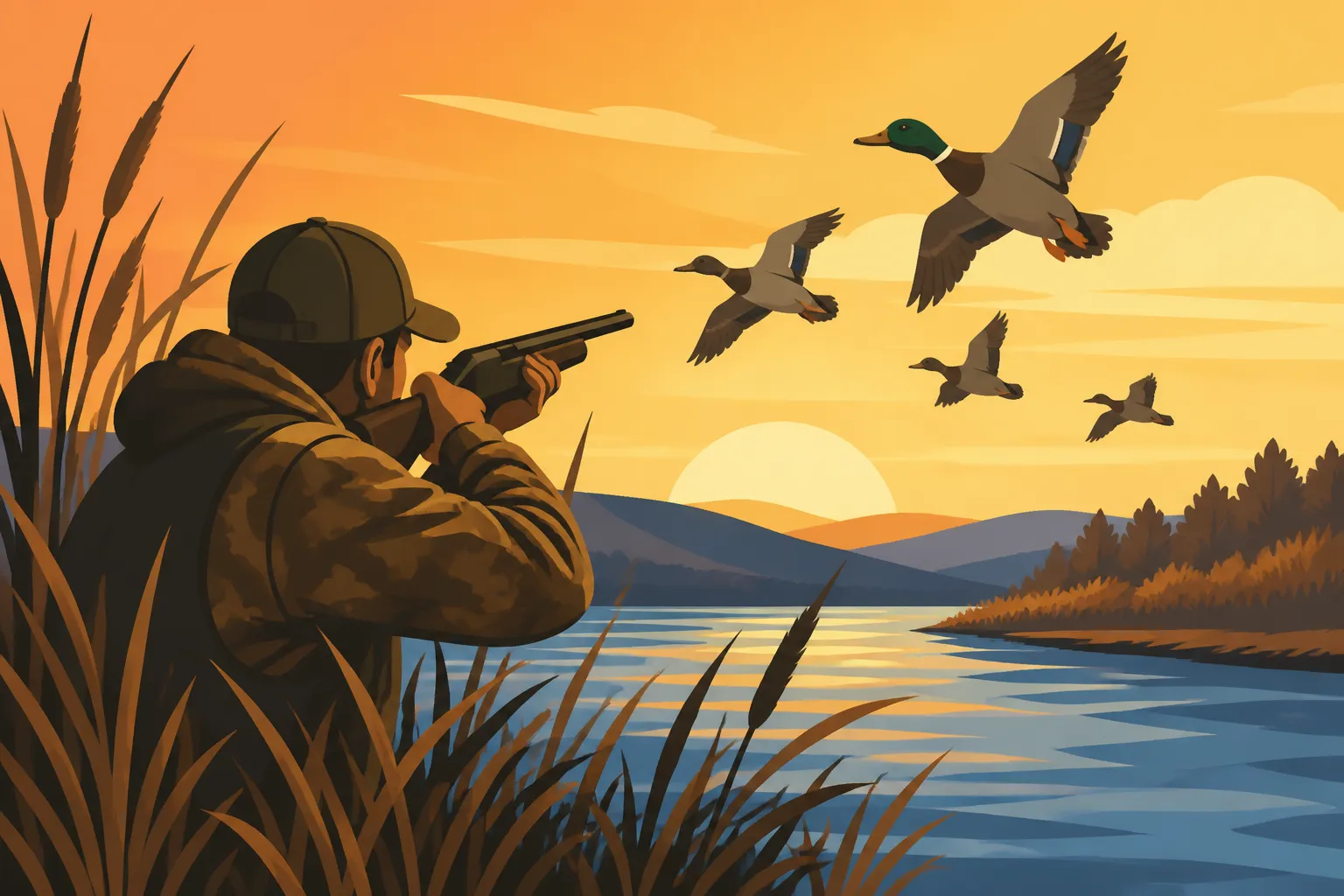
For many waterfowlers in Pennsylvania, the thought of hunting the mighty Delaware River brings a mix of excitement and apprehension. It's a vast, dynamic waterway that promises incredible opportunities for ducks and geese, but the sheer scale and the complicated patchwork of land ownership along its banks can make finding legal, productive access feel like an impossible puzzle. This guide is here to untangle that complexity, offering practical advice and insight into how you can successfully access and hunt the Delaware River for migratory birds, helping you navigate the challenges from public ramps to potential private gems.
Understanding the Delaware River's Unique Challenges for Waterfowlers
Hunting the Delaware River isn't like setting up on a small farm pond or a state game lands impoundment. This river is a beast, forming the border between Pennsylvania and New Jersey for a significant stretch, and that dual jurisdiction adds layers of complexity before you even consider the powerful currents, tides in some sections, and the constant flow of commercial and recreational traffic. It's easy to feel overwhelmed, but with a bit of planning and understanding, those challenges become part of the adventure.
Navigating Ownership and Access Points
One of the biggest headaches for Delaware River hunters is figuring out who owns what, and where you can legally step ashore or launch your boat. The riverbanks are a mosaic of private residences, farms, municipal parks, state game lands, and even sections managed by various federal agencies. You might see a perfect-looking blind location or a flock of ducks feeding in a secluded cove, only to realize it’s private property with no public access nearby. This can be incredibly frustrating, especially when the birds are working, and you're left wondering if you're even allowed to be in a particular spot.
Adding to this, the river itself is navigable water, generally open to public use, but the moment your feet touch dry land or your anchor grabs bottom, you're on somebody's property. Understanding riparian rights – who owns the land bordering a river – is key. Generally, in Pennsylvania, private landowners own to the middle of the non-tidal riverbed, but public navigation rights still exist. Downstream, where the river becomes tidal, the state typically owns the submerged land. This legal nuance often means you can float by, but setting up a permanent blind or even wading ashore requires explicit permission or confirmation it's public land. Tools like onX Hunt can be incredibly useful here, displaying property lines right on your phone, helping you discern public from private and avoid inadvertent trespassing.
The Dynamic Nature of River Hunting
The Delaware River is a living, breathing entity, and its conditions can change dramatically not just season to season, but day to day, even hour to hour in tidal areas. Unlike a static pond, you're dealing with currents that can be deceptively strong, especially after heavy rains upstream. These currents dictate how you set your decoy spreads, how you anchor your boat, and even how you retrieve downed birds. Imagine spending an hour setting a perfect spread, only for a subtle shift in the current or an incoming tide to tangle your lines or push your decoys into an unproductive clump.
Then there's the weather. Open water, especially a large river like the Delaware, is far more exposed to wind and waves than smaller, more sheltered bodies of water. A calm morning can quickly turn into a white-capping, boat-rocking nightmare. This isn't just about discomfort; it's a significant safety concern. Cold temperatures combined with wet conditions are a recipe for hypothermia, and a swamped boat on a big river is a serious emergency. Water levels also fluctuate, impacting where ducks and geese feed and roost, and potentially changing the accessibility of launch points or shoreline setups. Staying informed about weather and river conditions isn't just good practice; it's absolutely essential for a safe and successful hunt on the Delaware. You also need to be aware of Pennsylvania Waterfowl on the Atlantic Flyway and the specific migration patterns it entails.
Key Public Access Points and Strategies
Despite the challenges, Pennsylvania offers some fantastic public access opportunities along the Delaware River. Knowing where to go and how to use these spots effectively can make all the difference in your waterfowling success. The key is to think strategically, understanding that public access often means sharing the space with other hunters, anglers, and recreational users.
Pennsylvania Game Commission Access Sites
The Pennsylvania Game Commission (PGC) maintains numerous access sites along various waterways, and the Delaware River is no exception. These sites are invaluable resources for waterfowlers, providing designated launch points, parking areas, and often, maps or signage indicating public hunting boundaries. Finding these gems usually starts with the PGC's website or, more practically, with a good mapping app like onX Hunt. These apps can highlight Game Lands and other public tracts, making it easier to visualize where you can hunt. Scouting With the Pennsylvania Mapping Center is another excellent resource for this.
When you arrive at a PGC access site, expect a mix of boat ramps suitable for larger craft and smaller hand-launch areas perfect for kayaks, canoes, or layout boats. Parking can be a premium, especially on opening day or prime weekends, so arriving early is often the best strategy. Once on the water, you're typically free to navigate the river and hunt within legal parameters, but always be mindful of "safety zones" around buildings and dwellings on private property. The beauty of these sites is their clear designation as public access, removing much of the guesswork about legality. They serve as a vital entry point for exploring the wider river, allowing you to scout for remote islands, secluded backwaters, or even open-water spreads away from the crowds.
State Parks and State Forest Access
Beyond the Game Commission, other state agencies manage lands that can provide additional access to the Delaware River. Pennsylvania State Parks and State Forests, while primarily focused on recreation and timber, sometimes have sections open to hunting, and some may border the Delaware. However, these areas often come with specific, sometimes stricter, regulations regarding hunting, boat launching, and even the type of game you can pursue. It’s crucial to check the specific park or forest regulations before planning your hunt, as rules can vary significantly.
For instance, some state parks might allow hunting in designated areas, but restrict firearms to shotguns only, or have different shooting hours than general statewide regulations. Launching a boat might be permitted, but only at certain times or from specific, unimproved spots that require a hand-carry. The upside is that these areas can sometimes offer less pressured hunting opportunities simply because fewer hunters are aware of them or willing to navigate the specific rules. Always consult the individual park or forest office, or their official website, for detailed information on hunting seasons, allowable methods, and access points. These often aren't developed boat ramps, but rather informal spots where you can put in a canoe or jon boat to reach a promising stretch of river.
Corps of Engineers Lands and Other Federal Lands
While not as prevalent as state-managed lands along the entire length of the Pennsylvania section of the Delaware River, there can be areas managed by federal agencies like the U.S. Army Corps of Engineers. These lands are typically associated with flood control projects, reservoirs, or navigation improvements. While their primary purpose isn't always hunting, many do permit it, often under a combination of federal and state regulations.
Access to these areas might be through designated recreation sites or more unimproved, remote spots. The rules for hunting on federal land can be complex, often requiring adherence to both federal and state laws. Always look for signage, check official agency websites, or contact the managing office for specific details. For example, some Corps lands might have restrictions on motor size, or require special permits for blind construction. While they might take a bit more research to pinpoint and understand, these federal tracts can sometimes offer unique hunting experiences, particularly if they encompass larger wetlands or river sections that are less disturbed by other human activity. They also may be part of larger initiatives like the Pennsylvania Hunter Access Program, which aims to open up more ground for hunters.
Private Land and Permission on the Delaware
Let's be real, the public access points on the Delaware River can get crowded, especially during peak seasons. That's why gaining access to private land along the river can be a game-changer for waterfowlers. It opens up new opportunities, less pressured birds, and the chance to create your own unique hunting experience. However, it requires effort, respect, and a good understanding of how to approach landowners.
The Importance of Asking for Permission
In Pennsylvania, almost all private land requires explicit permission from the landowner to hunt, and the Delaware River corridor is no exception. This isn't just a legal formality; it's a matter of courtesy and building good relationships. Seeing ducks flair off a private cornfield right next to the river, or watching geese land in a secluded backwater marsh on someone's property, can be maddening when you can't access it. But approaching a landowner with respect and a clear plan can often turn that frustration into an opportunity.
A friendly, direct approach is usually best. Don't show up in your camo rig with a shotgun slung over your shoulder. Instead, dress neatly, introduce yourself, explain your intentions clearly, and be prepared to be flexible. Offer to share some of your harvest, help with chores, or keep an eye on their property. Remember, you're asking for a privilege, not a right. Some landowners might have had bad experiences with hunters in the past, so your goal is to be a good ambassador for the sport. Building trust takes time, but it can lead to invaluable, long-term access. If you're wondering about the specifics, check out Getting Private Land Permission in Pennsylvania. It also addresses the question, Do You Need Written Permission in Pennsylvania?.
Identifying Potential Private Spots
So, how do you find these elusive private land gems along the Delaware? It starts with good mapping tools. This is where modern hunting apps really shine. Platforms like onX Hunt and GoHunt allow you to overlay property ownership data onto satellite imagery, revealing exactly who owns parcels along the river. You can identify fields, overgrown banks, or small tributaries that look promising for waterfowl, then pinpoint the landowner's name and even, in some cases, contact information.
Once you have a name, a quick search can often yield an address or phone number. Driving around and looking for "for sale" signs, or simply knocking on doors, is also a classic, effective method. Focus on agricultural fields that border the river, especially those with standing crops or nearby water features. Look for areas with dense cover that might offer roosting or loafing spots. Pay attention to how the land lays, recognizing that ducks and geese often follow terrain features. The Delaware River has countless small islands and oxbows – some private, some public – and identifying these on a map is the first step to figuring out how to approach them. Be diligent, be polite, and be persistent. The rewards of finding a private honey hole on the Delaware can be well worth the legwork.
Essential Gear and Safety Considerations for Delaware River Waterfowling
Hunting the Delaware River isn't a casual affair; it demands appropriate gear and a serious commitment to safety. The river's vastness, dynamic conditions, and potential for rapid weather changes mean you need to be prepared for almost anything. Cutting corners on gear or safety protocols can quickly turn a rewarding hunt into a dangerous situation.
Watercraft and Decoys
Your choice of watercraft is paramount on the Delaware. Small jon boats, aluminum V-hulls, or even larger canoes or kayaks can work, depending on the section of river you plan to hunt and the conditions you expect. If you're heading out in the wider, more open stretches, especially where commercial traffic or strong winds can create significant chop, a stable boat with a reliable motor is non-negotiable. Always carry essential safety gear: PFDs (personal flotation devices) for everyone aboard, a whistle, navigation lights (if hunting at dawn or dusk), a spare paddle, a bailing device, and a fully charged cell phone in a waterproof bag. It's also wise to have a robust anchoring system, as current can be strong and you don't want your boat drifting away mid-hunt.
When it comes to decoys, think about the birds you're targeting. Mallards, wood ducks, and Canada geese are common, but you might also encounter divers in certain stretches. A versatile spread that includes several species is often a good idea. River currents require heavier decoy weights or specialized keels to keep them from drifting or tangling. Long lines or gang rigs can be very effective for open water, helping to keep your spread organized and visible. Consider motion decoys, like spinning wing models or jerk cords, which can add realism and attract distant birds. And don't forget the call; a good selection of duck and goose calls will enhance your chances. If you're wading, proper footwear like Waders for River Duck Hunting is essential.
Weather, Tides, and Currents
I cannot stress this enough: always check the weather forecast and river conditions before heading out on the Delaware. Strong winds can quickly make the river unsafe for smaller craft, and rapidly dropping temperatures combined with wet conditions are a recipe for hypothermia. If you're hunting the lower, tidal sections of the river, understanding the tide charts is crucial. Tides can greatly affect water levels, exposing or submerging mud flats, changing current speeds, and impacting where birds feed. A spot that looks perfect at high tide might be a dry mud flat just a few hours later.
Beyond checking the forecast, be prepared for changes. Dress in layers, preferably with wool or synthetic materials that insulate even when wet. Carry extra dry clothing in a waterproof bag. If you're using a boat, a marine radio or a fully charged cell phone is vital for communication in an emergency. Inform someone of your hunting plans, including your expected return time and location. The river can be unforgiving, and taking precautions can literally save your life.
Hunter Orange and Regulations
When hunting waterfowl on the Delaware River, you'll need to adhere to both federal and Pennsylvania state regulations. This includes having a valid Pennsylvania hunting license, a Federal Duck Stamp, and registering with the Harvest Information Program (HIP). You can find details on the latter two requirements in Pennsylvania Federal Duck Stamp Rules and Pennsylvania HIP Registration for Migratory Birds. All migratory bird hunting requires the use of non-toxic shot; steel, bismuth, or tungsten-based alternatives are mandatory. Make sure you have the right Waterfowl Loads for Pennsylvania Ducks and understand Where Nontoxic Shot Is Required in Pennsylvania.
Hunter orange requirements are a bit different for waterfowl hunting compared to big game. Typically, you are not required to wear hunter orange while in a blind or stationary position for waterfowl, but it is often required while moving to and from your hunting spot, especially if you are crossing areas where other hunting seasons are open. Always double-check the current PGC regulations for specific dates and areas to ensure you are compliant with Pennsylvania Hunter Orange Rules. Safety is paramount, and being visible to other hunters and boaters is always a good idea when not actively concealed in your blind. Remember to properly tag and report your harvested birds according to PGC guidelines.
Comparing Delaware River Access Options
To give you a quick overview of the different access types we've discussed, here's a handy comparison table. This should help you weigh the pros and cons as you plan your Delaware River waterfowl adventure.
| Access Type | Pros | Cons | Best For |
|---|---|---|---|
| PGC Access Sites | Clear public designation, often good ramps, parking | Can be crowded, limited concealment for bank hunting | Boat hunting, reaching remote river sections |
| State Parks/Forests | Less pressure, unique scenery, potential for walk-in | Specific, often restrictive rules; less developed access | Stealthy canoe/kayak hunting, exploring tributaries |
| Federal Lands (e.g., COE) | Potentially large tracts, remote areas | Rules can be complex, may require extra permits | Exploring less-known, large water hunting areas |
| Private Land (w/permission) | Exclusive access, less pressure, ideal setups | Requires effort to secure permission, trust building | Field hunting near river, secluded backwaters |
Hunting the Delaware River for waterfowl offers an incredibly rewarding experience, blending challenging conditions with the thrill of pursuing ducks and geese on a historic and beautiful waterway. While it demands thorough preparation, an understanding of complex regulations, and a respectful approach to land access, the rewards of a successful hunt on this iconic river are truly unmatched. So, gather your gear, do your homework, and get ready to create some unforgettable memories on the water.
Disclaimer
This article is for general informational purposes only and does not constitute professional advice. Laws, prices and regulations vary by location and change over time. Consult a qualified professional for guidance on your specific situation.