Opening Day Crowds on Public Ground
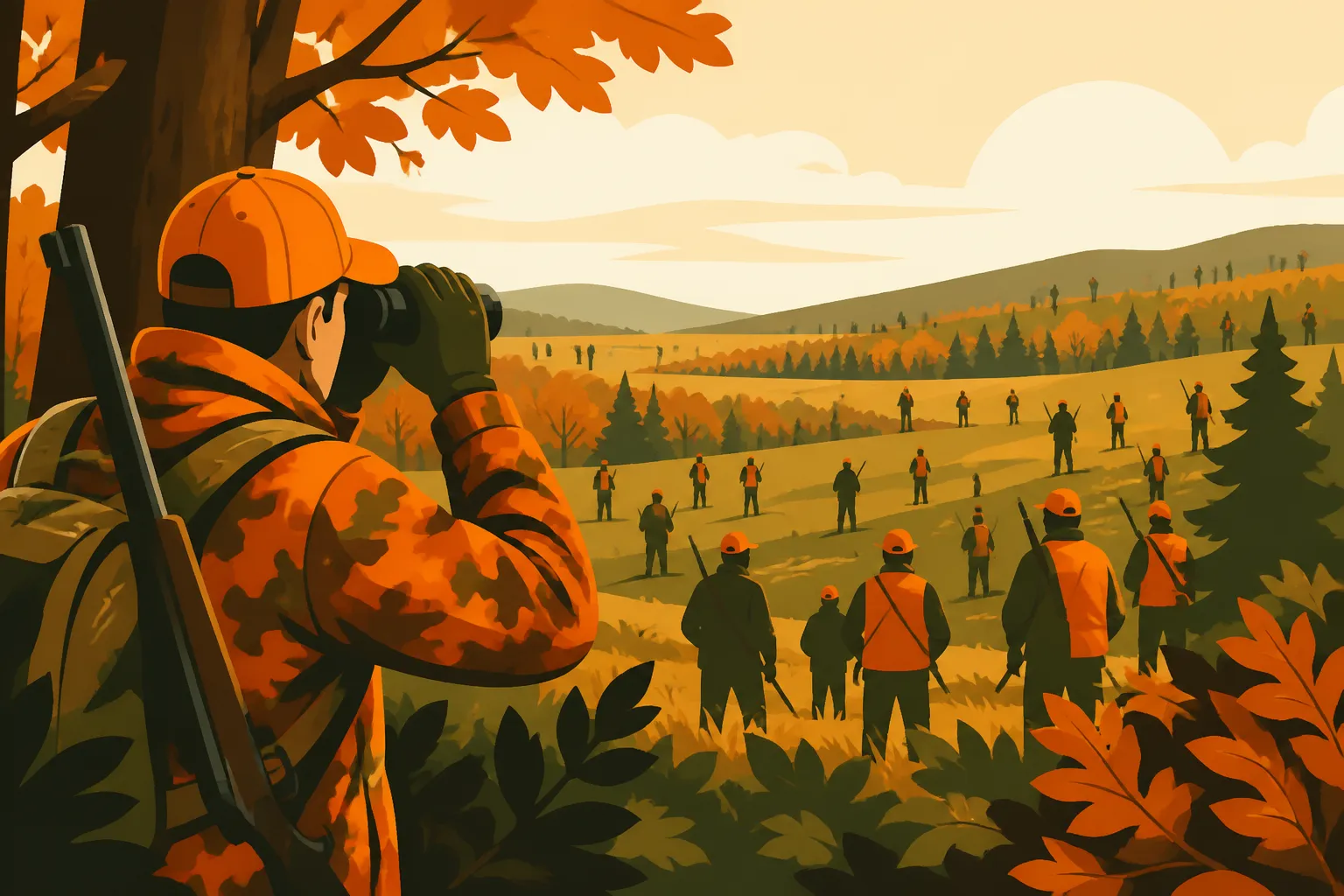
Opening day on Pennsylvania's public lands can feel like a rush hour commute, not a peaceful hunt. You've been scouting all year, eagerly awaiting that first morning, only to find every parking lot overflowing and orange-clad hunters seemingly in every direction. It's frustrating, demoralizing, and can make you wonder if public land hunting is even worth the effort. But don't despair! This guide is all about navigating those opening day crowds, finding overlooked pockets, and still having a successful, enjoyable hunt on Pennsylvania's public ground.
Understanding the Phenomenon of Opening Day Crowds
It’s not just your imagination; opening day on Pennsylvania’s State Game Lands, State Forests, and other public areas truly is a spectacle. The excitement is palpable, but so is the pressure. To tackle this, we first need to understand why it happens and what it means for your hunting strategy.
Why Public Lands Get So Busy
Pennsylvania has a long, proud tradition of hunting, and a significant portion of the hunting community relies on public access. Many hunters don't have private land available to them, or they cherish the wilderness experience that public lands offer. This concentrated demand, especially on key dates like the firearms deer opener, leads to inevitable crowding. Think about it: a hunter might drive an hour or two from a populated area, knowing that a specific Game Land offers thousands of acres, but so does everyone else with the same idea. There's also the sheer accessibility of parking areas and designated trails, which naturally draws people to the easiest points of entry. Plus, the tradition itself fuels the fire – for many, opening day is a social event, a family ritual, almost a holiday. Everyone wants to be out there, and for good reason.
The Impact on Hunter Experience and Deer Behavior
When you step out of your truck before dawn and see a line of headlamps heading into the woods, it's easy to feel disheartened. The immediate impact is a feeling of lost solitude, which is a big part of why many of us hunt. More practically, increased hunter presence fundamentally changes deer behavior. Deer are incredibly adept at sensing pressure. They'll quickly alter their patterns, moving from predictable feeding or bedding areas to thicker, harder-to-reach cover. This means those perfectly scouted spots near trails or easily accessible food sources might be blown out by mid-morning. It also raises safety concerns; with more hunters in the woods, it's even more critical to be absolutely certain of your target and what lies beyond it. The deer become more nocturnal, more wary, and far less likely to expose themselves in open areas.
Strategies to Beat the Rush on Public Ground
Okay, so the crowds are a reality. But that doesn't mean your opening day is doomed. The key is to think differently, be willing to work a little harder, and use your resources wisely.
The "Go Deeper" Mentality
This is perhaps the most fundamental strategy for escaping opening day crowds: simply walk further than everyone else. Most hunters, for various reasons (physical limitations, time constraints, or just habit), tend to stick within a quarter-mile to half-mile radius of parking areas and main trails. The moment you push beyond that, even another few hundred yards, the hunter density often drops dramatically. This isn't just about covering distance; it's about enduring tougher terrain, navigating thicker cover, and being willing to make a commitment. How Far to Walk From the Parking Lot is a question every public land hunter needs to ask themselves, and the answer, on opening day, is often "further than you think." Consider packing lighter or using a quality pack to make that trek more manageable, knowing that every extra mile might put you in a sweet spot few others bother to reach.
Utilizing Mapping Tools and Scouting Effectively
In today's hunting world, digital mapping tools are your secret weapon against crowds. Services like onX Hunt and GoHunt allow you to scrutinize public land from the comfort of your home, identifying potential bedding areas, subtle terrain features, and escape routes that aren't obvious from a road. You can mark remote access points, identify overlooked hollows, or pinpoint patches of thick cover far from well-worn paths.
Before the season, use these tools to virtually scout areas that have limited access, steep topography, or dense vegetation. Look for small, unmaintained logging roads or forgotten gas line cuts that might offer a slightly easier, but still challenging, path to a secluded area. Then, get out there physically to confirm your suspicions. Scouting With the Pennsylvania Mapping Center can offer invaluable insights into terrain and access. A digital map isn't just for showing you where you are; it's for showing you where others aren't. Look for those topo lines that bunch up, indicating a steep climb, or swampy areas that people typically avoid. These are often the hidden sanctuaries where deer will flee when the pressure mounts.
Timing Your Hunt Beyond Opening Hours
While the pre-dawn walk and first light hunt are traditional, they are also when hunter numbers are at their absolute peak. Don't be afraid to adjust your timing. Many hunters will be back at their trucks by 10 AM, having walked a bit, seen nothing, and gotten cold. This creates a lull. The mid-morning through early afternoon can be incredibly productive, as deer pushed by earlier hunters may finally settle into new bedding areas or start cautiously moving. Consider a "late start" — heading in a bit later, after the initial rush has died down, and focusing on an all-day sit in a well-chosen, secluded spot.
Also, remember that Opening Day Tactics in Pennsylvania don't just apply to the first few hours. If opening day falls on a Saturday, the following Sunday (if legal for your species/WMU) or especially Monday will see a massive drop-off in hunter numbers. If you have the flexibility, planning your primary effort for later in the opening week can yield far more solitude and better deer movement. Deer will begin to return to more normal patterns once the initial human storm passes.
Finding Lesser-Known Pockets of Opportunity
The obvious spots might be crowded, but Pennsylvania's vast public lands hold countless overlooked nooks and crannies where deer seek refuge. The trick is knowing how to identify and access these areas.
Targeting Difficult Terrain and Features
Deer, especially mature bucks, are masters of self-preservation. When the woods fill with hunters, they gravitate towards the places humans are least willing to go. This often means steep, unforgiving terrain. Look for drainages, rock outcroppings, and super-thick clearcuts. A steep hollow or gully might be a nightmare to traverse, but it can be a sanctuary for deer. Reading a Pennsylvania Hollow for Deer isn't just about finding sign; it's about understanding how deer use these features to escape and feel secure. Similarly, Hunting Pennsylvania Clearcuts and Regrowth offers incredible cover, but it’s a physically demanding hunt, which means fewer hunters venture deep into them.
Consider areas with heavy blowdowns, dense laurel thickets, or even swampy ground. While these can be frustrating to navigate, they're exactly where pressured deer will hide. Use your mapping tools, like onX Hunt, to identify these challenging spots. They might not look inviting on the map, but that's precisely their appeal to a wary whitetail. Entry Routes on Steep Ground require careful planning and physical fitness, but they are often the path to success when the pressure is on.
Hunting Near Private Land Edges
One of the most effective strategies for public land hunting, particularly in areas bordering private property, is to understand how deer move under pressure. When hunters flood public land, deer often get pushed towards, and sometimes onto, adjacent private parcels. Conversely, if private land nearby has limited hunting pressure, deer may spend their days there and only move onto public ground at night.
Your opportunity comes from understanding these dynamics. Look for public land fingers or points that extend into large tracts of private property, or public ground that forms a natural escape corridor from heavily hunted private land. Deer will often try to sneak back onto their preferred private feeding grounds under the cover of darkness, offering a window of opportunity during late afternoon or early morning. However, be absolutely vigilant about property lines. Use your GPS with up-to-date property lines (like those available on onX Hunt or GoHunt) to ensure you stay legal. Hunting Small Private Tracts in Pennsylvania can sometimes border these larger public parcels, creating interesting funnel points.
Leveraging Habitat Diversity
Deer rely on diverse habitat for food, cover, and water. On opening day, while many hunters focus on obvious food sources or travel corridors, you might find success by looking for overlooked habitat diversity. This could mean a small, isolated patch of oaks dropping acorns away from the main ridge, or a dense stand of pines offering thermal cover next to a clearcut. Finding Sign in Mature Timber is about more than just fresh rubs; it's about understanding what that timber offers beyond the main travel paths.
Don't just look for "the big woods" or "the ag fields." Seek out the transitions, the edges where different habitats meet. A small bench high on a mountain, offering both security cover and a browse food source, might be passed over by dozens of hunters walking the valleys or ridgelines. These subtle shifts in habitat can create micro-sanctuaries where deer feel safe even amidst heavy pressure. Look for areas with a mix of regenerating timber, old growth, and perhaps some boggy ground or rock ledges.
Safety and Ethics in Crowded Conditions
Hunting in crowded conditions demands an even greater commitment to safety and ethical behavior. It's not just about getting your deer; it's about ensuring everyone has a safe and respectful experience.
Prioritizing Hunter Safety
With more hunters in the woods, the potential for accidents increases. Always wear your Pennsylvania Hunter Orange Square Inches according to regulations, and then some. Make sure you are visible from all angles. Before you even think about raising your firearm, positively identify your target and be absolutely certain of what lies beyond it. Never shoot at sound or movement. If you're still-hunting or driving, communicate clearly with your hunting partners and know their locations. Use natural features to establish safe zones of fire. The general rule is: if you have any doubt, don't shoot. It's better to go home empty-handed than to be involved in an accident.
Respecting Other Hunters
Sharing public land means sharing the resource. This includes parking, trails, and hunting spots. While it’s frustrating to find someone in "your" spot, it’s public land, and everyone has a right to be there. Try to maintain a respectful distance from other hunters. If you approach another hunter's setup, acknowledge them, give them plenty of space, and consider finding another area. Avoid making excessive noise or interfering with their hunt. Good communication, even a simple wave or nod, can go a long way in de-escalating potential conflicts. We're all out there for the same reasons – to enjoy nature and the pursuit of game.
| Do's for Crowded Public Land | Don'ts for Crowded Public Land |
|---|---|
| Walk further than others | Park in front of someone's access |
| Use mapping apps (onX Hunt, GoHunt) | Walk directly into another hunter's setup |
| Hunt steep, thick, or wet areas | Make excessive noise or yell across hollows |
| Be extra vigilant with target identification | Assume you're the only one there |
| Wear plenty of blaze orange | Shoot at movement without clear identification |
| Communicate with hunting partners | Leave trash or litter |
| Have an exit strategy for your deer | Over-pressure an area you know others are hunting |
| Take a mid-day break and re-evaluate | Get discouraged and leave early without trying new spots |
| Plan for longer drags with a Using a Deer Cart on Game Lands | Complain loudly about other hunters |
Remember, a little courtesy and foresight can make a huge difference in your opening day experience. Hunting Pressure on Pennsylvania Game Lands is real, but smart planning allows you to Finding Ground Others Walk Past and enjoy a successful hunt.
Disclaimer
This article is for general informational purposes only and does not constitute professional advice. Laws, prices and regulations vary by location and change over time. Consult a qualified professional for guidance on your specific situation.