How Much State Game Land Pennsylvania Owns
It's a common question for any hunter or outdoor enthusiast looking at the vast green swaths on a map of Pennsylvania: "Just how much of this land is publicly accessible for hunting?" The sheer scale can be daunting, and navigating where you can and cannot go, what's allowed, and what truly makes up the fabric of our public hunting grounds, can feel like a maze. This guide aims to pull back the curtain on Pennsylvania's State Game Lands, detailing their incredible expanse, purpose, and how you, as a hunter, can make the most of this invaluable resource.
The Vast Expanse of Pennsylvania State Game Lands
Pennsylvania boasts an impressive commitment to public land, and at the heart of this dedication are the State Game Lands. These properties, managed by the Pennsylvania Game Commission, are a crown jewel for hunters, hikers, birdwatchers, and anyone who cherishes the outdoors. They represent a deliberate, long-term strategy to ensure that future generations have ample wild spaces to pursue their passions.
The Sheer Scale: Acres and Numbers
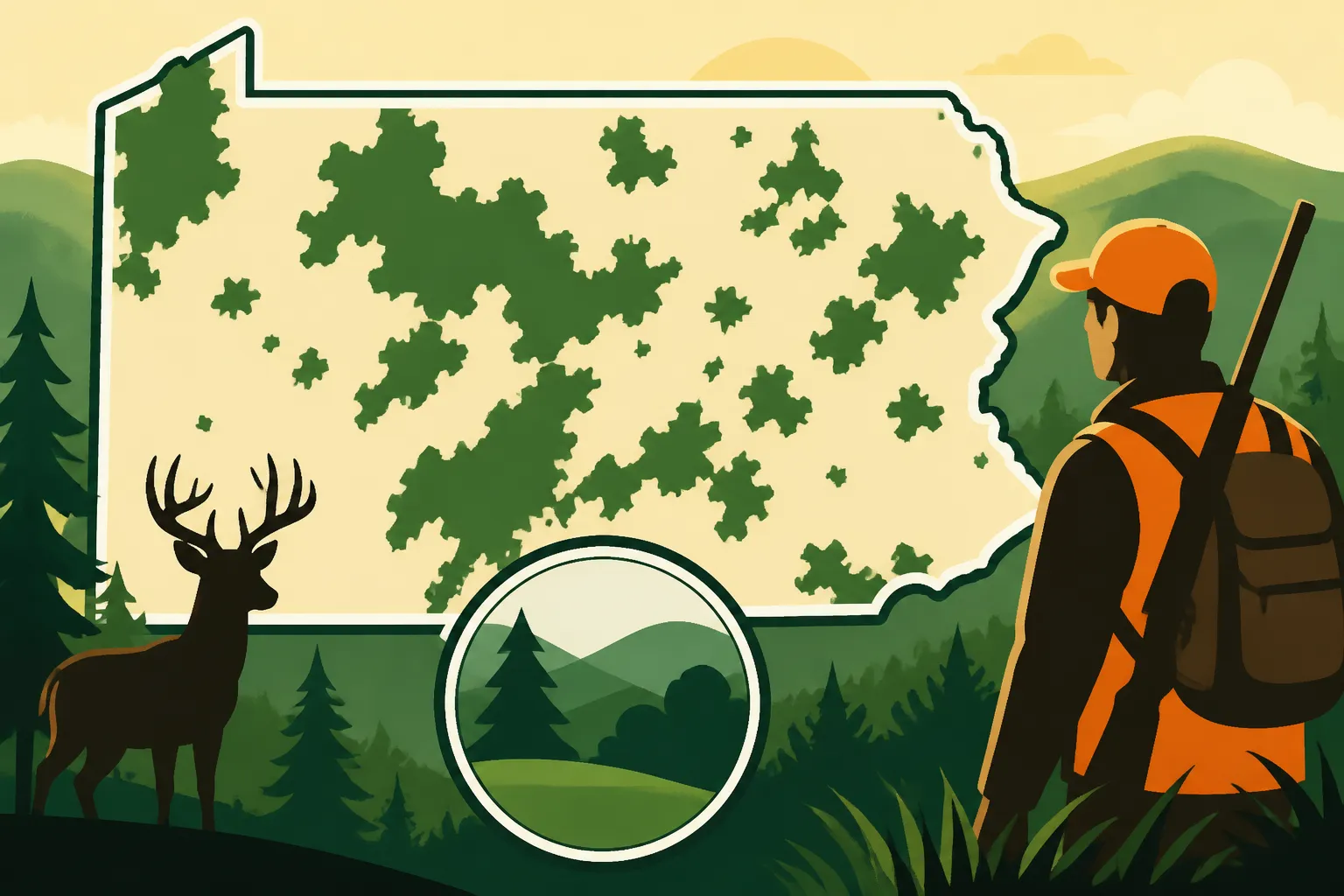
When you consider the rugged mountains, rolling farmlands, and dense forests that define our state, it’s hard to imagine the true scope of land set aside specifically for wildlife and public access. The Pennsylvania Game Commission manages well over 1.5 million acres of State Game Lands. Think about that for a moment: it's a land area larger than the entire state of Delaware! These lands are spread across all 67 counties, ranging from sprawling, remote wilderness tracts in the north-central Big Woods to smaller, more fragmented parcels nestled amidst agricultural fields in the southeastern part of the state. It's not just one continuous block; rather, it's a mosaic of over 300 individual State Game Lands, each with its own unique character, challenges, and opportunities. This dispersed network ensures that no matter where you are in Pennsylvania, a piece of public hunting ground is likely within a reasonable drive. This extensive system is truly a testament to generations of conservation efforts.
To put the scale into perspective, imagine all the bustling towns and quiet communities you know across Pennsylvania. Now imagine an area larger than many of those combined, dedicated entirely to wildlife habitat and outdoor recreation. This isn't just barren forest; these lands are actively managed, providing diverse ecosystems that support a wide array of game species, from whitetail deer and black bear to wild turkeys and ruffed grouse. The variety in terrain and habitat across these millions of acres means that every hunter, from the seasoned mountain man to the weekend warrior, can find a challenge and a reward that suits their style. Whether you're chasing an elusive buck through thick rhododendron in the north or looking for pheasants in a managed field down south, the sheer acreage means there's always more to explore.
A Legacy of Conservation: How Game Lands Came to Be
The existence of such a vast public land system isn't an accident; it's the result of a forward-thinking conservation movement that began over a century ago. The Pennsylvania Game Commission started acquiring land in the early 20th century, largely funded by hunters themselves through the purchase of hunting licenses and taxes on sporting goods. This "user-pay, user-benefit" model has been foundational to the growth and maintenance of State Game Lands. Early purchases often focused on areas that had been heavily timbered and then abandoned, lands that were deemed "unfit" for agriculture or development. These were precisely the lands that, with careful management, could be restored to thriving wildlife habitats. The vision was clear: secure public hunting grounds before they were lost forever to private ownership or development, ensuring that hunting would remain a viable and accessible tradition in Pennsylvania.
This legacy continues to this day, with the Game Commission actively seeking new parcels to add to the system, primarily through opportunistic purchases from willing sellers, land exchanges, or donations. The funding mechanisms have evolved slightly, but the core principle remains: revenue generated from hunting and trapping licenses, timber sales on Game Lands, and federal excise taxes on firearms and ammunition (through the Pittman-Robertson Act) directly supports these acquisitions and management efforts. This ensures a direct link between the sporting community and the land base they depend on. It's a continuous, dynamic process where How Game Lands Are Bought and Paid For isn't just about financial transactions, but about preserving a way of life and a crucial natural resource for generations to come. Every license purchased, every box of ammunition, contributes to this ongoing effort, making hunters truly the primary funders of conservation in our state.
Understanding the Purpose of State Game Lands
State Game Lands are not merely tracts of land; they are carefully managed ecosystems with a multi-faceted purpose. While hunting is a primary focus, their role extends far beyond providing a place to chase deer or turkeys. They serve as critical habitat, recreation areas, and laboratories for wildlife management research.
Beyond Just Hunting: Habitat and Public Recreation
While the name "State Game Lands" clearly points to their primary use, these lands are so much more than just hunting grounds. They are vital wildlife habitat, providing food, cover, and breeding areas for hundreds of species, both game and non-game. The Pennsylvania Game Commission employs a team of wildlife biologists and foresters who implement various habitat management practices, such as timber stand improvements, food plot plantings, prescribed burns, and wetland restoration. These actions are designed to create diverse habitats that benefit a wide range of species, ensuring robust and healthy wildlife populations across the state. Without these dedicated lands, many species would struggle to find the space and resources they need to thrive in an increasingly developed landscape.
Beyond habitat, State Game Lands offer a tremendous array of recreational opportunities for everyone, not just hunters. Hikers can traverse miles of trails, birdwatchers can observe diverse avian populations, and nature photographers can capture the beauty of Pennsylvania's wild places. Many Game Lands feature scenic vistas, pristine streams, and unique ecological features that draw visitors from all walks of life. While hunting activities take precedence during designated seasons, the lands remain open for most other passive recreational uses year-round. This multi-use approach means that these public spaces truly belong to all Pennsylvanians, fostering a deeper connection to nature and outdoor pursuits. It's a testament to their value that these lands are cherished by such a broad spectrum of the public.
Balancing Wildlife Needs with Hunter Access
One of the ongoing challenges and core responsibilities of the Pennsylvania Game Commission is to effectively balance the needs of wildlife with providing ample access for hunters. This isn't always an easy task, as sometimes what's best for a specific wildlife population might temporarily restrict hunter access or impact hunting opportunities. For example, specific timber cuts might be performed to improve browse for deer, but the heavy equipment involved might limit access to certain areas for a period. Conversely, managing deer populations through hunting is crucial for forest regeneration and overall ecosystem health, demonstrating how hunter access directly contributes to wildlife objectives.
The Game Commission's management philosophy is rooted in scientific principles, utilizing research and data to make informed decisions about habitat improvements, game stocking (like pheasants), and harvest regulations. The goal is always sustainable populations and healthy ecosystems. This balance is reflected in decisions about Timber Cuts and Where Deer Move After, ensuring that habitat work on Game Lands not only benefits wildlife but also creates better hunting opportunities in the long run. It's a delicate dance, but one that is essential for the long-term viability of both our wildlife resources and our hunting heritage in Pennsylvania.
Navigating and Utilizing State Game Lands
Stepping onto State Game Lands for the first time, especially in a vast block like Sproul State Forest or one of the larger Game Lands, can feel a bit overwhelming. But with the right tools and a clear understanding of the rules, these public grounds become much more approachable.
Finding Your Way: Maps and Digital Tools
Gone are the days when a crumpled paper map was your only guide (though a physical map is still a great backup!). Today, digital mapping applications have revolutionized how hunters navigate State Game Lands. Tools like onX Hunt and GoHunt provide incredibly detailed satellite imagery, topographic maps, and most importantly, clearly delineate property boundaries for public and private land. This is invaluable when you're deep in the woods and need to know exactly where you stand. You can mark waypoints for your stand locations, game sign, or even your vehicle, making it much easier to plan your approach and exit, especially in the dark.
The Pennsylvania Game Commission also provides fantastic resources, including its own interactive online mapping center, which is an excellent tool for pre-season scouting. Using the Pennsylvania Mapping Center allows you to view Game Lands boundaries, habitat features, access roads, and even recent timber cuts. This kind of detailed information, whether accessed through your smartphone app or a desktop computer, is crucial for understanding the lay of the land, identifying potential hunting hotspots, and avoiding accidental trespass. Before you even set foot in the woods, spending time with these mapping resources can give you a significant advantage and ensure you're hunting legally and safely. Always download offline maps before heading into areas with no cell service, which is common in many of Pennsylvania's more remote Game Lands.
Common Rules and Regulations to Know
Hunting on State Game Lands comes with its own set of rules, designed to ensure safety, fairness, and the protection of the resource. These regulations cover everything from permissible activities to specific restrictions on equipment and access. For instance, understanding Pennsylvania State Game Lands Rules is paramount. One key regulation involves vehicle access: generally, vehicles are restricted to designated roads and parking areas. You can't just drive off-road wherever you please, even if it looks like a faint trail. This protects the habitat and prevents damage to the land. Always look for signage at entry points, and consult the Game Commission's website for specific rules pertaining to the Game Land you plan to visit.
Another common consideration for hunters is the use of permanent tree stands or ground blinds. While portable stands are generally allowed, rules regarding how long they can be left up and any tagging requirements are important to know. Leaving a permanent fixture on public land can be illegal and result in fines. Similarly, Camping Rules on Pennsylvania Public Land often vary. While primitive camping might be allowed in some State Forests adjacent to Game Lands, it's generally restricted or requires permits on Game Lands themselves, usually limited to designated campsites, if any are available. Always check current regulations before setting up camp. Being informed about these rules not only keeps you on the right side of the law but also helps preserve the quality of the hunting experience for everyone.
Respecting the Resource: Ethical Use
Hunting on public land is a privilege, not a right, and maintaining that privilege requires a strong commitment to ethical behavior and respect for the resource. This means adhering to all game laws, practicing fair chase, and leaving the land cleaner than you found it. Pack out everything you pack in – and if you see litter left by others, consider packing that out too. Public perception of hunting is significantly influenced by how hunters conduct themselves on public lands, so being a responsible ambassador is key.
Ethical use also extends to how you interact with other users of State Game Lands. You might encounter hikers, dog walkers, or even other hunters in your chosen area. A friendly nod, a polite conversation, and an understanding that everyone has a right to enjoy these lands goes a long way. Avoiding unnecessary noise, being mindful of shooting lanes, and always being aware of your surroundings contribute to a safer and more positive experience for everyone. Consider Hunting Pressure on Pennsylvania Game Lands as a reality; learning to navigate and coexist, or seeking out less-trafficked areas, is part of the public land hunting experience. This collective responsibility ensures that State Game Lands remain a cherished and accessible resource for generations of outdoor enthusiasts.
The Impact of Game Lands on Pennsylvania Hunting
The existence and active management of State Game Lands have profoundly shaped Pennsylvania's hunting landscape. They are not just places to hunt; they are integral to the health of our wildlife populations and the accessibility of our hunting traditions.
Providing Access for All Hunters
One of the most significant impacts of State Game Lands is their role in democratizing hunting. Without these vast public tracts, hunting would largely be limited to those who own private land or can afford costly leases. State Game Lands ensure that every resident, regardless of economic status or land ownership, has a place to hunt. This is especially crucial in a state like Pennsylvania, which has a deeply ingrained hunting culture and a high number of licensed hunters. For many, these lands are the primary, if not sole, access point to pursue deer, bear, turkey, and small game.
Consider the young hunter just starting out, or the individual living in a more urbanized area. For them, the prospect of finding private land access can be incredibly daunting. State Game Lands remove that barrier, providing a ready-made classroom and hunting ground. This open access fosters new generations of hunters and ensures the continuity of our traditions. It also offers a diverse range of hunting environments, from the expansive forests of the north-central region where you can practice Still-Hunting Pennsylvania Big Woods to the smaller, more accessible woodlots and field edges that might be found closer to populated areas. The sheer availability means that almost anyone with a license and the will to scout can find a place to hunt, fostering a robust and inclusive hunting community.
Driving Deer, Bear, and Turkey Populations
Beyond providing access, State Game Lands are critical for maintaining healthy and abundant game populations. The habitat management practices implemented by the Pennsylvania Game Commission on these lands directly benefit iconic Pennsylvania species. For deer, food plots, timber cuts, and prescribed burns create ideal conditions, offering a mosaic of cover, browse, and forage. This translates to stronger, healthier deer herds across the state. Similarly, the diverse forest structures and mast-producing trees found on Game Lands provide crucial food sources and breeding habitat for wild turkeys, supporting robust populations year after year.
For black bears, the vast, often remote, and heavily wooded areas within many State Game Lands serve as critical sanctuary and breeding grounds. These undisturbed pockets allow bears to thrive, grow, and expand their range, contributing significantly to Pennsylvania's healthy bear population. The success stories of Pennsylvania's deer, bear, and turkey management are inextricably linked to the dedicated efforts on State Game Lands. Without these protected and actively managed areas, the populations of these species would undoubtedly be smaller and more vulnerable, diminishing hunting opportunities and the overall ecological health of our state. Pennsylvania's Black Bear Population and Wild Turkeys in Pennsylvania both owe a great deal to the foundational habitat provided by these lands.
Challenges and Future of State Game Lands
While State Game Lands are an undeniable success story, they are not without their challenges. Managing over 1.5 million acres for diverse wildlife, public recreation, and sustainable use is a complex undertaking, requiring constant adaptation and significant resources.
Funding and Maintenance Efforts
One of the most persistent challenges for State Game Lands is securing consistent and adequate funding for their maintenance and enhancement. As mentioned, hunters primarily fund these lands, but rising costs of equipment, labor, and materials mean that every dollar needs to stretch further. The sheer scale of the system necessitates ongoing maintenance: managing access roads and trails, repairing bridges and culverts, maintaining boundary lines, and performing critical habitat work like planting trees or controlling invasive species. This isn't a "set it and forget it" operation; it's a dynamic, labor-intensive commitment.
Moreover, the Game Commission invests heavily in critical infrastructure for public access, such as parking areas, boat launches on certain waters, and informational kiosks. These improvements are crucial for allowing hunters and other outdoor enthusiasts to safely and efficiently utilize the lands. Factors like inflation and fluctuating license sales can impact the budget, leading to tough decisions about which projects can be prioritized. The reliance on hunting license sales means that if hunter numbers decline, the primary funding source for these lands could be jeopardized. This makes ongoing support from the hunting community and continued awareness of the value of these lands absolutely essential for their long-term health.
Balancing Competing Interests and Pressures
State Game Lands are public lands, and as such, they often become focal points for various, sometimes competing, interests. Hunters want robust game populations and easy access, hikers desire pristine trails, birdwatchers seek undisturbed nesting areas, and environmental groups advocate for specific conservation practices. Finding a balance that respects all these stakeholders while staying true to the Game Commission's core mission of wildlife management is a continuous tightrope walk. For example, decisions about timber harvesting might benefit deer and grouse by creating early successional habitat, but they might be viewed negatively by those who prefer mature, unbroken forests.
Additionally, Game Lands face external pressures from development, climate change, and the spread of invasive species. Encroachment from residential areas can lead to increased human-wildlife conflicts, while changes in weather patterns can impact habitat and species distribution. Chronic Wasting Disease (CWD) is another significant concern that impacts management decisions on some Game Lands, including restrictions on carcass movement and intensive surveillance. The Game Commission must constantly adapt its strategies to address these evolving challenges, often requiring difficult trade-offs. The future of State Game Lands depends on continued proactive management, robust scientific research, and ongoing public support to ensure they can meet the demands of a changing world while continuing to serve as vital havens for wildlife and outdoor recreation. It's a complex puzzle, but one that is essential to solve for the health of Pennsylvania's natural resources.
Here's a quick overview of Pennsylvania's State Game Lands:
| Feature | Details |
|---|---|
| Total Acreage | Over 1.5 million acres |
| Number of Game Lands | Over 300 individual tracts |
| Spread Across | All 67 Pennsylvania counties |
| Primary Funding Source | Hunting & trapping license sales, federal excise taxes (Pittman-Robertson) |
| Core Purpose | Wildlife habitat, public hunting, and outdoor recreation |
| Managed By | Pennsylvania Game Commission |
| Key Habitat Management | Timber cuts, food plots, prescribed burns, wetland restoration |
| Major Game Species | Deer, bear, turkey, grouse, pheasant, rabbit, squirrel, waterfowl |
| Other Uses | Hiking, birdwatching, nature photography, fishing (where applicable) |
| Rules & Regulations | Specific to each Game Land, posted at access points & on PGC website |
Disclaimer
This article is for general informational purposes only and does not constitute professional advice. Laws, prices and regulations vary by location and change over time. Consult a qualified professional for guidance on your specific situation.